
Nissan 5786   ניסן

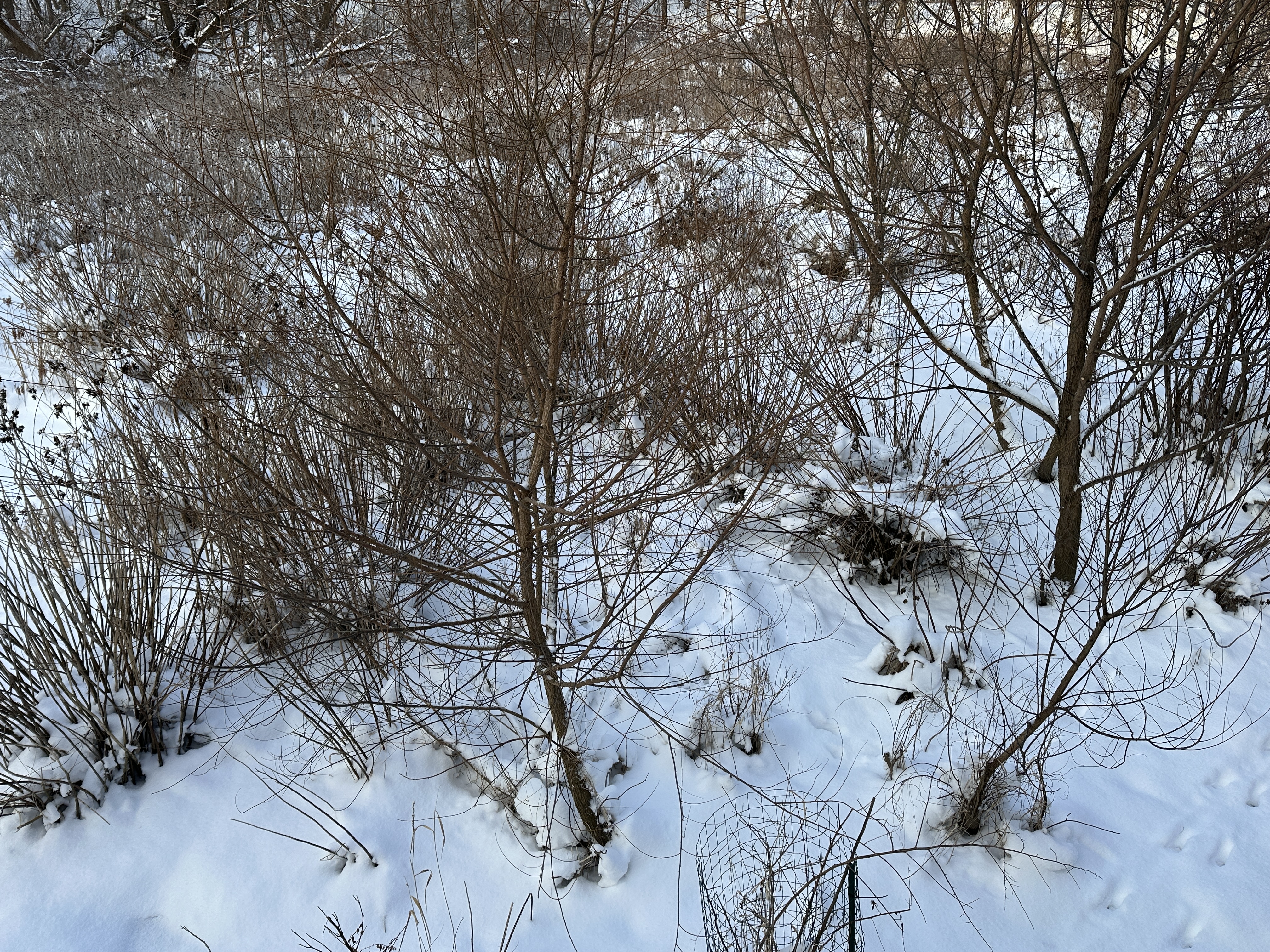
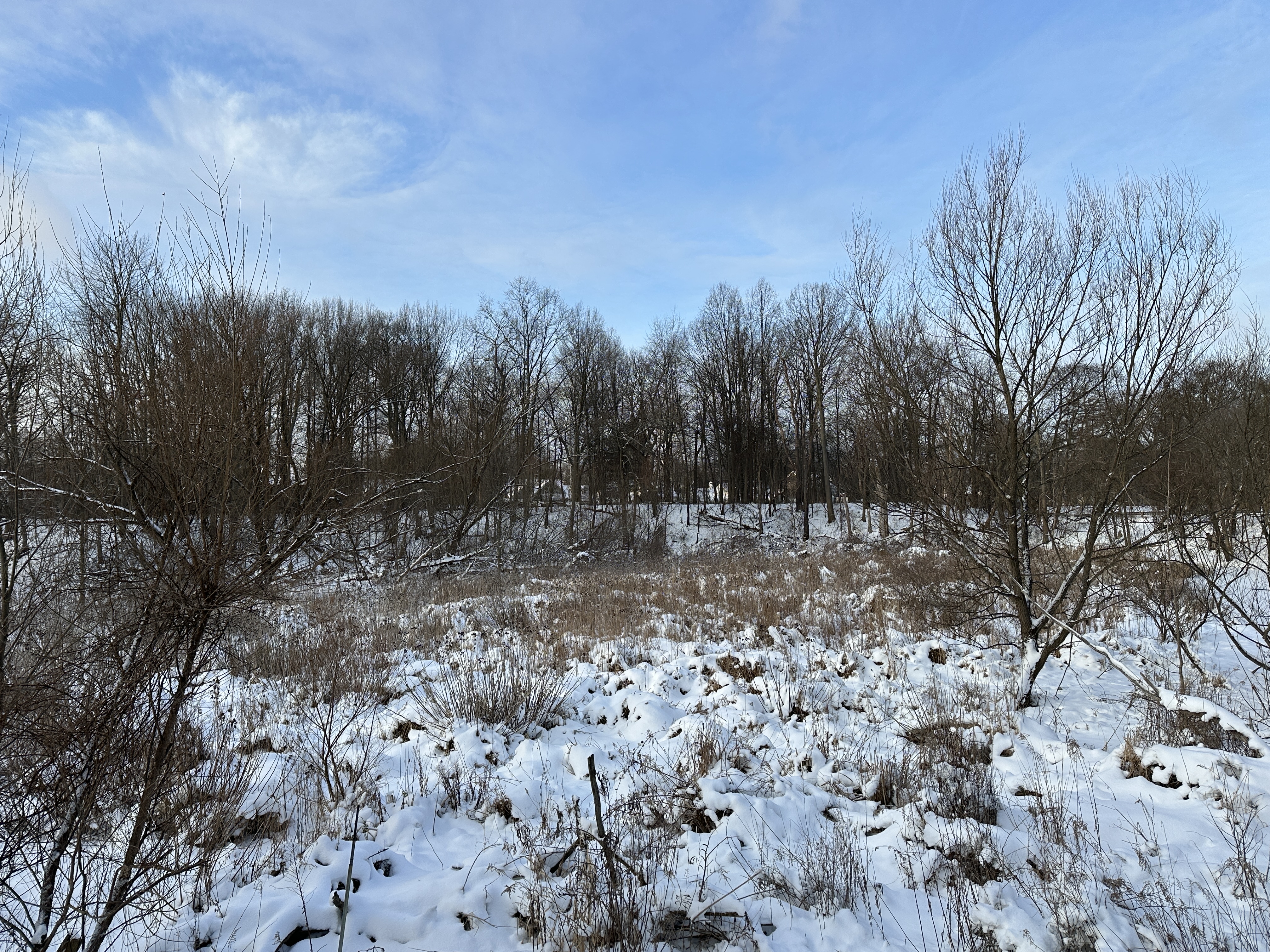
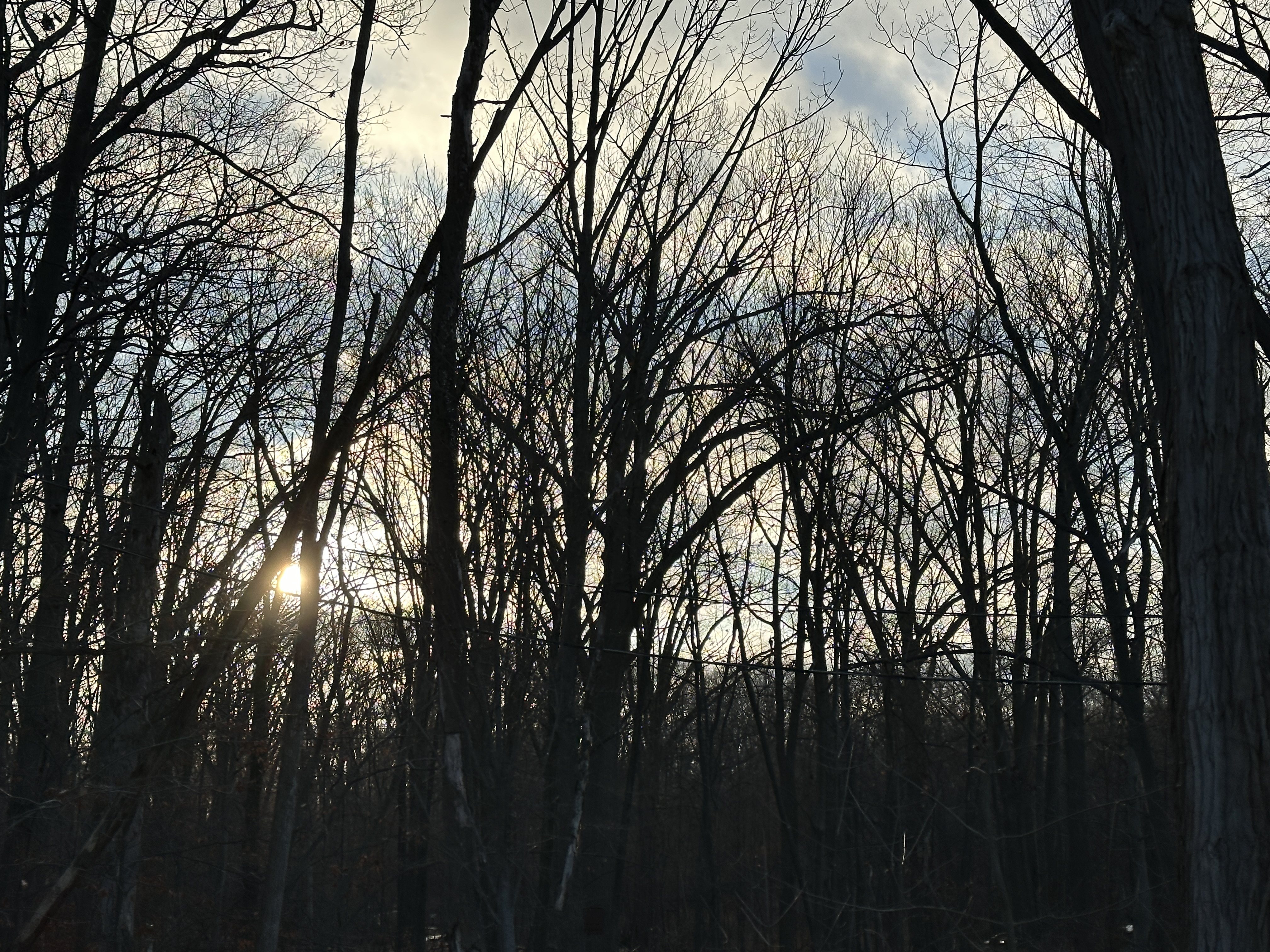
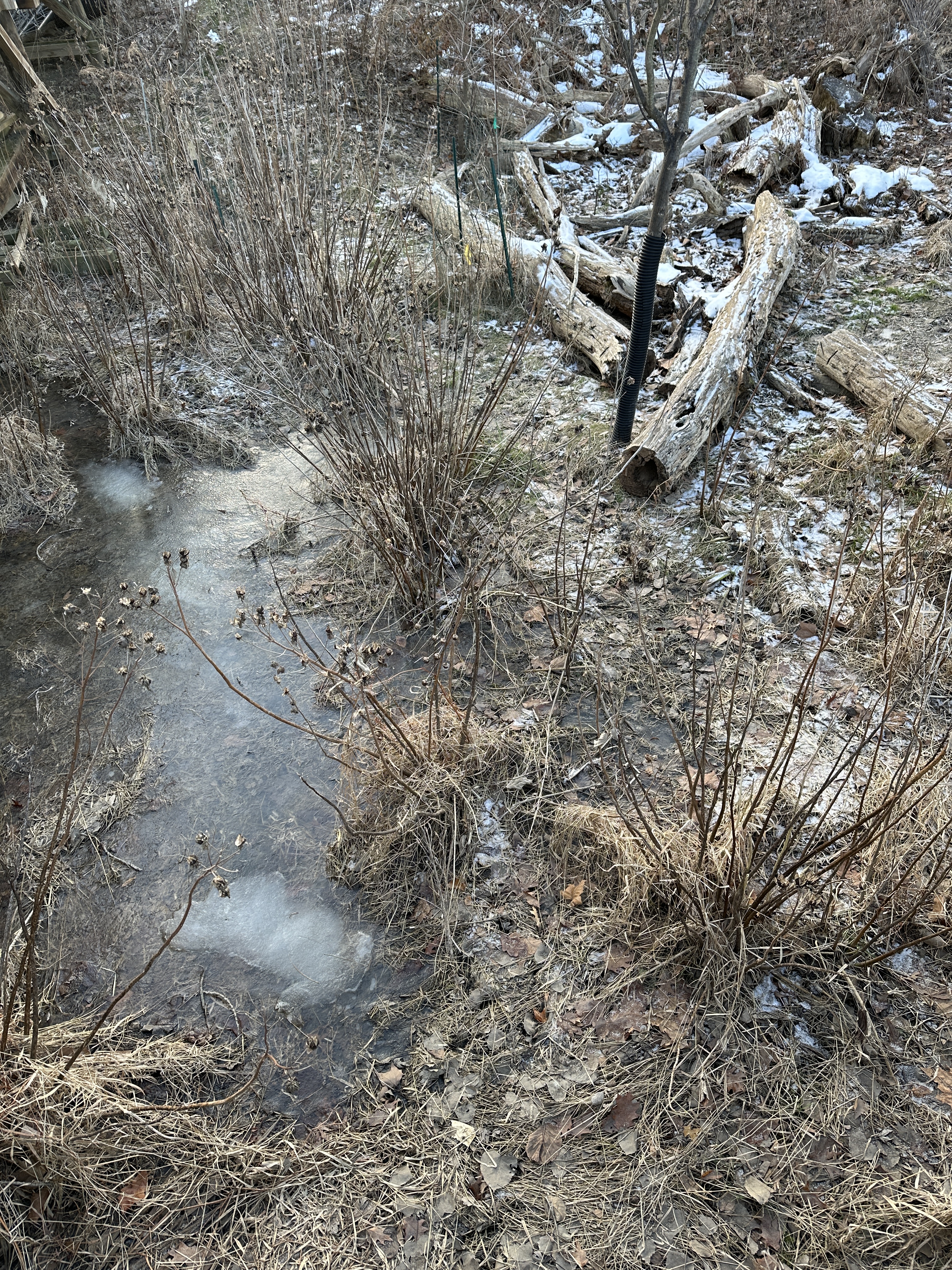
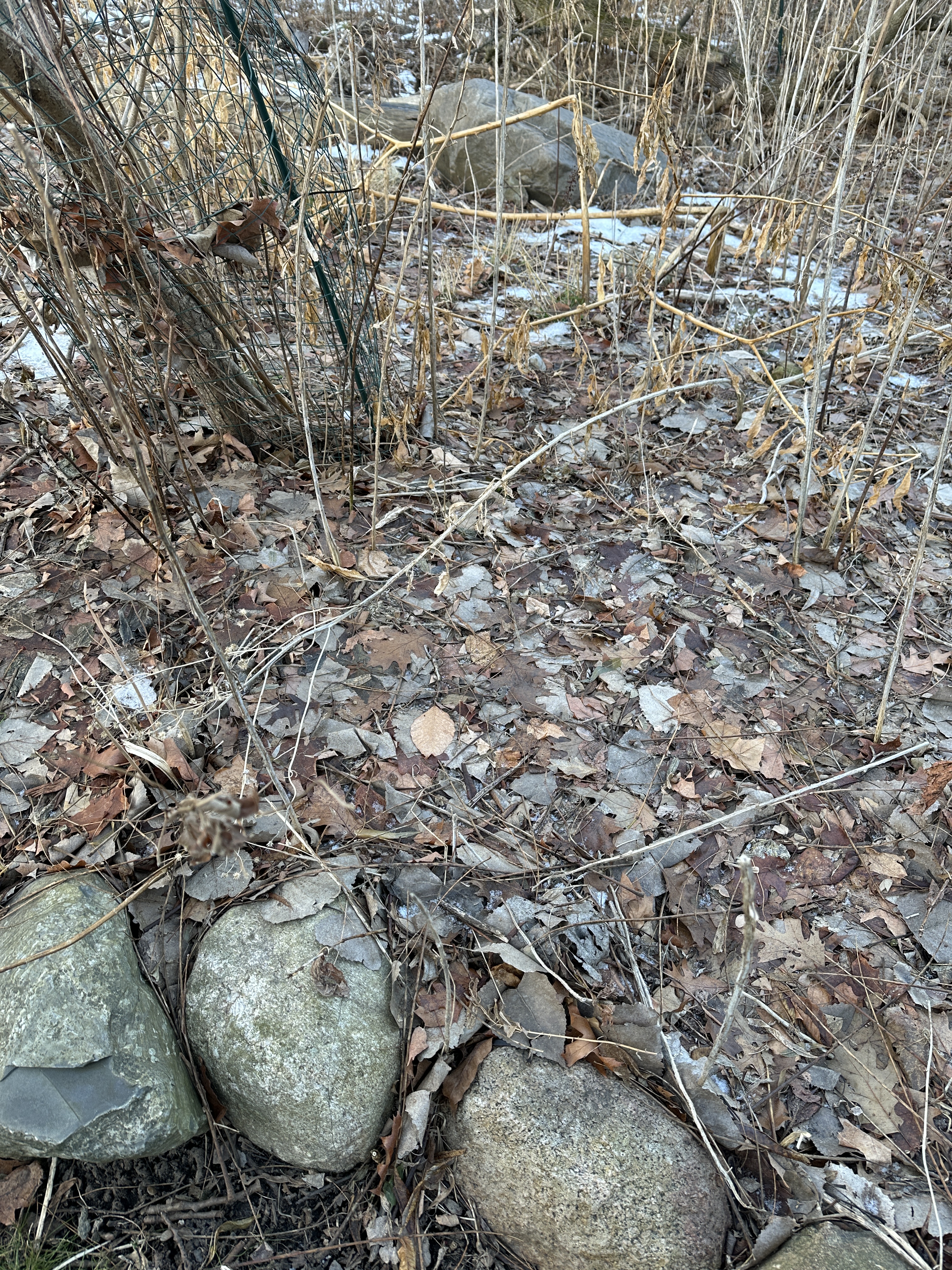
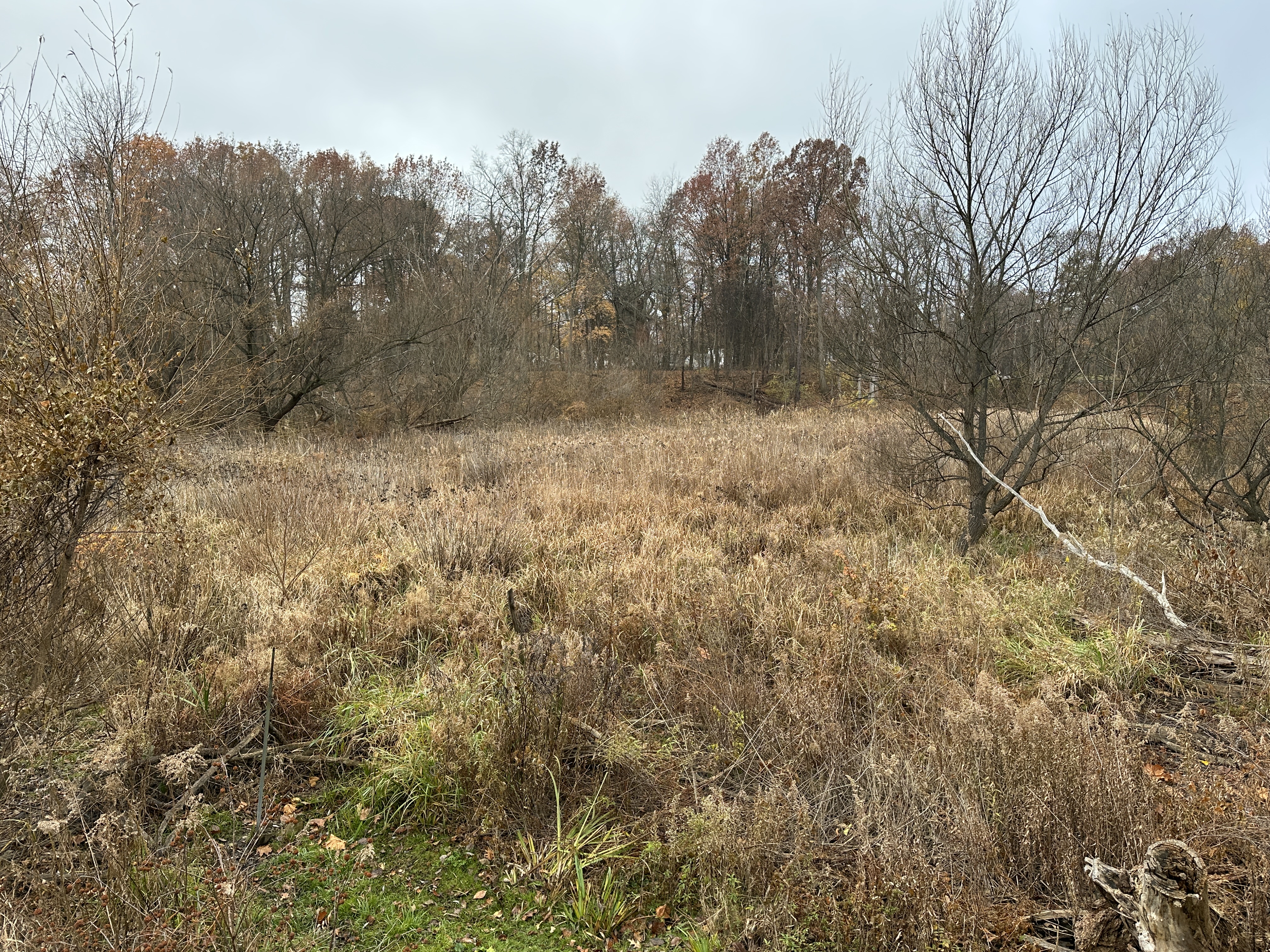
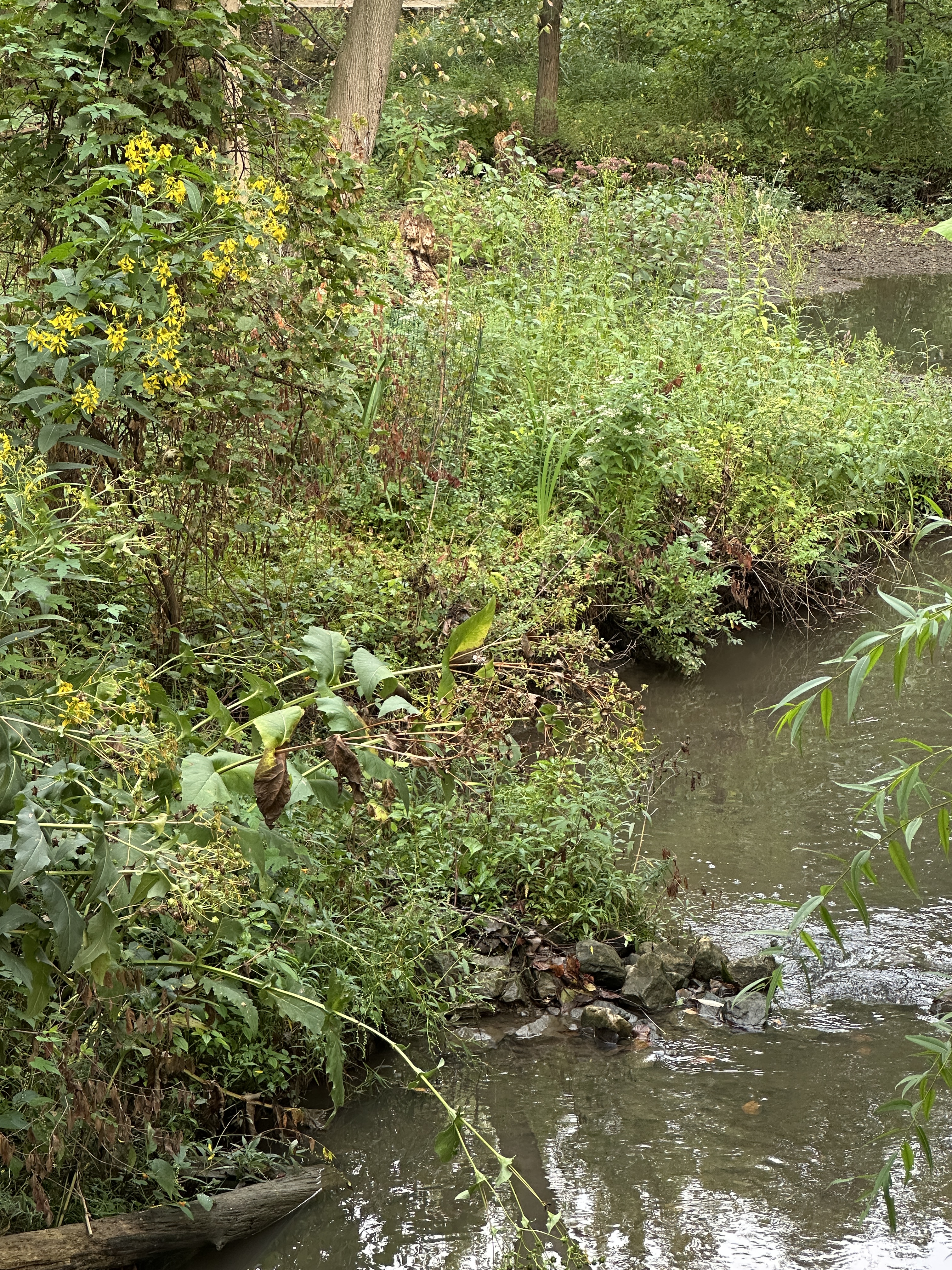
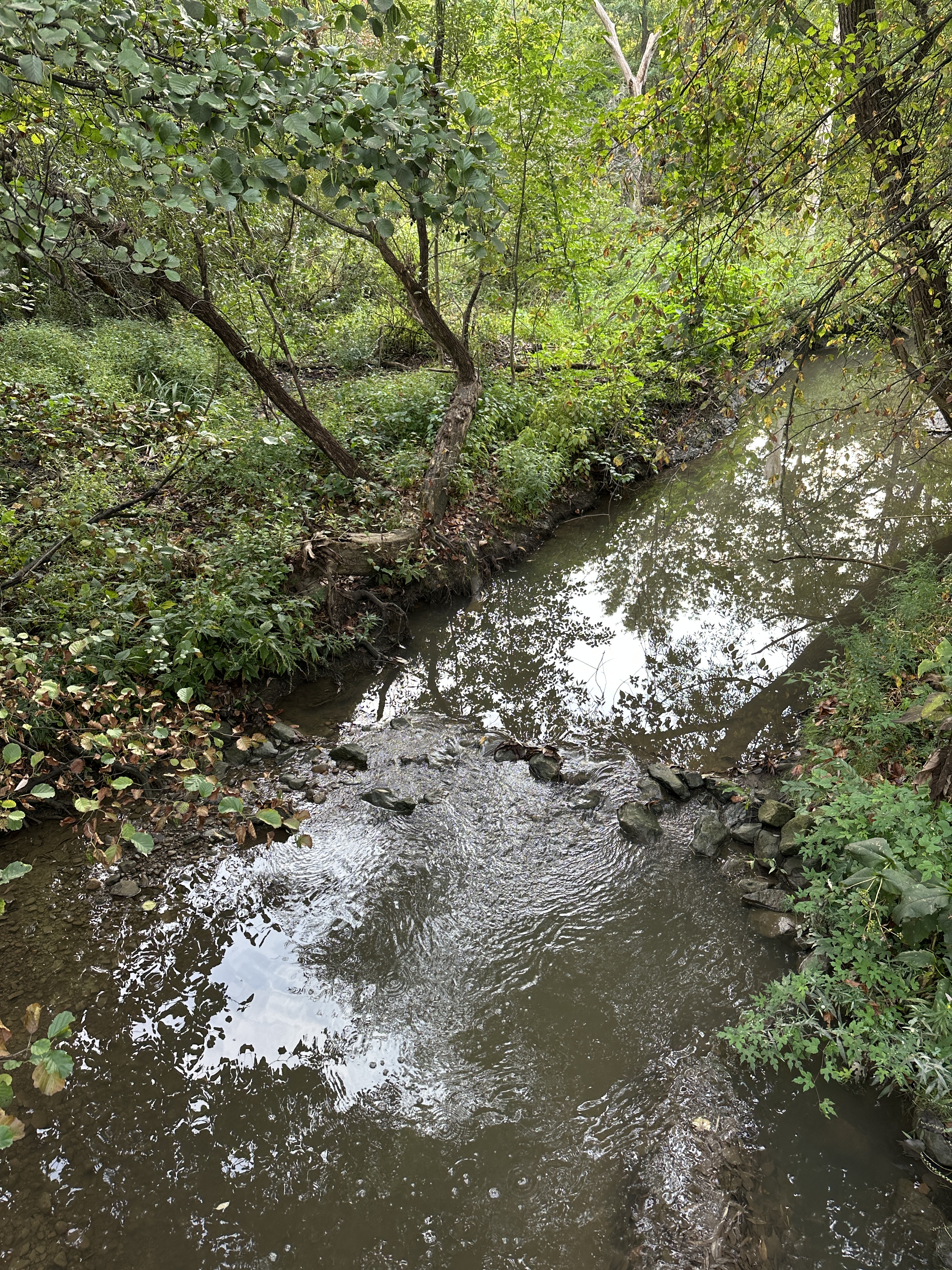
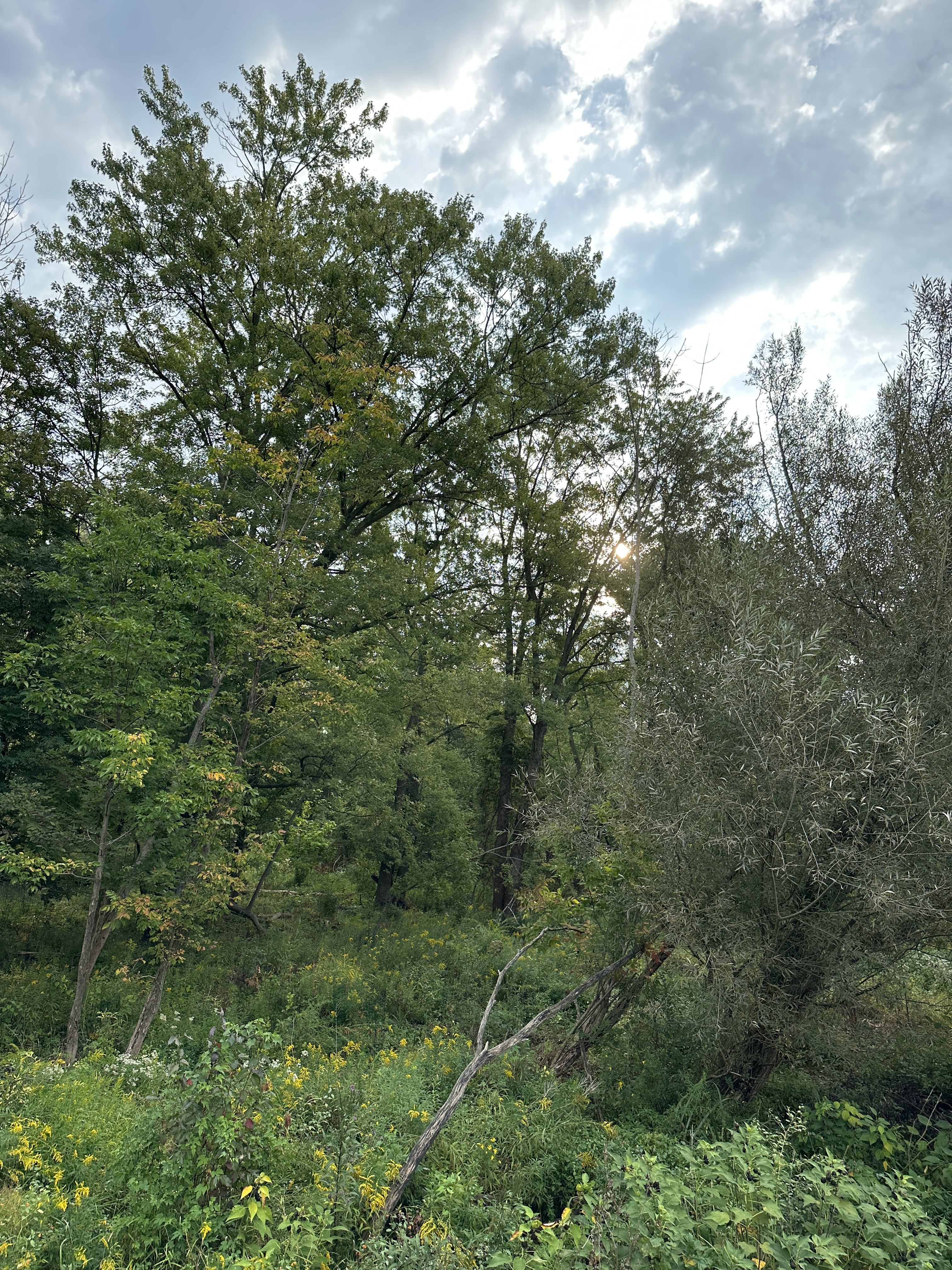
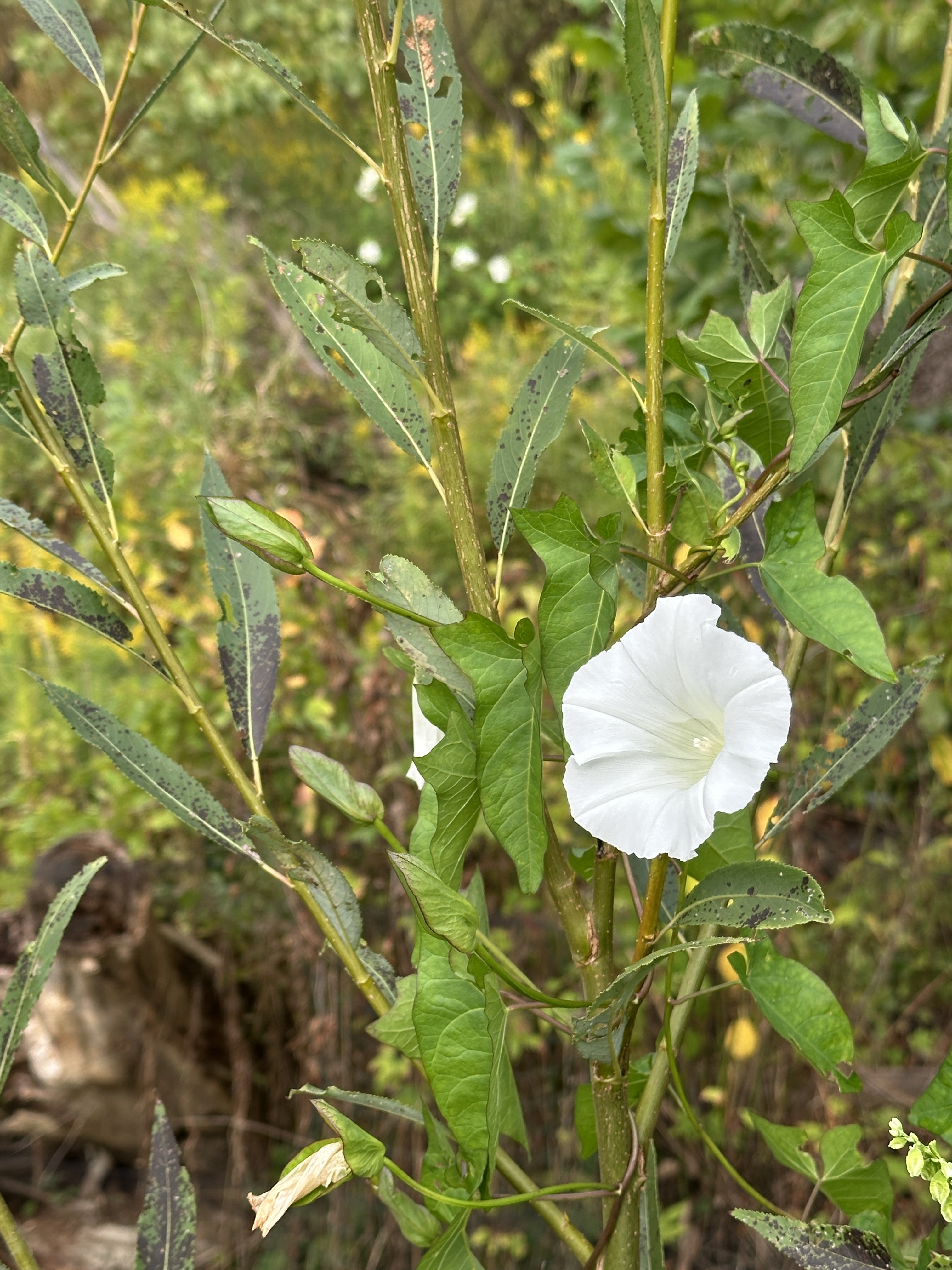
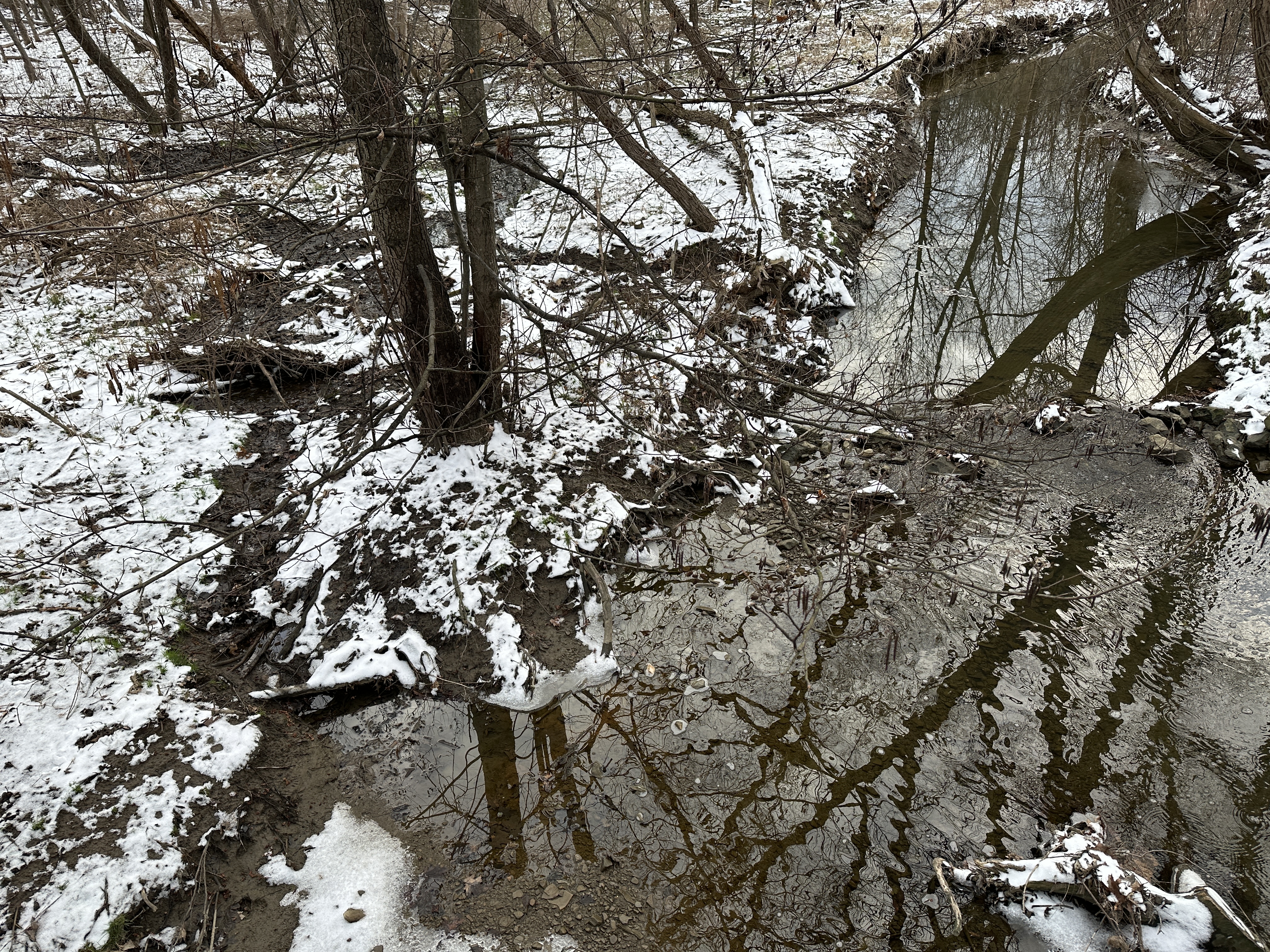
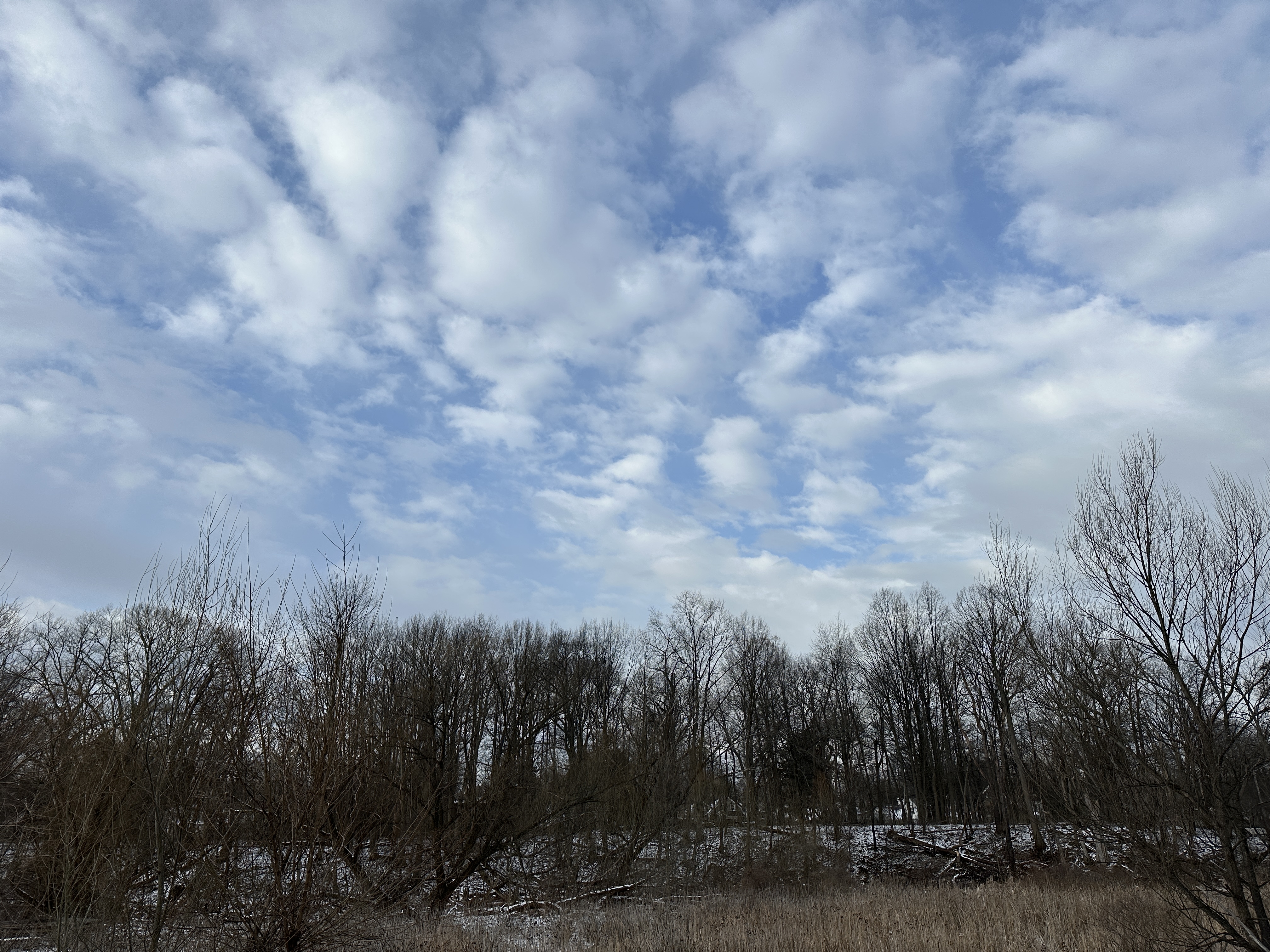
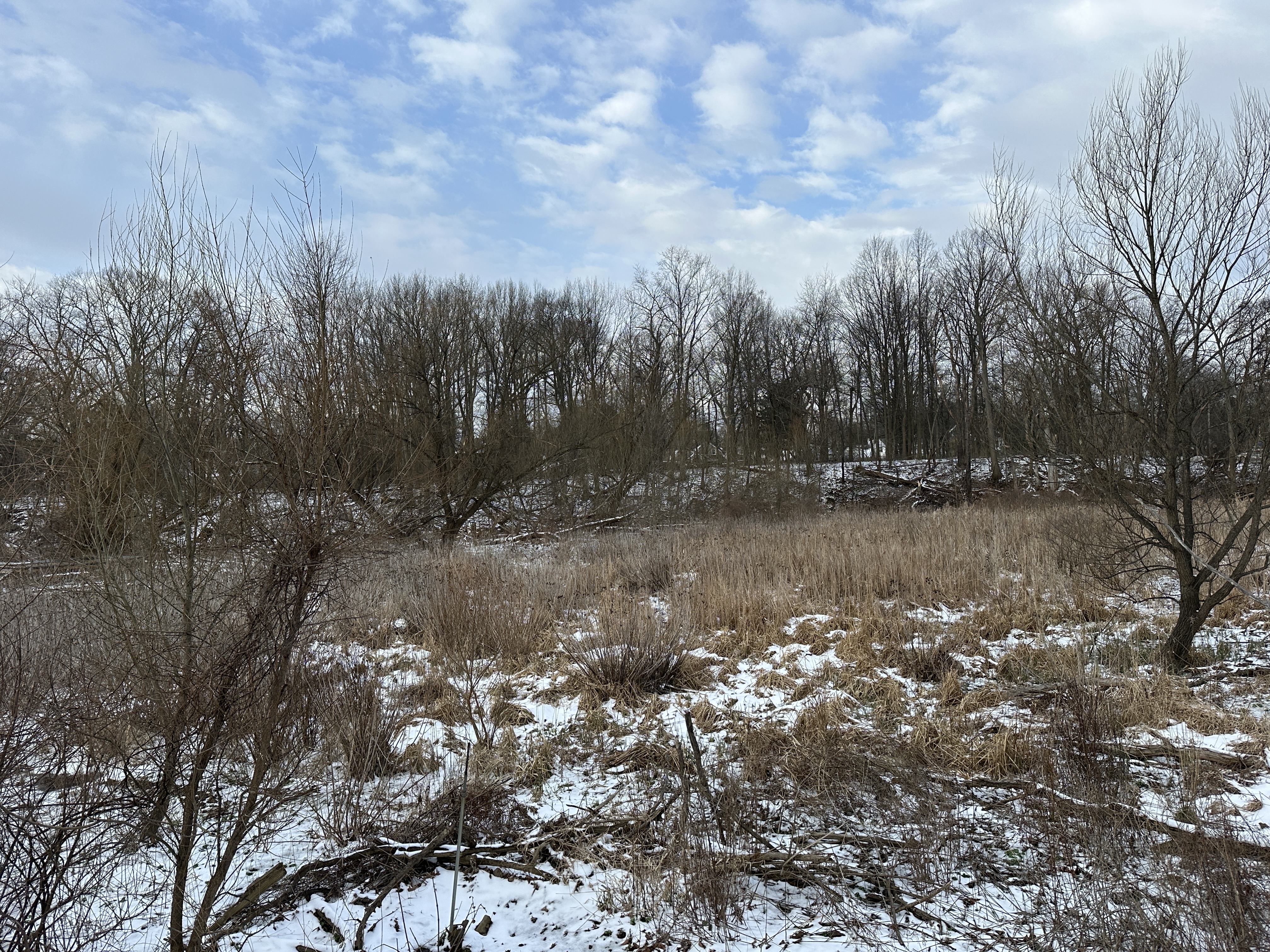
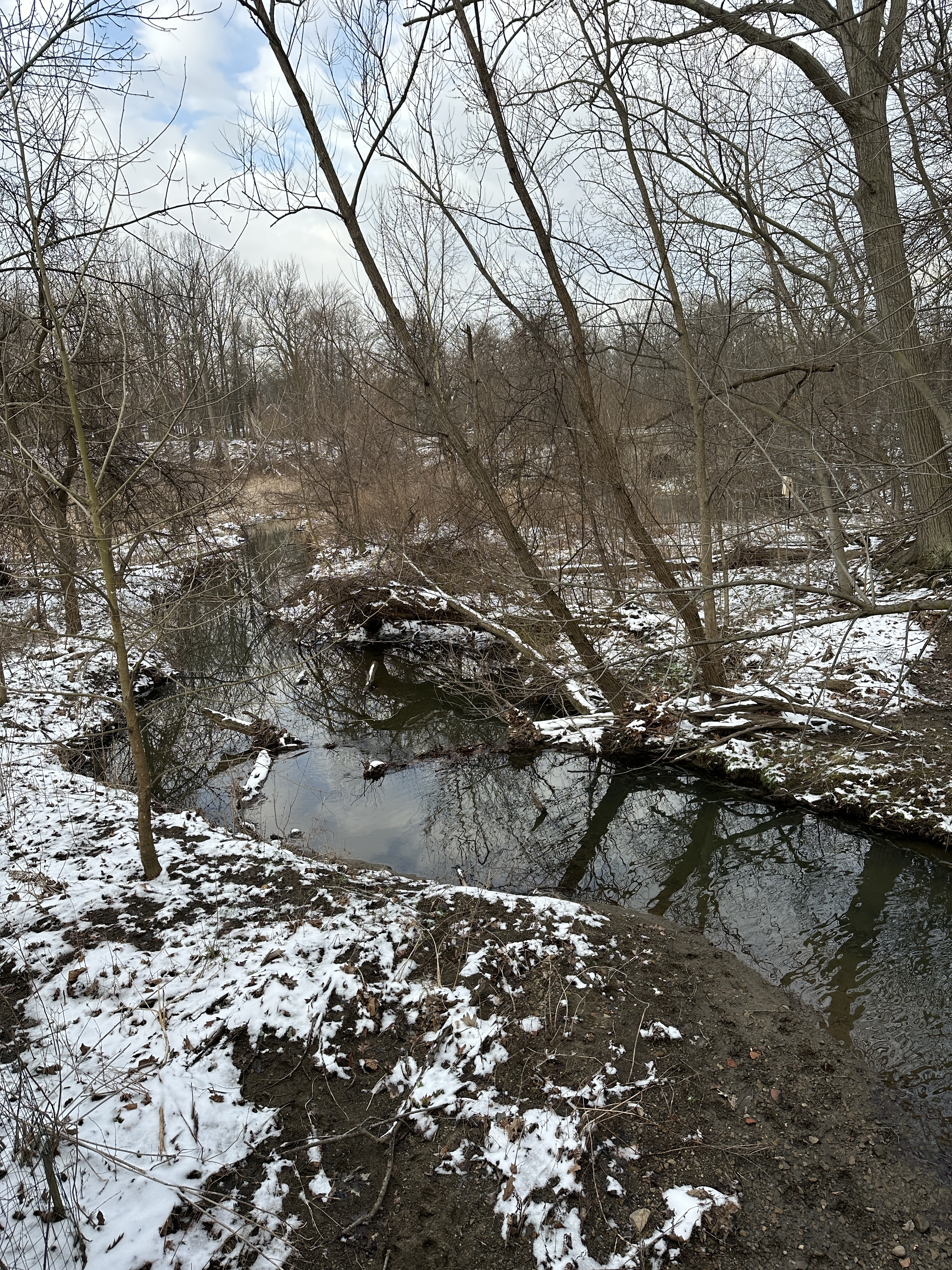
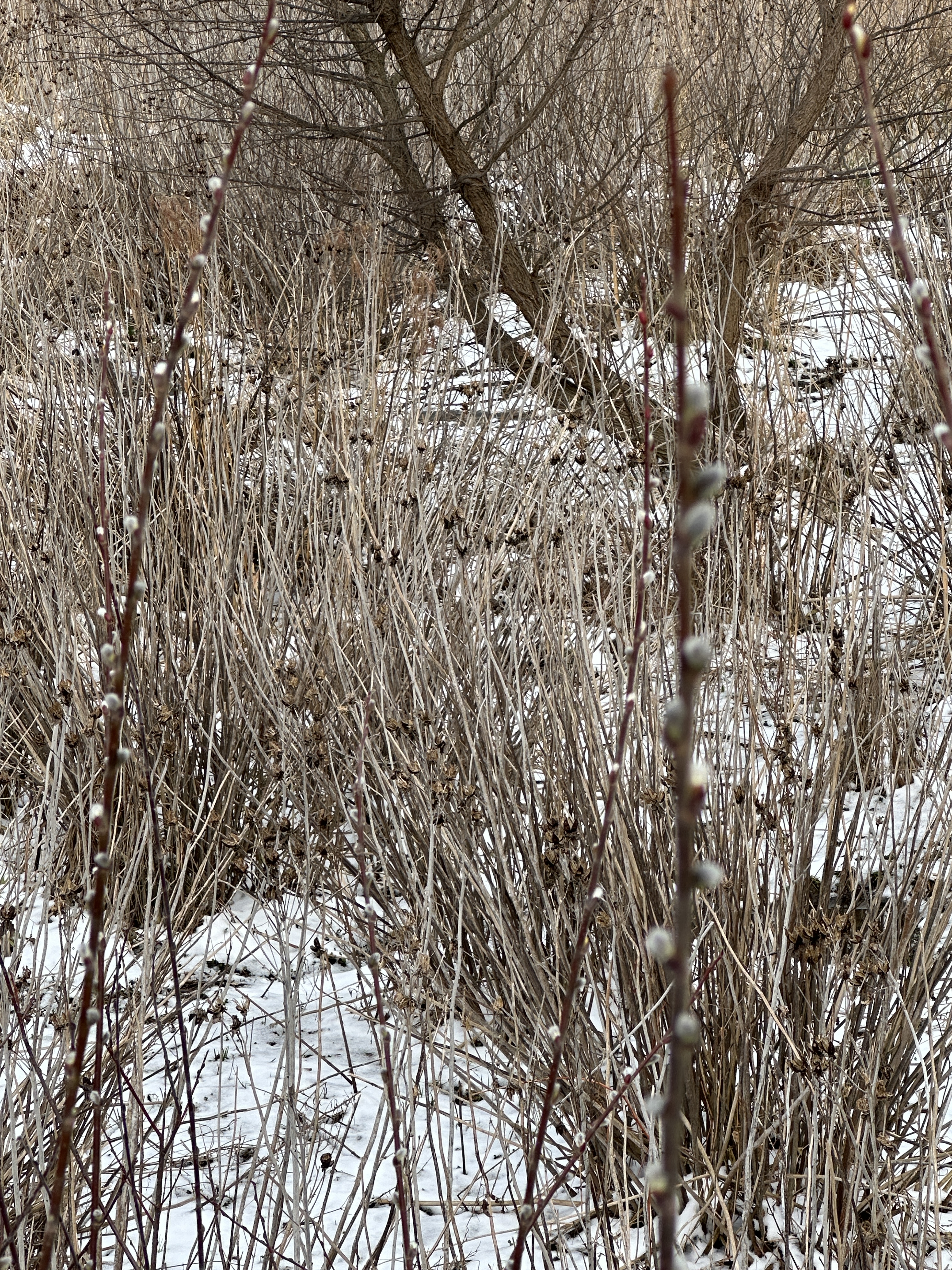
Thursday, March 19, 2026.  We had snow on the ground this morning, after a cold/wintery couple of days – but it warmed into the 30’s as we walked, and the birds singing in cacophony reminded us that spring is coming – the long winter is just about past.  In the middle east, spring is already underway, with soil warming, almond trees blooming, barley ripening, and vegetables being planted.

Sometimes in Adar (the month just past) we talk about the Jewish calendar’s “reset”, adding an extra month of Adar about every 3 years to keep the lunar months and holidays aligned with the solar year and seasons.  I had always thought that this was done to ensure that the holidays in general, or especially the High Holy Days and Hanukah, fell in their proper time of year.  But I learned recently that it is actually Passover that drives the adjustment.  The Rabbis interpreted the Torah as commanding that Passover happen in the spring – and established that the holiday therefore should come after the spring equinox[1].  Hence the addition of the month of Adar, just before Nissan, to ensure that Nissan began just at the right time.

So the month of Nissan, one of our four “New Years” during the Jewish year, is our New Year for the seasons.  As we look toward the Passover holiday and the opportunity for newness and coming out of places of narrowness and constriction in our lives, we can rest on the reset of nature and the seasons.  Spring is coming, new life is being birthed in the natural world of animals and plants – and so too we can birth new life in our own souls and hearts.  May this month, and the coming holiday, bring us a chance, and hope, for reset and rejuvenation, after a long winter. Chodesh tov! —K. Miriam

Our next Rosh Chodesh walking meditation will honor the month of Iyyar, Saturday, April 18, 8:30 am . Rain or snow or shine! – contact us for location.


[1] See the Chabad web page, How does the spring equinox relate to the timing of Passover?
Adar 5786  אדר

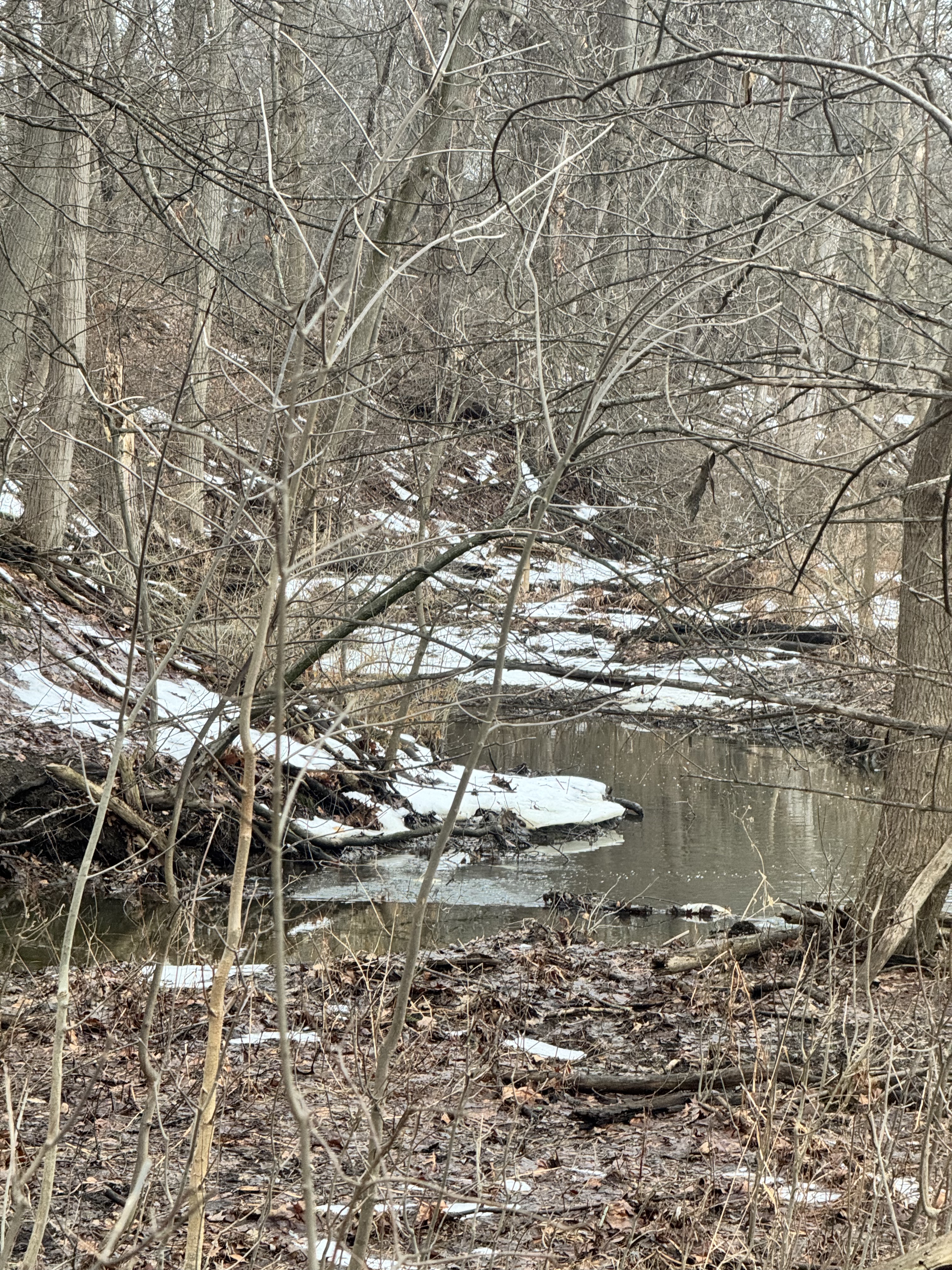
Wednesday, February 18.  We had a wonderful reprieve this week, with (slightly) warmer temperatures just over freezing.  It gave all that snow a chance to melt, and us a chance to go for longer walks, and see little peeks of green under brown leaves.  Snow is predicted again for the weekend – it must be February in the Great Lakes! – but with the light growing and a bird calling here and there, we are that bit closer to spring. In the middle east of course, the rainy season continues – grains planted earlier are growing, and some crops such as beans and vegetables are still being sown. 

We begin the month of Adar with a shift toward joy – we are commanded to immerse ourselves in hilarity, laughter and play as we head toward the holiday of Purim in the middle of the month.  It is a time to remember, re-create, or create from scratch, the giddy happiness of children.  The Purim holiday itself gives us something to focus on – what will our costumes be, what silliness can we celebrate with our friends or children or grandchildren, what crazy lyrics can we set to familiar songs, how can we make it fun for everyone?

I’ve been reading lately about the importance of play for the development of children – and the importance of developing a play life for adults.  For children, play is critical to the development of the whole child – social, emotional, physical, spiritual and mental.  For adults, it connects us to others and to the universe, relieves stress, helps us to learn and explore new ways of being.  Dr. Stuart Brown, in his book  Play: How it Shapes the Brain, Opens the Imagination, and Invigorates the Soul, talks about play for adults as well.  He defines eight different play personalities, with many of us crossing over more than one area.  Are you a Joker, a Collector, a Competitor, a Creator, a Director, and Explorer, a Kinesthete, or a Storyteller?[1]

Learning about these areas has helped me realize that you can find joyful play in your life in ways way beyond telling jokes and goofing off with friends (which can be an annual challenge for those of us whose take on life is more earnest).  But Dr. Brown’s approach says, do what is fun for you! It’s still joyful and playful!  As adults with decades of responsibilities, we may find we need to consciously work on learning to play and be joyful.  In Adar, we have permission to make playdates for ourselves daily.  May it become a habit that enlightens our whole year – Chodesh tov! — K. Miriam

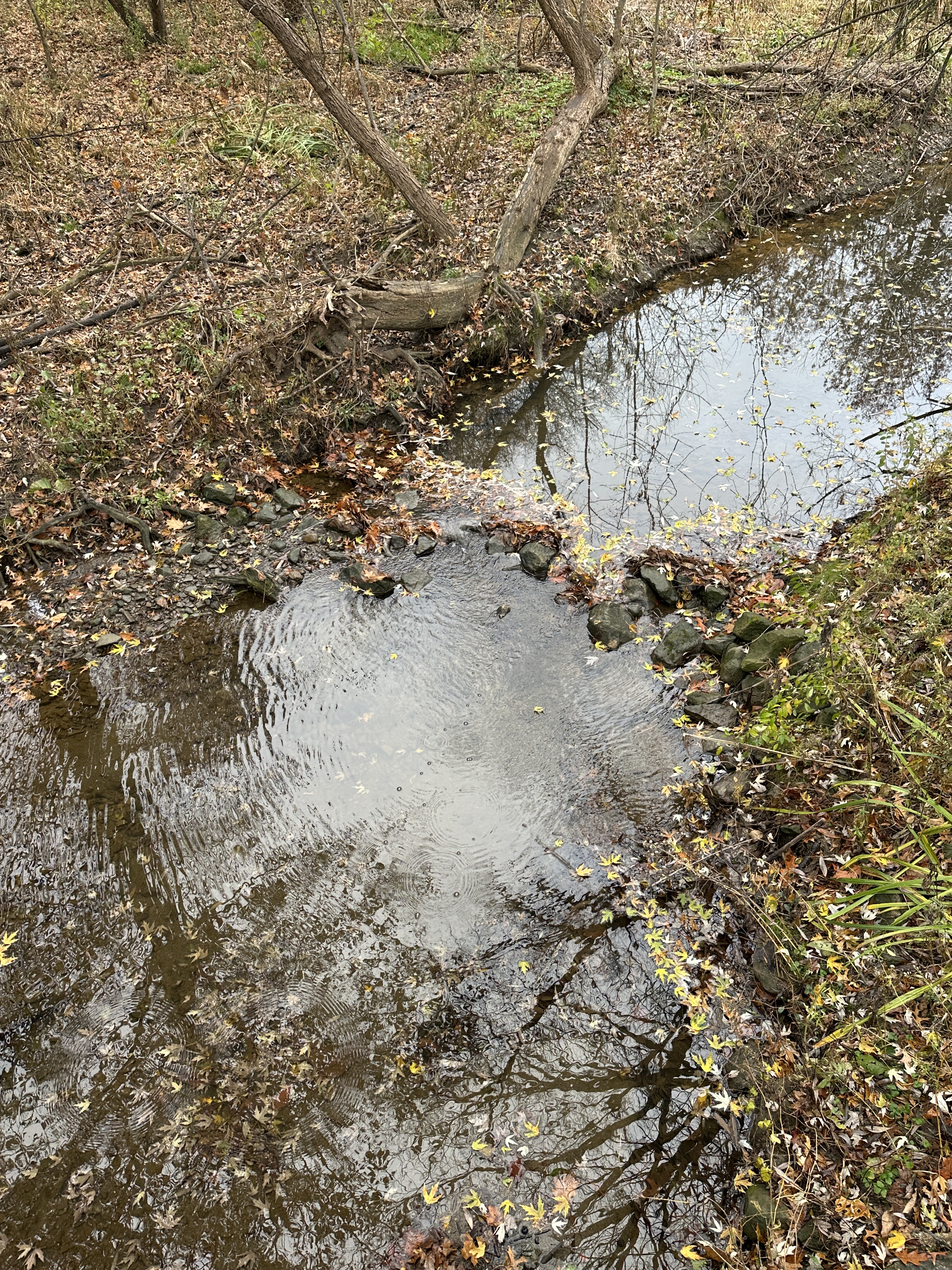
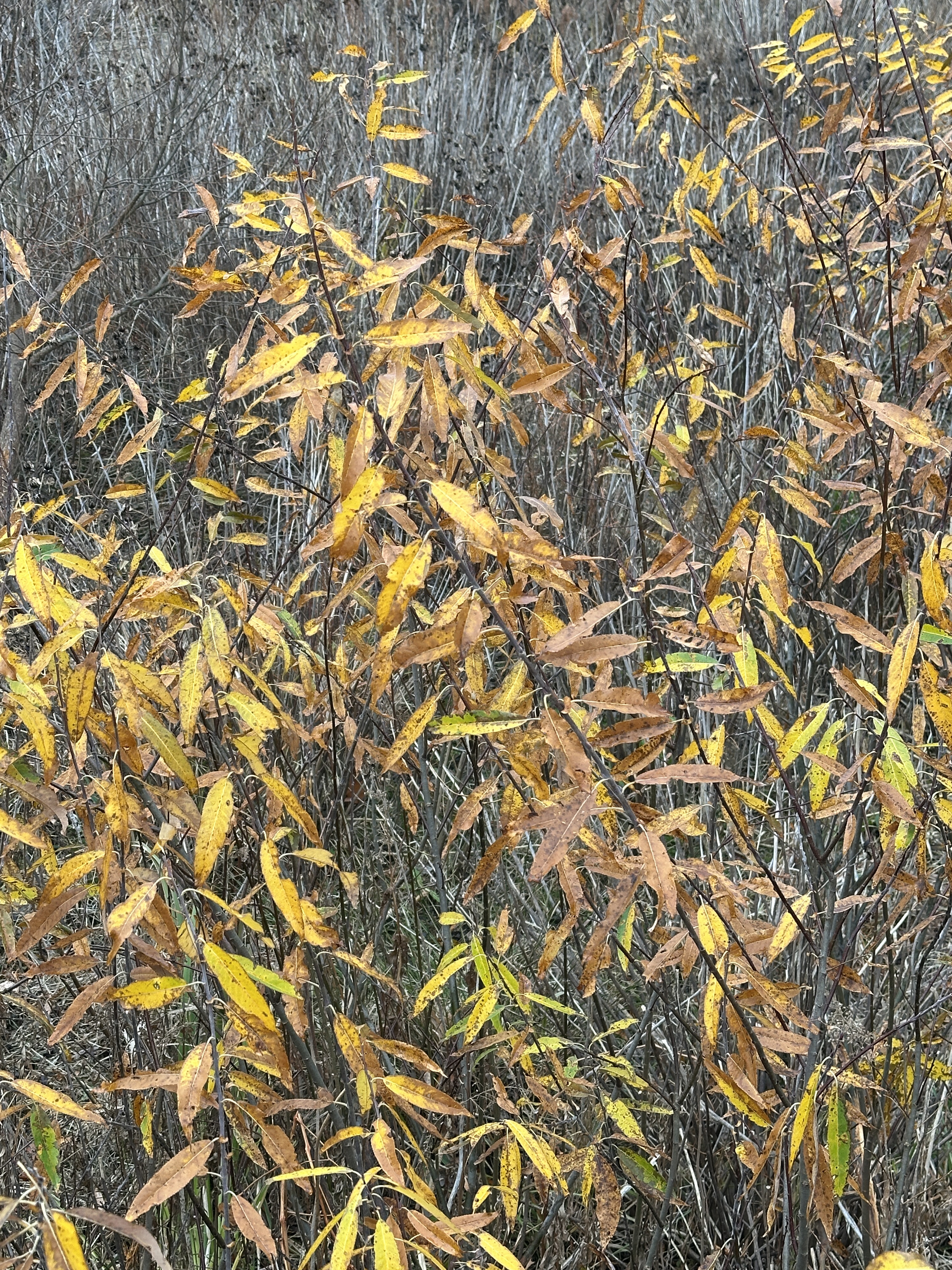
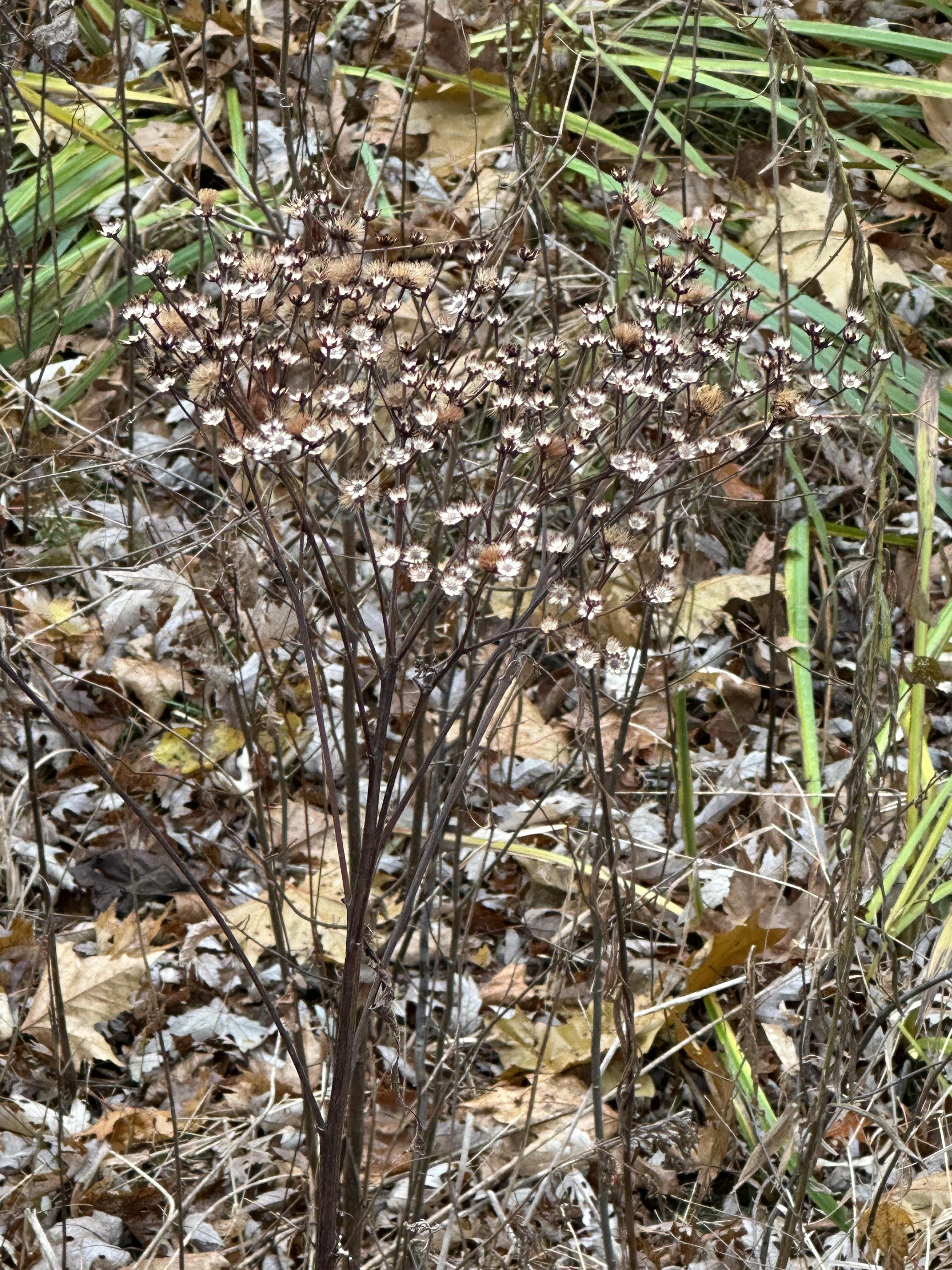
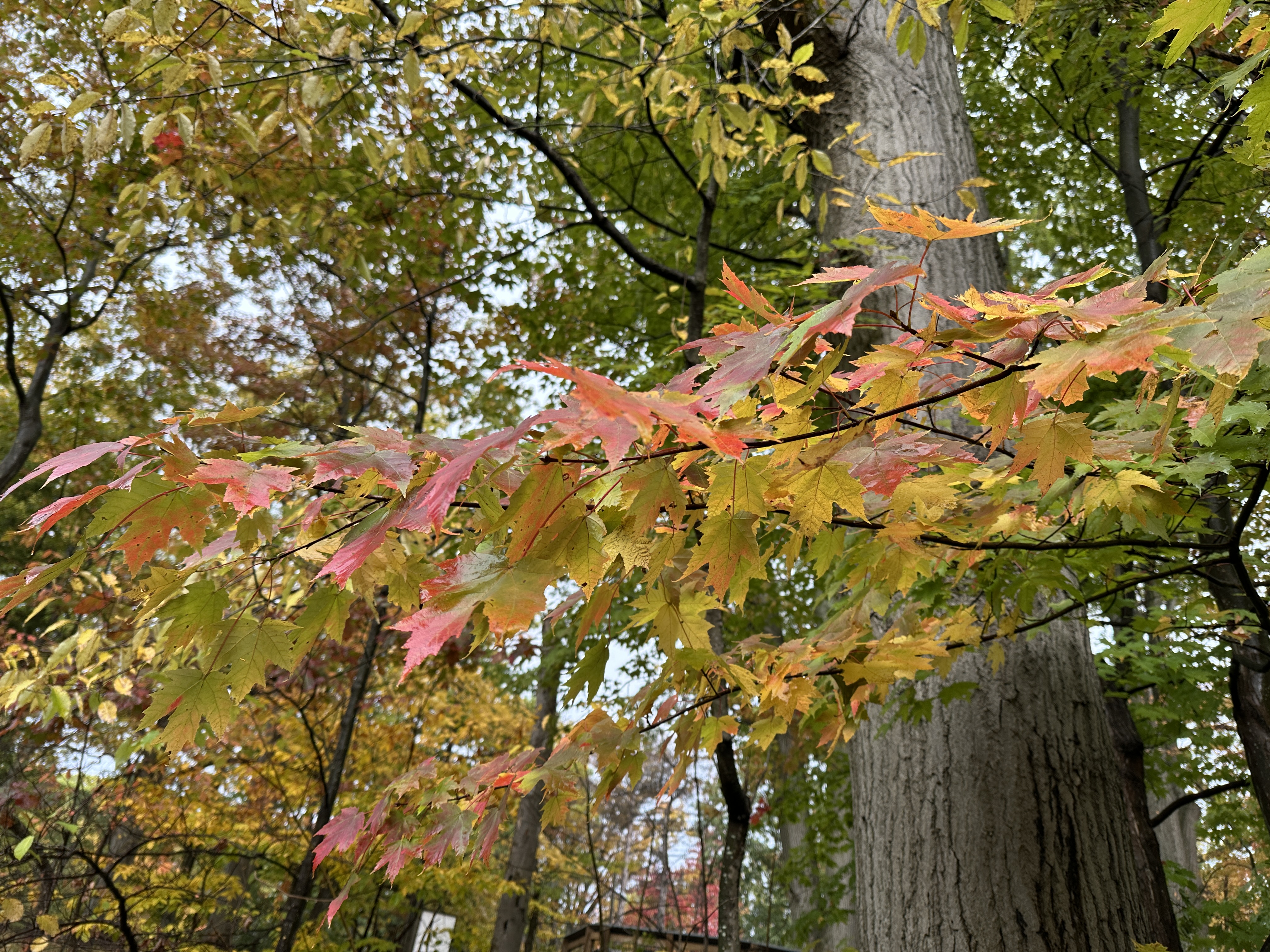
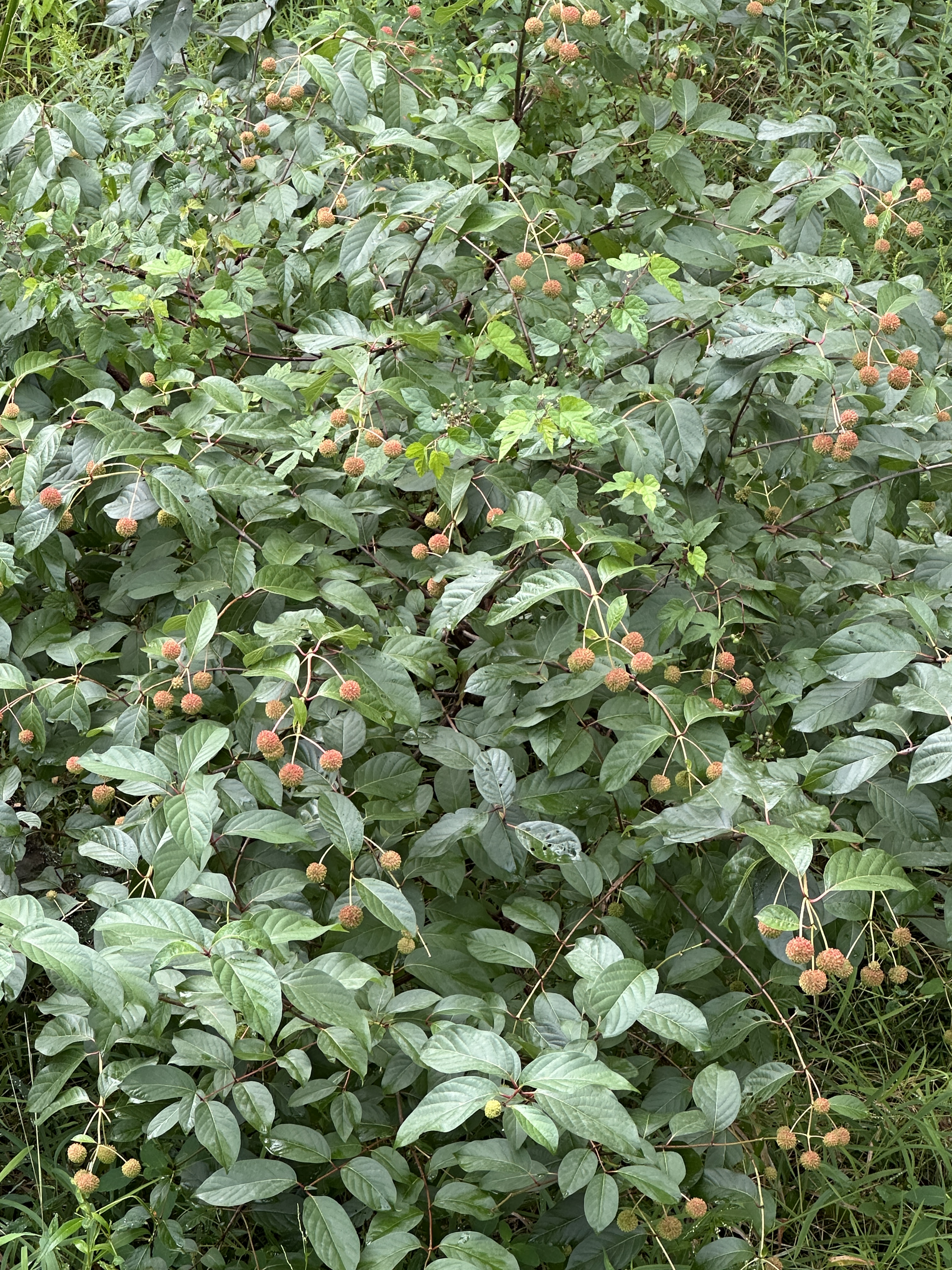
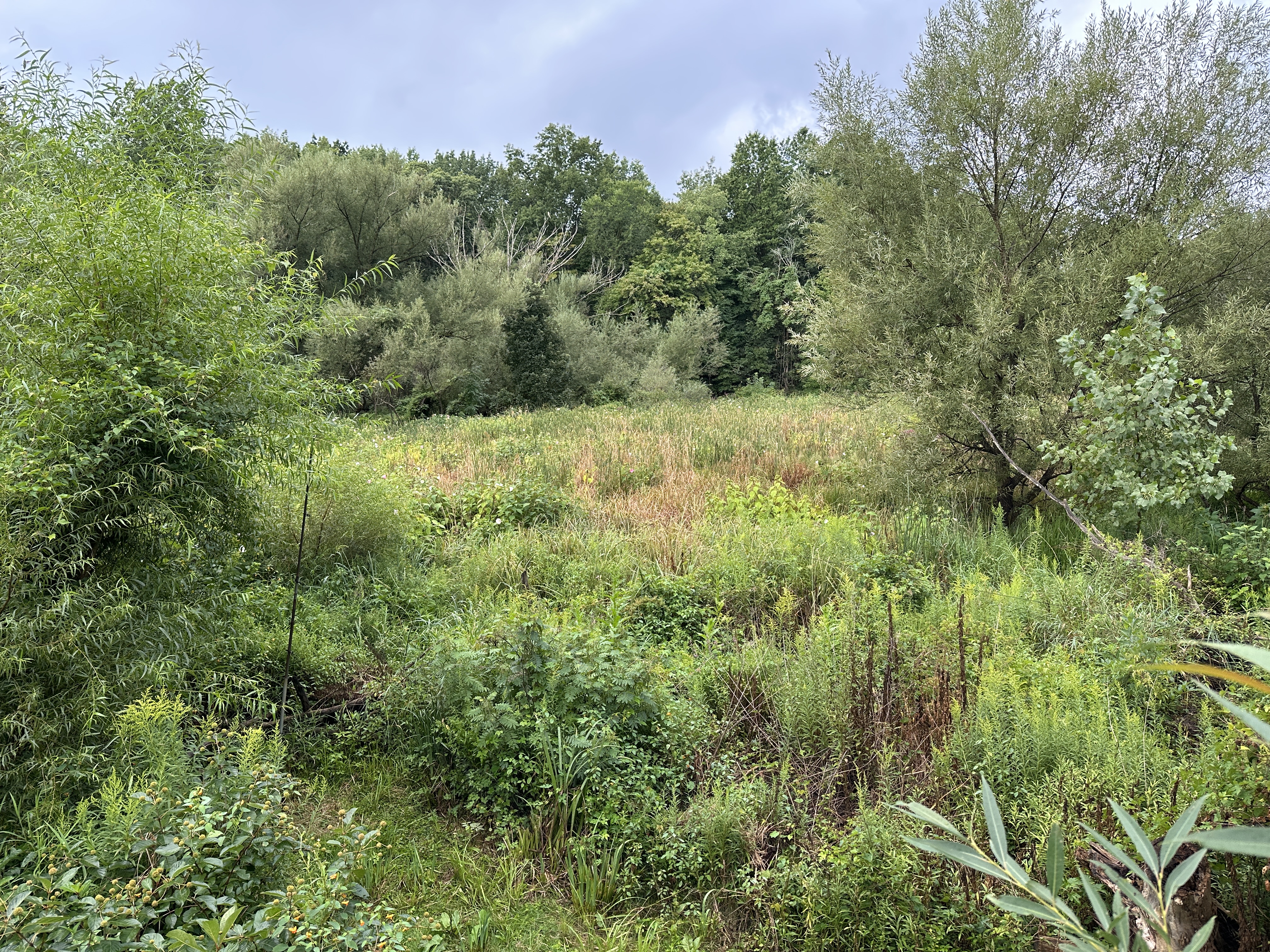
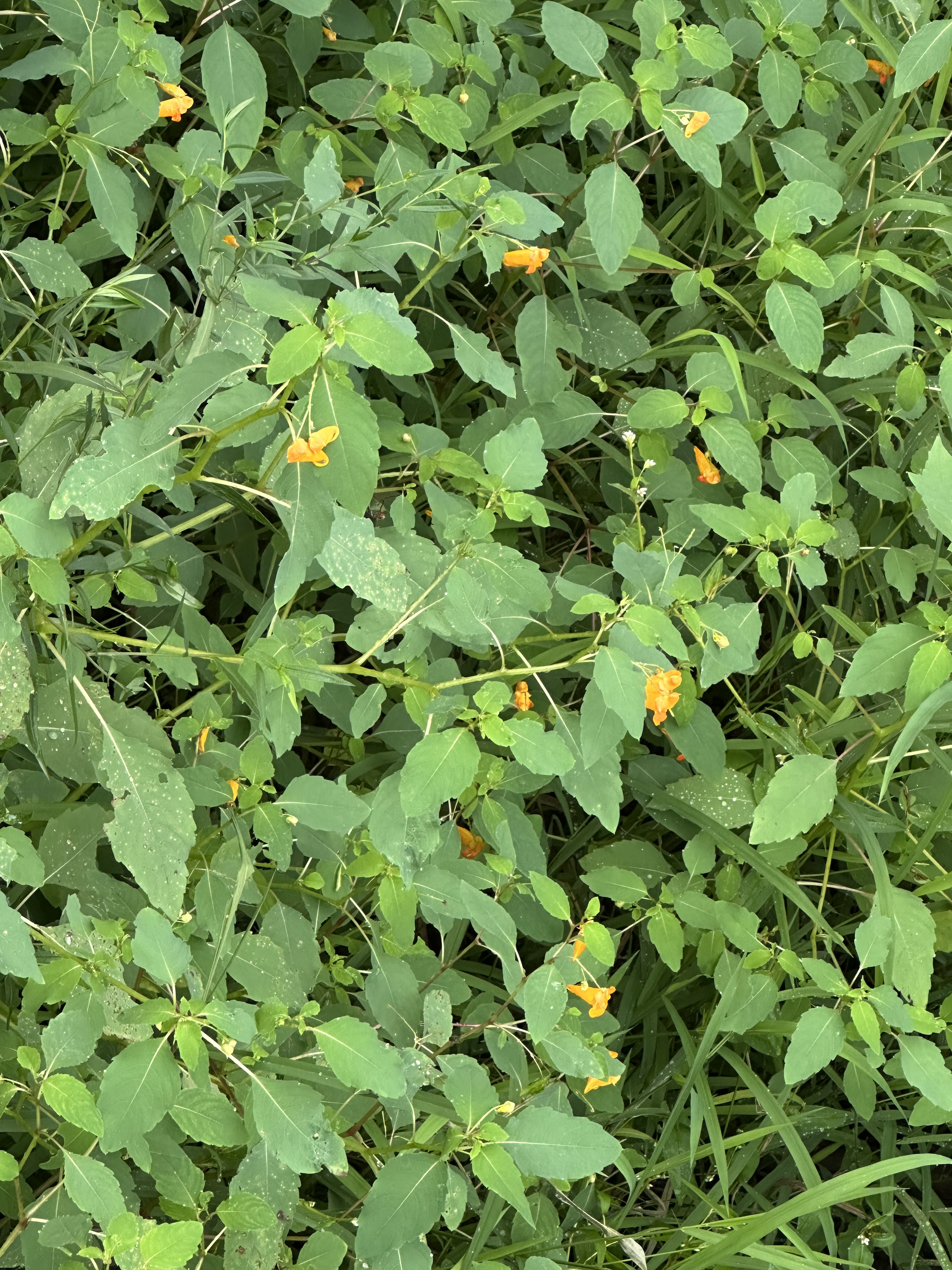
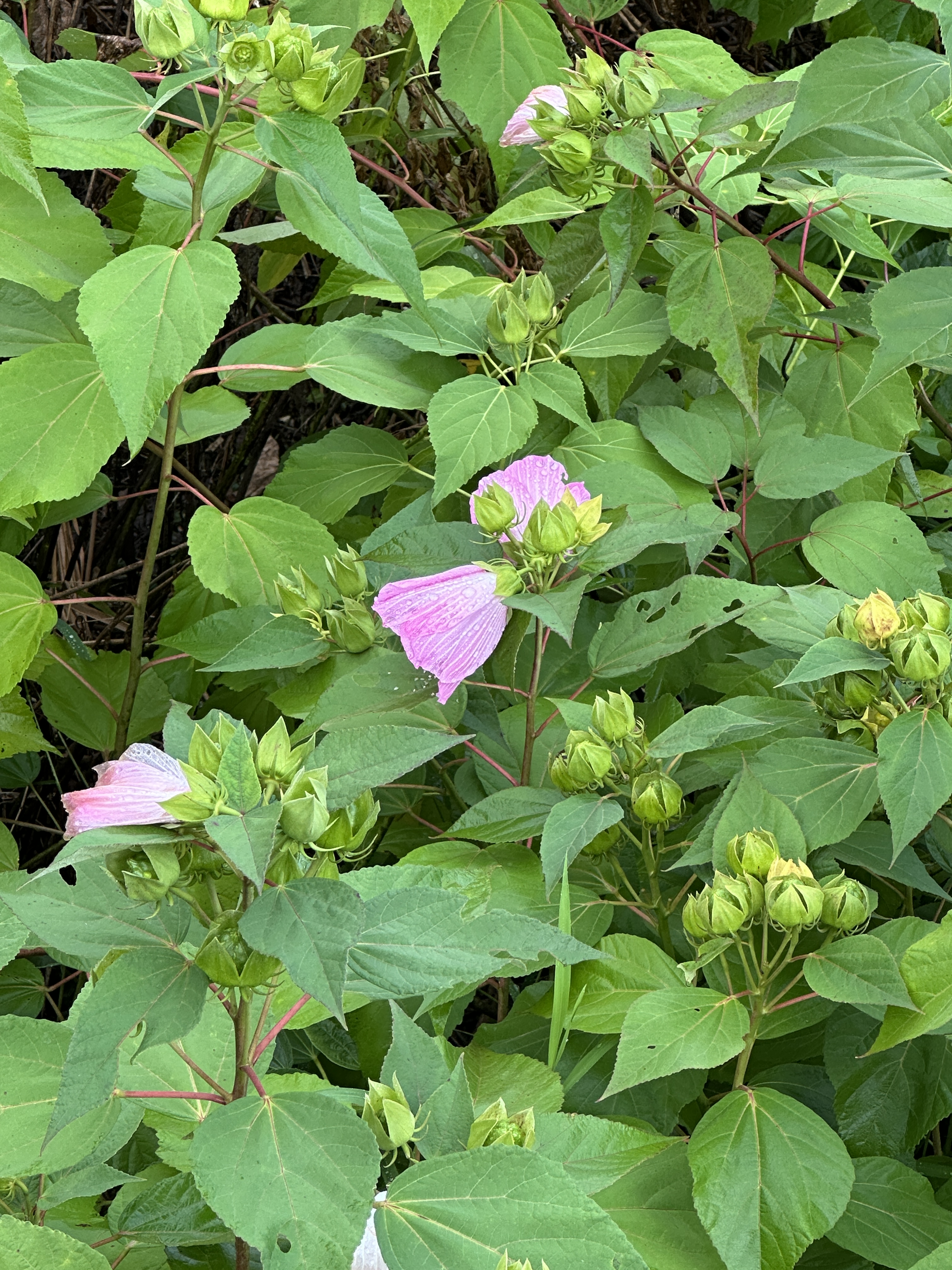
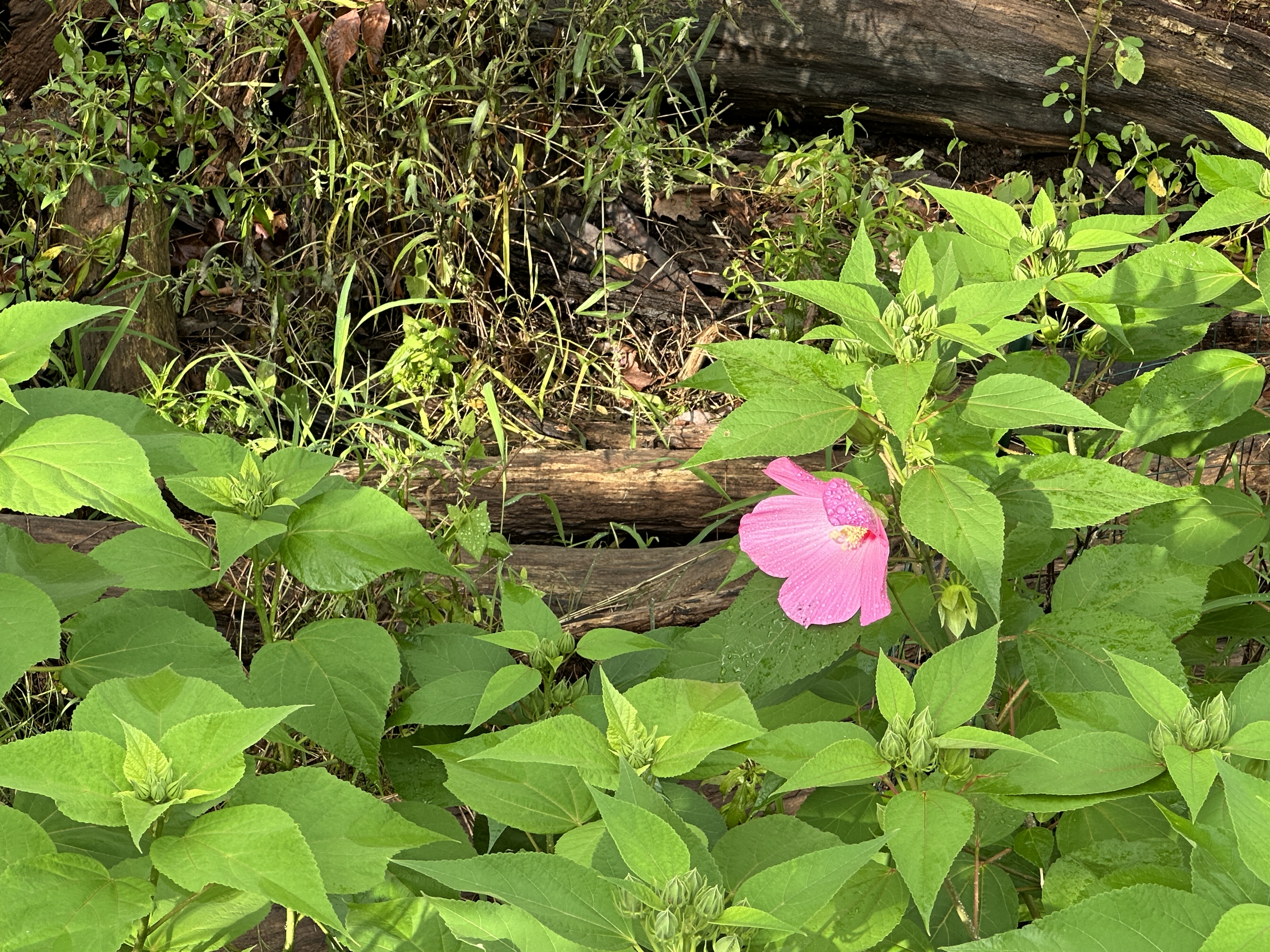
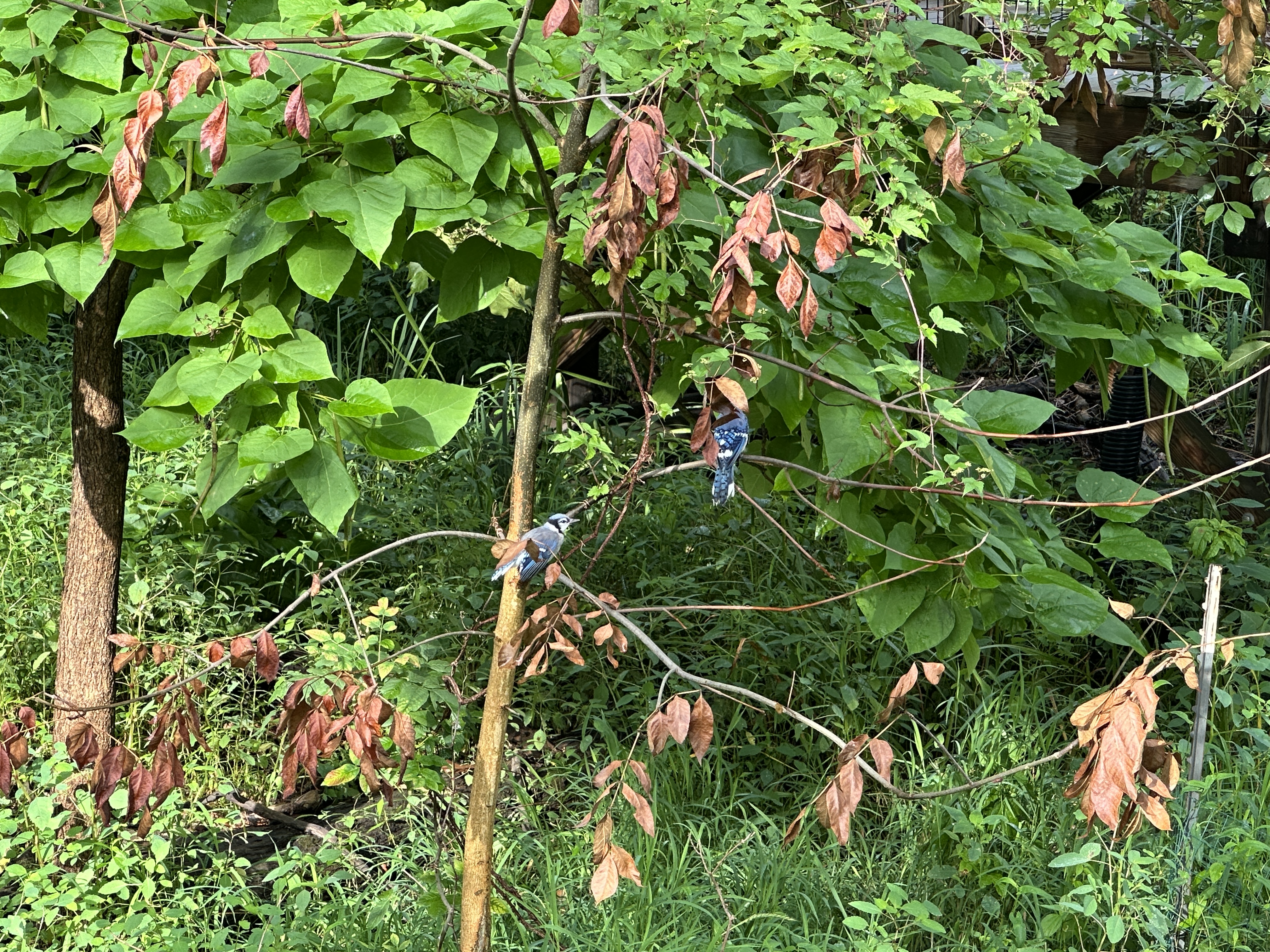
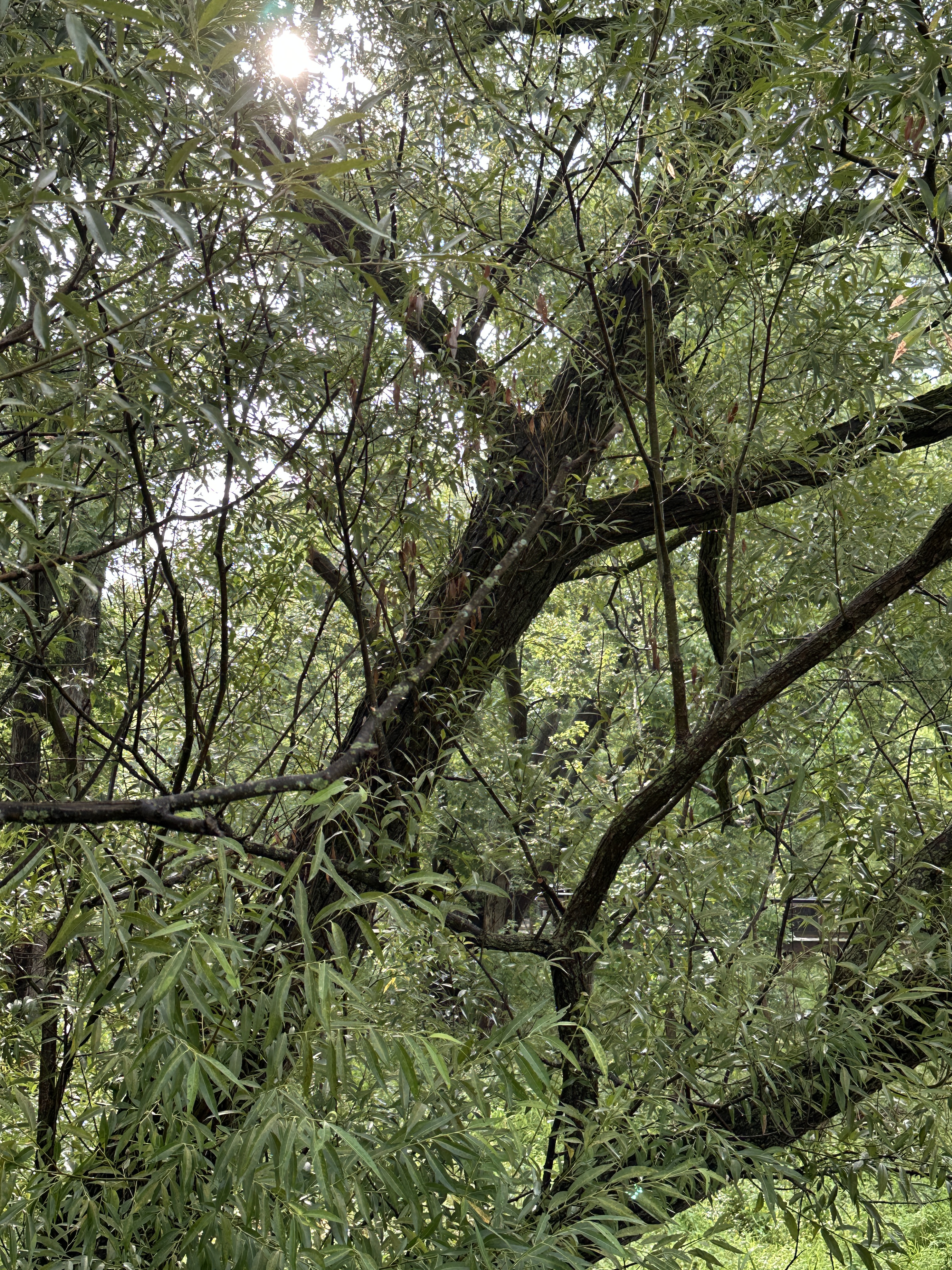
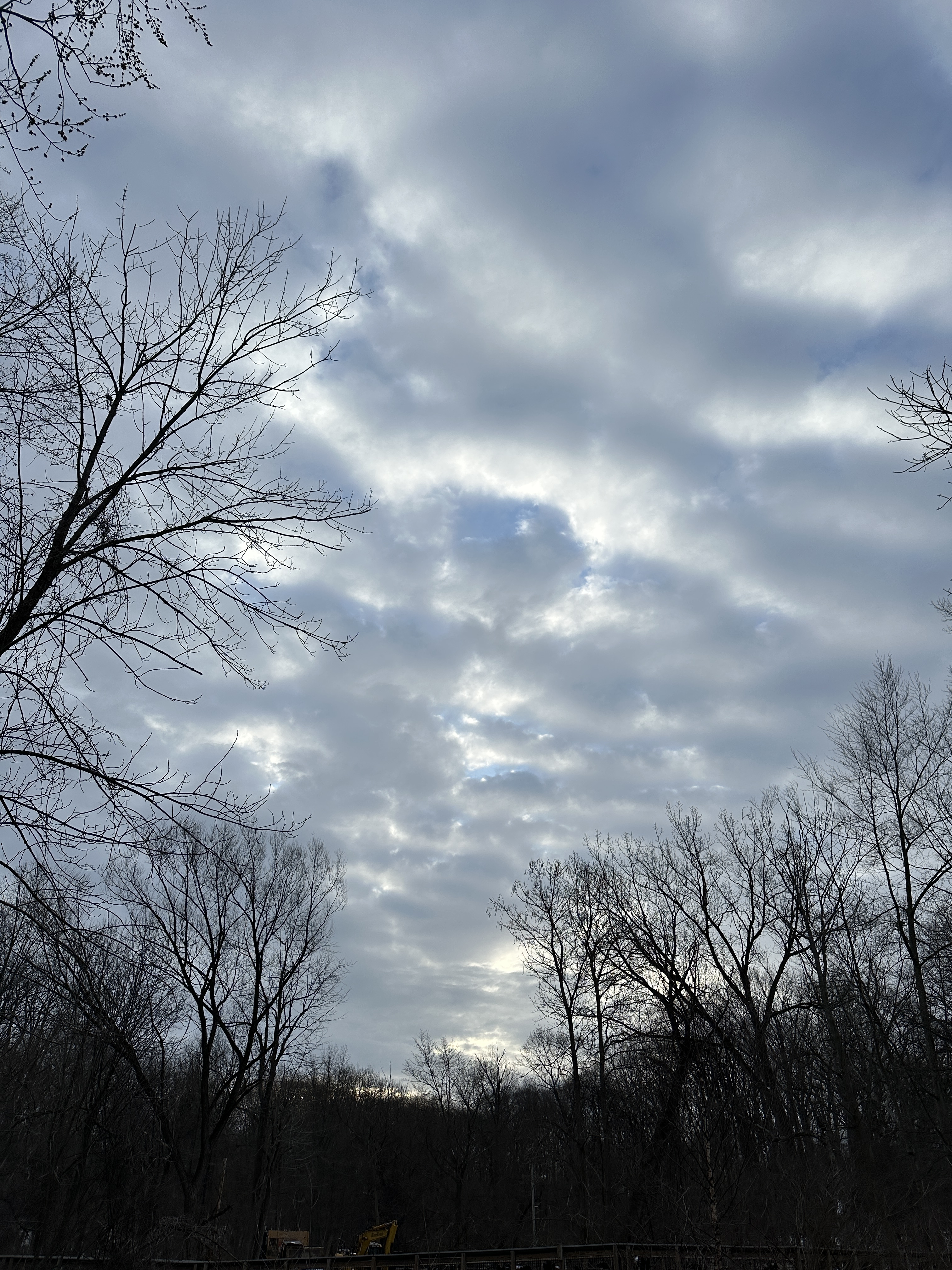
Many thanks to Ann for her beautiful photos of this transitional time of year. 

Our next Rosh Chodesh Walking Meditation will honor the month of Nissan, Thursday, March 19, 8:30 am.  Rain or snow or shine!  Contact us for location.


[1] See https://nifplay.org/what-is-play/play-personalities/

Shvat 5786 שבט

Monday, January 19, 2026.  A cold morning! There was fresh snow and the walkways had good snowy footing, crunchy and dry.  Three of us diehards made it to celebrate the arrival of Shvat, and with it, the first glimmers of hope for spring.  We have made it through the two darkest months, on either side of the winter solstice, and now there is a bit more light in the evenings.  This month in the middle east, trees are beginning to bud.  Here in the Great Lakes, we know we have months to go, but the sap will rise in the trees, and return us to greenery once again. 

Shvat is of course the month when we celebrate trees and the natural world.  This seems like a strange thing to do in winter, but it is just at this point, after the darkest months are past, when we become aware of the increasing light, and renew our hope for the ever-changing cycle of seasons.  New buds will form, new leaves will grow, new crops will mature and ready themselves for harvest.  At the personal level, we will grow into the year and take action on our intentions to create a better world.  We will use our inner work of the past few months to fuel our work in the coming body of the year.  In Shvat, that effort is just beginning – still hidden – sap just rising in our hearts, as in the trees.  It is an auspicious time to plan, to ensure our energies will be well-spent in the coming season.  May we all find renewal of energy and intention, and make good and effective plans, as the light increases and the sap rises!  Chodesh tov! – K. Miriam   

Our next Rosh Chodesh Walking Meditation will honor the month of Adar, Wednesday, February 18, 8:30 am.  Rain or snow or shine!  Contact us for location.

Tevet 5786  טבת

Sunday, December 21. This morning was very cold, and too icy on the paths for our usual walks.  We had a lovely talk and contemplation though, and remembered that in the Middle East, rain is falling.

We continued our conversation from last month about the inner transformation that we pursue this time of year, following the High Holy Days, using the image of a caterpillar’s metamorphosis. If we are to make good on the promises we made to ourselves at the holidays for a new life, we must transform.  In Cheshvan we entered the cocoon, breaking ourselves down into basic molecules, abandoning old structures; in Kislev we remained in the darkness, forming up our new bones from elemental discs of memory that remained with us, our fundamental selves.  Now, in Tevet, responding to the lights of Chanukah, we begin to break out of the chrysalis.  This is hard work, causing frustration and anger, requiring patience and some pain.  It is necessary work, and yet it does not stop there – we must continue the process, transforming our negative emotion into goodness.

In the words of poet Maria Popova,

you too possess

this elemental power

of turning

the stone in the heart

into golden dust.[1]

As we experience the difficulty of Tevet, may we also experience its transformation, facing the coming season with hope.  Chodesh tov! — K. Miriam

Our next Rosh Chodesh Walking Meditation will honor the month of Shvat, Monday, January 19, 8:30 am. Rain or snow or shine!  Contact us for location.


[1] Maria Popova, Forgiveness, https://www.themarginalian.org/2025/01/17/forgiveness/

Kislev 5786  כסלו

Friday, November 21, 2025. It’s hard to believe it’s Kislev – but here we are. All the bright maple and ash leaves are down and the steadfast oaks and beeches remain – russet, brown, rust-colored against the gray of the sky and tree branches.  In the middle east, quite a different scenario is happening – harvest is over, the rains have started, and the soil is damp, – and now seeds are sown for the new crop.

Kislev brings two themes:  light, with the coming solstice and the beginning of Hanukah, our festival of lights; and dreams, as the Torah portions we read this month are full of dream stories:  Jacob and his dreamlike wresting with the angel, and Joseph, whose dreams separated him from his family, connected him to fellow prisoners, and ultimately redeemed him in a connection to Pharaoh that allowed him to renew familial relationships. 

Last month we talked of the breaking down that happens in dark Cheshvan, as the light of summer recedes into late fall.  We turned inward after the intensity of the High Holy Days to internalize the promises we made for a renewed life.  We drew parallels to the metamorphosis of a caterpillar,  breaking down into molecules inside the chrysalis.  Scientists tell us that some structures remain – imaginal discs containing the elements that retain memory and are the starter cells for the new creature[1]. During Kislev, our discs of memory and intention begin to form bones – still internally, creating a new framework for the coming year, for making our intentions a reality. This is a dreaming process, carried on under the light of Kislev’s moon. May we find hope as the light begins to grown at Hanukah, and as our ideas for a New Year begin to frame a new reality. Chodesh tov! —K. Miriam

Our next Rosh Chodesh walking meditation will take place on the winter solstice, honoring the month of Tevet, Sunday, December 21, 8:30 am.  Rain or snow or shine! Contact us for location.


[1] See https://www.scientificamerican.com/article/caterpillar-butterfly-metamorphosis-explainer/

Cheshvan 5786 חשוון

Thursday, October 23.  Wet, dark and cold – we bundled up and weathered the rain, reminded that winter – the six months of cold and darkness we have in the Great Lakes – is upon us. At Sukkot, just a week or so ago, we replaced our liturgy’s prayers for summer dew with the prayers for winter rain. In the Middle East, there are also summer and winter – very different from here, but still marking the rhythm of the seasons.  Harvest gives way to resting the soil this month, praying for rejuvenating rain.

As in Scandinavian “mys”, or “hygge”, it’s a time for nesting in warm homes with a fire and a good book.  Cocooning, you might say – which is entirely appropriate for our return to Genesis this month, and the story of Noach, who with his family and a host of fauna, survived the Great Flood in a “cocoon” of an ark.  We talked of the destruction of a moth or butterfly in its cocoon, turning to liquid nothing, and then re-forming into a fully rebuilt and beautiful creature.  So a world, according to our sages, a world of moral decay, was destroyed in the Great Flood, so it could be rebuilt.  Rav Sholom Noach Berezovsky, a Chasidic rebbe and scholar of post-holocaust times, noted however that the source of destruction was not G-d, but the world itself.  G-d merely stepped back, and the world imploded on itself with a force of water from above and below, a consequence of its own depravity.[1] Only then could the world be rebuilt in love for a new and beautiful era.

So we  understand perhaps the destruction that is happening around us, and see in it hope for a better world. Cheshvan is a month without holidays, the beginning of the darkness of winter, a time for introspection and cocooning.  May we use it to regroup, come close to G-d and family, and restore our inner hope and resolve to build a better world. Chodesh tov! —K. Miriam

Our next walking meditation will honor the month of Kislev, Friday, November 21, 8:30 am, rain or snow or shine!  Contact us for location.


[1] See R. Sholom Noach Berezovsky, Netivot Shalom, https://korenpub.com

Tishrei 5786  תשרי

Monday, September 22, 2025.  We met a day before Rosh Hashana to welcome the New Year and the High Holy Days.  The weather was warm and the sky was clear – early fall in the Great Lakes is wonderful, with the lake keeping temperatures moderate and the leaves just beginning to turn. In the middle east, fall and harvest are upon us – grapes, figs, olives, and pomegranates all are brought in as we approach the holiday of Sukkot.

As we enter the New Year, we reflect on our lives and how we can do better in the coming year. We can think about this via the Jewish tradition of asking three questions, inspired by our sage Rabbi Hillel of the Talmud.  He asked,

“If I am not for myself, who will be for me?

But if I am only for myself, what am I?

If not now, when?”[1]

At our synagogue at Slichot, we asked ourselves three questions to help us to review and contemplate a New Year of promise:

What did I do this year that I am proud of?

Where did I fall short, or miss the mark?

What can I do this year in response to these questions?

Arlene Goldfarb, in a pandemic blog, asked:

Will I have enough time?
Will I be able to have a positive influence in the great awakening?
Will I be able to quiet my mind?

Or

Who are we as a people?
What do we stand for?
How do we want to be remembered?[2]

What are your three questions, as you enter the New Year? – may it be one of health, happiness, and hope.  L’Shana Tova! – K. Miriam

Our next Rosh Chodesh walking meditation will honor the month of Cheshvan, Thursday, October 23, 8:30 am.  Rain or shine! Contact us for location.


[1] Rabbi Hillel (Pirke Avot 1:14)

[2] See: https://arlenegoldbard.com/2020/09/18/the-three-questions-pandemic-edition/

Elul 5785 אלול

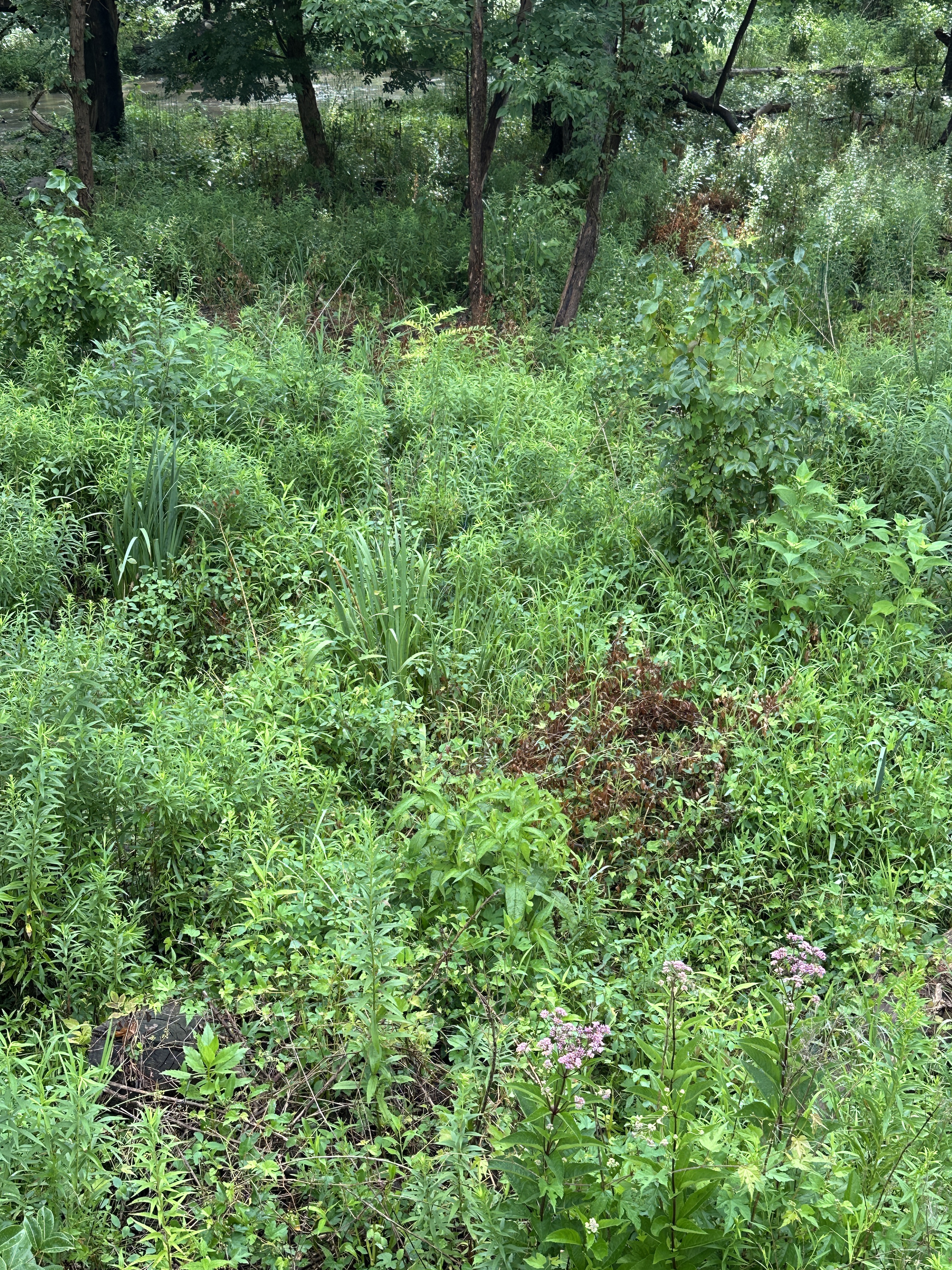
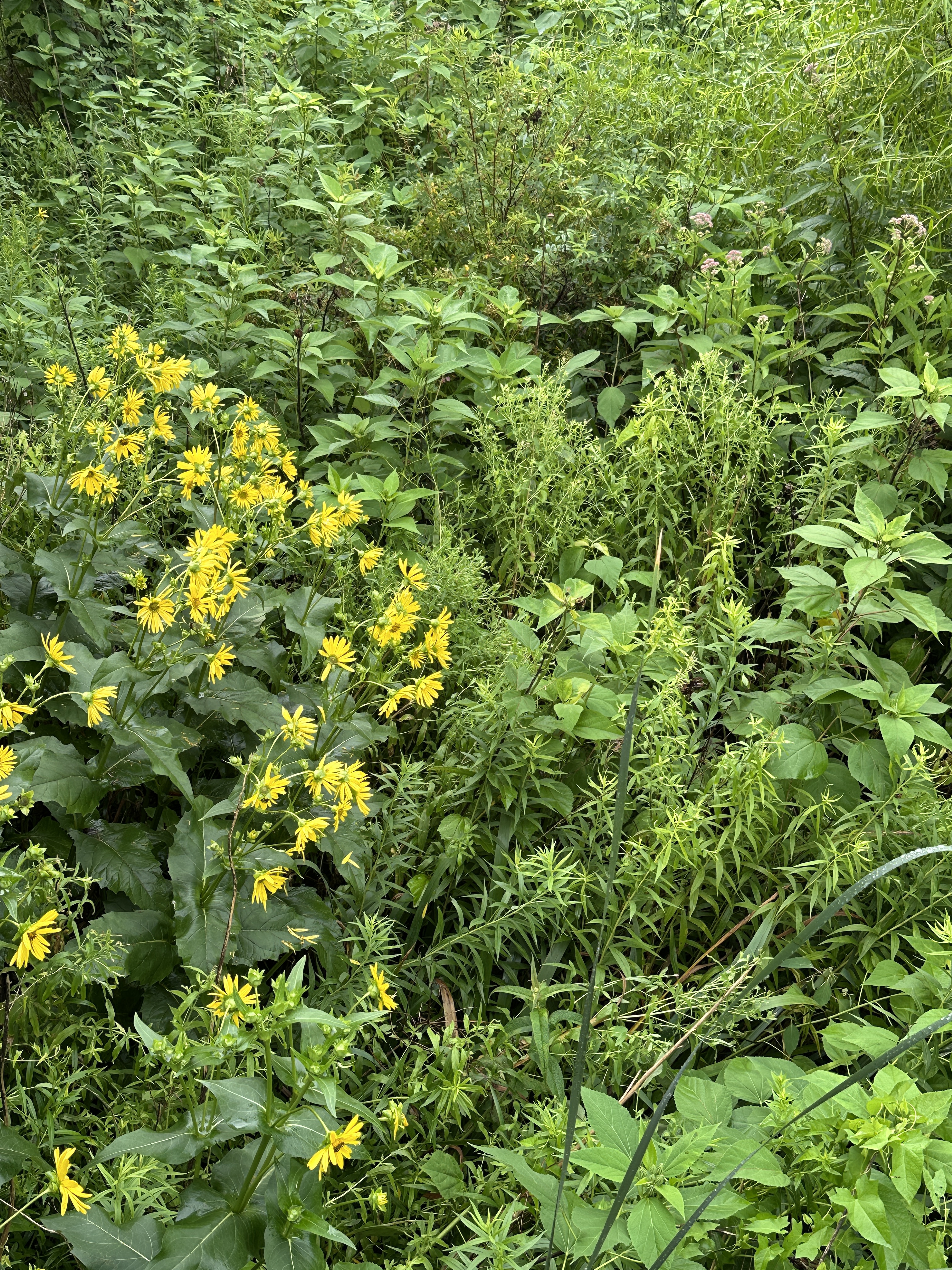
Monday, August 25, 2025.  It was the first cool morning in a while – we were wearing jeans and sweaters, standing under the shelter during a brief shower.  The big rains came last night, enough to flood the creeks. This morning, the air felt fresh and damp, and the leaves were dripping. Flowers are abundant, beginning their transition to fruits.  The birds are beginning their migration – the local bird monitor crew is out doing its work – so many species in this marsh!  We are blessed to live in the Great Lakes with all of this fresh water and greenery.

Our thoughts this month turn to the great work of the month of Elul, preparation for the High Holy Days to come.  We began this process last month with the breaking down of our spirits at Tisha B’Av – now comes the next step, evaluation of our year and beginning to frame up how we would like to do better.  Rabbi Rachel Barenblatt, in her Velveteen Rabbi blog, suggests that the cycle of the Jewish year spirals upward like the center of the Guggenheim Museum – always returning to the same place, but also always in a new one.  We are not the same people we were last year, and next year we’ll be different yet. [1]

We talked of the immanence of G!d during this season, so close to us as we challenge ourselves to see our worst and our best.  Rabbi Barenblatt reminds us of the vision of our sages, that the majestic G!d the King leaves the palace and enters the field, to walk beside us daily as we make ourselves vulnerable.  She suggests we talk with G!d – the Divine, the Universe, as you prefer to name it – while walking outdoors or sitting in our homes or our cars.  We also talked of the murkiness of this month, like the swollen creeks full of sediment around us – we enter the season without clarity, not knowing where we will wind up – being open to the process, and appreciating the companionship of the Divine and each other as we go.  May all of us find this process meaningful and hopeful – a good Elul to you!  Chodesh tov! – K. Miriam

Our next Rosh Chodesh walking meditation will honor the New Year, Rosh Hashanah, and the first of Tishrei. NOTE THAT WE ARE MEETING A DAY EARLY THIS YEAR, MONDAY, SEPTEMBER 22, THE DAY BEFORE ROSH HASHANAH, to allow for holiday observance the next day.  Rain or shine! Contact us for time and location!


[1] See https://velveteenrabbi.blogs.com/blog/2025/08/inthefield.html

Av 5785 אב

Shabbat morning, July 26, 2025.  The weather was warm and humid and the landscape lush with greenery, like a rainforest!  It must be summer in the Great Lakes!  We had just had a major storm the night before, so the streams and marsh were swollen and overflowing, the water brown and rushing.  The contrast of our temperate climate with the heavy heat and dryness of the middle east is especially strong in summer.

Av is the second month of the Hebrew calendar year’s summer, following on Tammuz with much the same intensity of heat and light.  However, there is a difference: At Rosh Chodesh Tammuz, we are preparing to descend into the flaming underworld of summer, leading toward the beginning of the Three Weeks of mourning starting with the fast of the 17th of Tammuz, commemorating the siege of Jerusalem.  At Rosh Chodesh Av, we are in the midst of the Three Weeks, headed toward the lowpoint of the Jewish Year, Tisha B’Av, the 9th of Av, when we fast and mourn, remembering the destruction of our Temples in ancient times and many other catastrophes.  And then – the darkness begins to lift.  By Tu B’Av, the 15th of Av, we begin to experience some joy again with the Jewish Valentine’s Day, an auspicious day of love and matchmaking.

Rosh Chodesh Av has additional significance:  in the Torah, it is noted that Aharon (Aaron, Moses’ brother), who traveled with Moses and the Israelites in the desert, died on the first day of Av.  Aharon was the quieter older brother to his “flashy” younger brother: perhaps wiser, perhaps having experienced the loss of his sons – a bit more sober, a better listener, a better sharer of love.  Ben Elterman, a blog writer, notes that Aharon worked for peace among the Jews, which was hard to come by even then among the travelers in the desert.  This peace was more than a “period of no war” – it was an active peace where people collaborated to listen to each other and create harmony among themselves, making peace, Oseh Shalom. [1] Our sages attributed the loss of the temples to dissension and conflict among the Jews.  There is something we can learn here – may we all seek peace actively and by listening, across all of our worlds. – K. Miriam

Our next Rosh Chodesh walking meditation will honor the month of Elul, Monday, August 25, 8:30 am.  Contact us for location.


[1] See https://sixdegreesofkosherbacon.com/2025/07/24/aharon-died-on-the-first-of-av-where-did-the-love-go/

Tammuz 5785 תמוז

Friday, June 27. Summer is in full strength and bloom – walking among the trees and over streams soon after a major storm, we sense the lushness of greenery, and the abundance of water.  The air is warm and grows hot as the sun rises.  What a beautiful morning! – we lingered a little longer in our walking meditation and our reflections.

In the middle east, this month opens the hottest season of the year.  The sun beats down, and people, plants and animals suffer in the heat. Along with the heat comes a sense of abandonment, mourning and catastrophe.  This month we mark the 17th of Tammuz, the beginning of the “3 weeks” leading to Tisha B’Av, which commemorates the fall of Jerusalem.  We therefore associate the month with sadness and despair. One of us brought a source from The Well[1] which talked about the importance of crying as a way of cleansing our hearts – a foundation for hope, ultimately.  The destruction of the summer is clarifying as we begin our journeys toward renewal, the High Holy Days in our sights.

The heat of summer also brings clarity of vision.  We are encouraged to see ourselves and the world as they really are, as distinguished from how we wish they would be. Another of our sources was a brief dvar by Rabbi Michael Unger (private Youtube)[2] where he talks about how good people can do bad things, and bad people can do good things.  None of us is perfect or immune from imperfection; nothing is all one way or all another.  We are real, and human, and complicated.  Perhaps the hopeful sign here is that all we need to be is “good enough”, allowing others to be the same.  May we enter the challenging summer journey with grace and forgiveness, for ourselves and for others.  Chodesh Tov! – K. Miriam

Our next Rosh Chodesh walking meditation will honor the month of Av, Saturday, July 26, 8:30 am.  Rain or shine!  Contact us for location. 


[1] See www.atthewellproject.com

[2] See https://bethelheights.org/