Cheshvan 5786 חשוון

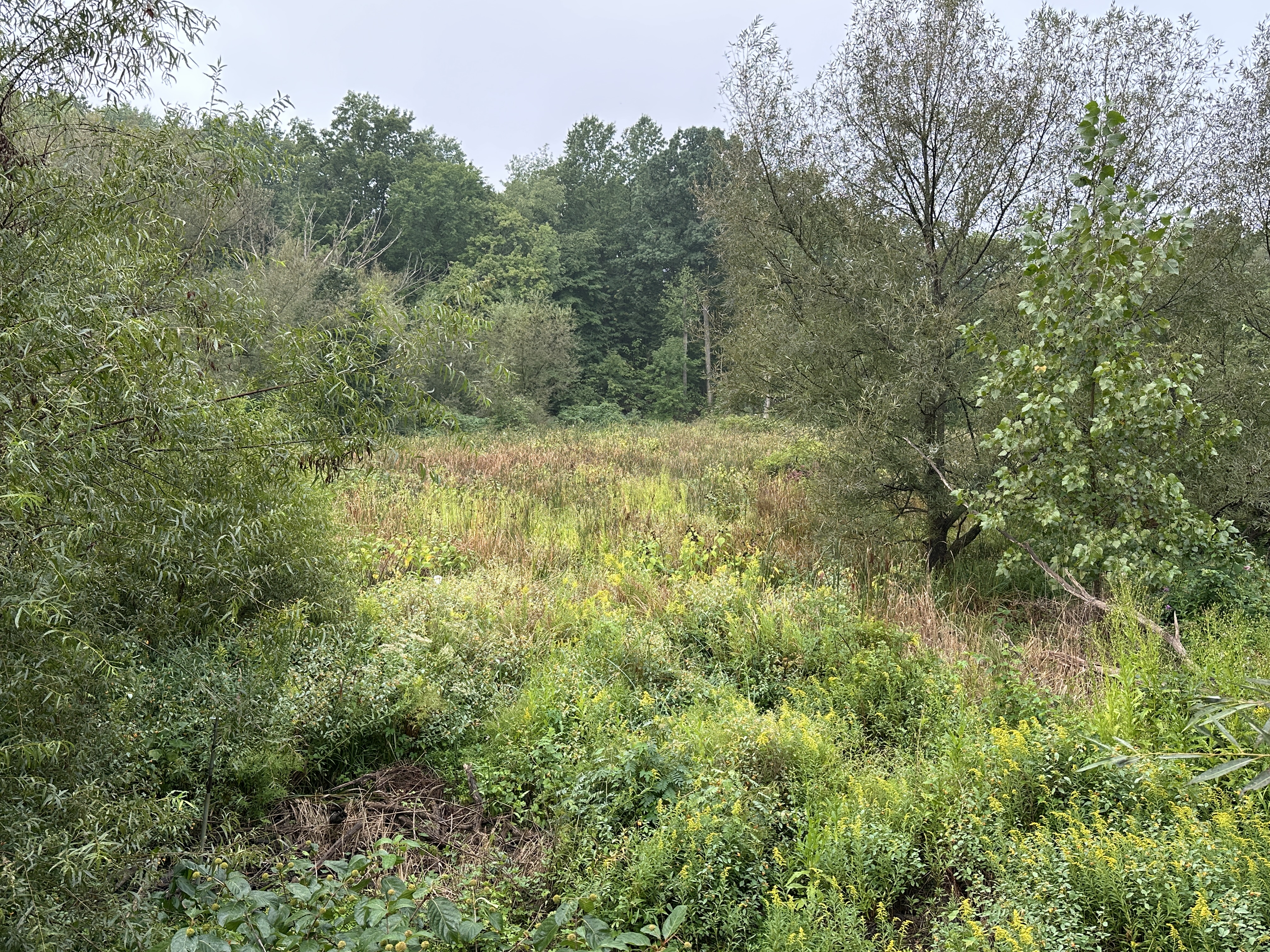
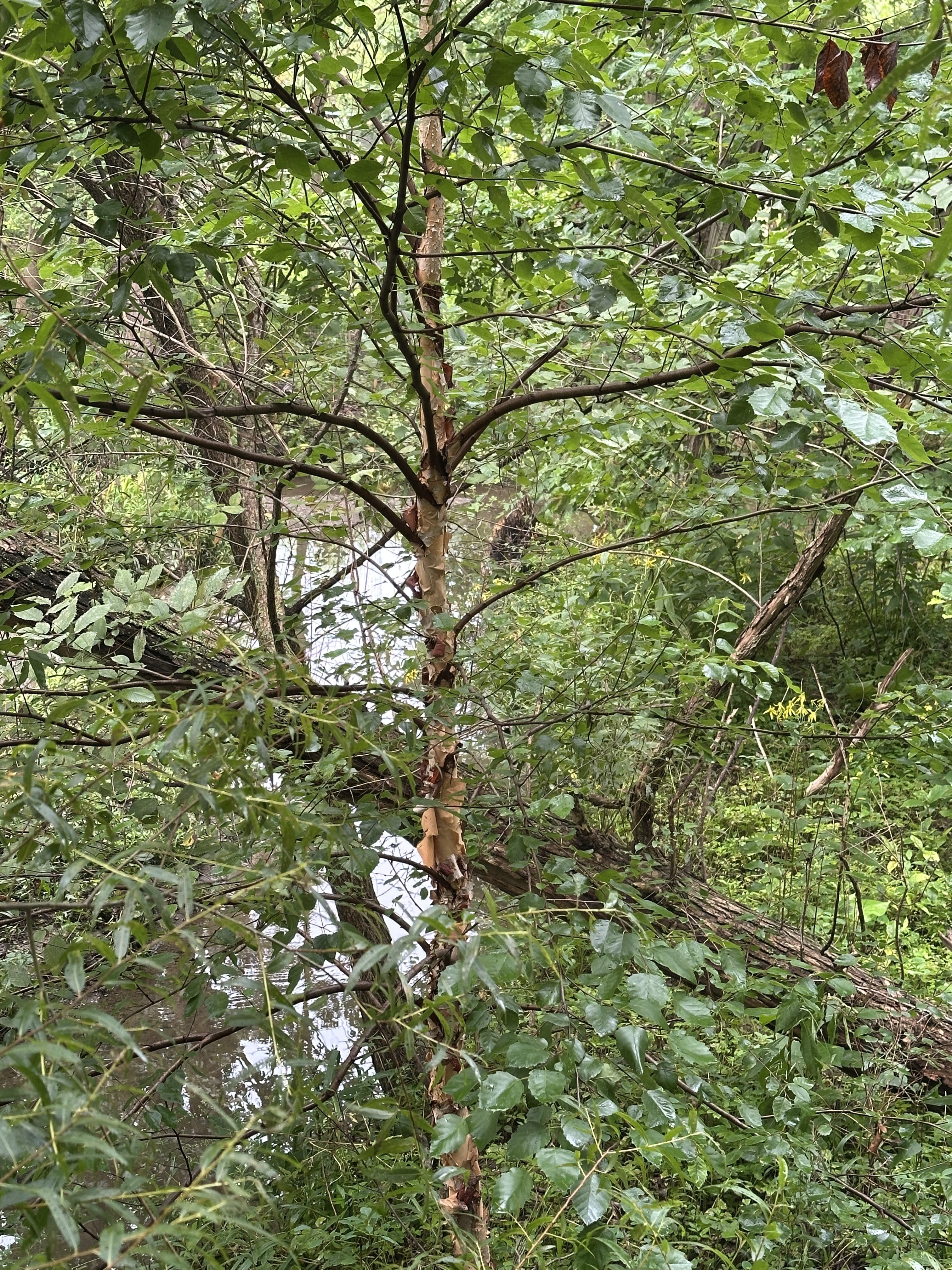
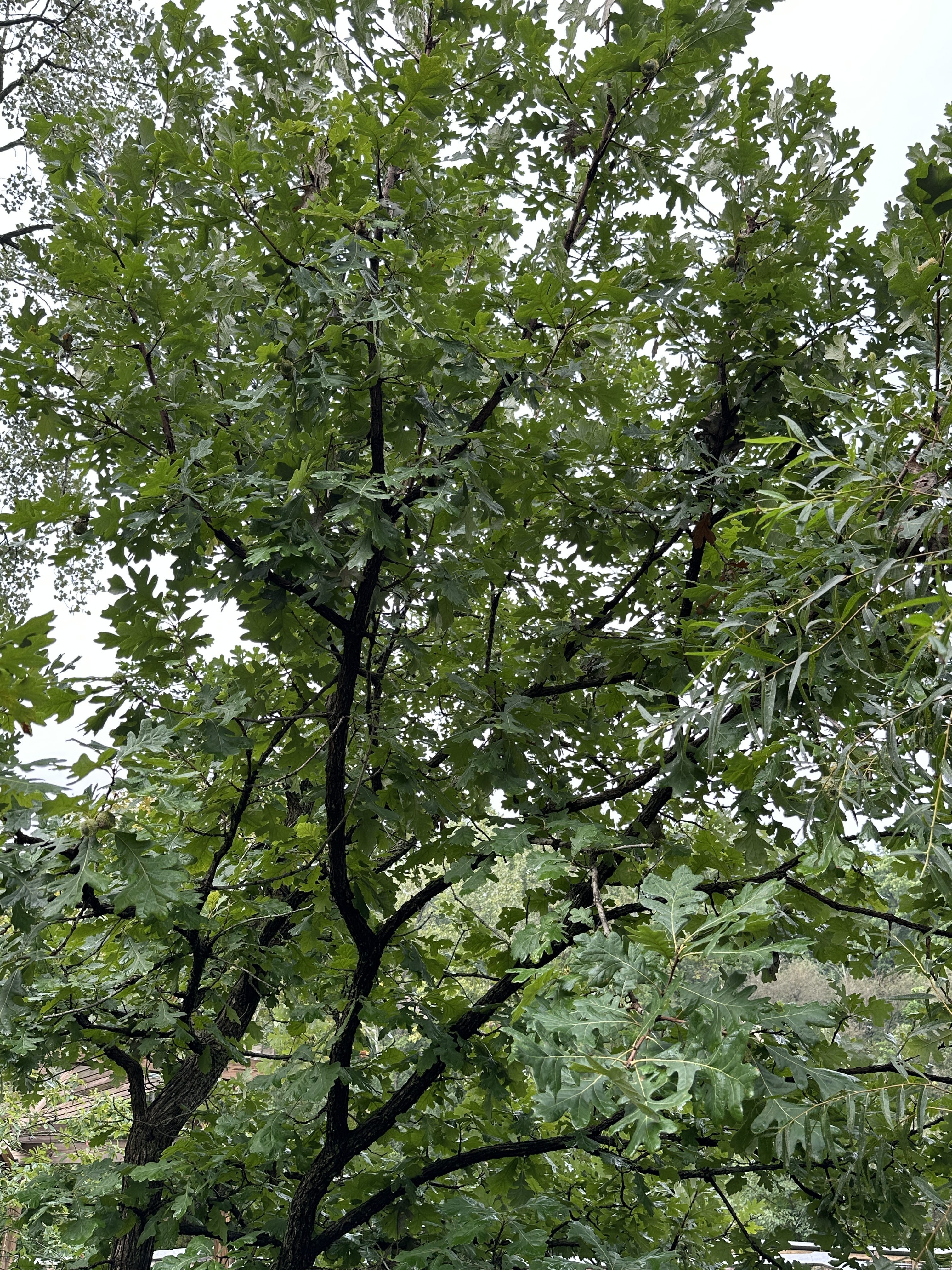
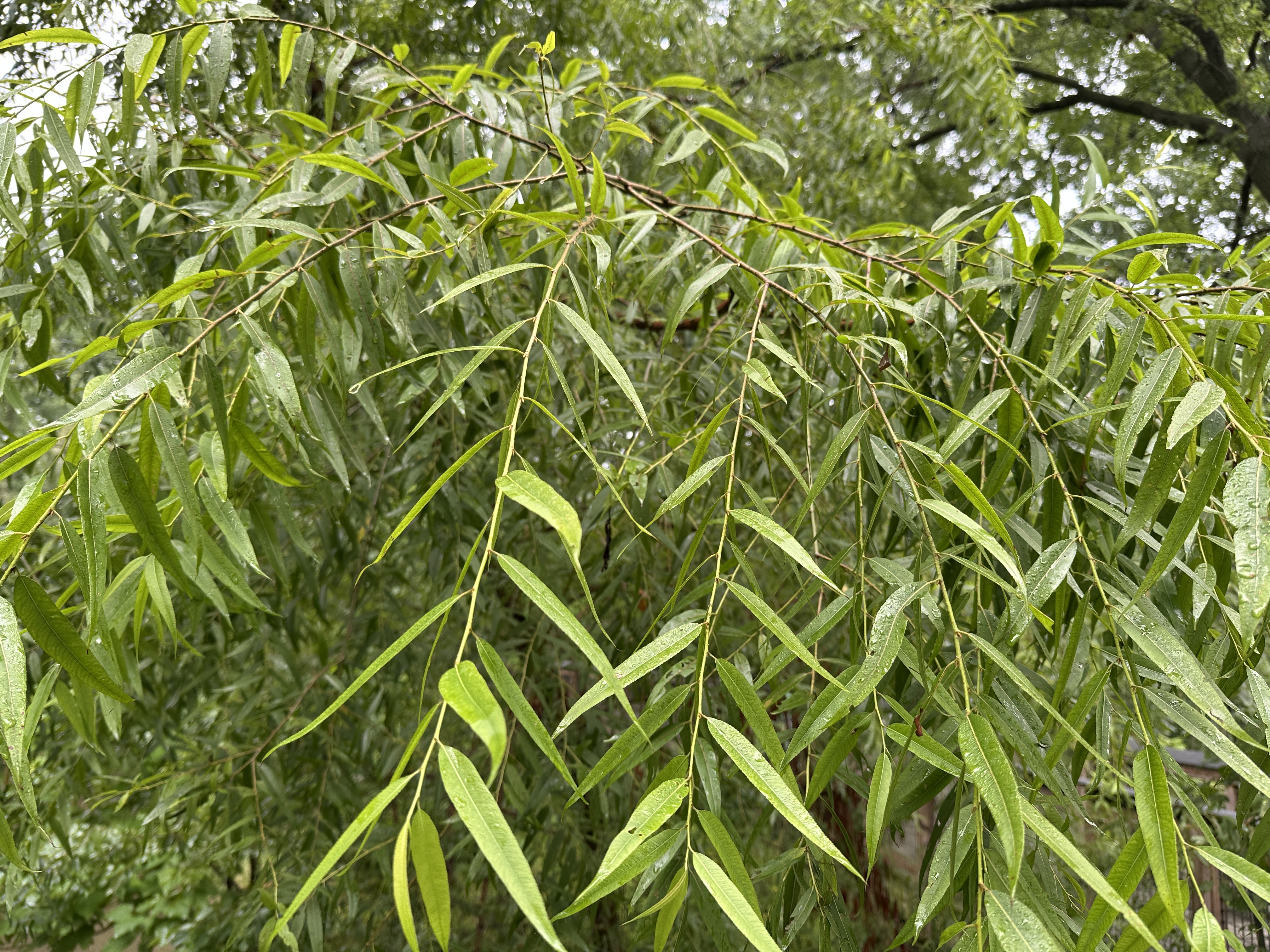
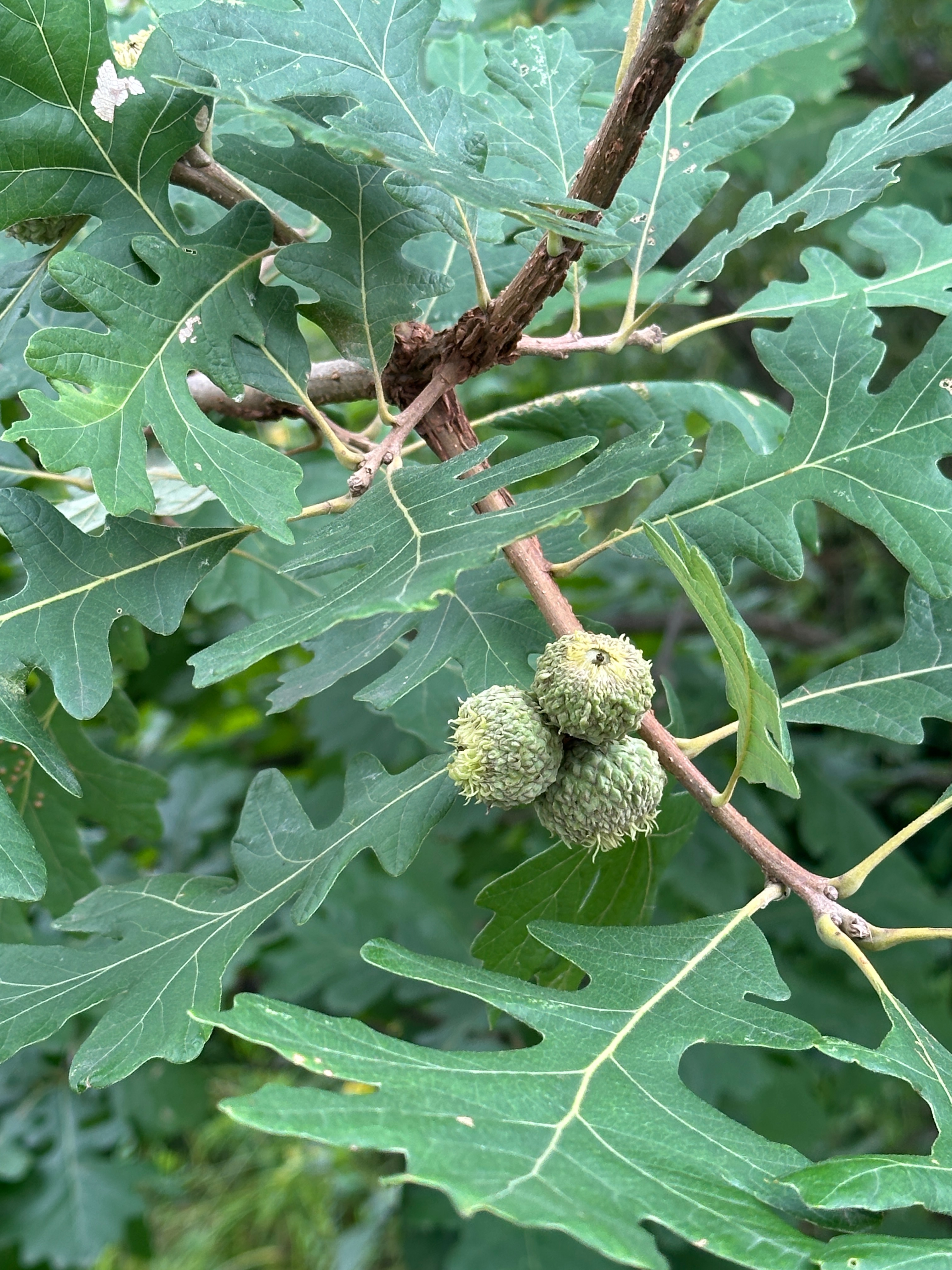
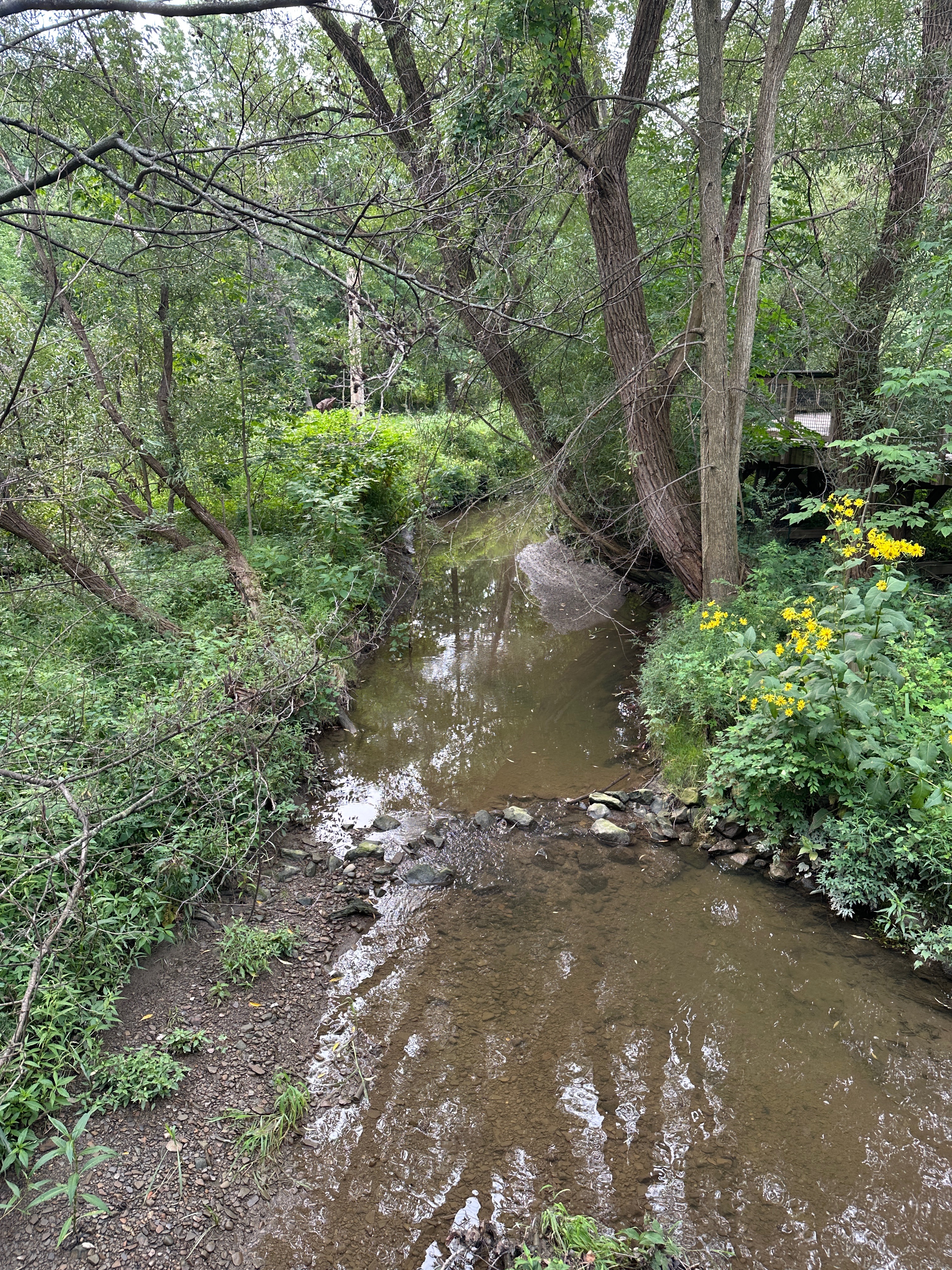
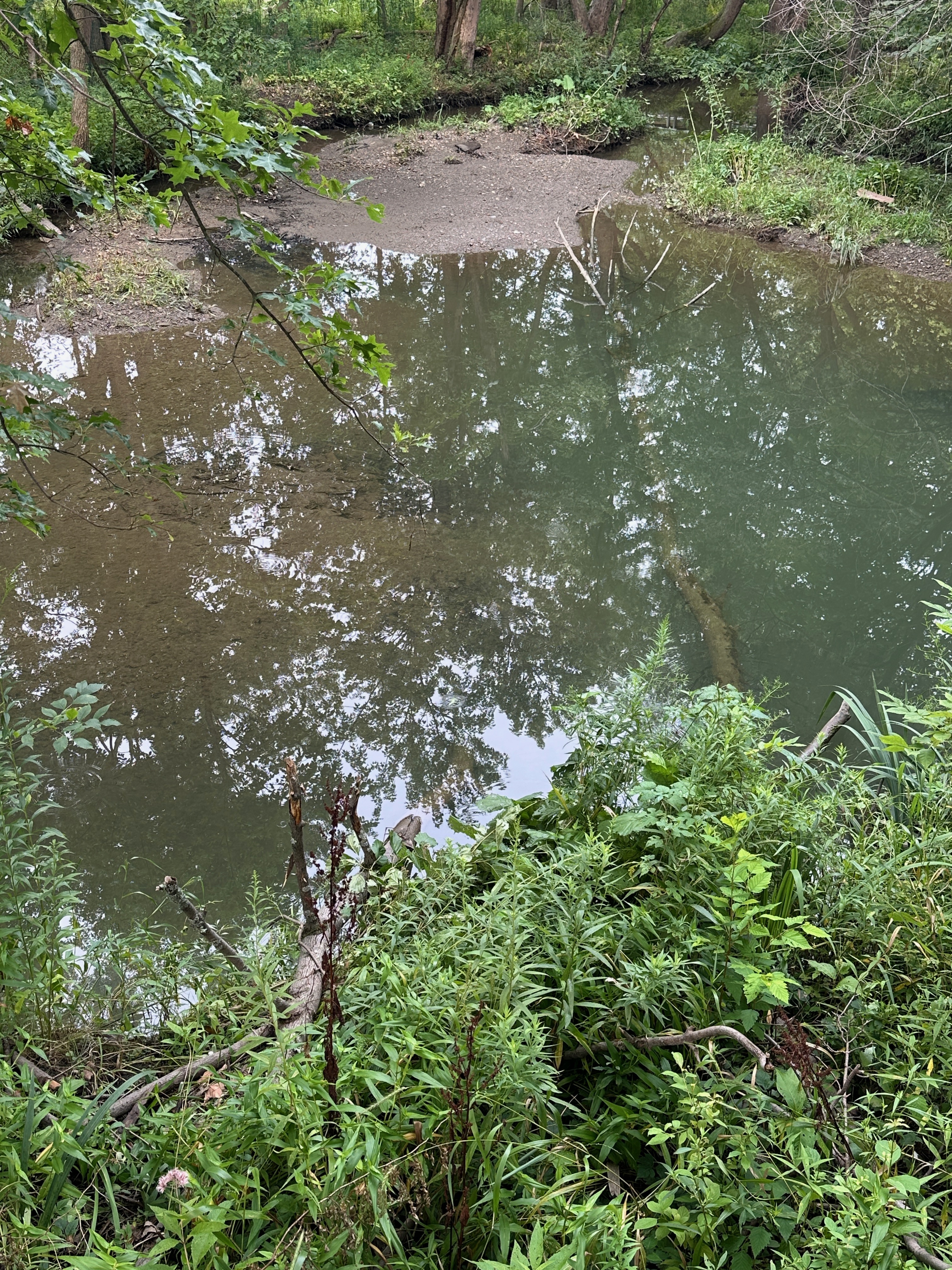
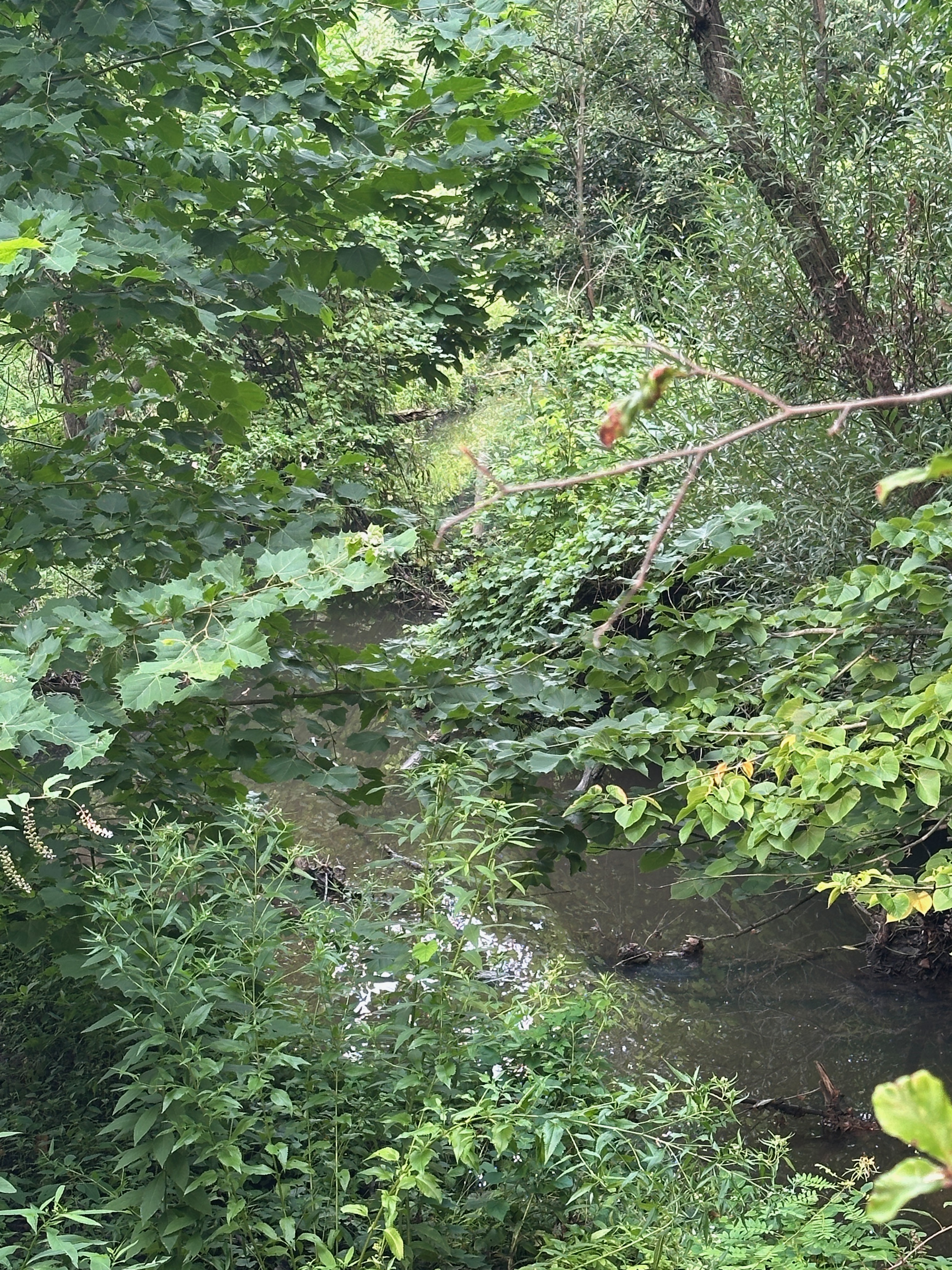
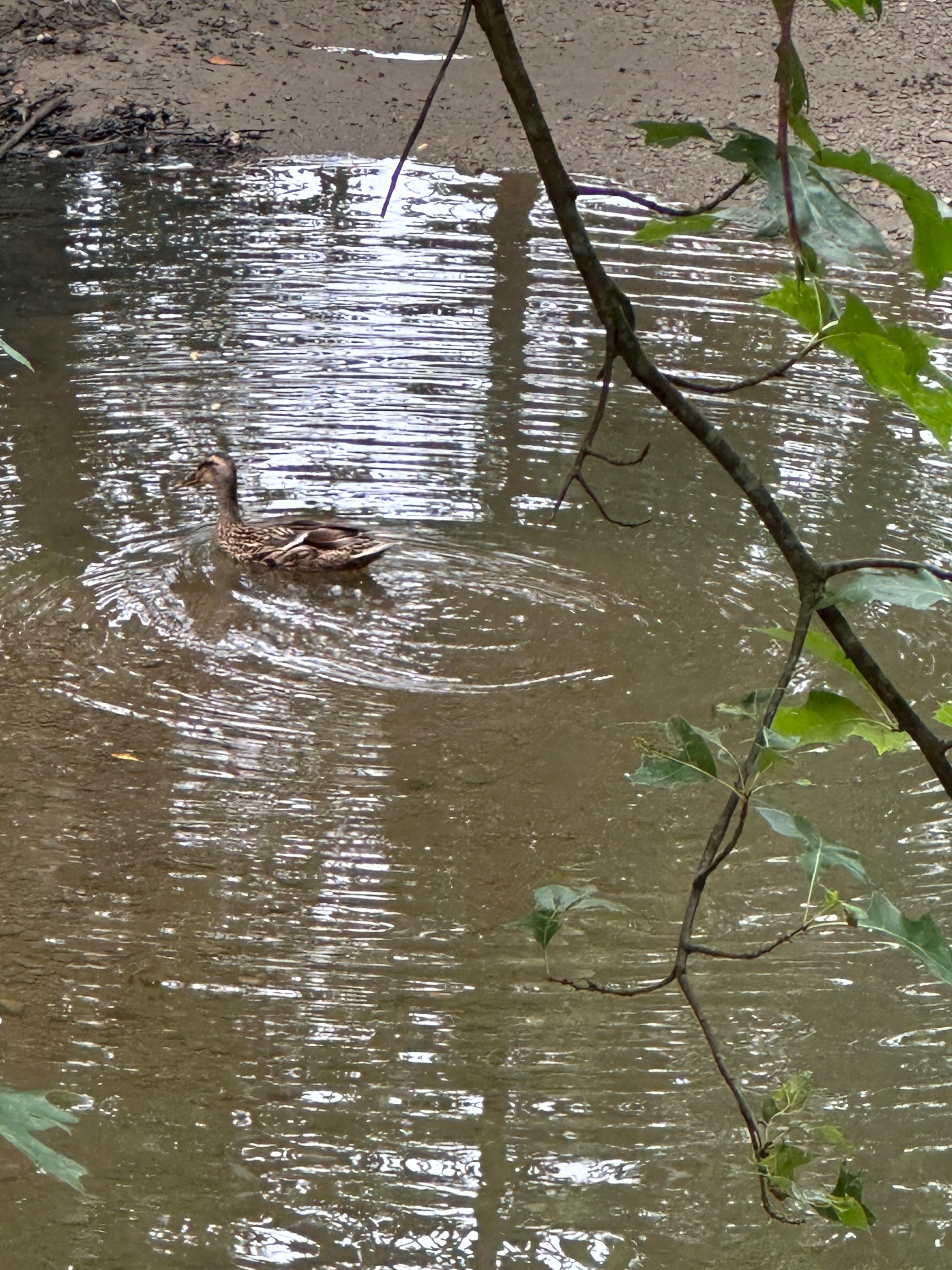
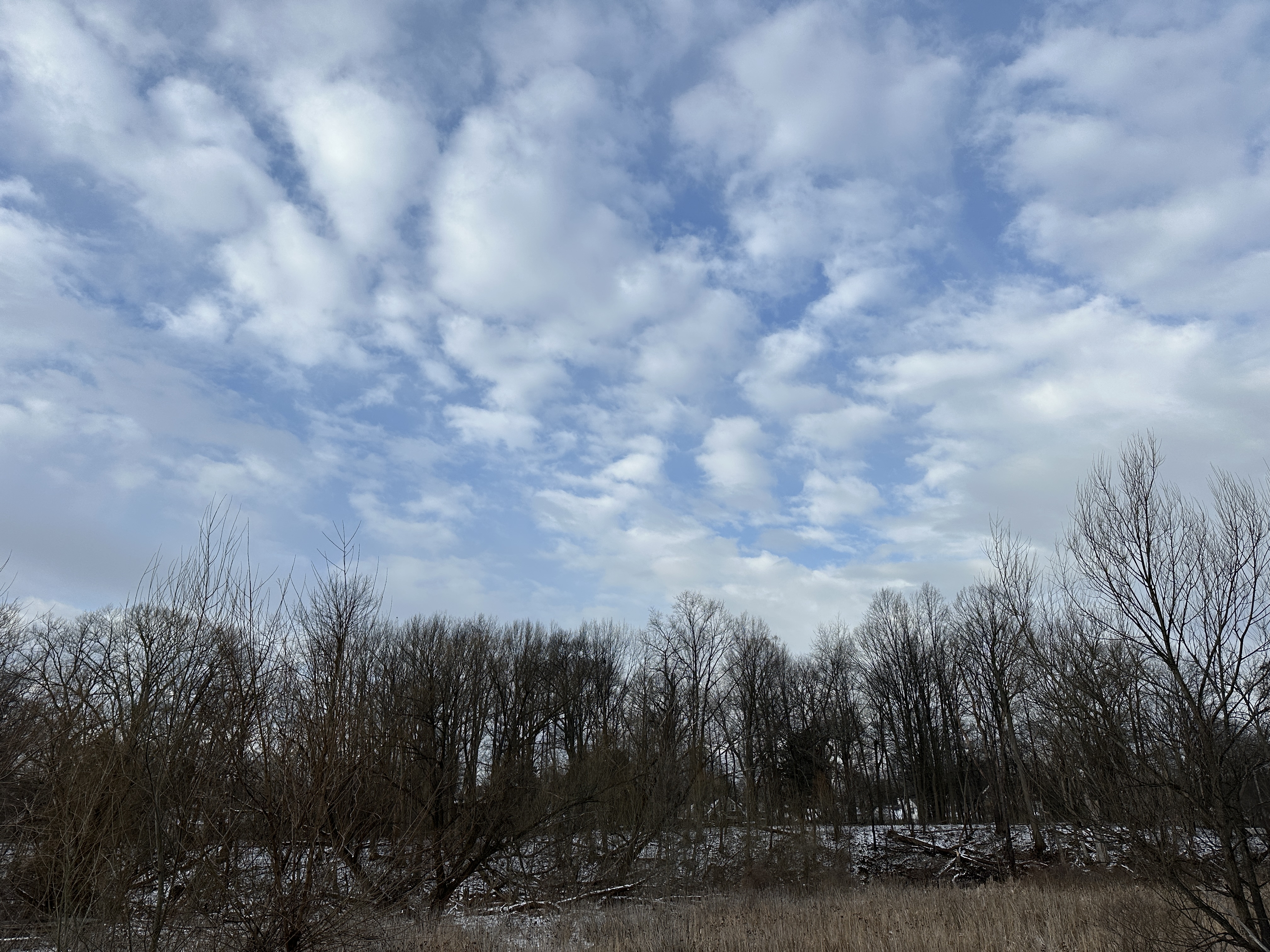
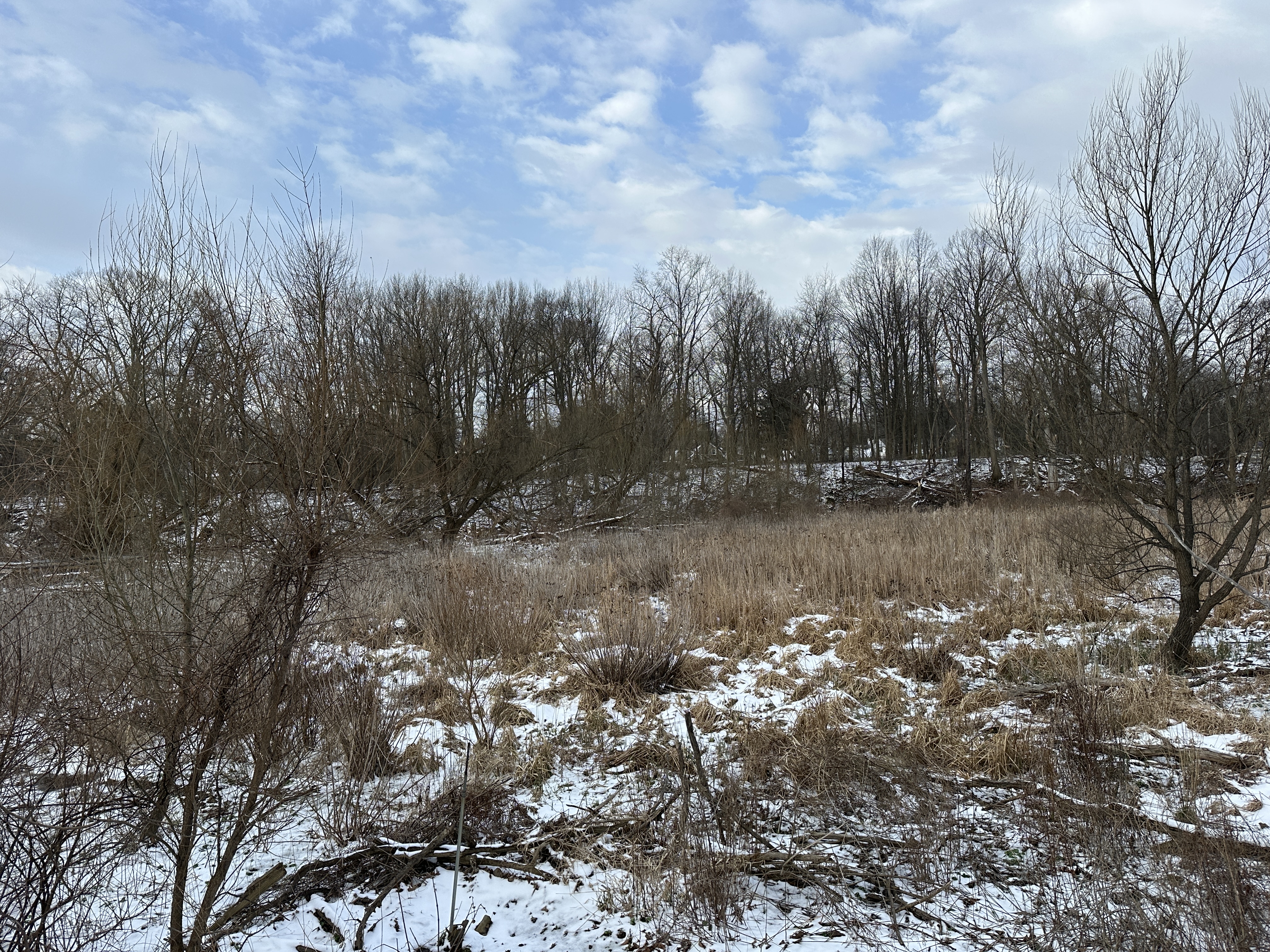
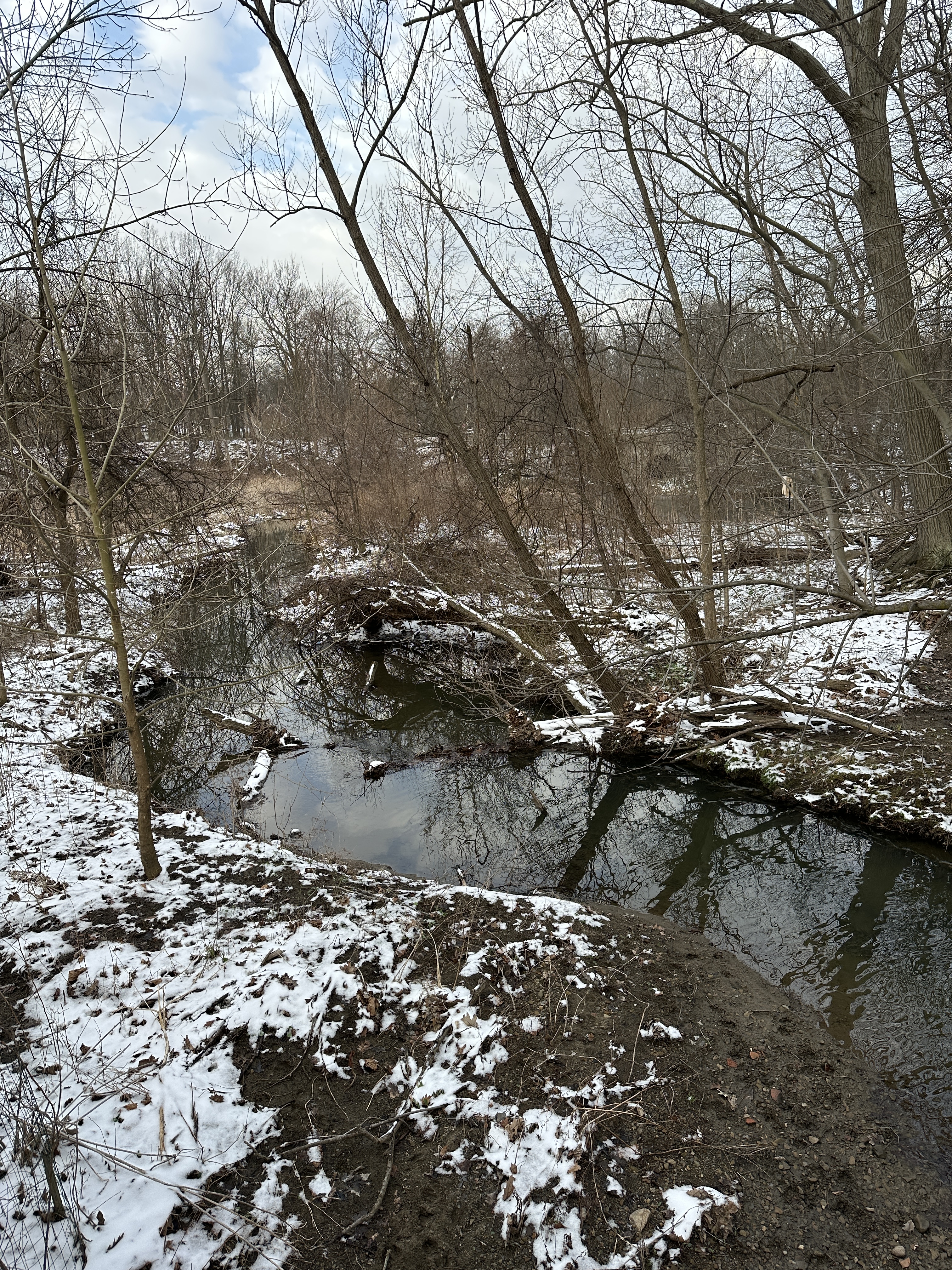
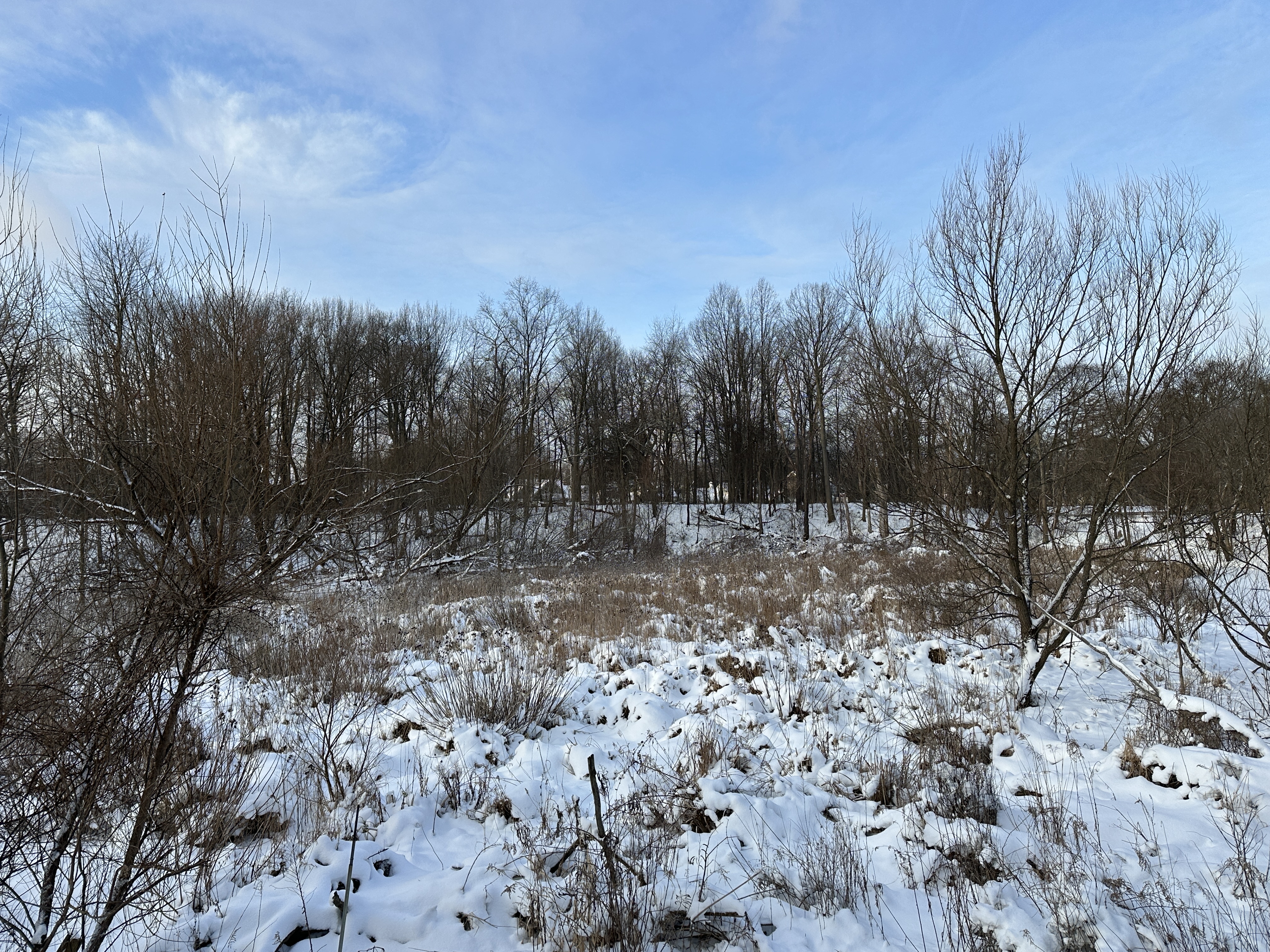
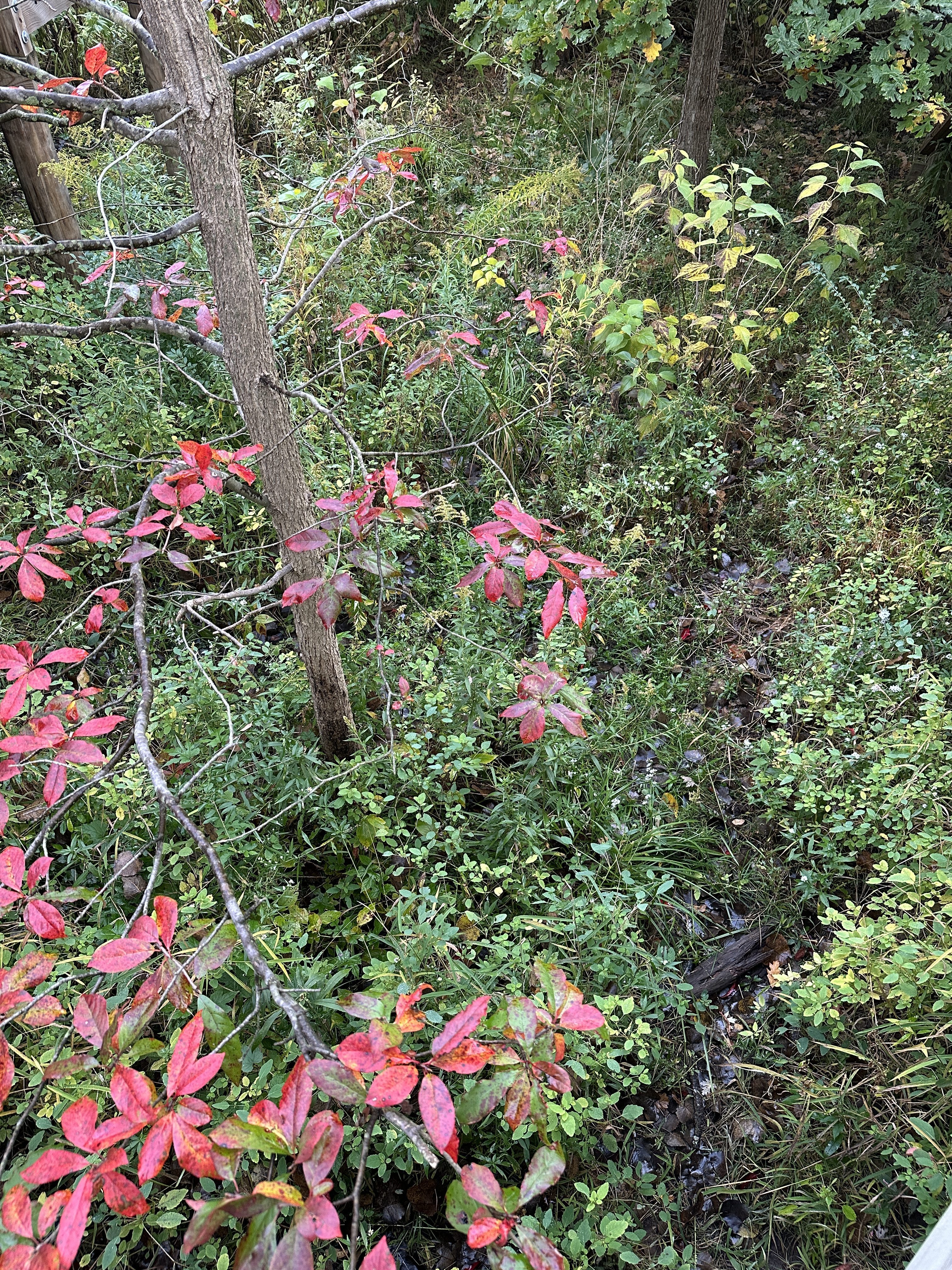
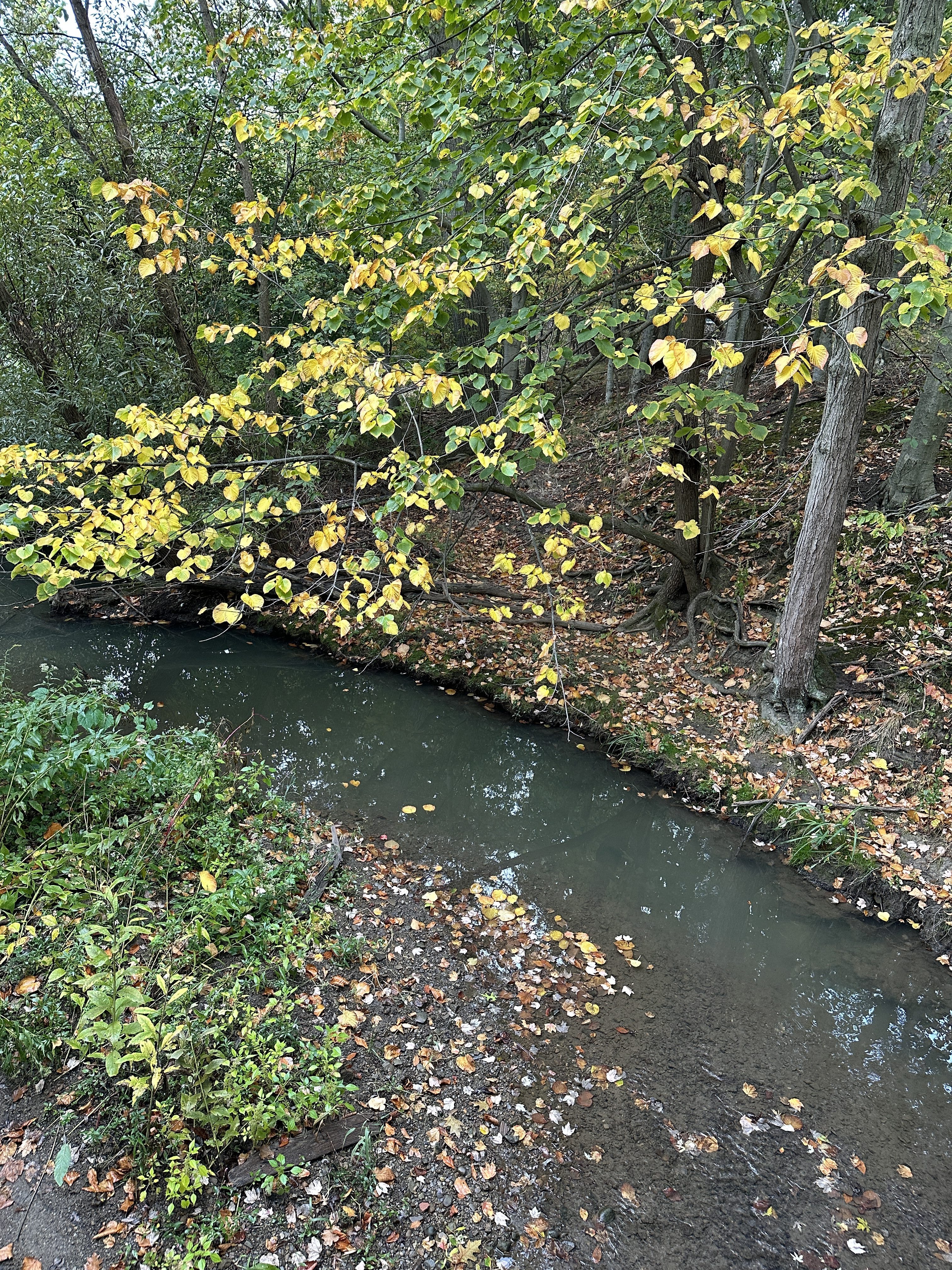
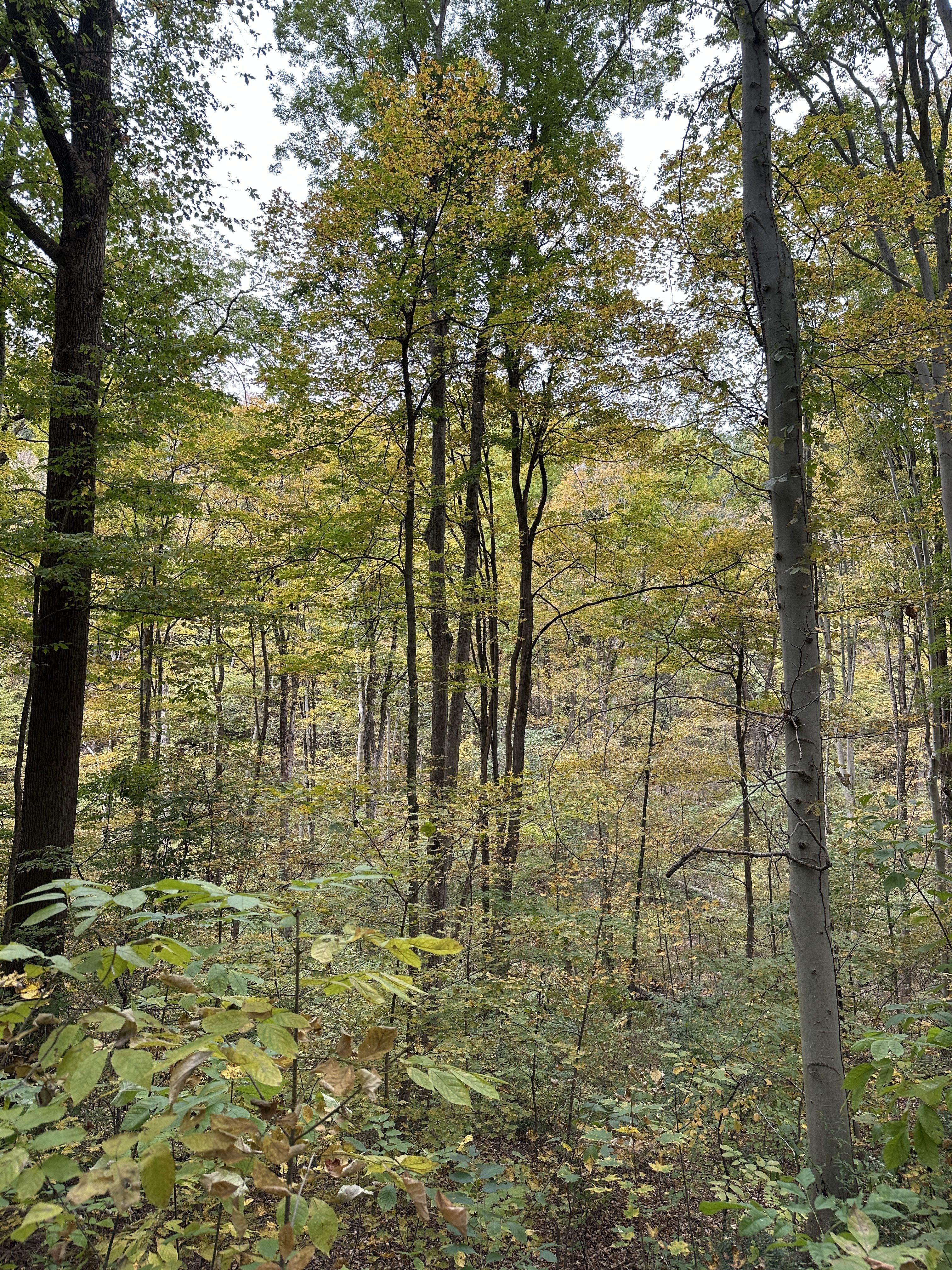
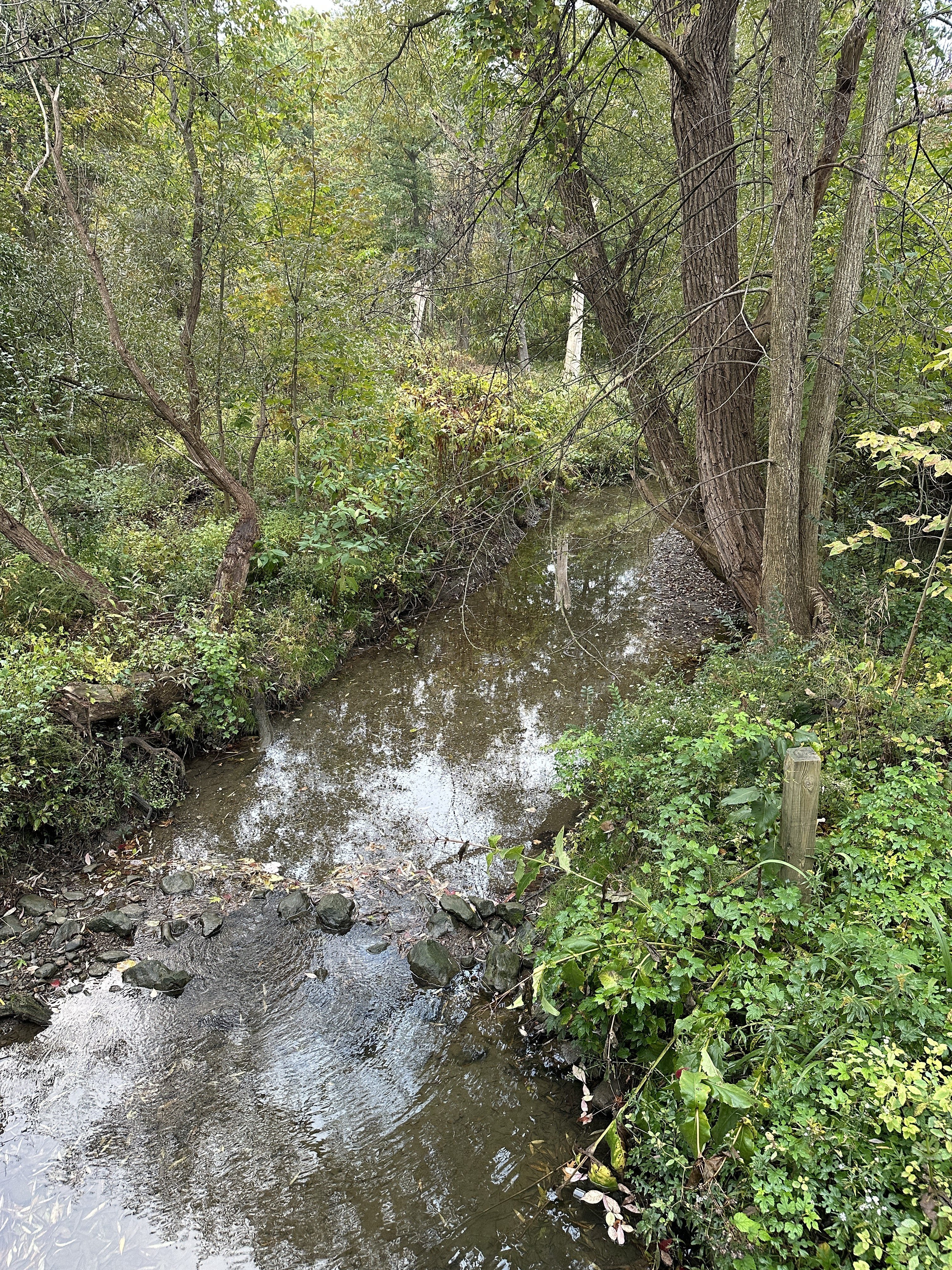
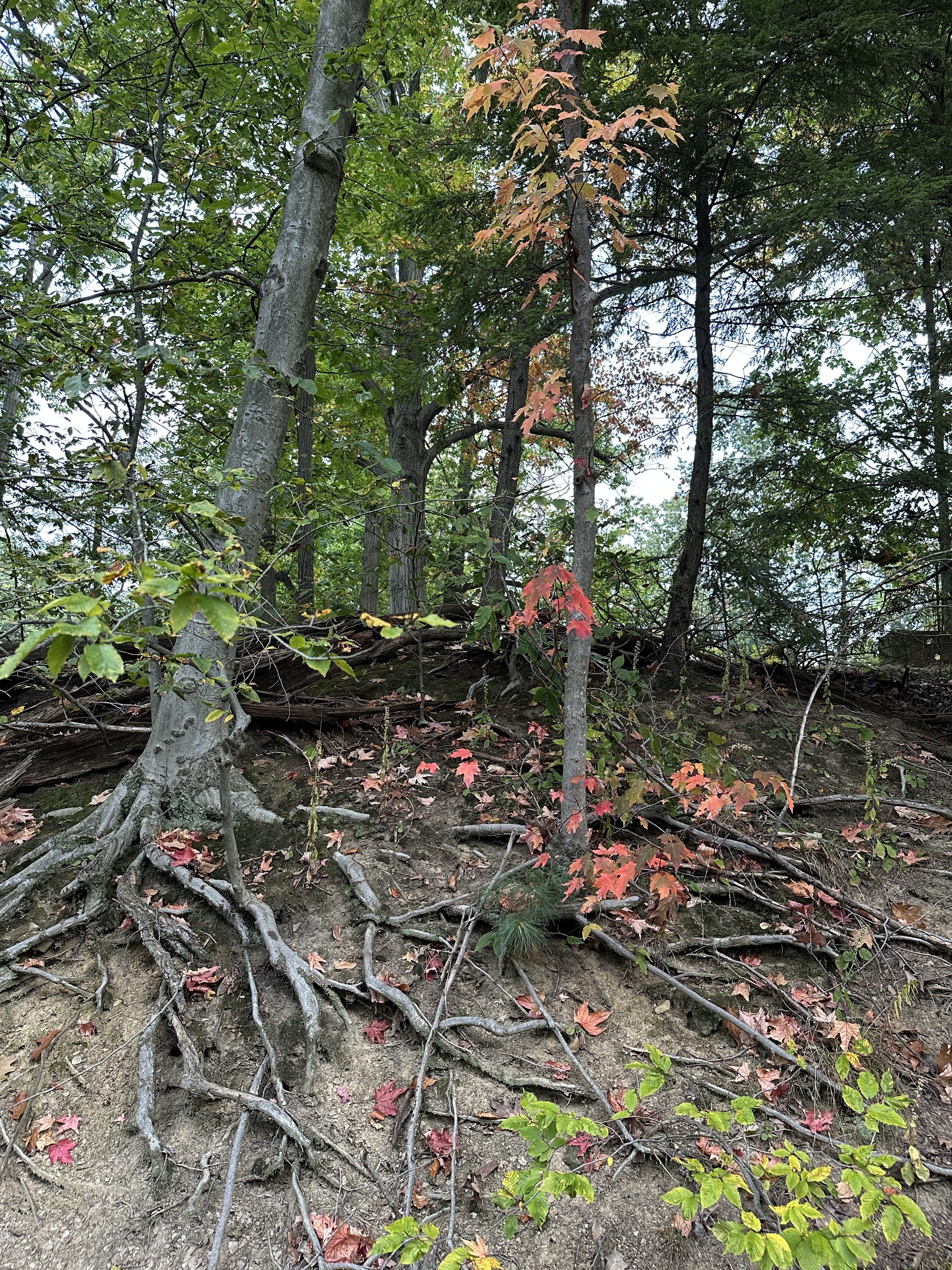
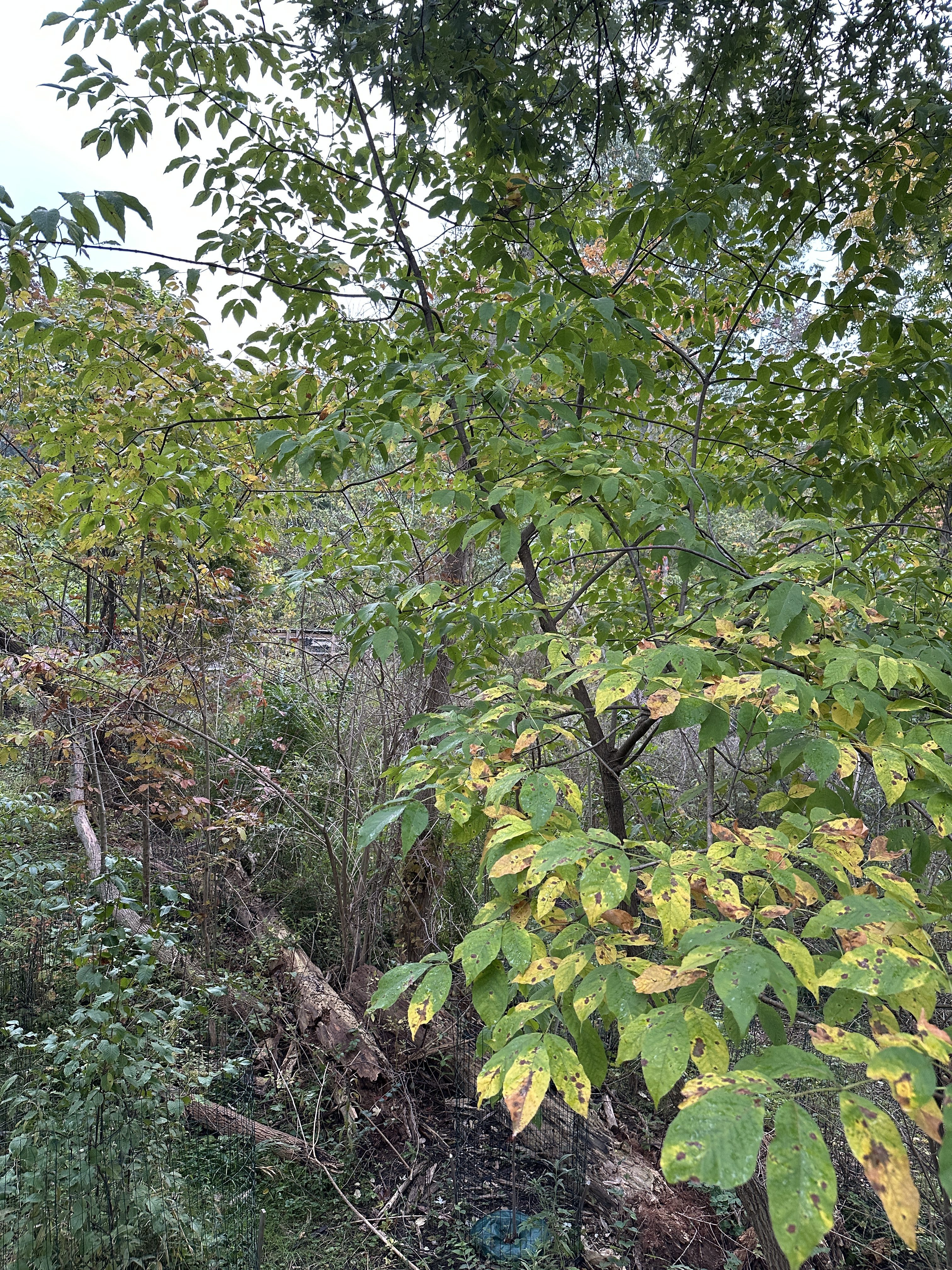
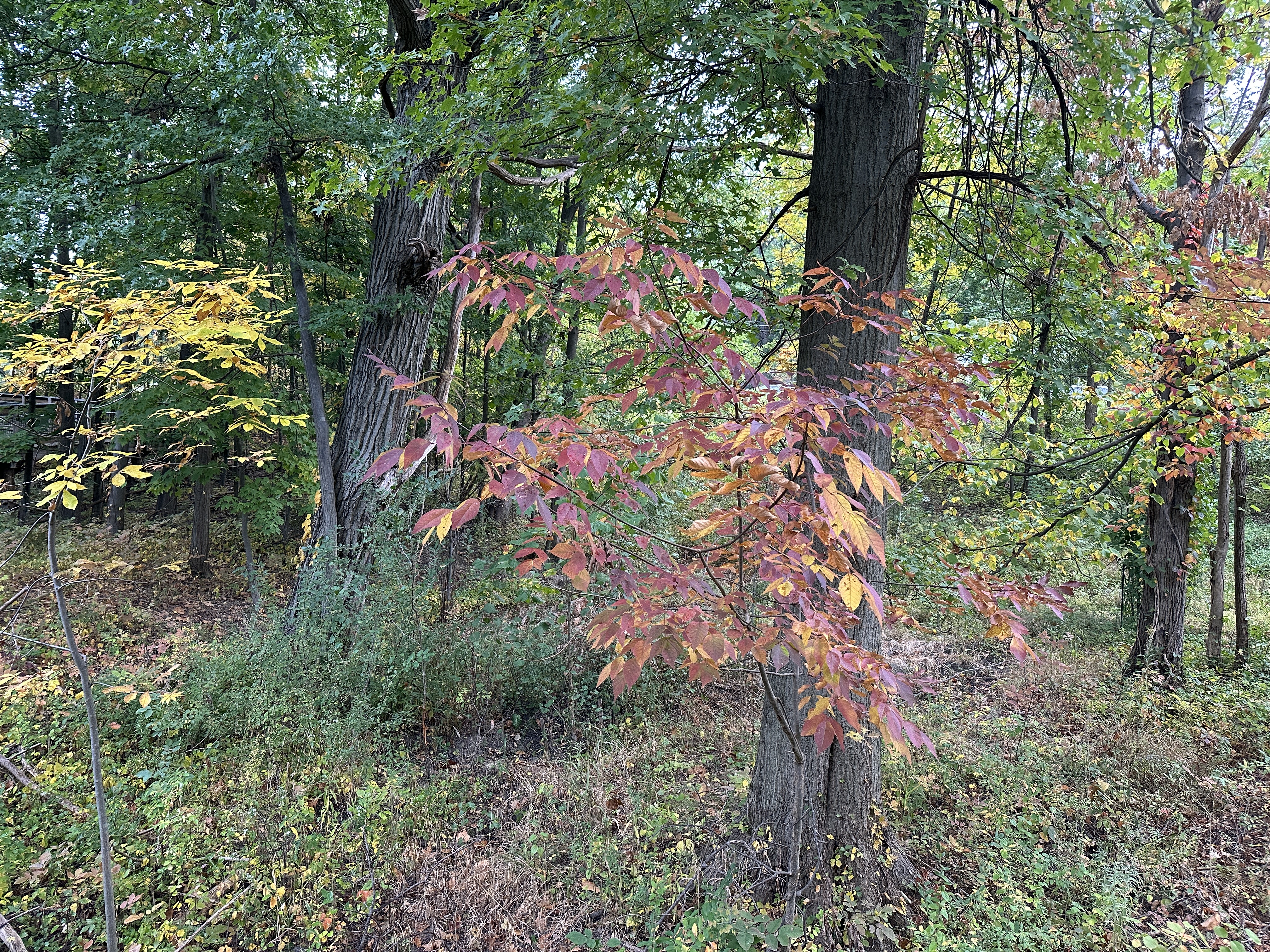
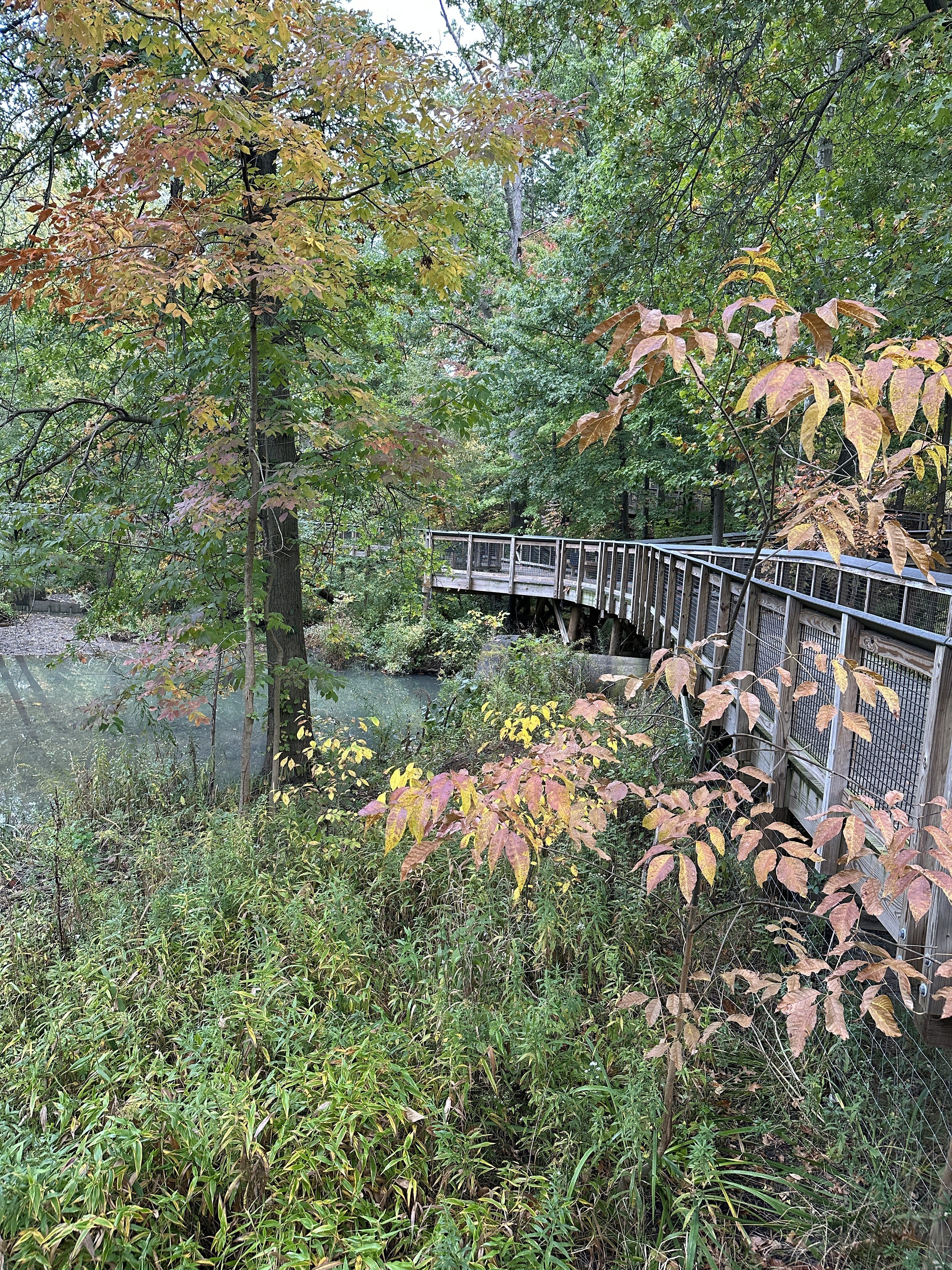
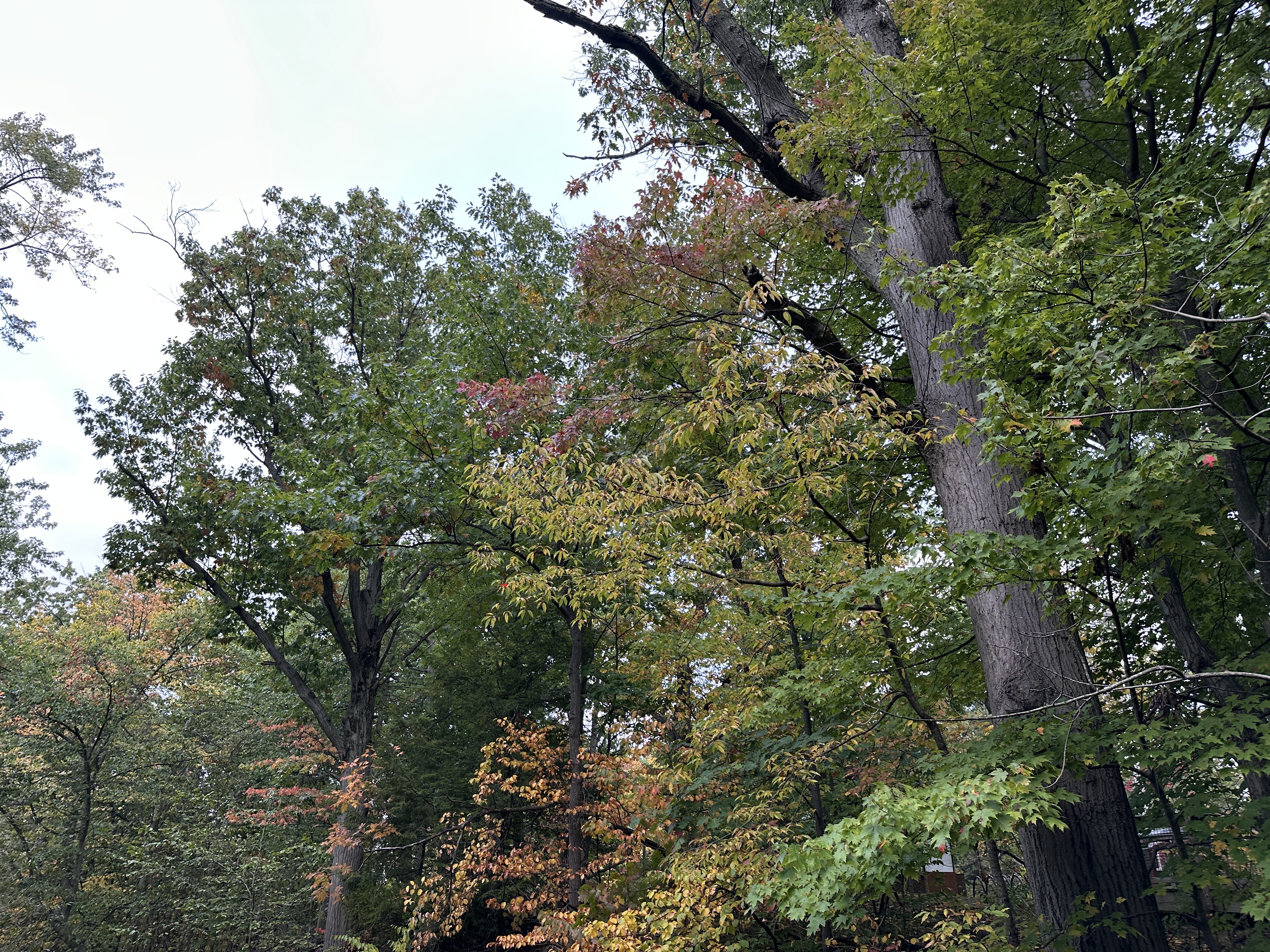
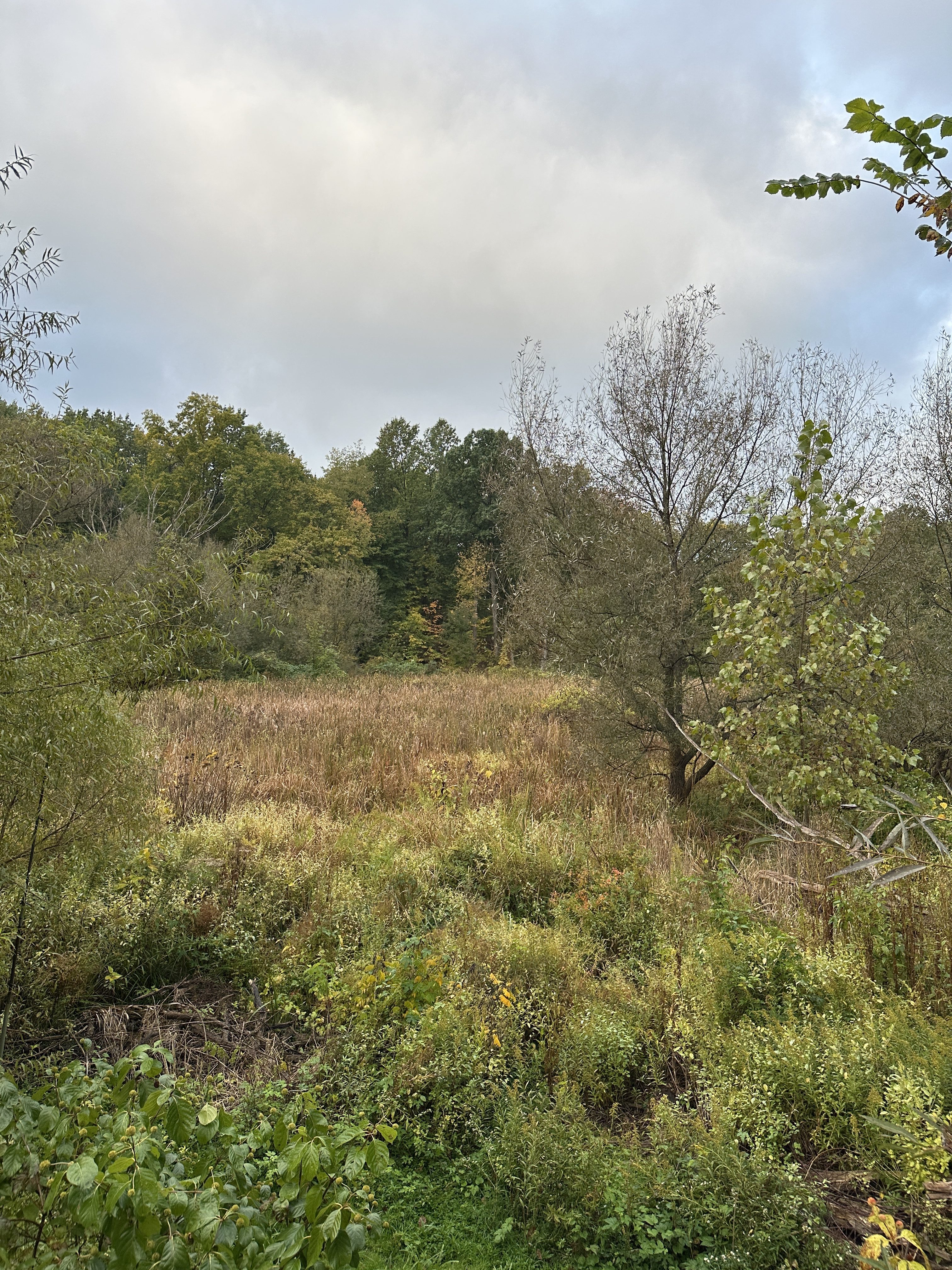
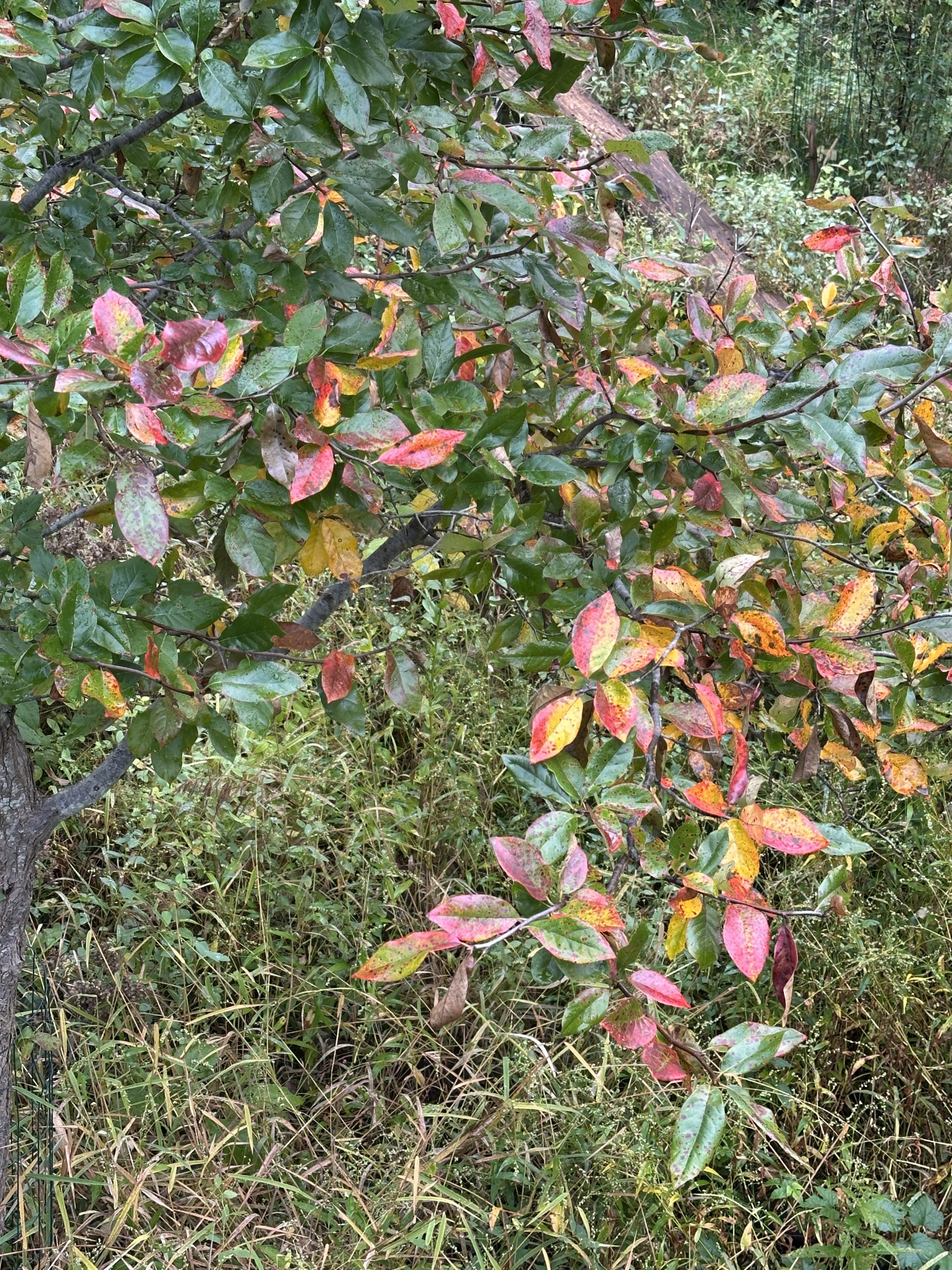
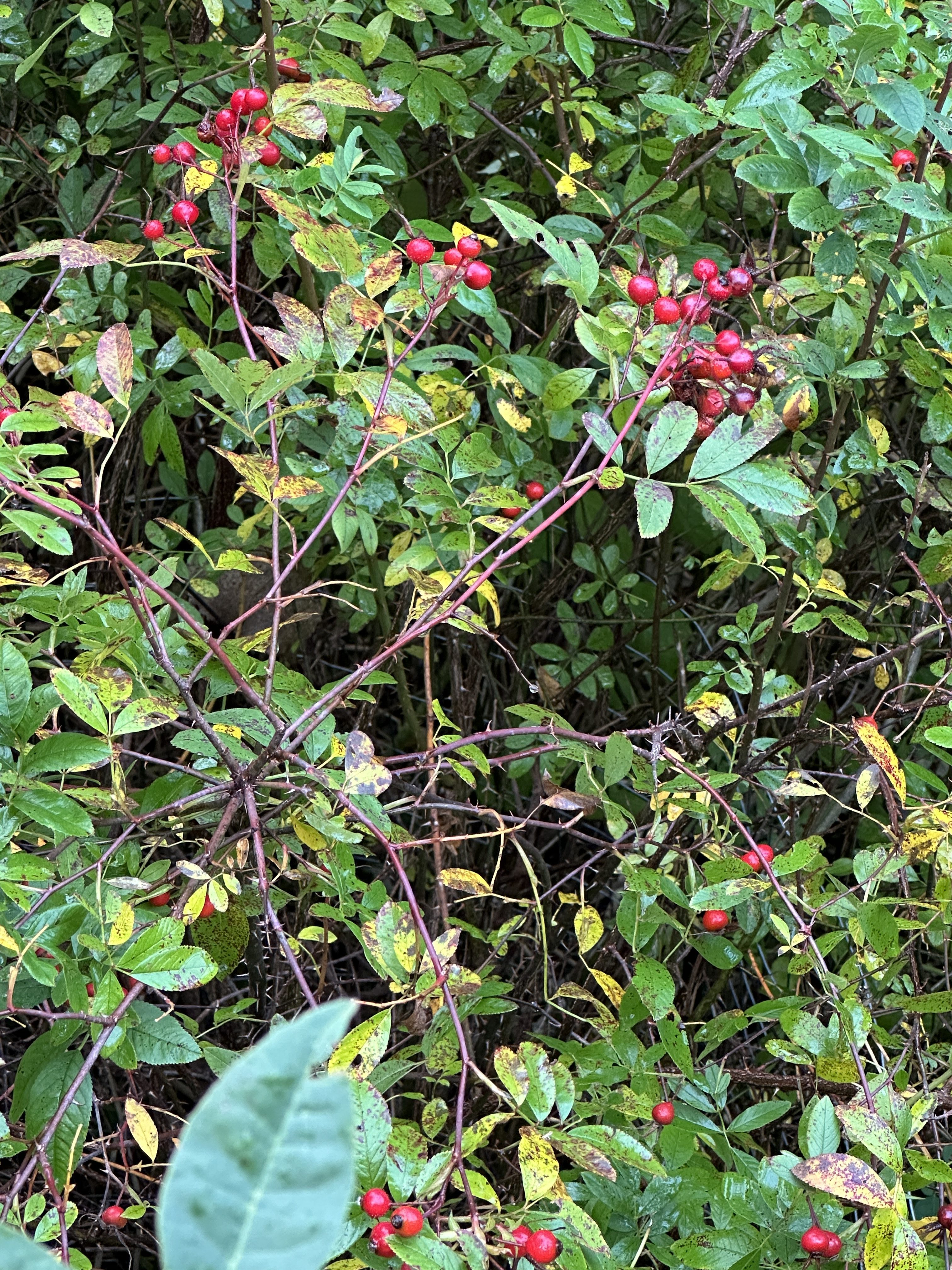
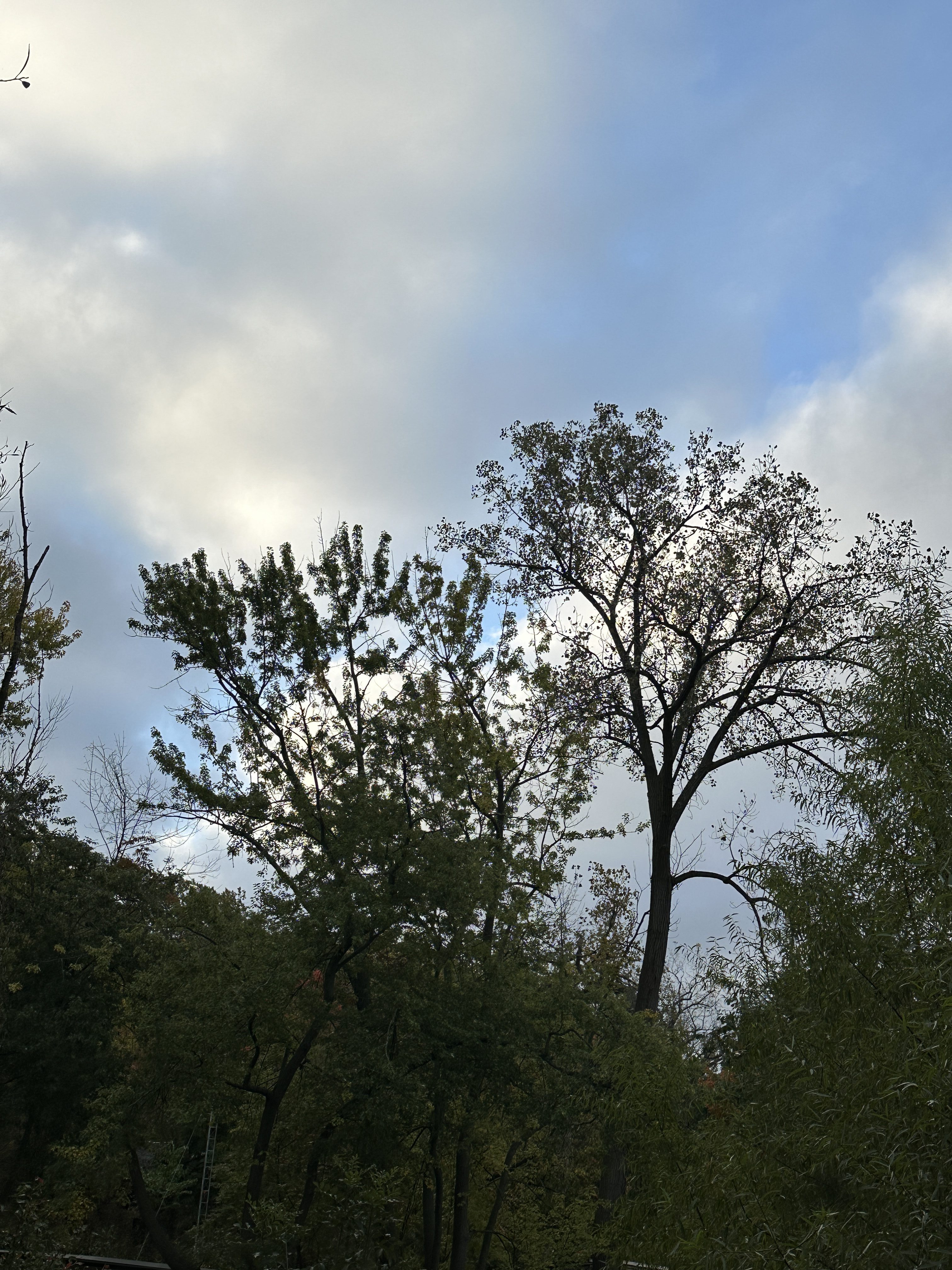
Monday, October 12.  The birds were singing a loud symphony as we arrived this morning – hundreds of red-winged blackbirds, gathering on their migration journey south.  The bird counters were out as well in their boots and hats, binoculars on their chests.  It must be October, the leaves turning and water flowing in the creek. 

In the middle east, harvest season is almost over, olives the last fruits to be gathered in.  Where the rain has started and the soil is damp, seed for winter wheat, barley and oats are planted. 

In the cycle of the Jewish year, Cheshvan  is a quiet month.  We have come through the intensity and drama of the High Holy Days, hopefully emerging with a direction for the coming year. This month, there are no holidays – just our daily lives. And it is Monday, when we look toward all we need to get done in the busy week to come.  In the Jewish liturgy, we have dedicated Psalms for Rosh Chodesh (Psalm 104) and for Monday (Psalm 48).  In her book New Each Day, Rabbi Debra Robbins draws parallel insights for Monday and for the month of Cheshvan.  Both are a time for day-to-day-work, action and implementation of the plans we’ve made.

As Rabbi Robbins notes, In Psalm 104:23, we read, “Human beings go forth to their work, to their labor, until evening.”  The verbs Avodah (prayerful work), and Po-al (daily labor) are used together in the verse.  In Psalm 48:13-14, we read a set of action words:  sobu (walk), vhakifu (embrace, circle), sifru (count), shitu (set intentions), pasgu (scale heights), t’sapru (recall stories).[1] How many could we add to this, for this season? Provide help, listen, provide food and shelter, accompany, support, stand up for, defend, make peace, contemplate, plant, organize, nurture.  It is a month for carrying out all of our best intentions, thereby transforming our hearts.  May we do it well! Chodesh tov! – K. Miriam

Our next Rosh Chodesh Walking Meditation will honor the month of Kislev, Wednesday, November 11, 8:30 am.  Contact us for location.


[1] See Rabbi Debra Robbins, New Each Day: A Spiritual Practice for Reading Psalms, NY: CCAR Press, 2024. Pp. 8-9, 118-119.
Tishrei 5787    תשרי

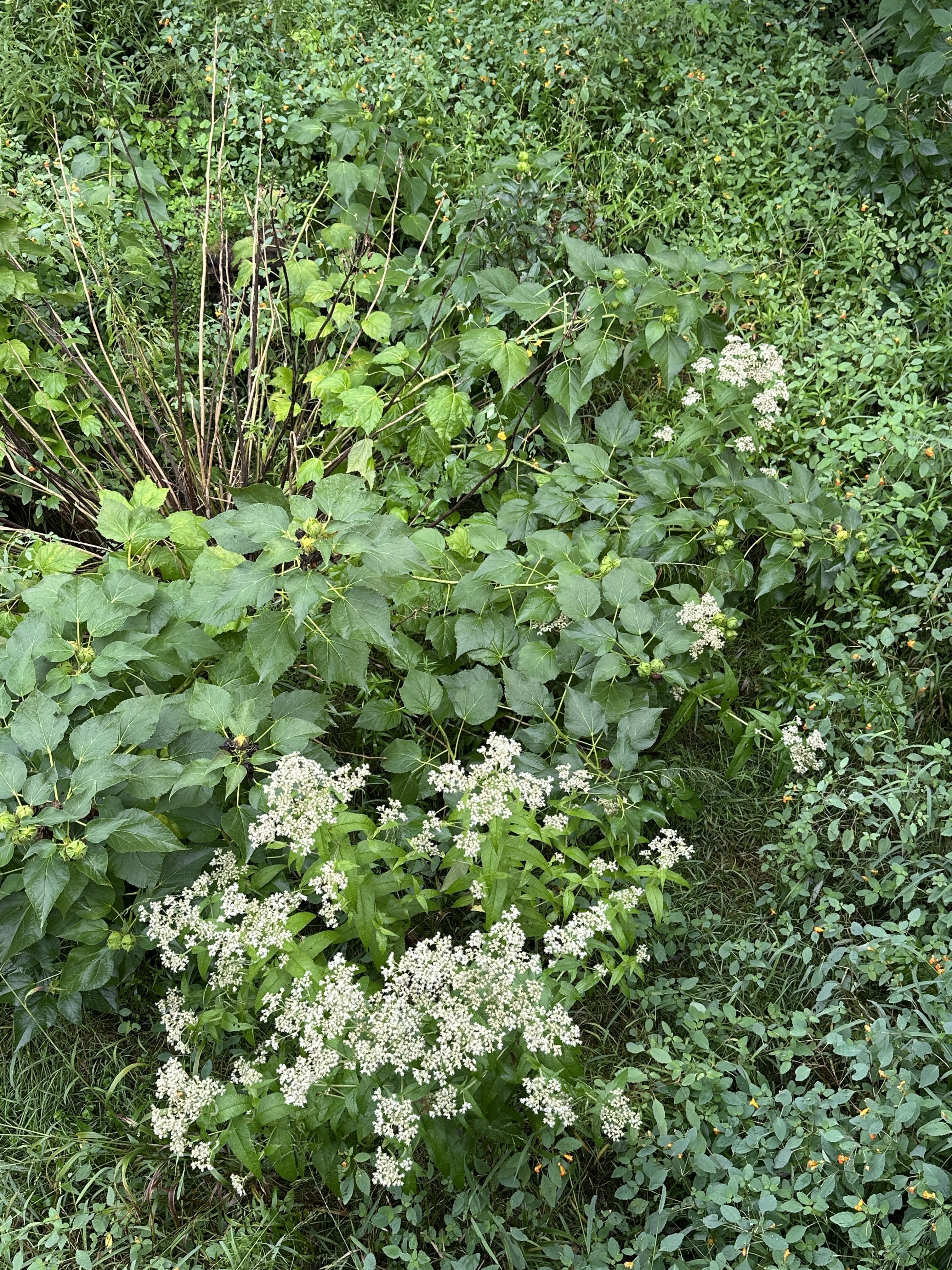
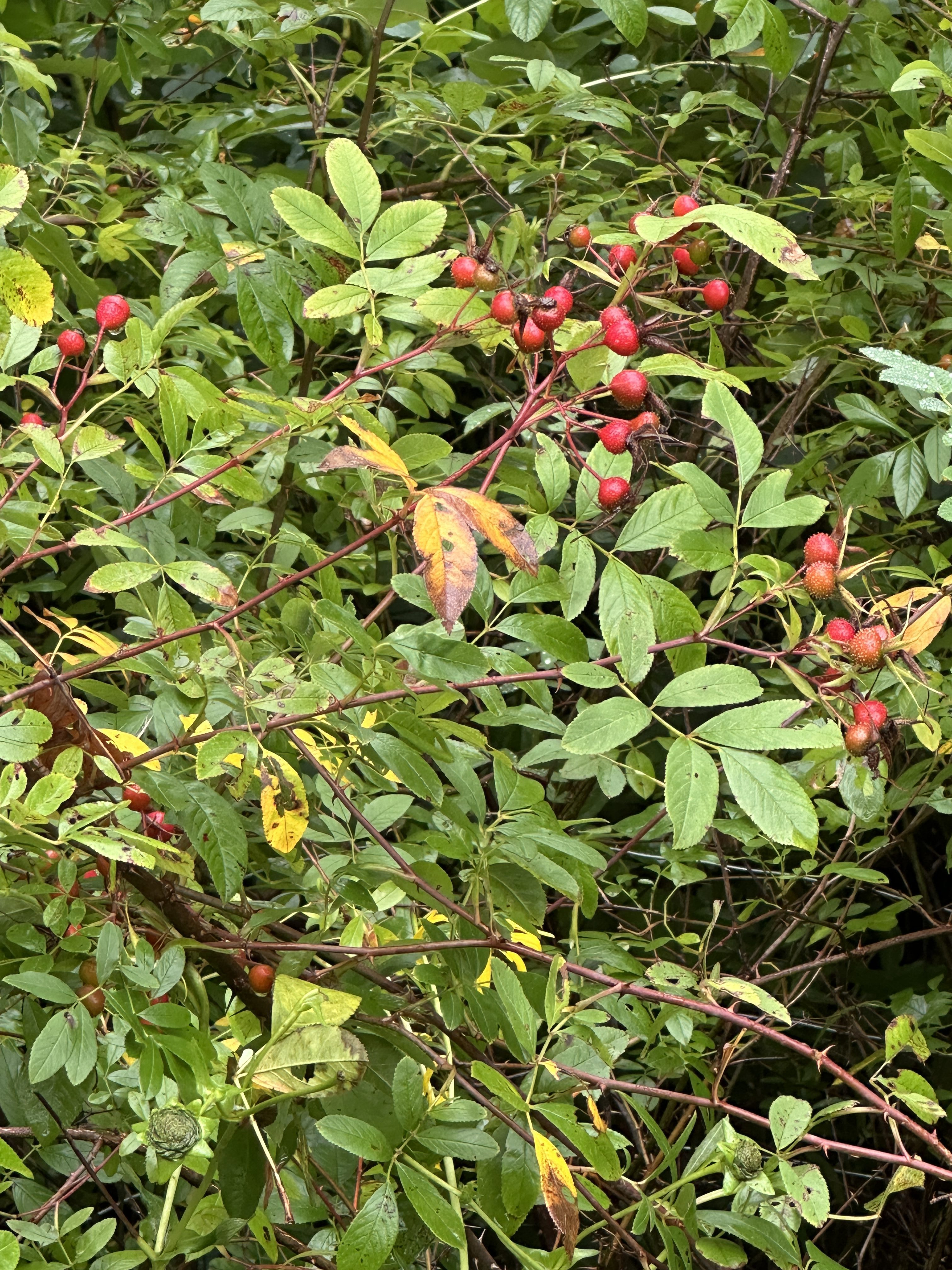
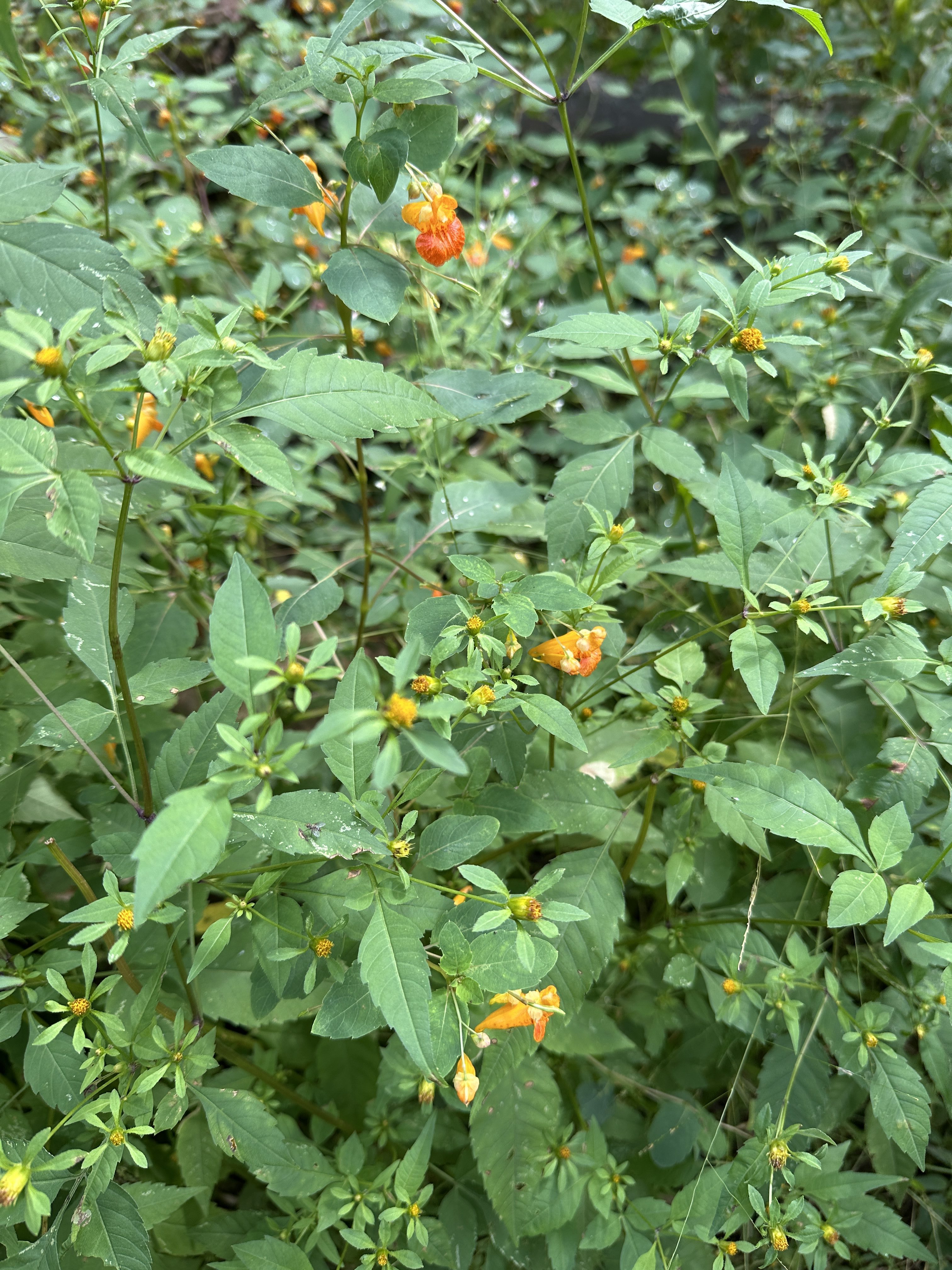
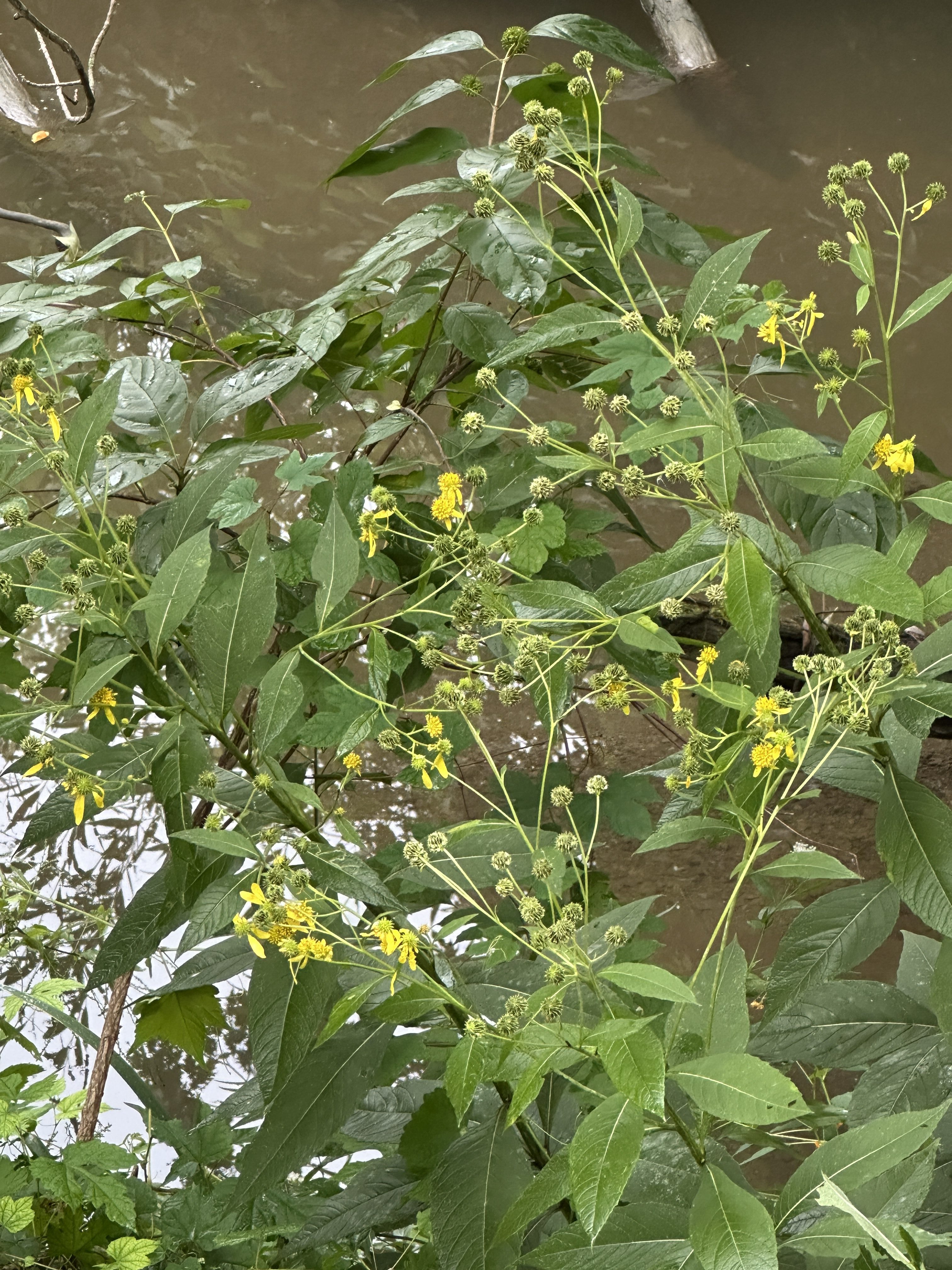
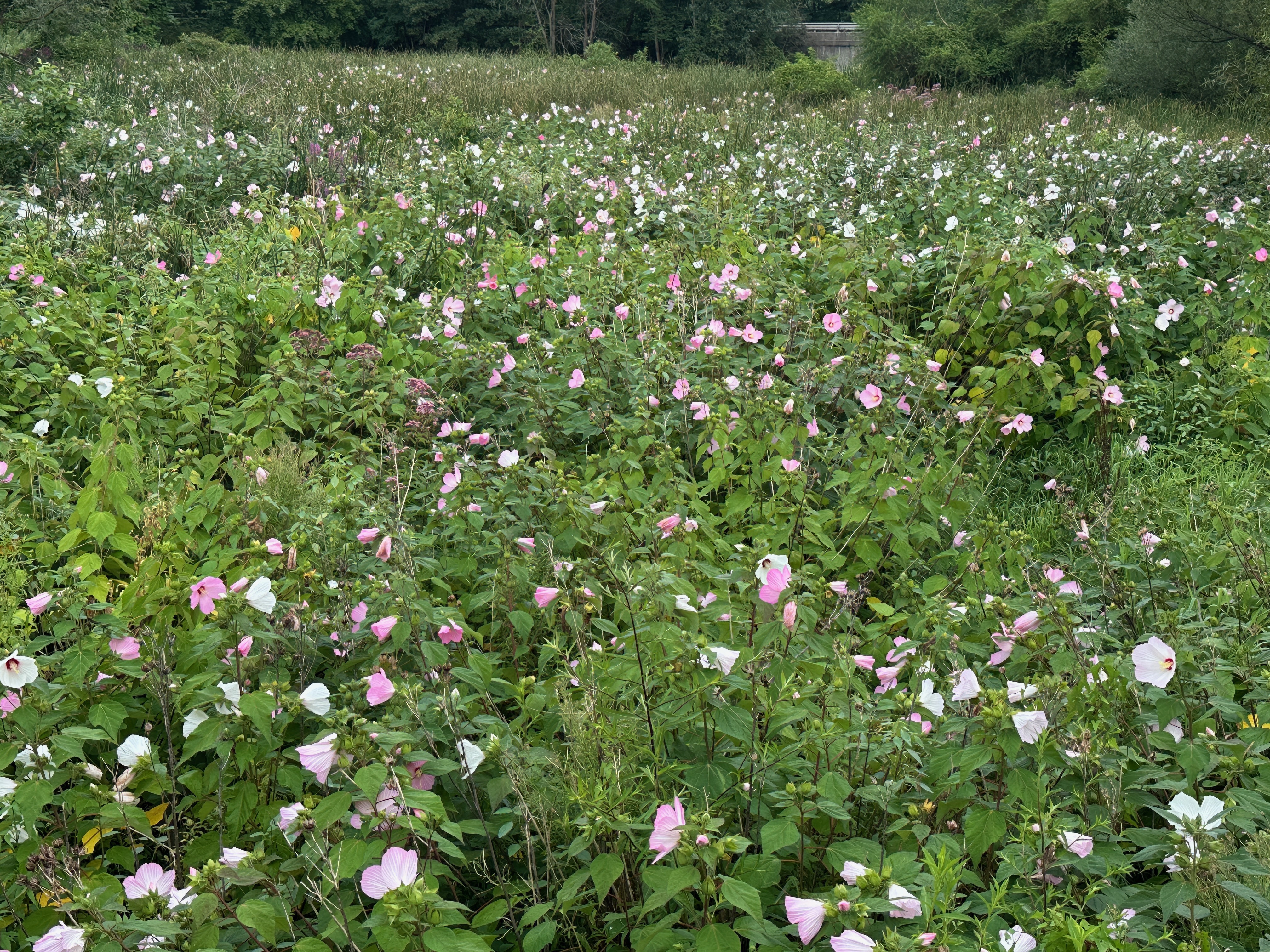
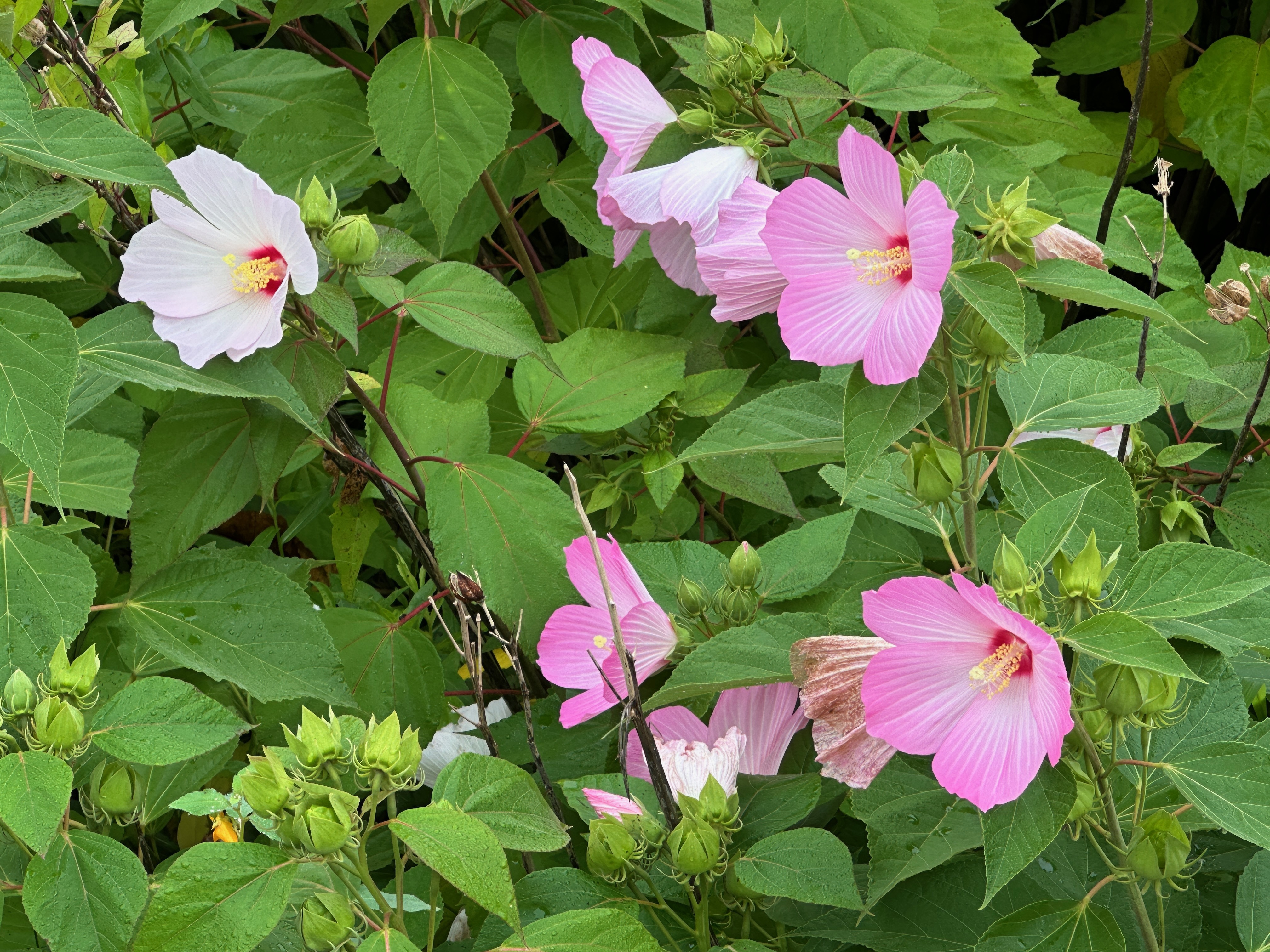
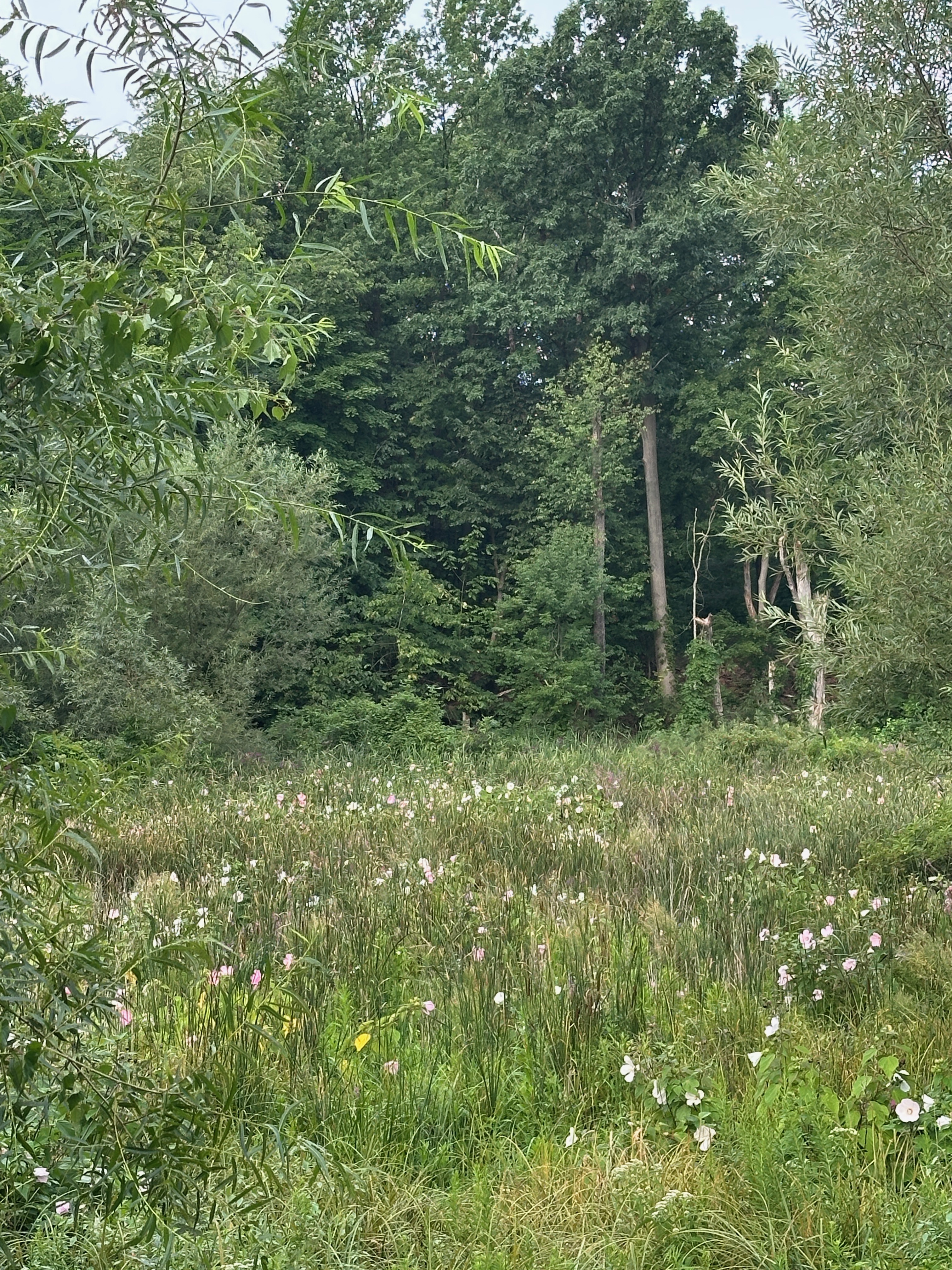
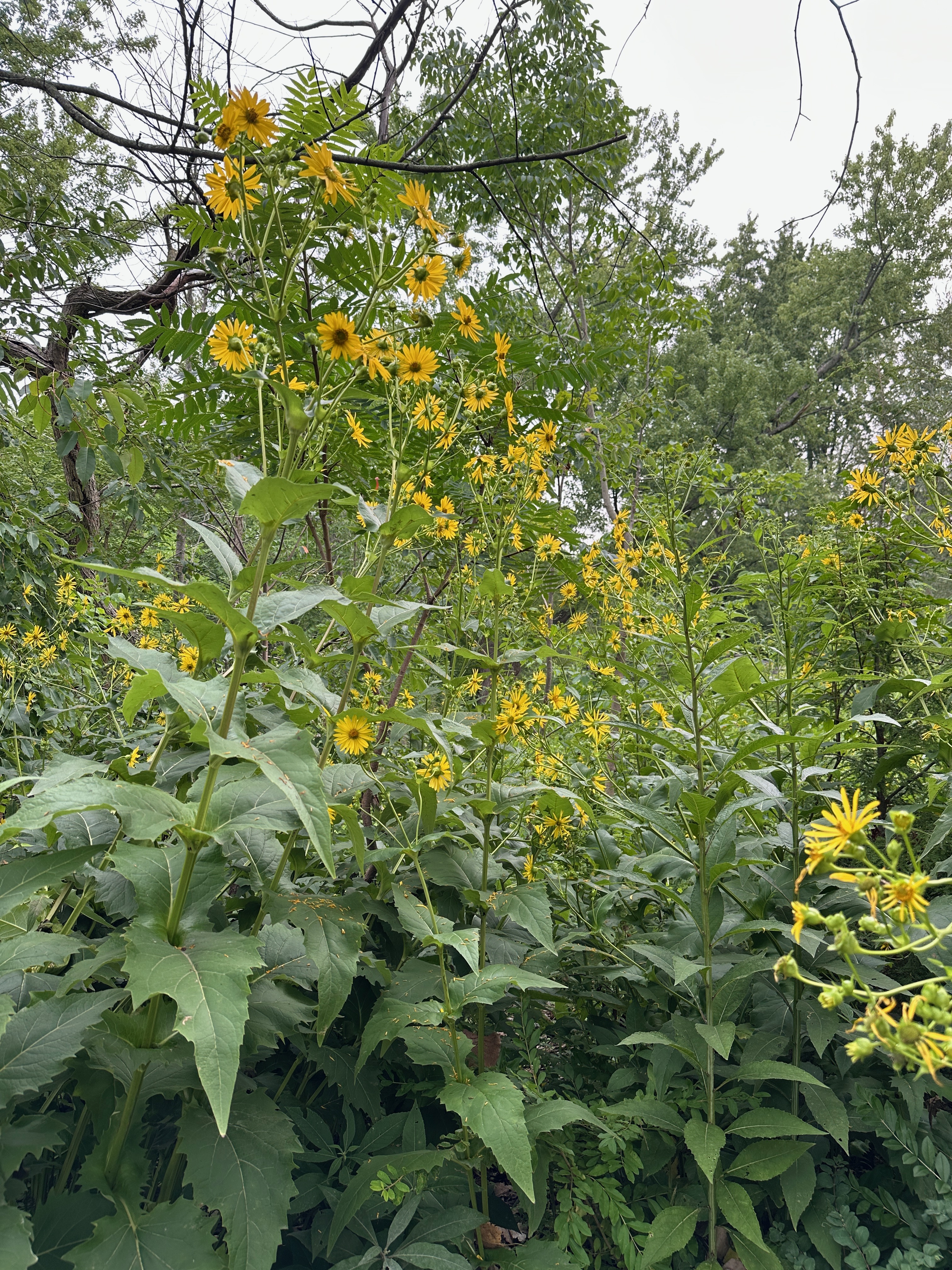
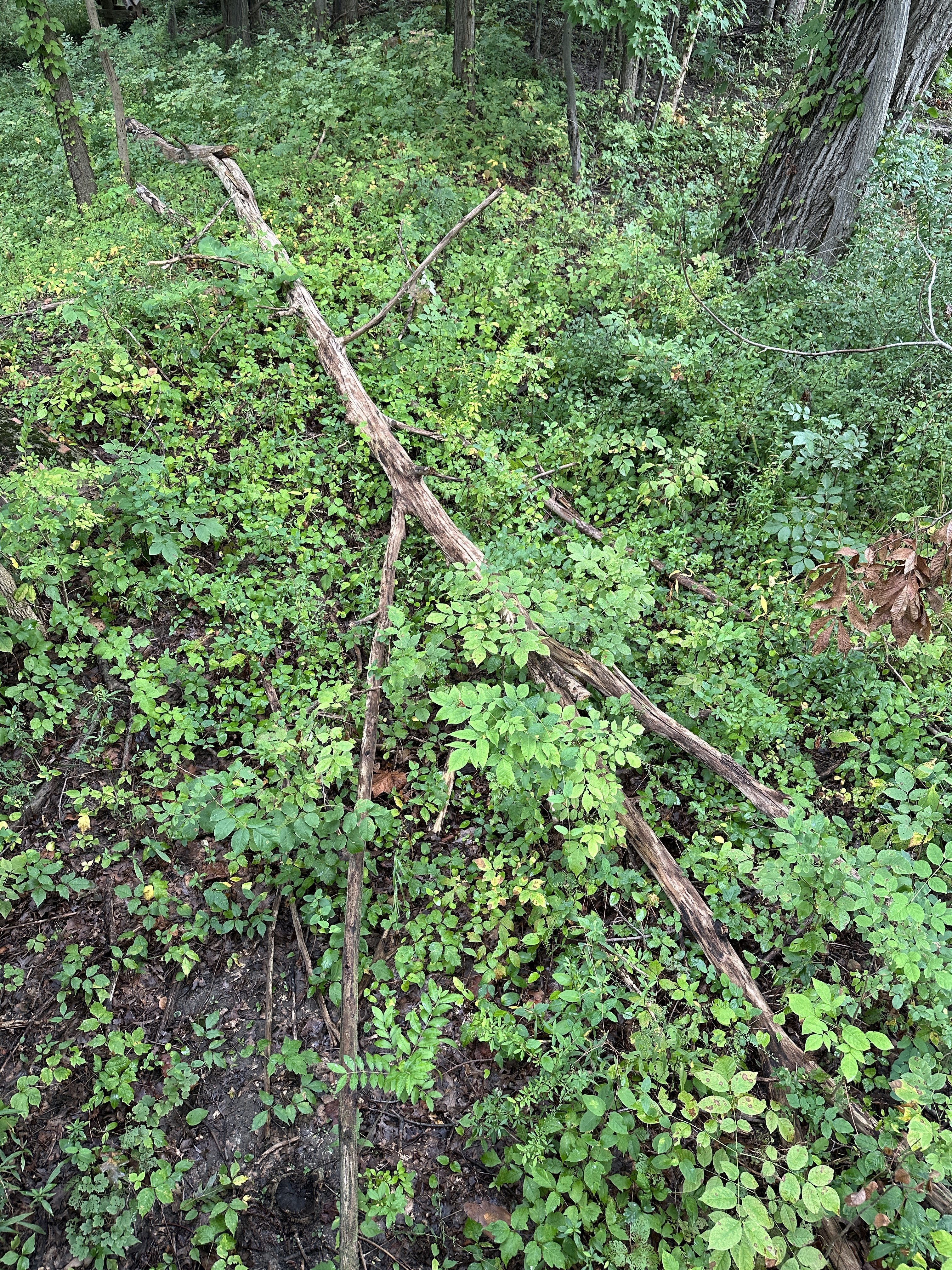
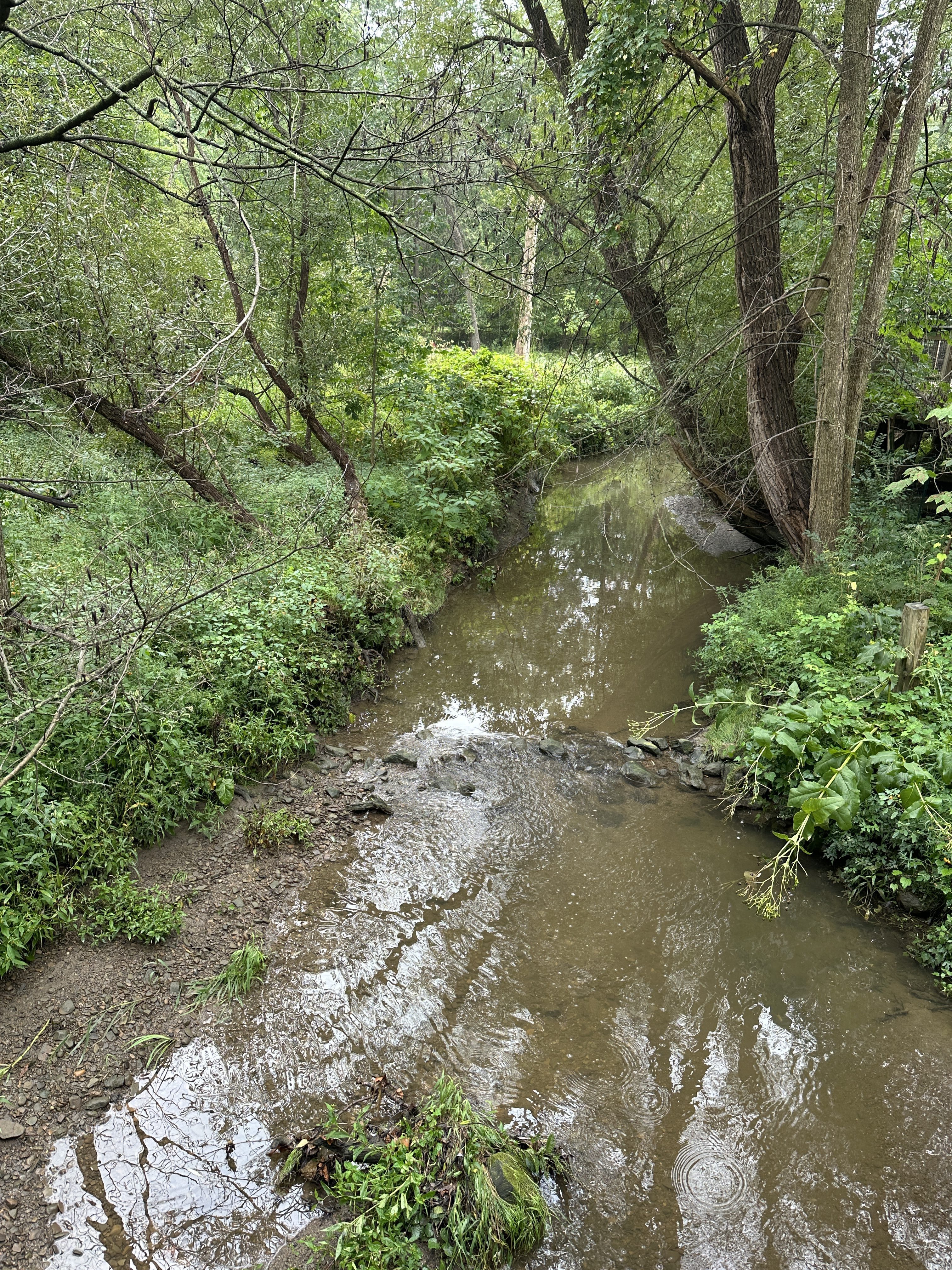
Thursday, September 10.  For logistical reasons we met two days before the first of Tishrei this year.  But it is fitting that we have a few moments together to prepare for the start of the High Holy Days. It was a lush early September morning – the first colors of fall beginning – but warm and humid, a rainforest abundant with flowers and fruits. Yellow ironweed, boneset and jewelweed showed their floral colors, while swamp mallow and swamp rose set seedpods and red berries. In the middle east, harvest of grapes, figs, pomegranates, and olives is in full swing. It’s a good time to gather together before the Days of Awe.

Following on last month’s metaphor, we have almost crossed the wide field of Elul, walking with the King as we prepare to enter the Gates of Repentance at Rosh Hashanah.  And there they are ahead of us.  What will it take to enter them? For what transformation will we be ready as we do so?

Rabbi Debra Robbins, reflecting on Psalm 27, reminds us of the 14th verse: V’yaameitz libecha (Let your heart be of good courage).  Similarly, she recalls a song we sing at High Holy Days: Hayom tamtzeinu (today give us courage and strength). What courage it takes to collect our findings from the month of reflection, and carry them with us as we cross the threshold.  What courage to face our shortcomings and forgive ourselves, while vowing to make amends.  Rabbi Robbins’ prayer:

Today, this day, this year, every day,
remind me, G-d of my heart strength
to keep couraging,
through fear, and away from sin.
To continue the journey of living,
turning, from what is wrong, destructive,
hurtful to the self,
to others,
the world,
to You –
and live –
live with courage and hope.[1]

May we all be strong, and of good courage, to continue our journey together, into the Days of Awe. Chodesh tov, and L’Shana Tovah! – K. Miriam

Our next Rosh Chodesh walking meditation will honor the month of Cheshvan, Monday, October 12, 8:30 am.  Rain or shine!  Contact us for location.


[1] Rabbi Debra Robbins, Opening Your Heart with Psalm 27: A Spiritual Practice for the Jewish New Year. NY: Central Conference of American Rabbis, 2019.

Elul 5786 אלול

Friday, August 14, 2026.  This morning, we welcomed Elul with shofar blasts, Psalm 27 in song, and the company of a group of friends from our community.  It was a lovely warm morning, and the Swamp Rose Mallows were in their pink and white bloom in the marsh.  Mostly Normal Birds – cardinal, bluejay, chickadee, house sparrow, and eastern wood pewee.  There was a Baltimore Oriole, and one of us saw a Great Blue Heron poking about in the bushes. Plants are fruiting and flowering, from berries to acorns to sunflowers. We noted that while we have pleasant warmth here in the Great Lakes, if a little muggy, in the middle east it is still hot – no rain yet, just dew, for which we pray in synagogue this time of year – about halfway through harvest, millet, grapes, and pomegranates ready to be picked and reaped.

Last month we talked about the tightness and narrowness of the Three Weeks and Nine Days leading up to the ninth of Av — a time of stress, anxiety, fear and anger.  But then, the pendulum swings – at Tu B’Av, love blooms, leading us into open space.  The High Holy Days toward which we are heading is a season of gates – the Gates of Repentance opening on Rosh Hashanah, and closing on Yom Kippur.  So here we are in Elul, headed across the open field, with G-d close to us as a King in the Field, the gates in the distance.

What would we accomplish this month, open and ready as we approach the gates? For some, Cheshbon HaNefesh (Accounting of the Soul) practice during this month is a rigorous daily accounting of the past year, reflecting on who we have been, how we have acted, and how we need to change.  For others, the accounting is focused on a specific issue in our lives we’d like to resolve, a promise to keep, a place where repair is needed.  

The cycle of the year comes around again – and we are different people than we were last year, the world is a different place.  May we all make the walk toward the gates with a sense of openness, compassion and forgiveness – for ourselves and for others – and the sense of hope that we are all on the right track, and change is doable in the coming year.  Chodesh tov! – K. Miriam

Our next Rosh Chodesh Walking Meditation will honor the start of the New Year and the month of Tishrei.  Note that we will be meeting two days before Rosh Hashana, on Thursday morning, September 10.  Rain or shine!  Contact us for location.

Av 5786 אב

Wednesday, July 15, 2026.  A true summer morning – we met in the fullness of greenery at its peak, the start of a hot day.  All of a sudden, the cicadas are buzzing.  A green heron perched in a dead-whitened tree.  There were wild roses and buttonbush, swamp rose mallows setting big buds, dragonflies, and a graceful tiger swallowtail butterfly. We talked of owls and hawks in our neighborhoods, and herons and turtles at the lakes.

Our source Alan Lew has forever changed our way of looking at the summer months: in the intensity of Tammuz, we commemorate the siege of Jerusalem, and on the 9th of Av, its fall.  Many other calamities are also commemorated on the 9th of Av. Rabbi Lew reminds us that this brokenness is what is needed in order to prepare ourselves for the self-examination and evaluation of Elul, bringing us to redemption during the High Holy Days.[1]

The Three Weeks spanning the 17th of Tammuz and the 9th of Av are seen as a time of danger, vulnerability, and peril.  Our ancestors, and some of our traditional cousins today, avoid risky behavior during this period, such as traveling, swimming, and walking around alone in the forest. Some even avoid going out in the heat of the day.  These customs may have originated in a tale from the Talmud about a demon named Ketev Meriri, covered in scales and hair and multiple eyes, who was active from mid-morning to mid-afternoon during the Three Weeks.  This demon was so dangerous that any person or being who looked at him would die.  According to Rabbi Jill Hammer’s retelling, Ketev Meririr walked neither in the shadow or the sun, but in the “narrow place” between the two.[2]

Which brought us to consider the “narrow place” that we are in during Av.  We have traveled through the challenges of anger, negative emotion and stress of Tammuz, into the constricted place of the Three Weeks, vulnerable and walking the fine line between shadow and light.  In our relationships and pursuits, we watch for demons on all sides, and we must tread with care to avoid them, and watch out for the safety of our loved ones.  On the 15th of Av, or “Tu B’Av”, at the full moon, we emerge fully – into the joy of love and romance, the Jewish Valentine’s Day, when partners find each other.  Love brings us into a wide open space – which we will need as we head toward the self-evaluation of Elul.  May we all traverse the narrow path successfully, and together – and come into love at the full moon – Chodesh tov! — K. Miriam

Our next Rosh Chodesh Walking Meditation will be Friday, August 14, 8:30 am.  Rain or shine!  Contact us for location.


[1] See Rabbi Alan Lew, This Is Real and You Are Completely Unprepared, full citation on our resources page.

[2] See Rabbi Jill Hammer, The Jewish Book of Days, p. 356.  Full citation on our resources page.

Tammuz 5786 תמוז

Tuesday, June 16. This morning was quite a contrast with typical weather for Tammuz in the middle east: while in that part of the world, the summer is blazing hot and the light searing, here in the Great Lakes it’s cool and clear.  However the sun’s brightness is still intense, and worth a conversation about light and darkness.

Tamuz is one of the “negative” months of the year, focused on intensity of negative emotions, a “going down into the pit” and seeing our negative traits.  We commemorate the siege and fall of Jerusalem during the “Three Weeks”, a lowpoint of the Jewish year that starts on the 17th of Tammuz.  Rabbi Alan Lew writes of Tammuz as the start of the 3-month cycle that will lead us to the reckoning of the High Holy Days[1].  At the beginning of the cycle, we must face the truths in our lives that may be hidden, that will need attention in the days to come.  What must we see this month that we may prefer to hide? What walls can we identify that must be torn down before we can enter the High Holidays with a pure spirit?

Tamuz is a month of contrasts – the searing brightness of the summer sun, illuminating what is hidden – and the darkness of going down into the pit, the evil of that hidden underworld.  As one of us noted, the underworld is also a place of dreams and visions.  This month, we pay attention to what is illuminated under the sun – sit with our dreams and visions, aware in this clarity of what is evil as well as good – and learn to see in the darkness that otherwise may surround us.  May it be a fruitful month for us all. – Chodesh tov!  — K. Miriam

Our next Rosh Chodesh Walking Meditation will honor the month of Av, Wednesday, July 15, 8:30 am.  Contact us for location.


[1] See our resources page, Rabbi Alan Lew, This is Real and You are Completely Unprepared.

Sivan 5786 סיון

Sunday, May 17, 2026.  It must be Sivan: what a glorious morning.  Balmy, green, and enveloped in birdsong.  One of us counted 22 species of birds – a Rose-Breasted Grosbeak!  A Baltimore Oriole!  Warblers and catbirds!

In the middle east, we noted, growing season is well along, and harvest is beginning for wheat, oats, peas, chickpeas, lentils and other short-season crops. The wheat and barley harvest are the focus of our holiday this month, Shavuot, only five days away.  We celebrate the in-bringing of early crops – and more importantly, the receiving of the Ten Commandments and our Torah on Mount Sinai.   

Sivan is known as a month of duality – the Zodiac symbol Teomim (Gemini/twins) brings to mind the many ways that duality is present in our world.  It is an auspicious month for weddings, the joining of two souls into one – and for creative projects, the synthesis of disparate ideas into one.  Our sources suggest that the Torah is reflective of this, joining the duality of our spiritual and everyday lives with guidance for both. One of us noted that Sivan is a “thin time”, when G-d is closer to us and the potential for deeply spiritual connection is all around us.

It’s hard to believe, but Sivan is the last month of the Jewish spring season – next month begins the summer. Today, we look toward the end of the Omer, and our arrival at Sinai.  May we all experience the full joy of receiving during this month of beauty and creativity. Chodesh Tov! – K. Miriam

Our next Rosh Chodesh Walking Meditation will honor the month of Tamuz, Tuesday, June 16, 8:30 am.  Rain or shine! Contact us for location.

Iyyar 5786          אייר

Saturday, April 18.  What a glorious morning, warm and full of flowers and new leaves.  There were a family of deer just lounging in the grasses at the marsh, and life was moving slowly.  We were able to agree that winter is at last past, even if spring gives us a little cold weather here and there. In the middle east, sowing is done at this point in the year, and the first harvests are already happening for grains and beans sown just a couple of months ago.

The theme for the month of Iyyar is healing – interpreted by our sages using the name of the month as the initials for the phrase “I am G-d Your Healer” (Ani yod-yod rofecha, Aleph Yod-yod Resh).   In talking with friends this past week, it seems that everyone is in need of healing in one way or another – in their physical, mental, emotional, spiritual selves, in relationships or in their awareness of the difficult world we live in.  This brings to mind the wisdom often cited, “Everyone you meet is fighting a hard battle you know nothing about.  Be kind, always.”[1]  perhaps our kindness to each other will help the healing along. 

Our source Minday Ribner suggests we review our lifestyles and identify what supports wellbeing and what does not in our lives, and make a plan to go forward with the positive.  Finding a teacher or guide can help, finding deeper connection to G-d, and doing good things for others.  May we all find healing where we need it this month – and may we all find a way to help a friend heal.  Chodesh Tov! – K. Miriam

Our next Rosh Chodesh walking meditation will honor the month of Sivan, Sunday, May 17, 8:30 am.  Rain or shine!  Contact us for location.


[1] There is apparently a lot of disagreement about the source!

Nissan 5786   ניסן

Thursday, March 19, 2026.  We had snow on the ground this morning, after a cold/wintery couple of days – but it warmed into the 30’s as we walked, and the birds singing in cacophony reminded us that spring is coming – the long winter is just about past.  In the middle east, spring is already underway, with soil warming, almond trees blooming, barley ripening, and vegetables being planted.

Sometimes in Adar (the month just past) we talk about the Jewish calendar’s “reset”, adding an extra month of Adar about every 3 years to keep the lunar months and holidays aligned with the solar year and seasons.  I had always thought that this was done to ensure that the holidays in general, or especially the High Holy Days and Hanukah, fell in their proper time of year.  But I learned recently that it is actually Passover that drives the adjustment.  The Rabbis interpreted the Torah as commanding that Passover happen in the spring – and established that the holiday therefore should come after the spring equinox[1].  Hence the addition of the month of Adar, just before Nissan, to ensure that Nissan began just at the right time.

So the month of Nissan, one of our four “New Years” during the Jewish year, is our New Year for the seasons.  As we look toward the Passover holiday and the opportunity for newness and coming out of places of narrowness and constriction in our lives, we can rest on the reset of nature and the seasons.  Spring is coming, new life is being birthed in the natural world of animals and plants – and so too we can birth new life in our own souls and hearts.  May this month, and the coming holiday, bring us a chance, and hope, for reset and rejuvenation, after a long winter. Chodesh tov! —K. Miriam

Our next Rosh Chodesh walking meditation will honor the month of Iyyar, Saturday, April 18, 8:30 am . Rain or snow or shine! – contact us for location.


[1] See the Chabad web page, How does the spring equinox relate to the timing of Passover?

Adar 5786  אדר

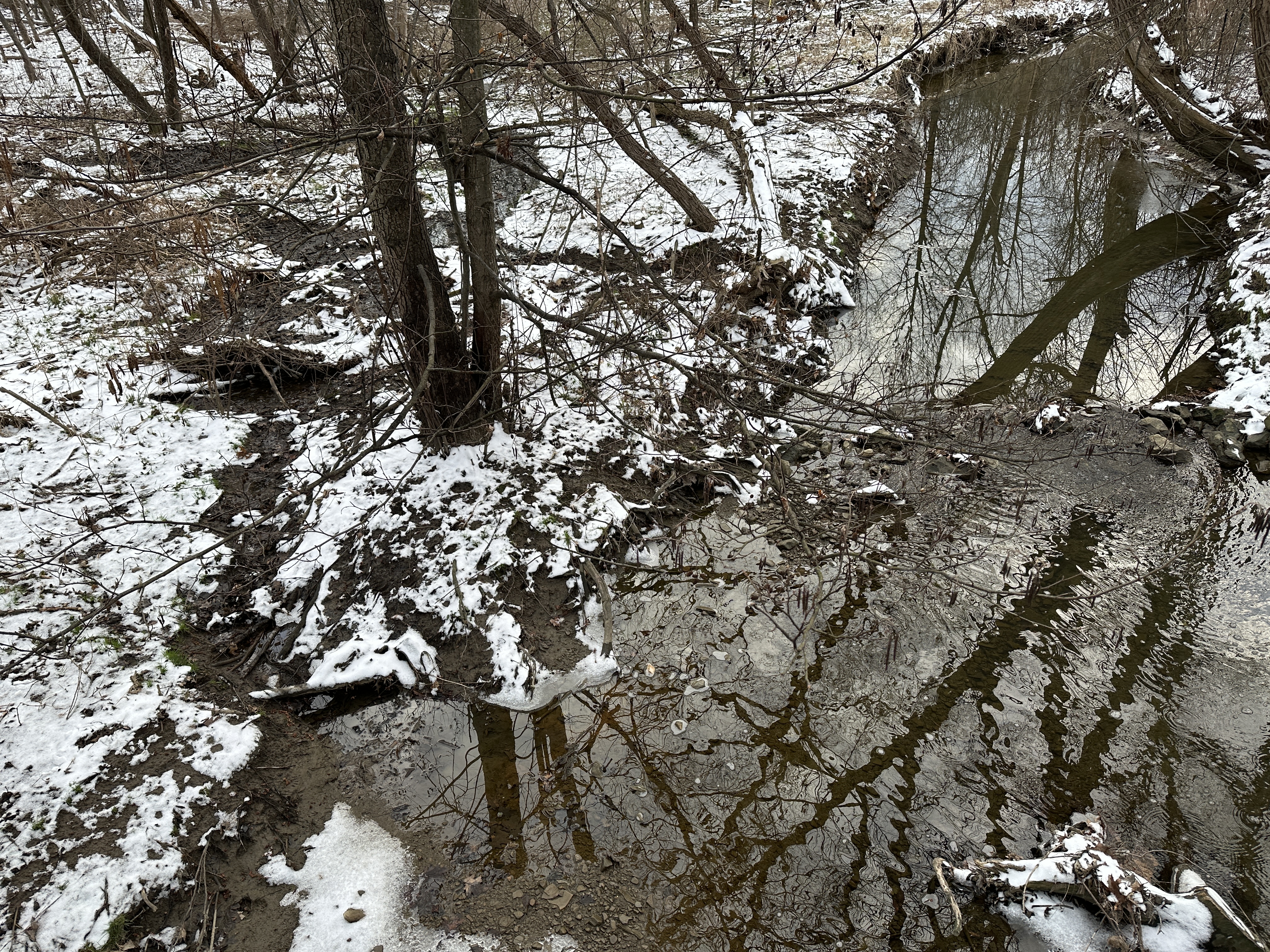
Wednesday, February 18.  We had a wonderful reprieve this week, with (slightly) warmer temperatures just over freezing.  It gave all that snow a chance to melt, and us a chance to go for longer walks, and see little peeks of green under brown leaves.  Snow is predicted again for the weekend – it must be February in the Great Lakes! – but with the light growing and a bird calling here and there, we are that bit closer to spring. In the middle east of course, the rainy season continues – grains planted earlier are growing, and some crops such as beans and vegetables are still being sown. 

We begin the month of Adar with a shift toward joy – we are commanded to immerse ourselves in hilarity, laughter and play as we head toward the holiday of Purim in the middle of the month.  It is a time to remember, re-create, or create from scratch, the giddy happiness of children.  The Purim holiday itself gives us something to focus on – what will our costumes be, what silliness can we celebrate with our friends or children or grandchildren, what crazy lyrics can we set to familiar songs, how can we make it fun for everyone?

I’ve been reading lately about the importance of play for the development of children – and the importance of developing a play life for adults.  For children, play is critical to the development of the whole child – social, emotional, physical, spiritual and mental.  For adults, it connects us to others and to the universe, relieves stress, helps us to learn and explore new ways of being.  Dr. Stuart Brown, in his book  Play: How it Shapes the Brain, Opens the Imagination, and Invigorates the Soul, talks about play for adults as well.  He defines eight different play personalities, with many of us crossing over more than one area.  Are you a Joker, a Collector, a Competitor, a Creator, a Director, and Explorer, a Kinesthete, or a Storyteller?[1]

Learning about these areas has helped me realize that you can find joyful play in your life in ways way beyond telling jokes and goofing off with friends (which can be an annual challenge for those of us whose take on life is more earnest).  But Dr. Brown’s approach says, do what is fun for you! It’s still joyful and playful!  As adults with decades of responsibilities, we may find we need to consciously work on learning to play and be joyful.  In Adar, we have permission to make playdates for ourselves daily.  May it become a habit that enlightens our whole year – Chodesh tov! — K. Miriam

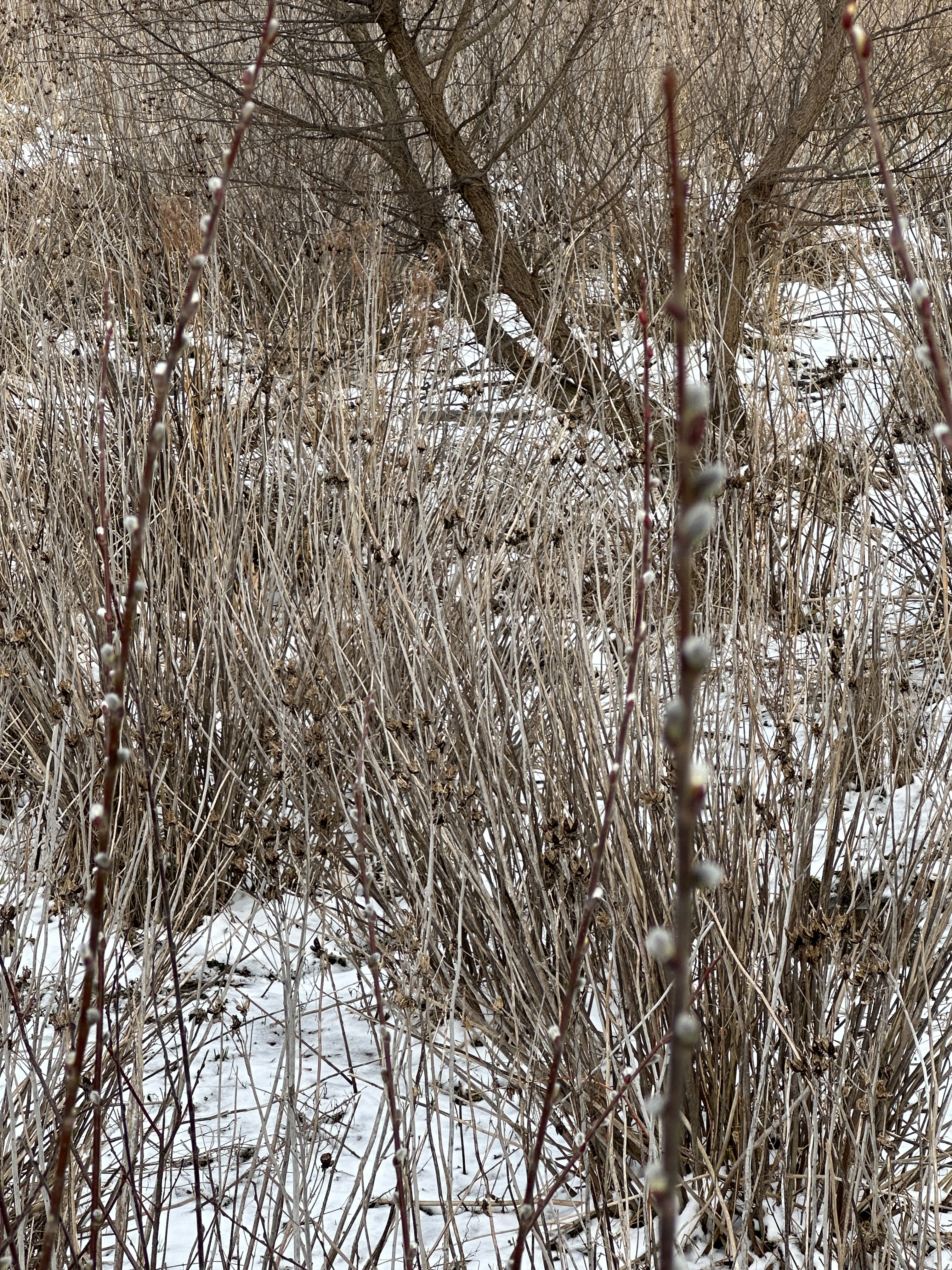
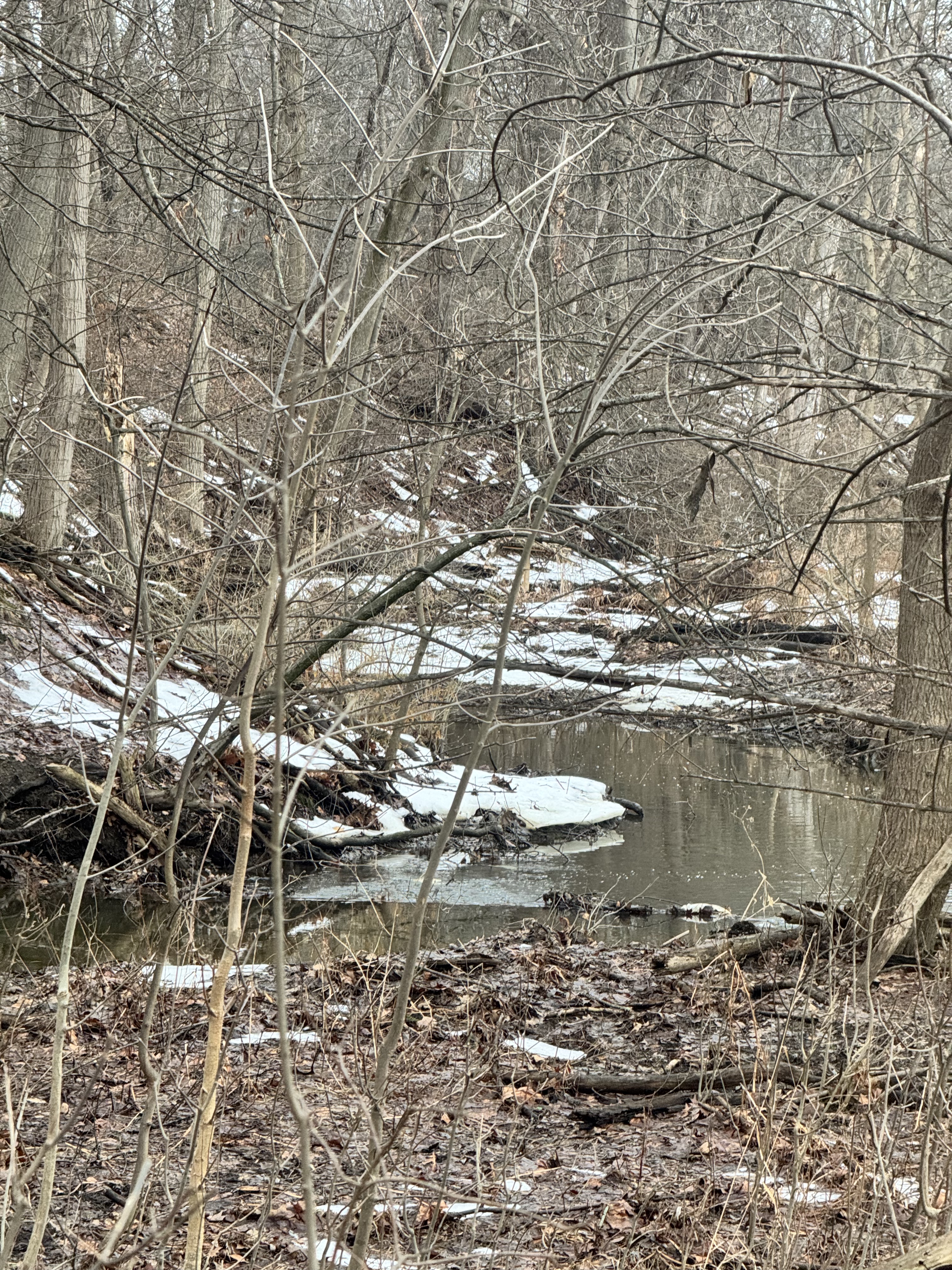
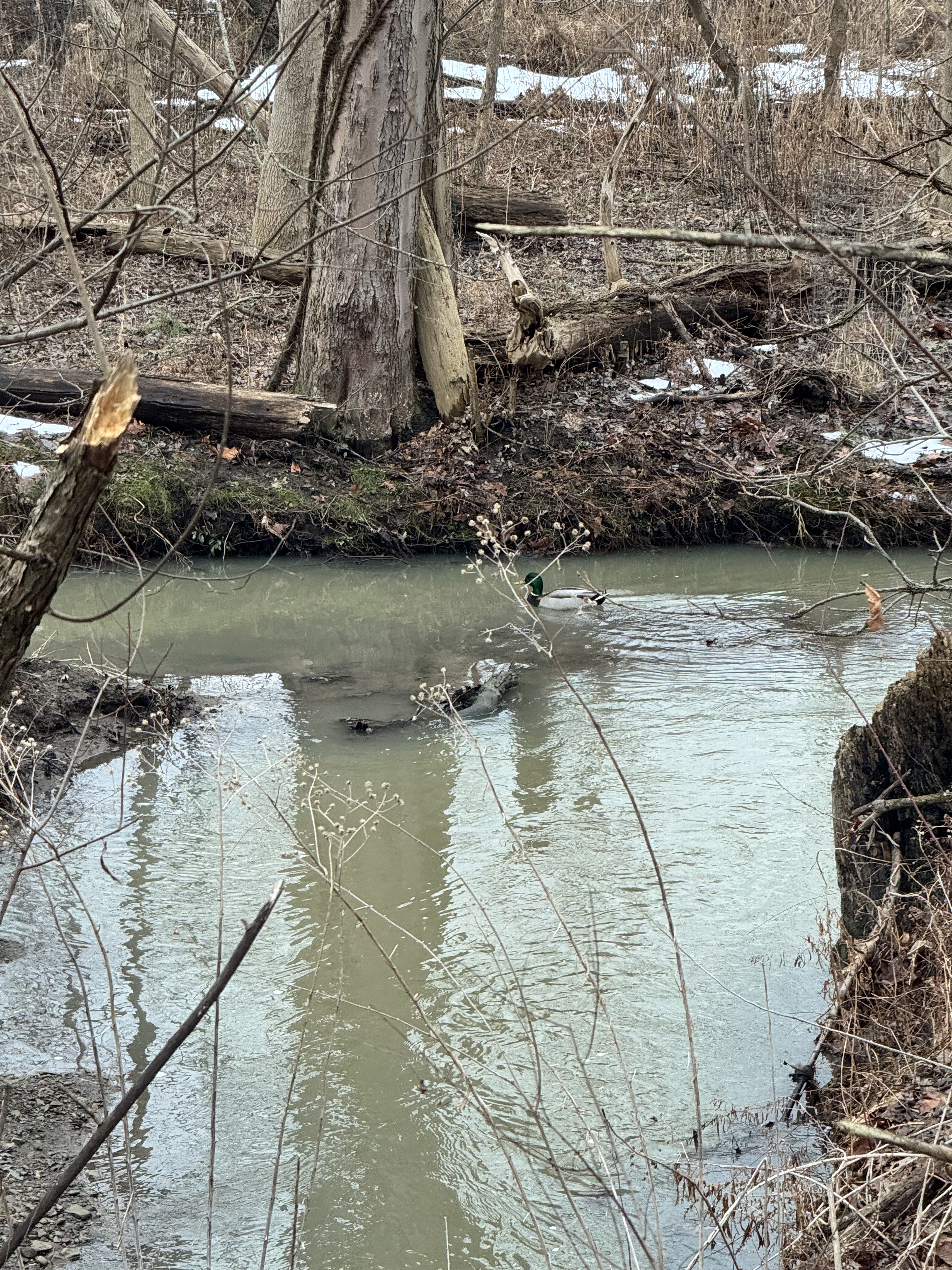
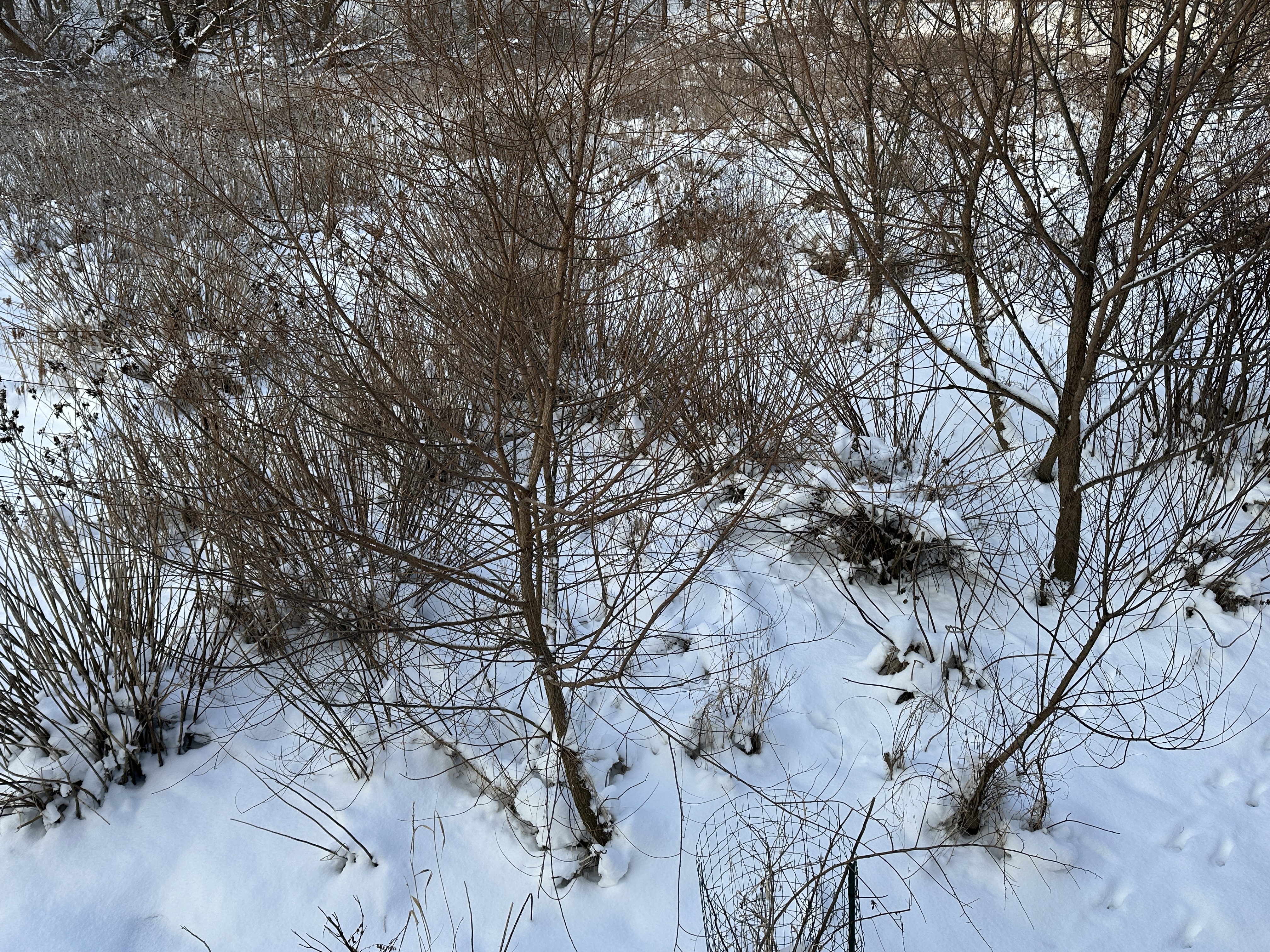
Many thanks to Ann for her beautiful photos of this transitional time of year. 

Our next Rosh Chodesh Walking Meditation will honor the month of Nissan, Thursday, March 19, 8:30 am.  Rain or snow or shine!  Contact us for location.


[1] See https://nifplay.org/what-is-play/play-personalities/

Shvat 5786 שבט

Monday, January 19, 2026.  A cold morning! There was fresh snow and the walkways had good snowy footing, crunchy and dry.  Three of us diehards made it to celebrate the arrival of Shvat, and with it, the first glimmers of hope for spring.  We have made it through the two darkest months, on either side of the winter solstice, and now there is a bit more light in the evenings.  This month in the middle east, trees are beginning to bud.  Here in the Great Lakes, we know we have months to go, but the sap will rise in the trees, and return us to greenery once again. 

Shvat is of course the month when we celebrate trees and the natural world.  This seems like a strange thing to do in winter, but it is just at this point, after the darkest months are past, when we become aware of the increasing light, and renew our hope for the ever-changing cycle of seasons.  New buds will form, new leaves will grow, new crops will mature and ready themselves for harvest.  At the personal level, we will grow into the year and take action on our intentions to create a better world.  We will use our inner work of the past few months to fuel our work in the coming body of the year.  In Shvat, that effort is just beginning – still hidden – sap just rising in our hearts, as in the trees.  It is an auspicious time to plan, to ensure our energies will be well-spent in the coming season.  May we all find renewal of energy and intention, and make good and effective plans, as the light increases and the sap rises!  Chodesh tov! – K. Miriam   

Our next Rosh Chodesh Walking Meditation will honor the month of Adar, Wednesday, February 18, 8:30 am.  Rain or snow or shine!  Contact us for location.