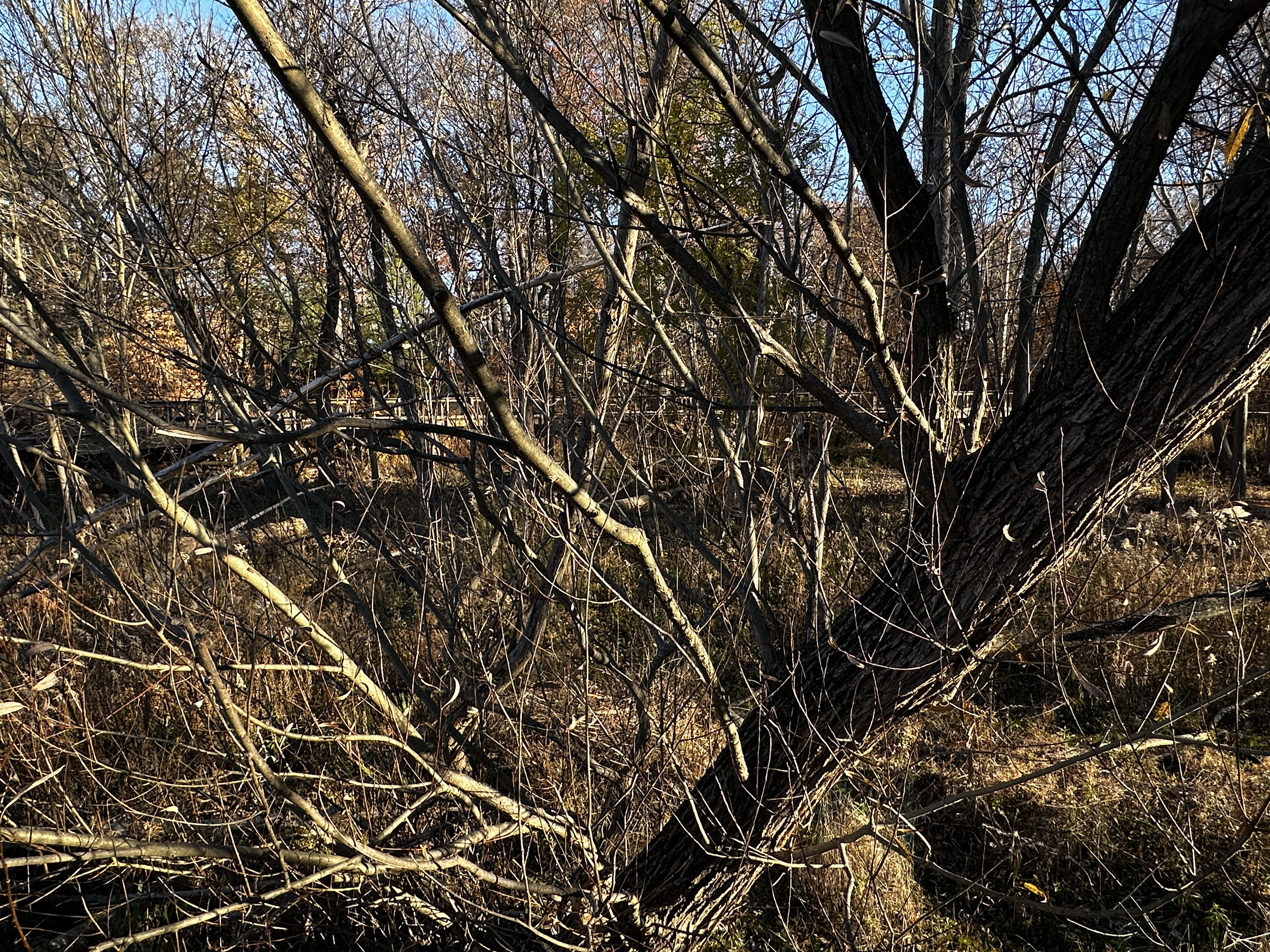

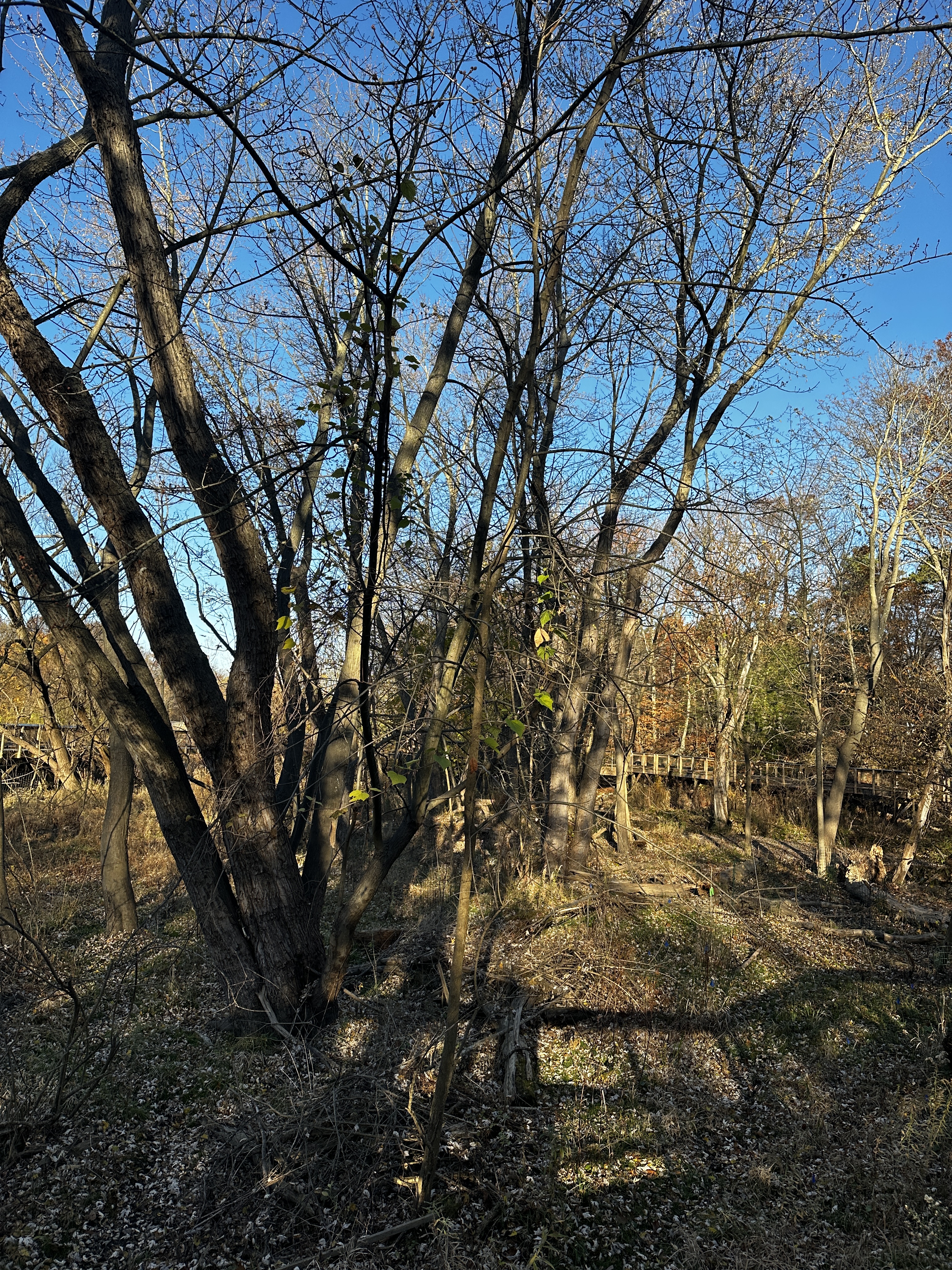


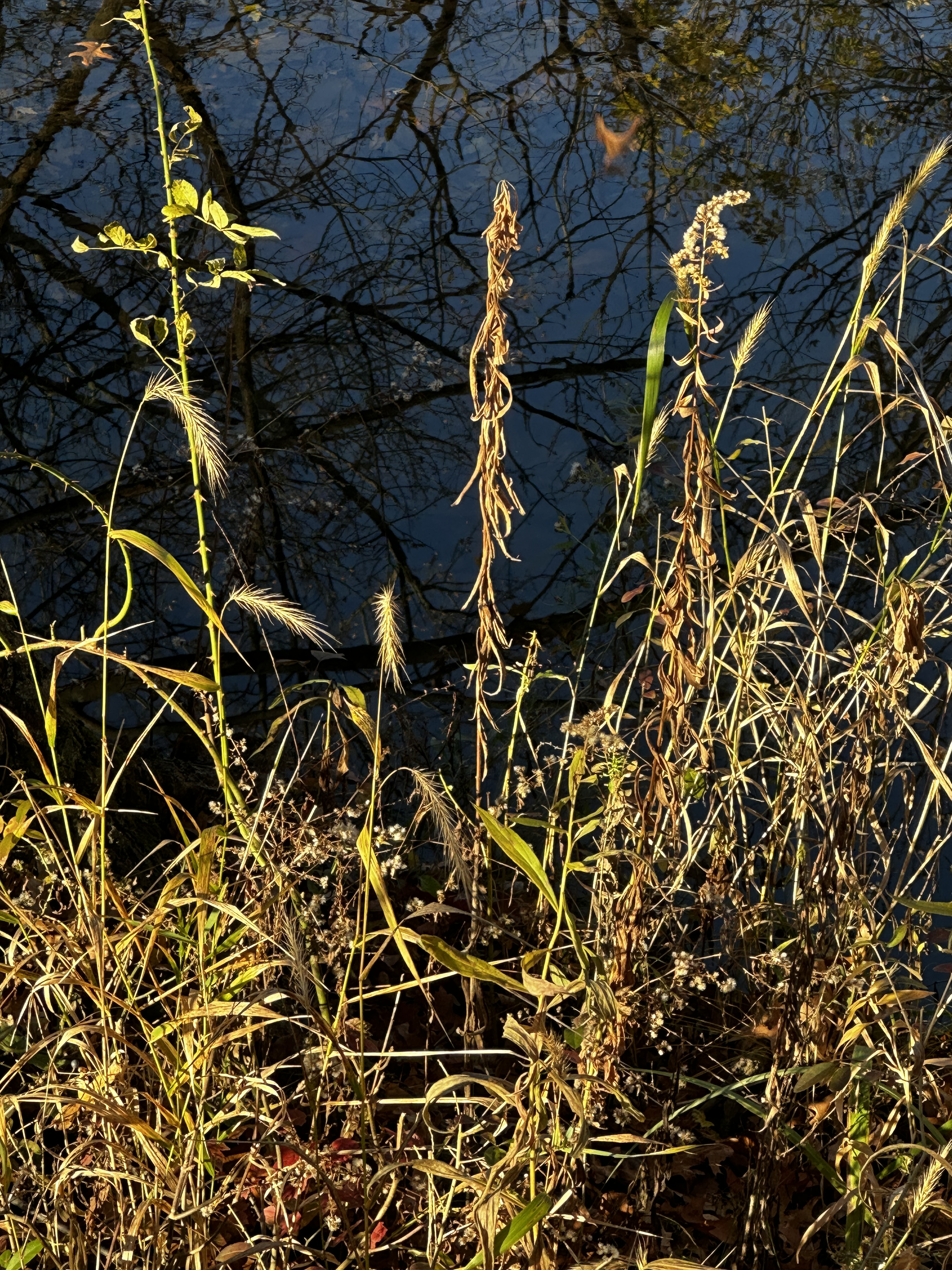
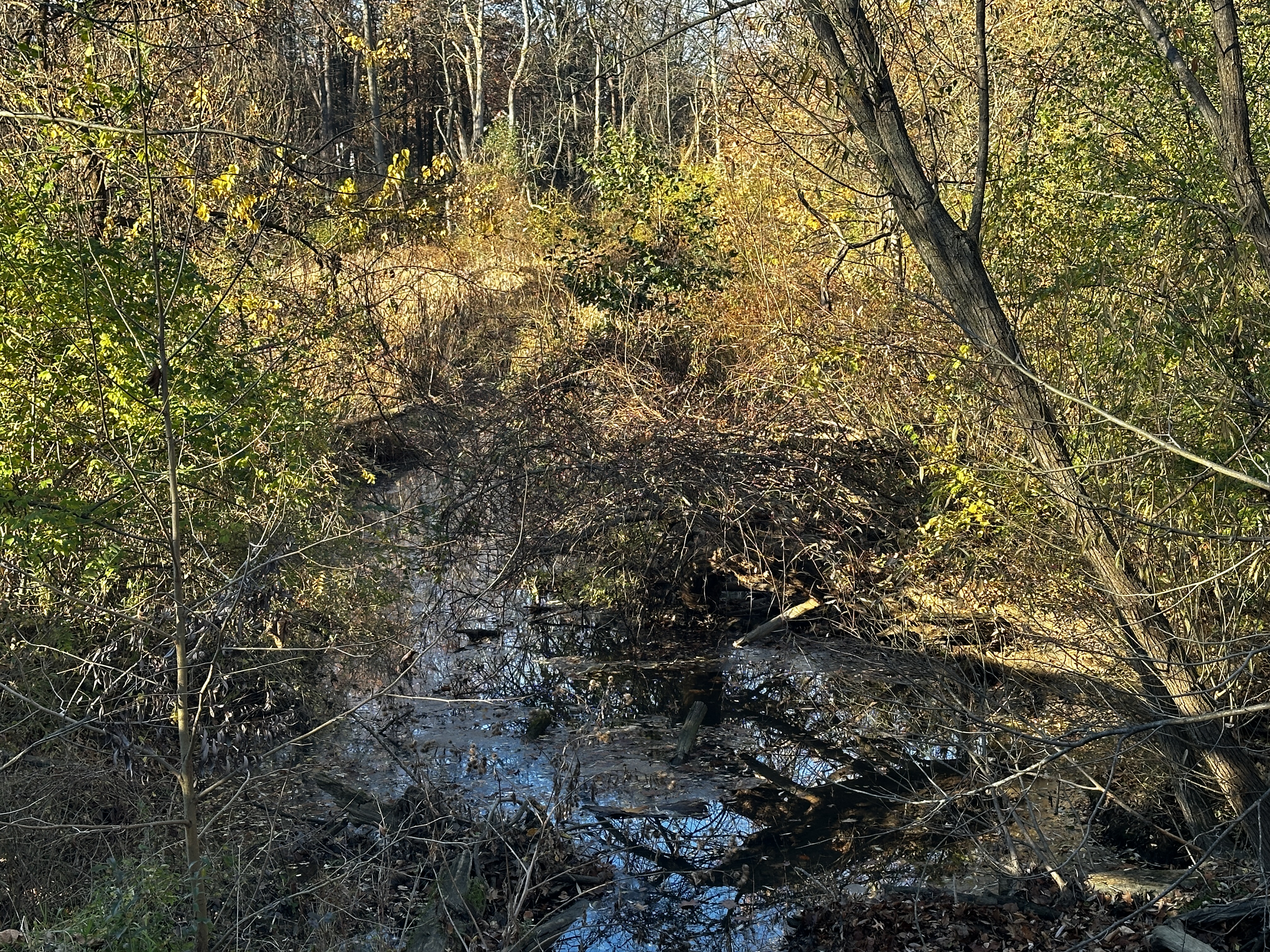

Tuesday, November 14, 2023. It was a truly beautiful morning, full of color and birdsong. Because Kislev is early this year, here in the Great Lakes, we’re still in late autumn – cold and crisp, the last leaves continuing to turn and fall. In the Middle East, sowing is taking place on farms – as it was in biblical times – wheat, barley, oats, peas, lentils – all in anticipation of winter rains. As we prepare here for a midwestern winter, we know that seeds are in the ground, falling asleep, settling for a while in order to burst forth in the spring.
In Kislev, the days continue to shorten, and daylight diminishes, until the winter solstice begins the lengthening of days once again. This year we are earlier than the solstice, but in any case, we are reminded of our faith in the rhythm of the seasons: the light will come again, and with it, spring. Nature endures, and will provide us with beauty and sustenance and joy.
The first 30 days of the mourning period after a death, in Jewish tradition, is known as Shloshim. We have come through Shloshim after last month’s day of terror – and now, in wartime, we seek ways to go forward. The future is murky, and our steps uncertain.
In the Torah, during the month of Kislev, we read many stories of dreams: Jacob’s dream while traveling of wrestling with an angel, Joseph’s dreams of cows and sheaves having dominion over others, and Joseph’s interpretation of the dreams of fellow inmates in the Pharoah’s prison in Egypt. Each of these has significance, pointing the way to a future for the dreamer and their families; each of these is mysterious on its face. Dreams raise questions, present new possibilities, give us beacons for guidance in the darkness, and allow us to face the mysteries in our lives.
Our source Jill Hammer quotes Rebekah Tiktiner, a 16th century Yiddish writer: I “have rolled the great stone off the rock, and drunk from it. And still I was thirsty.” Hammer’s response is that “The poet drinks, yet still she is thirsty. Our lives, like dreams, hold questions we have not answered.”[1] The message of Kislev is that we can dive deep into the darkness of the most difficult questions, and find light even there. Late in the month, we light the Hanukah candles in darkness, and the light grows day by day. May we each find our own light, and share it with others, in this dark time of uncertainty. May we find joy with each other, strengthening ourselves for the days ahead. And may peace come to the Middle East in our time. — K. Miriam
The next Rosh Chodesh walking meditation will honor the month of Tevet, Wednesday, December 13, 8:30 am. Rain or snow or shine! – contact us for location.
[1] Rabbi Jill Hammer, The Jewish Book of Days, p. 100. See “Sources” tab for full citation.
 Rosh Chodesh Cleveland