Tevet 5785  טבת

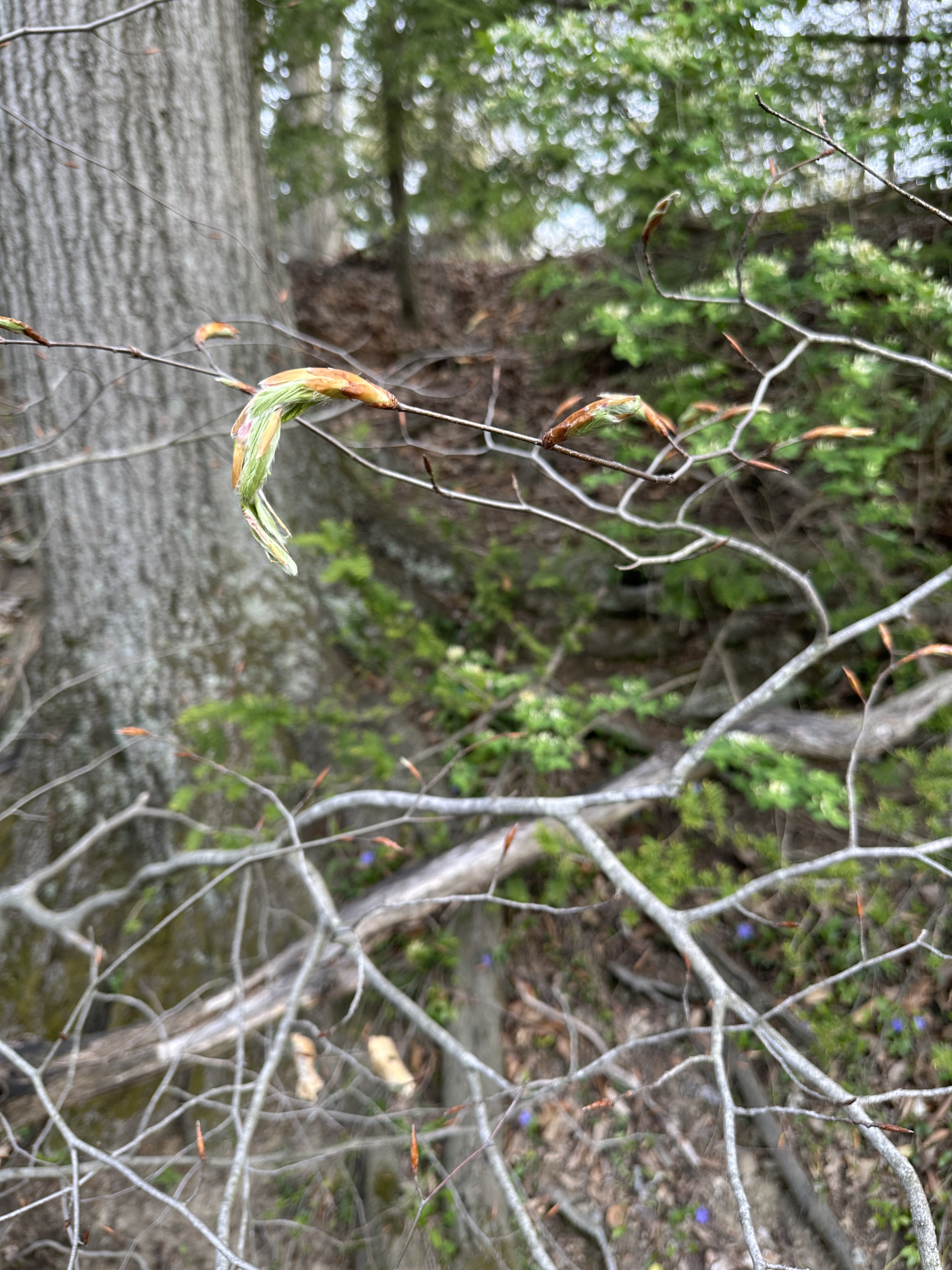
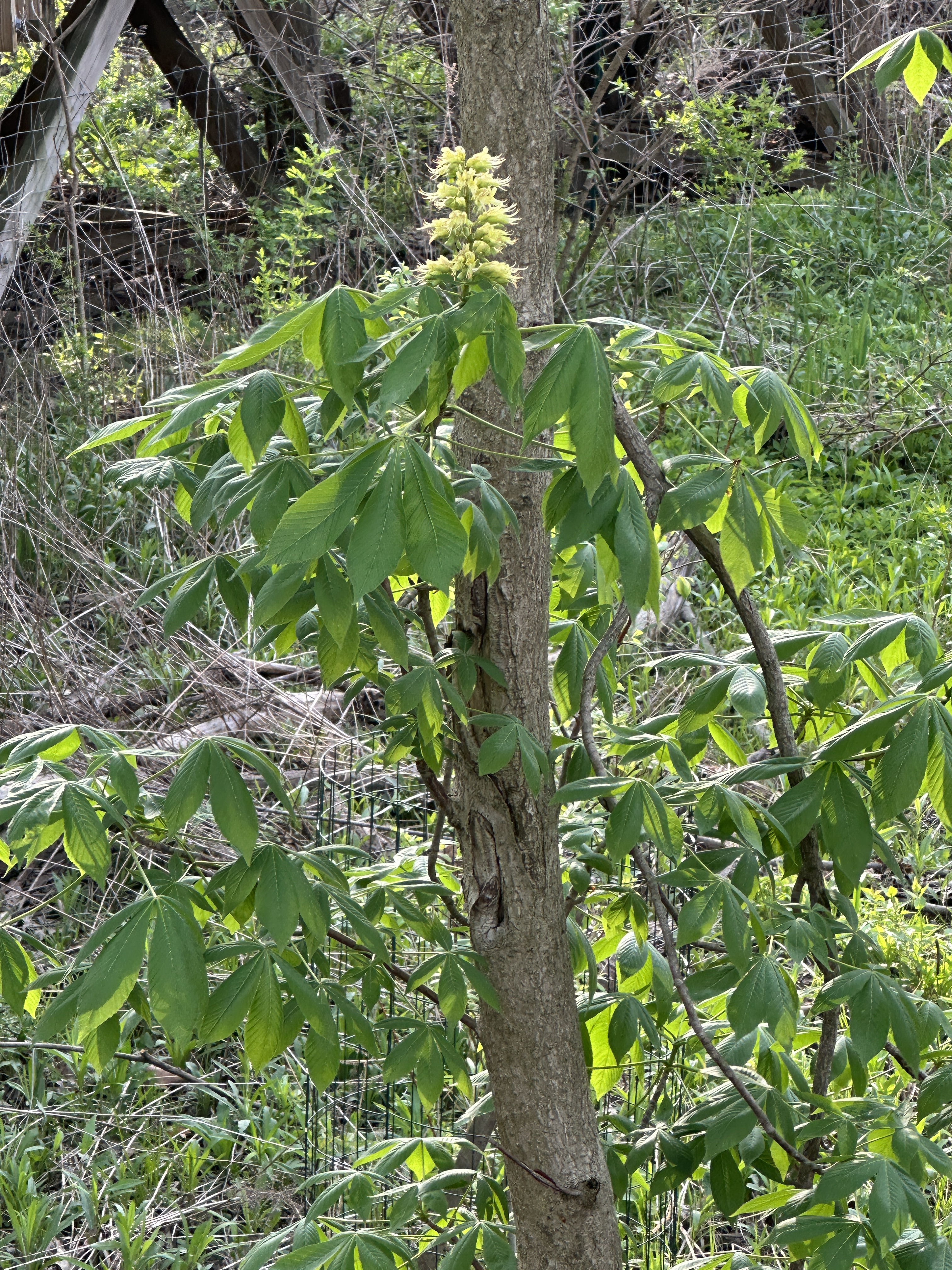
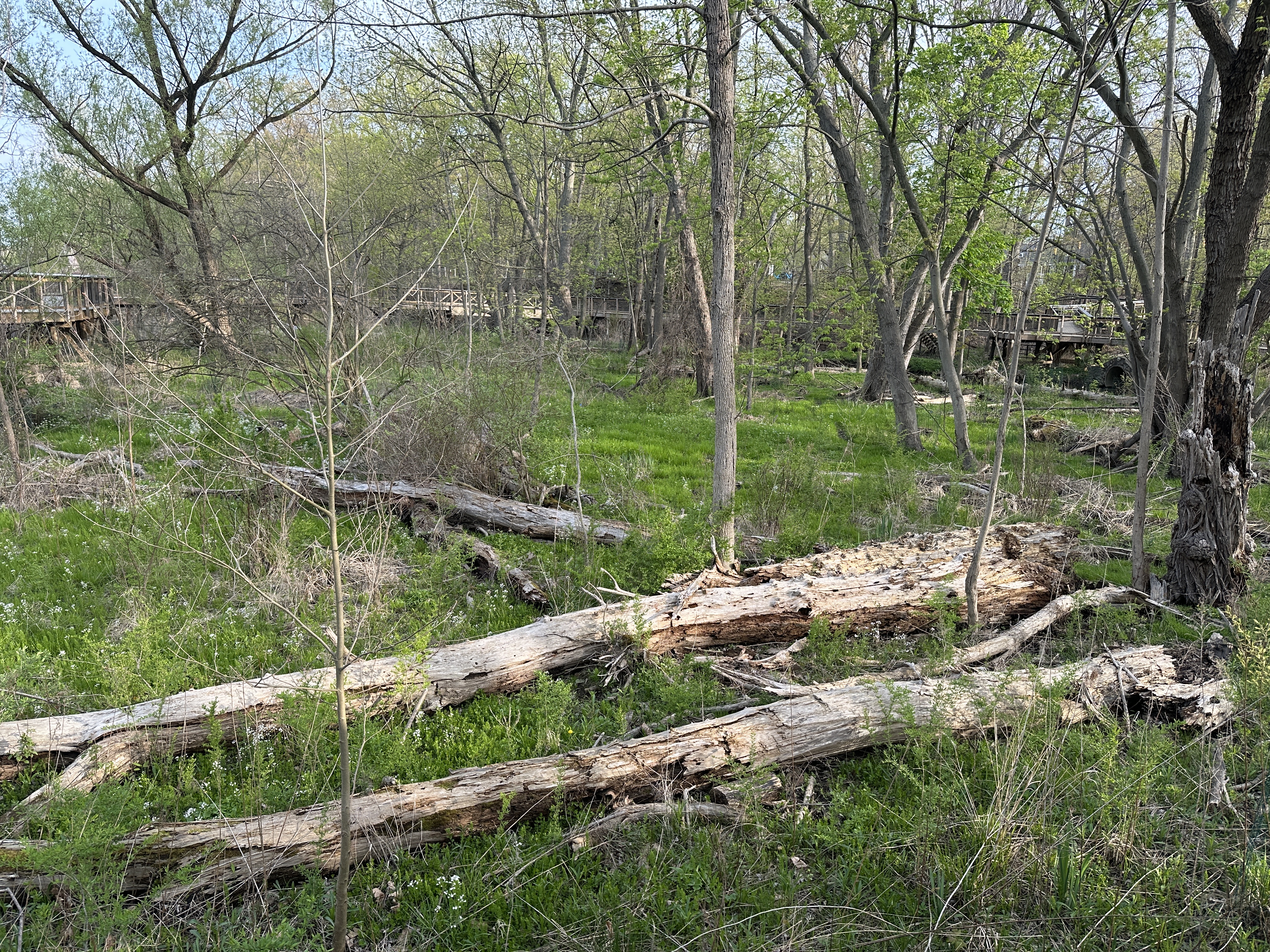
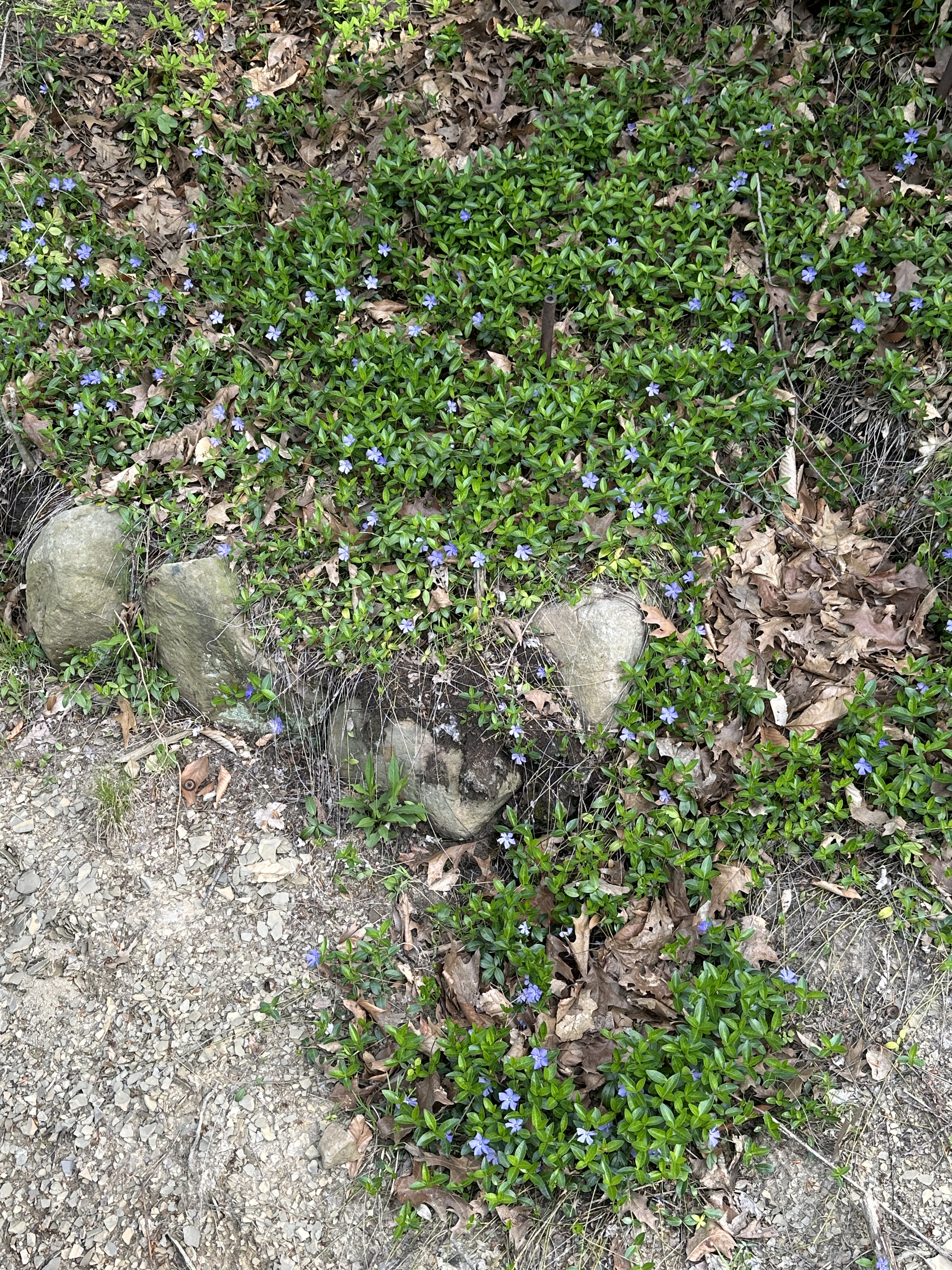
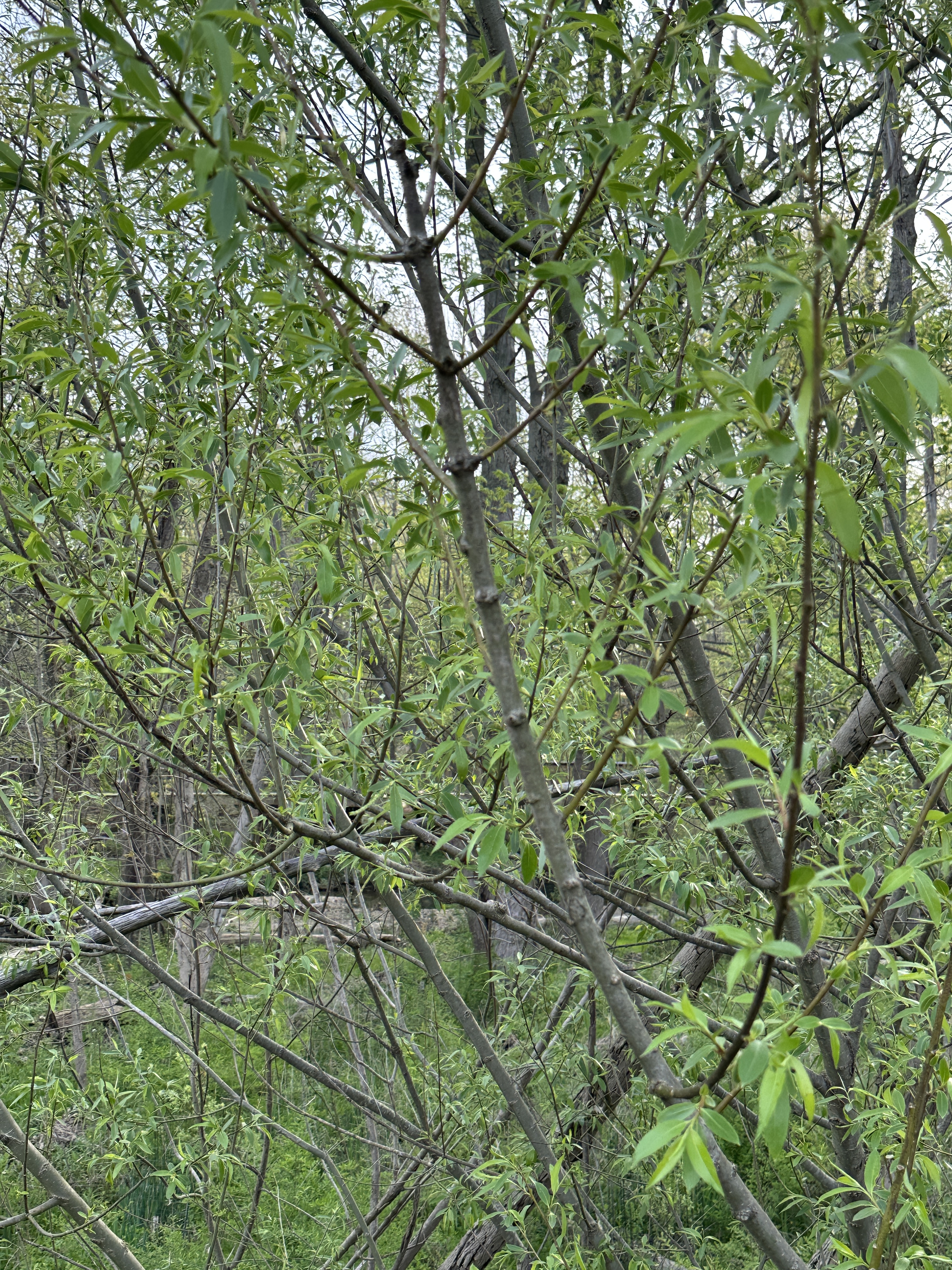
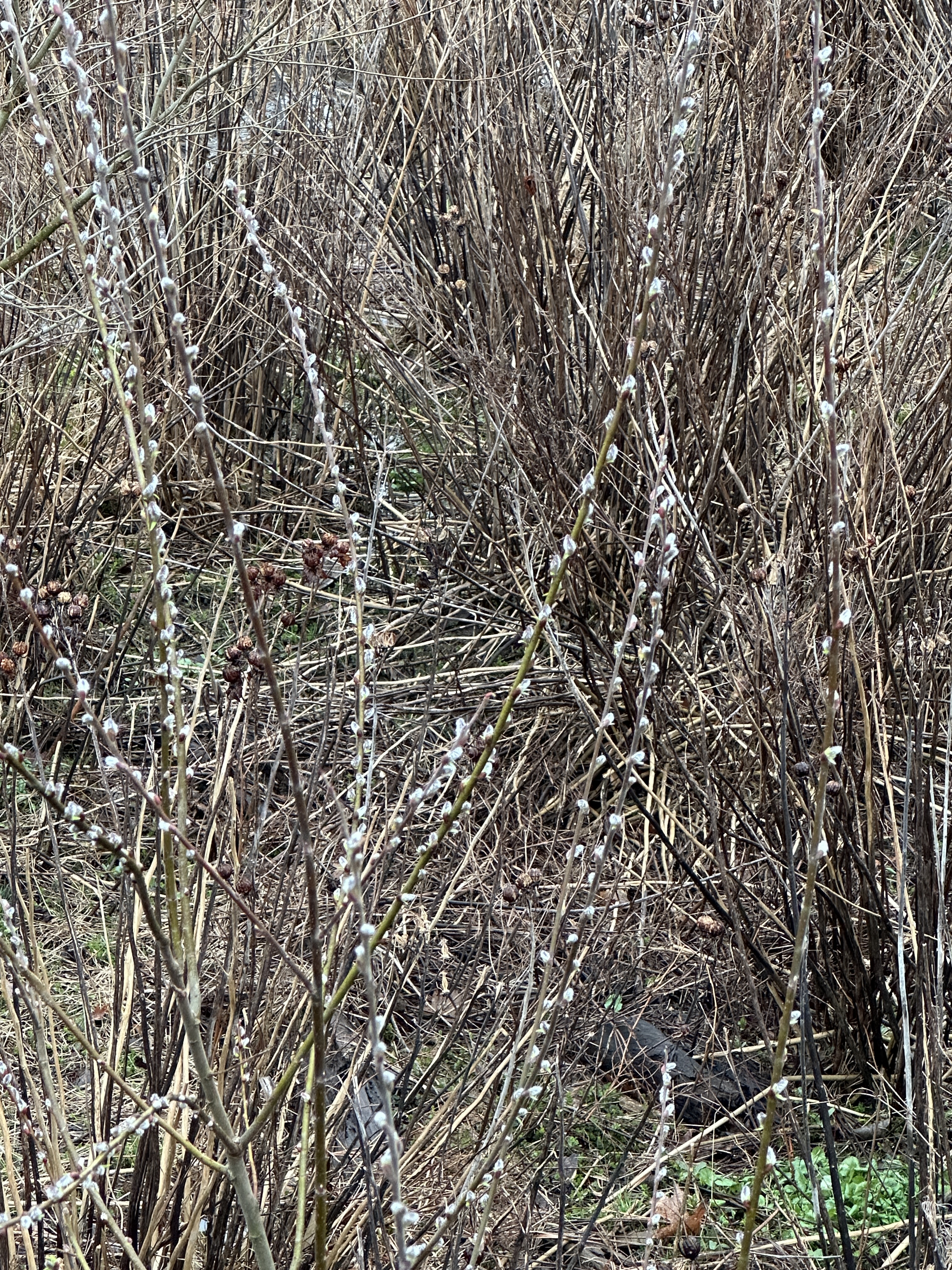
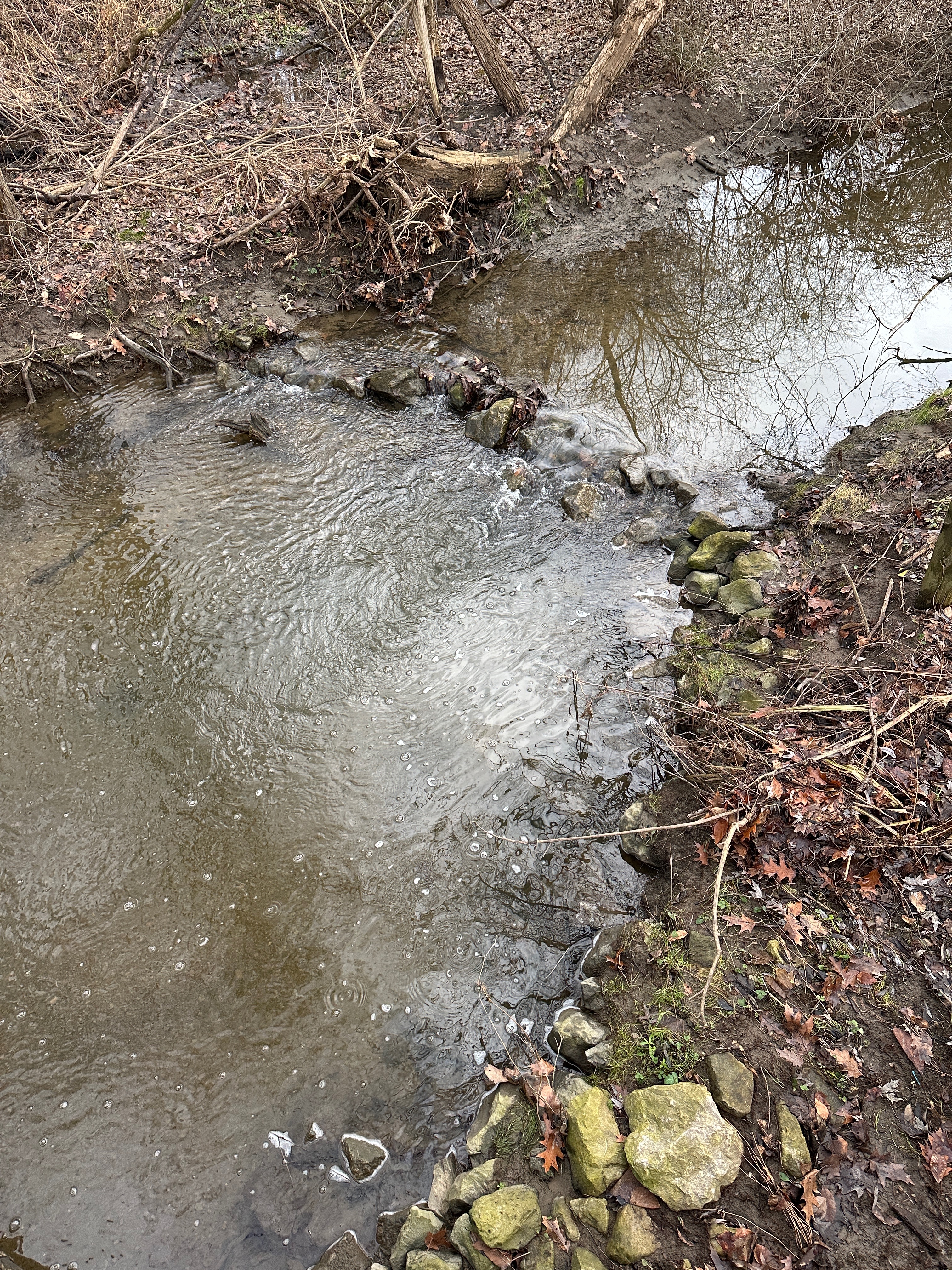
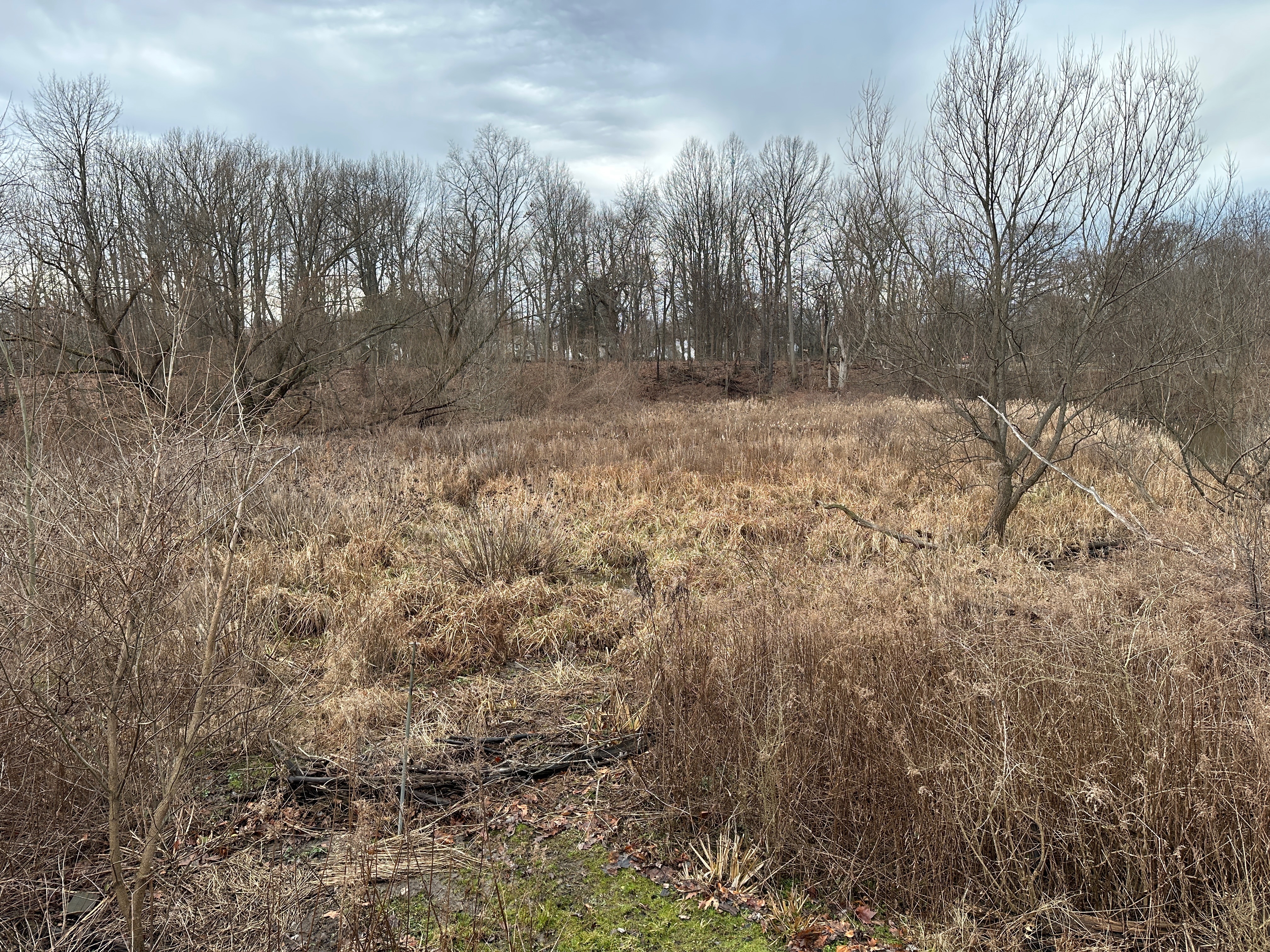
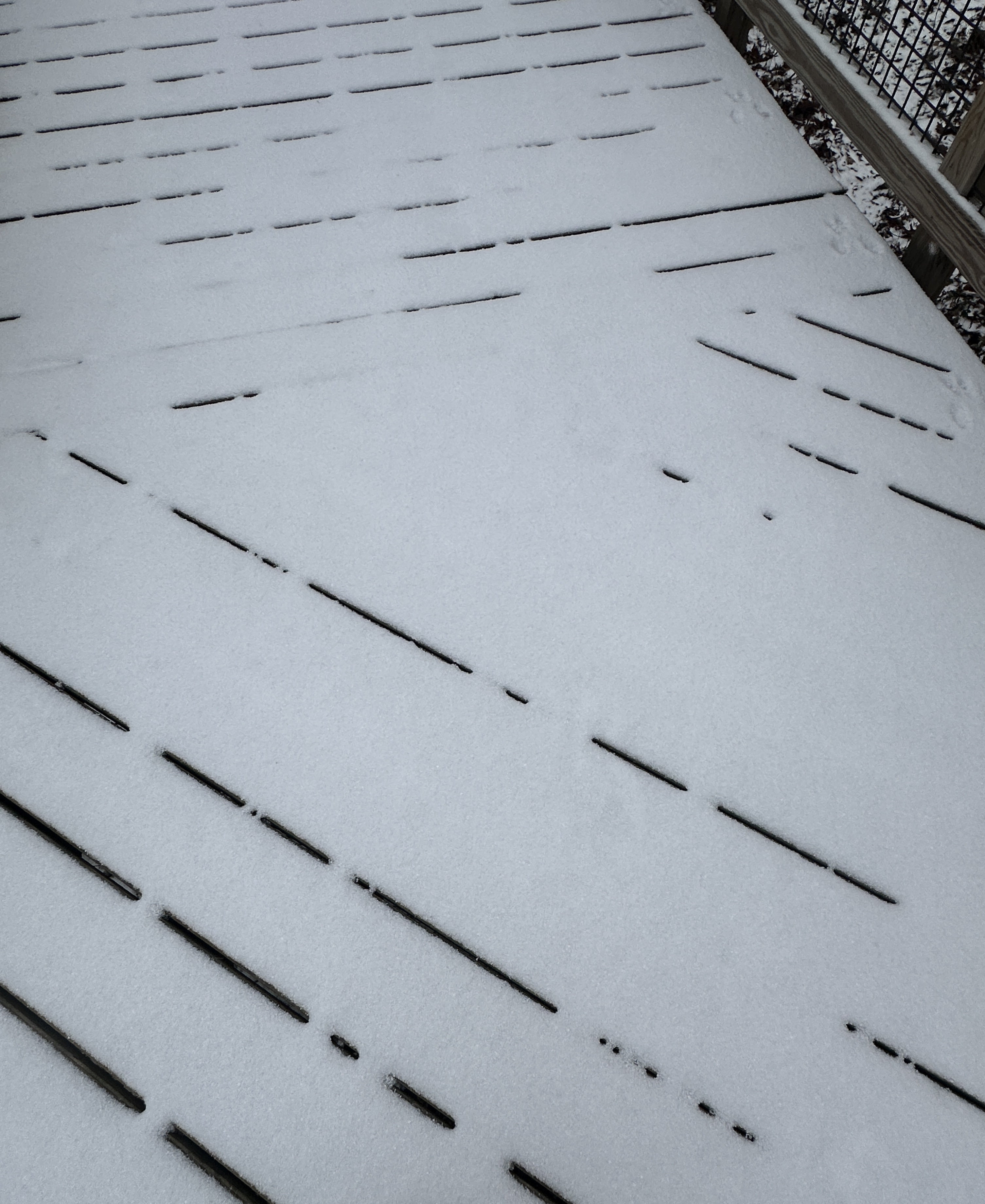
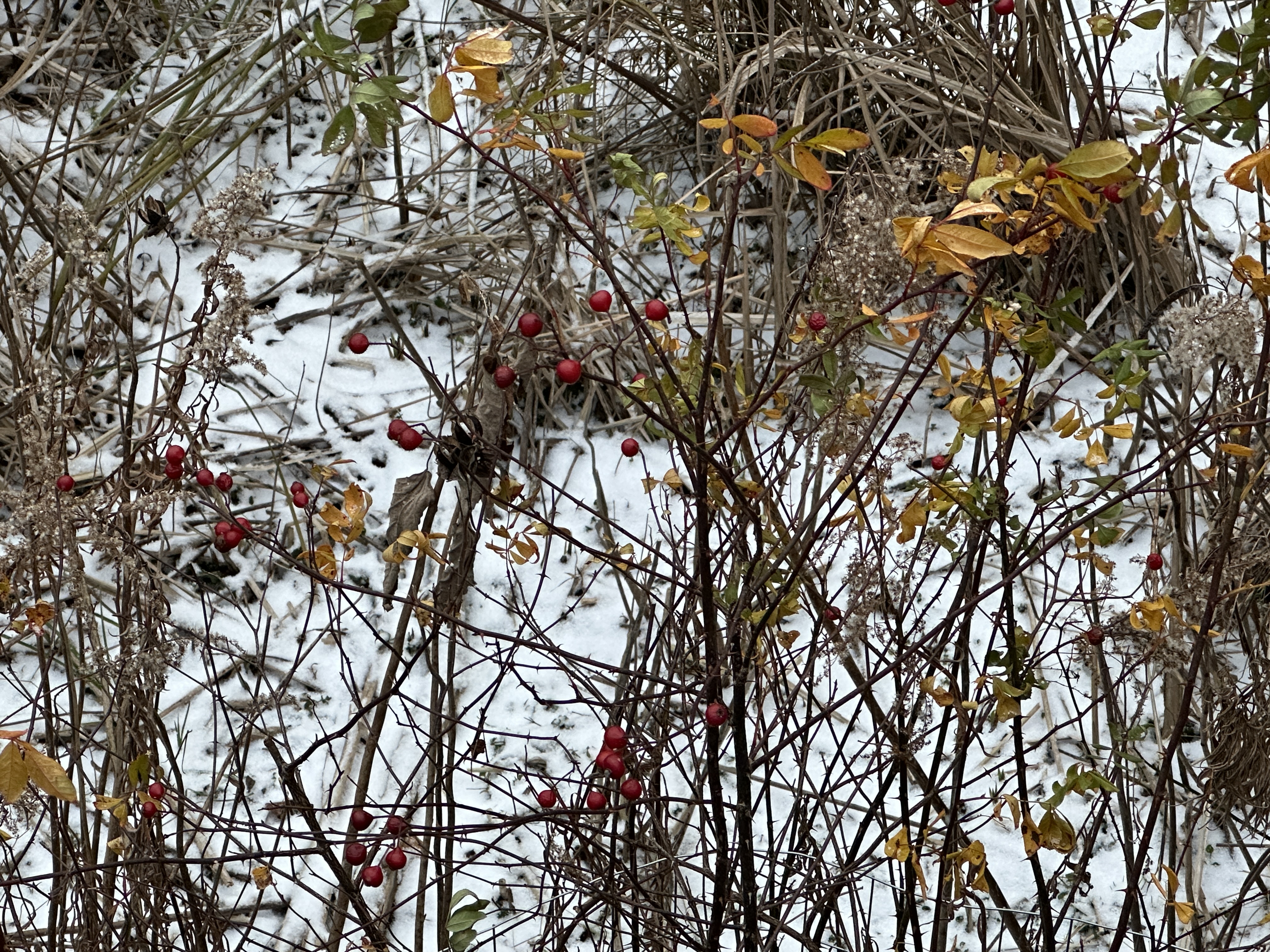
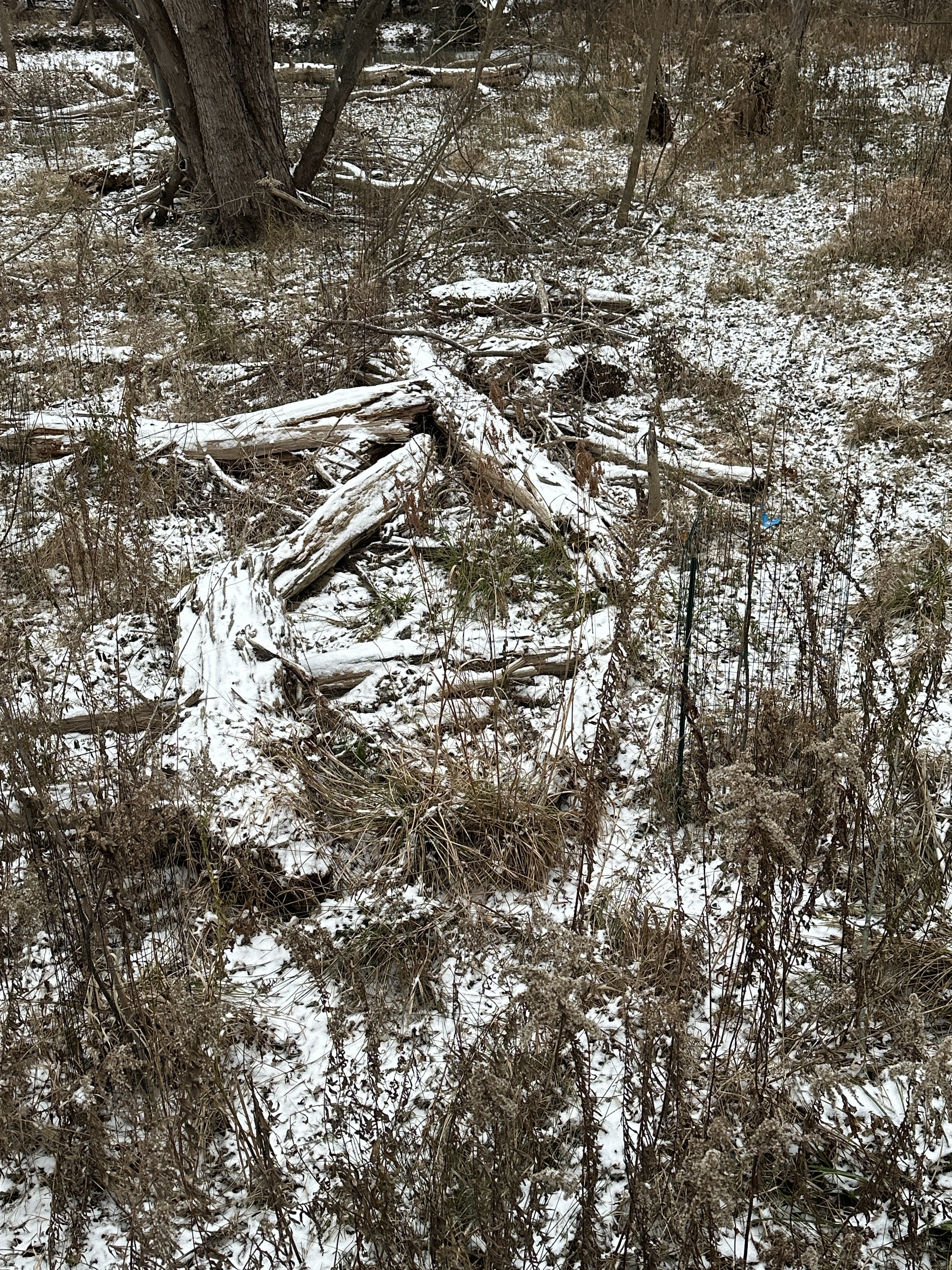
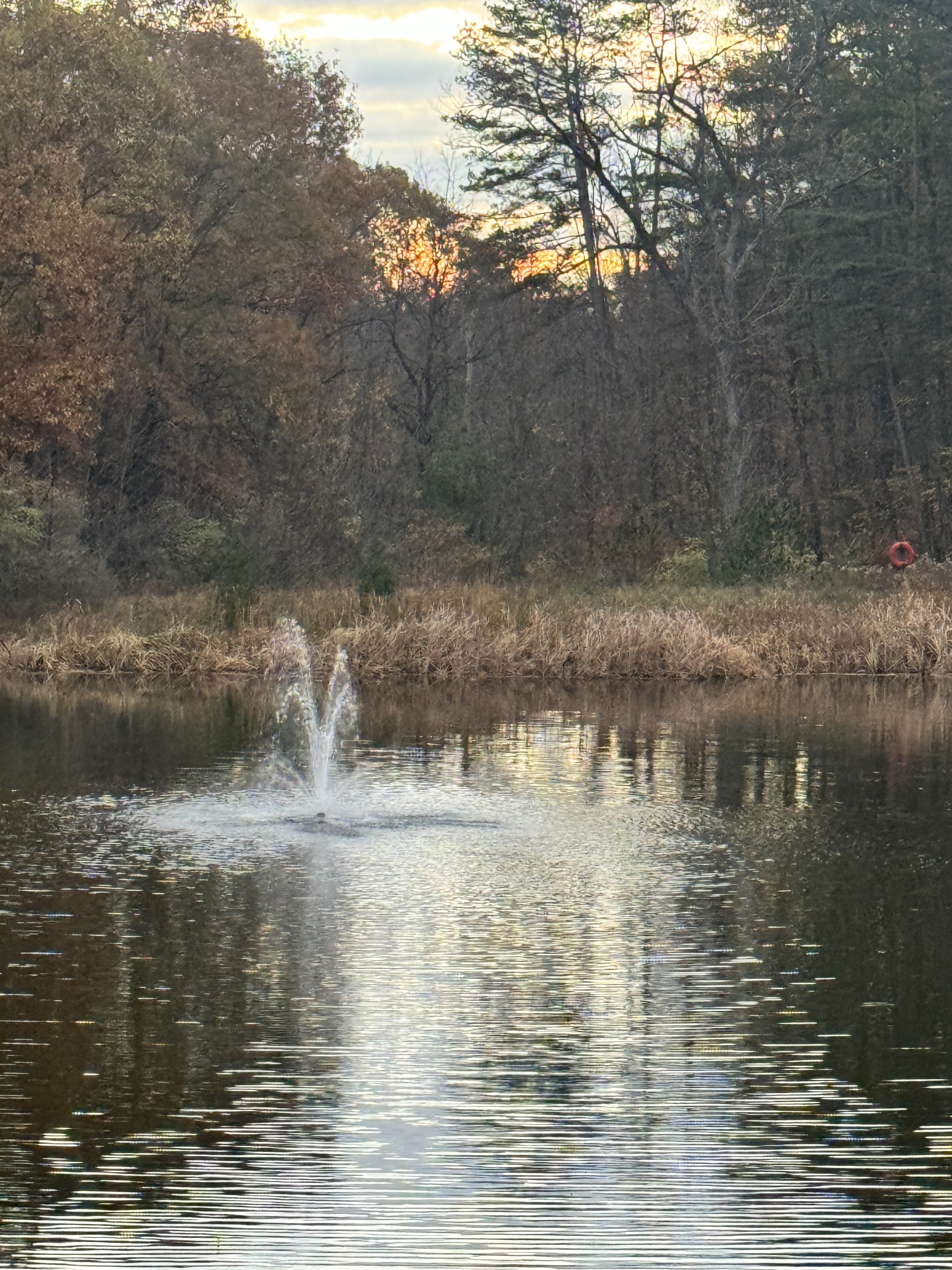
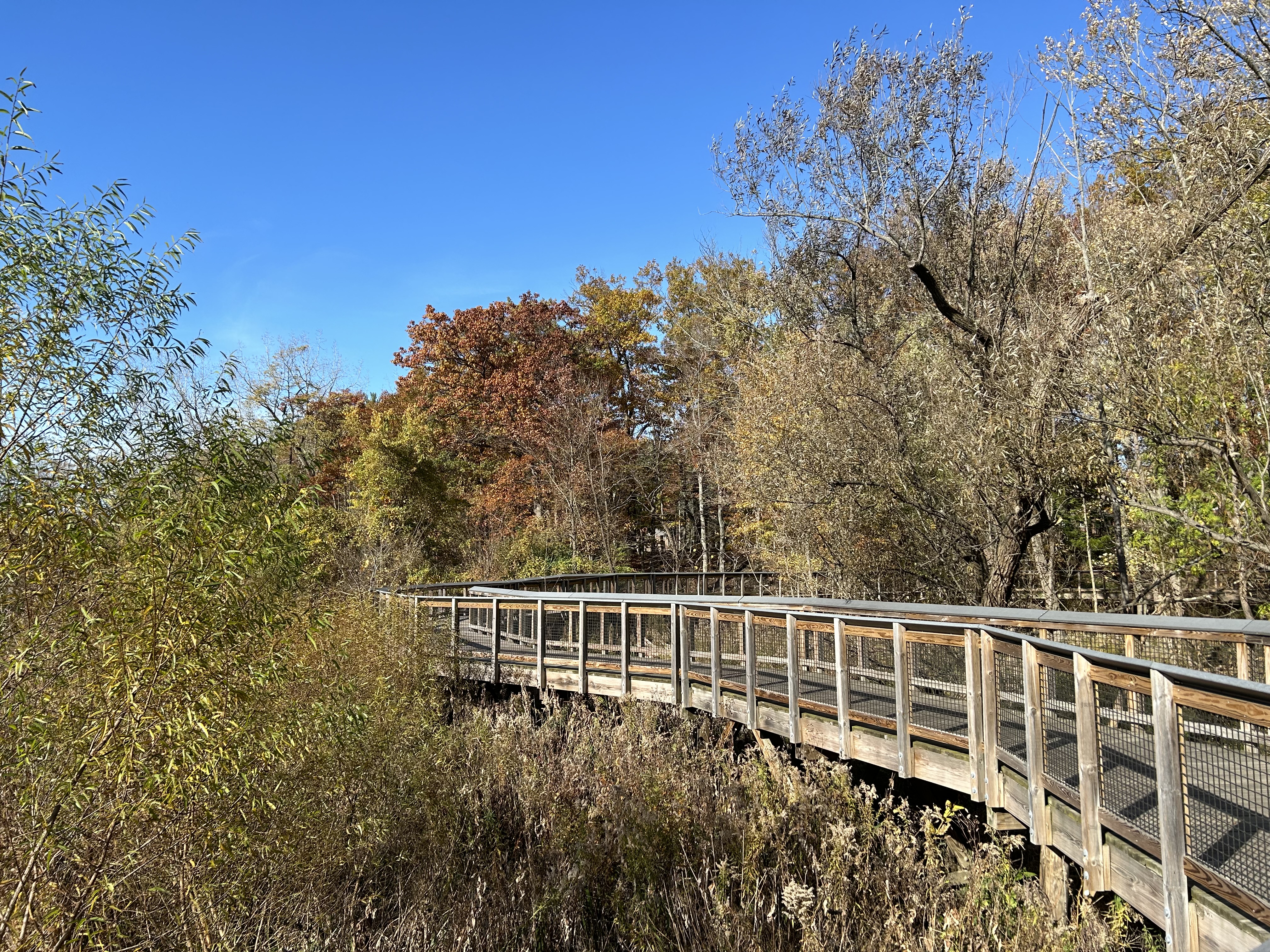
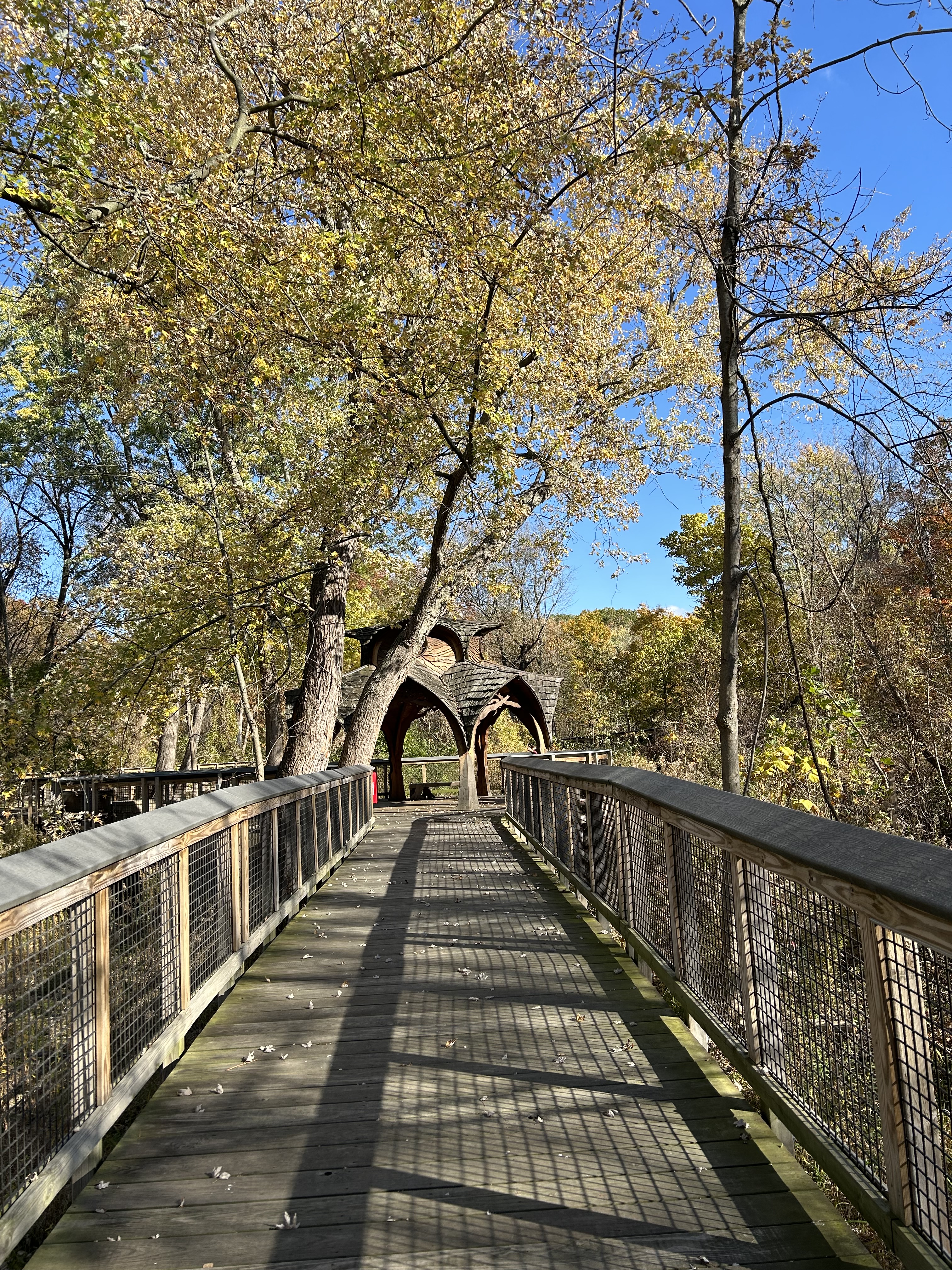
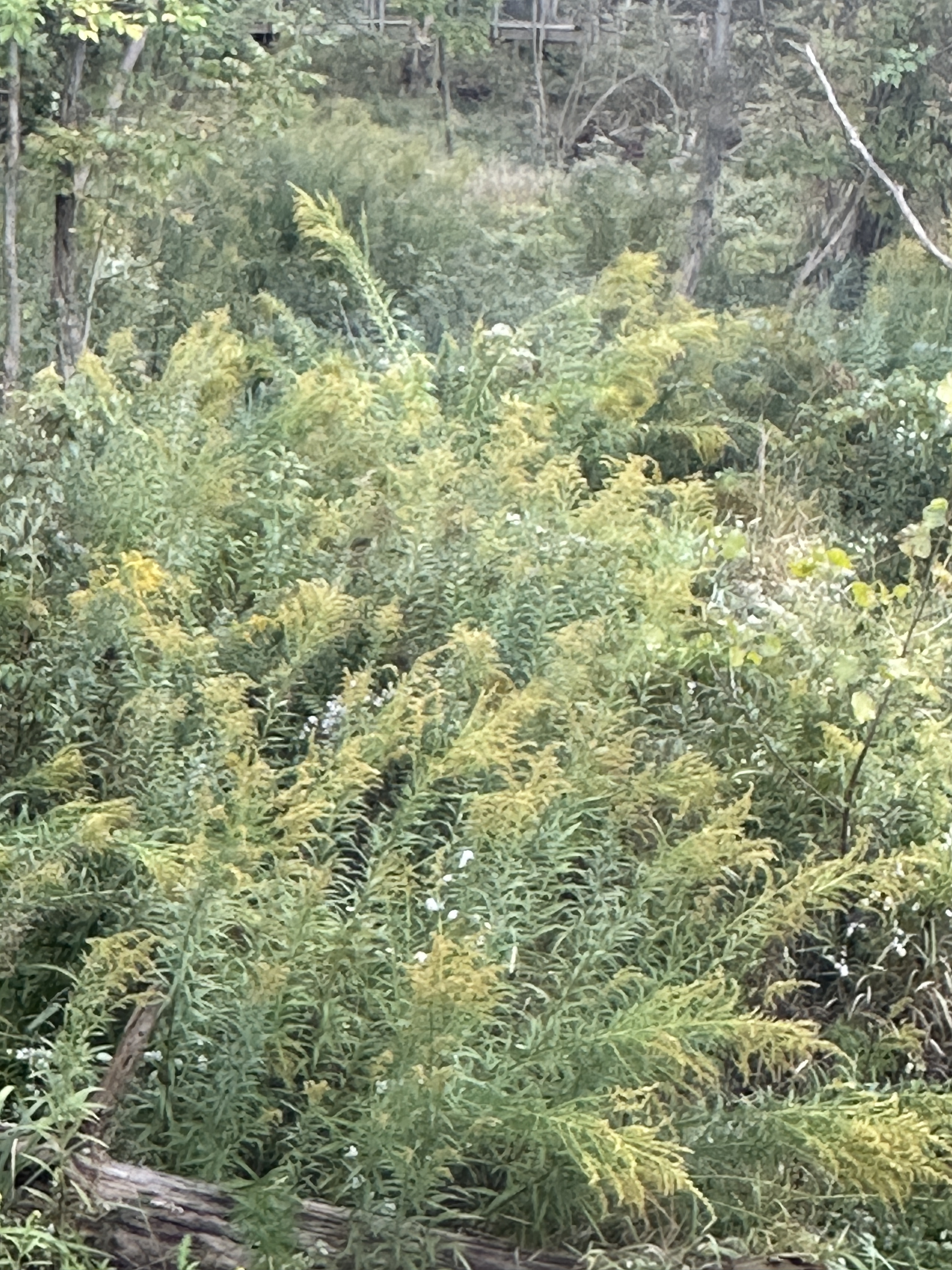
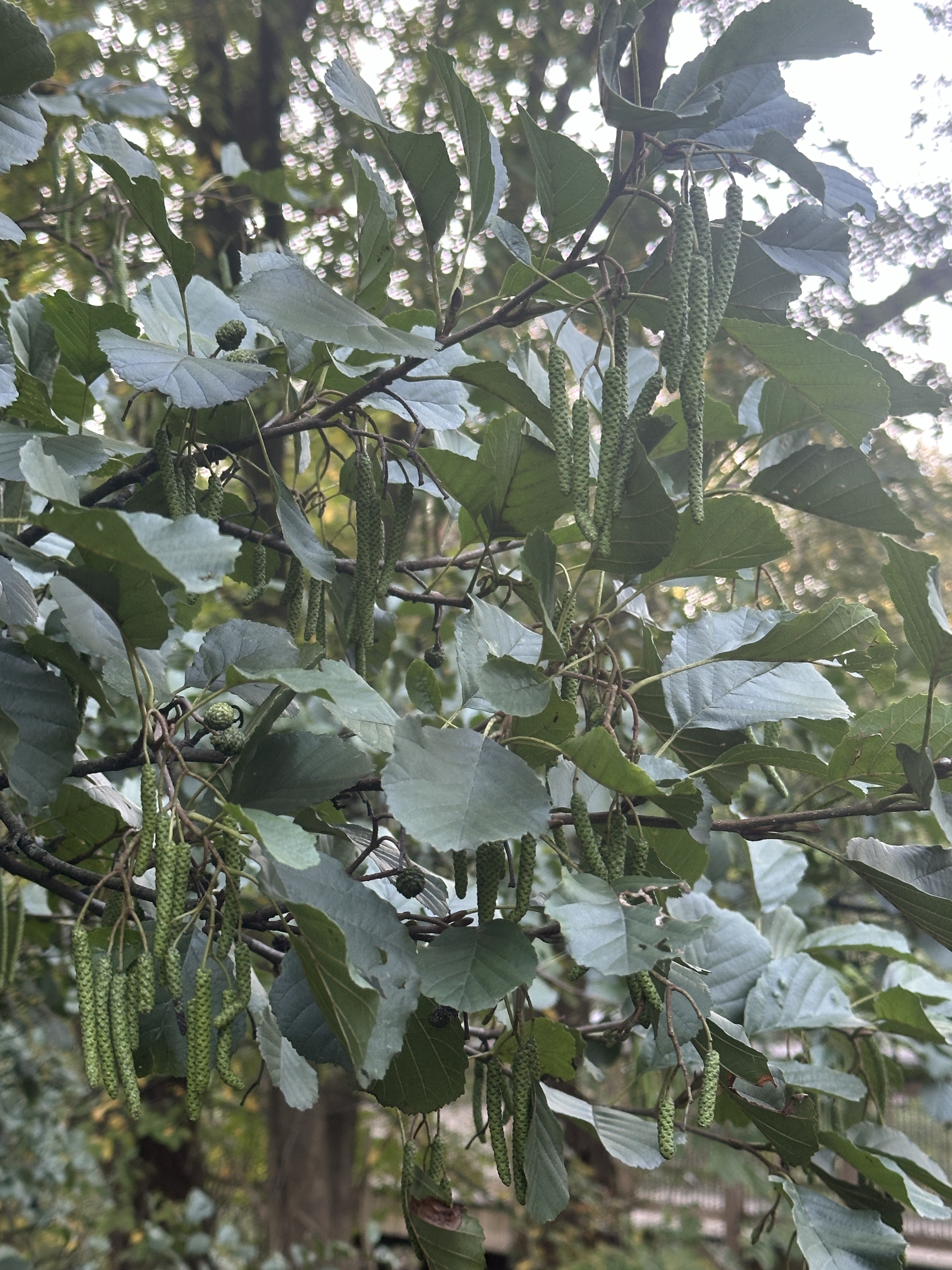
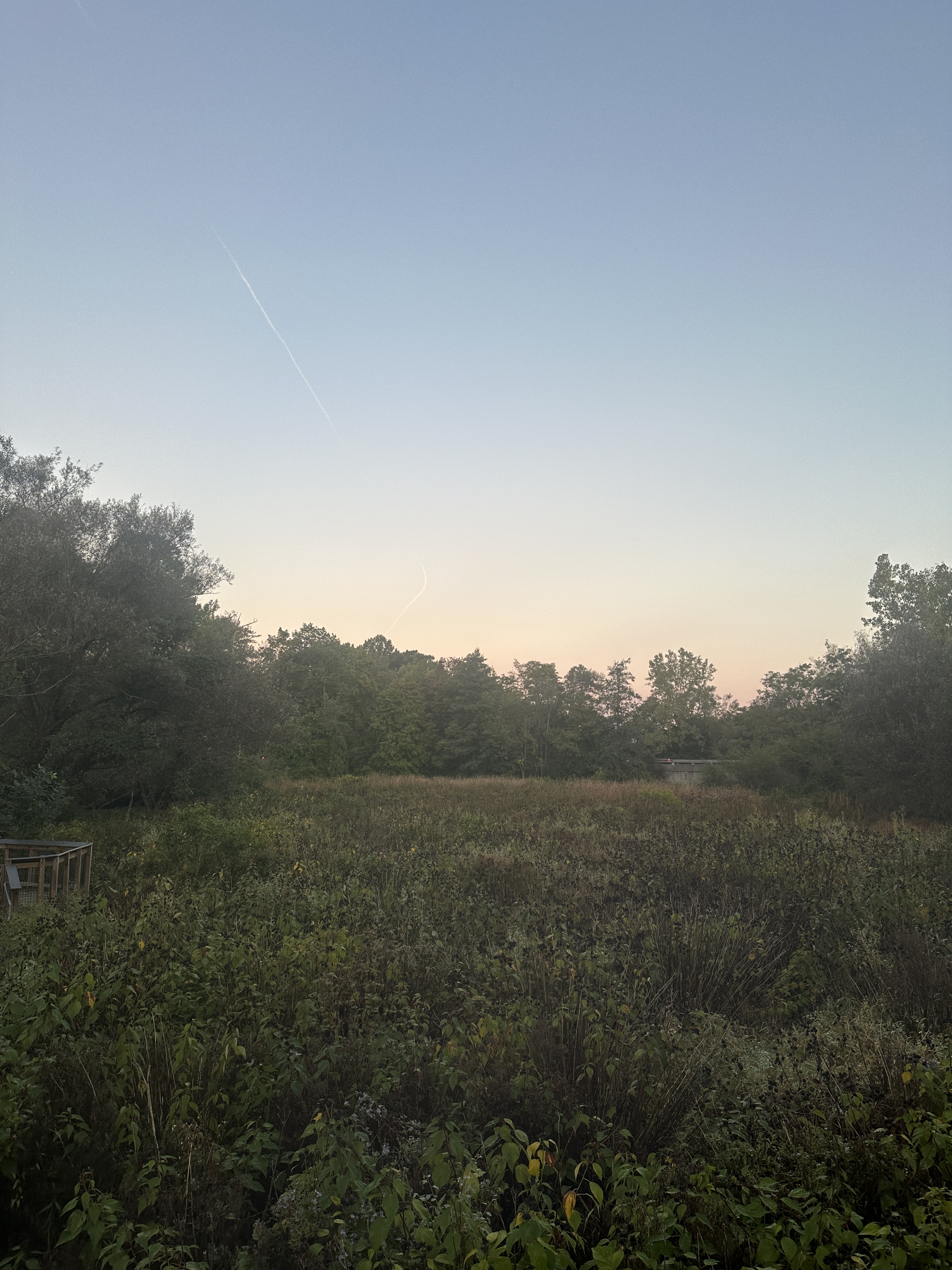
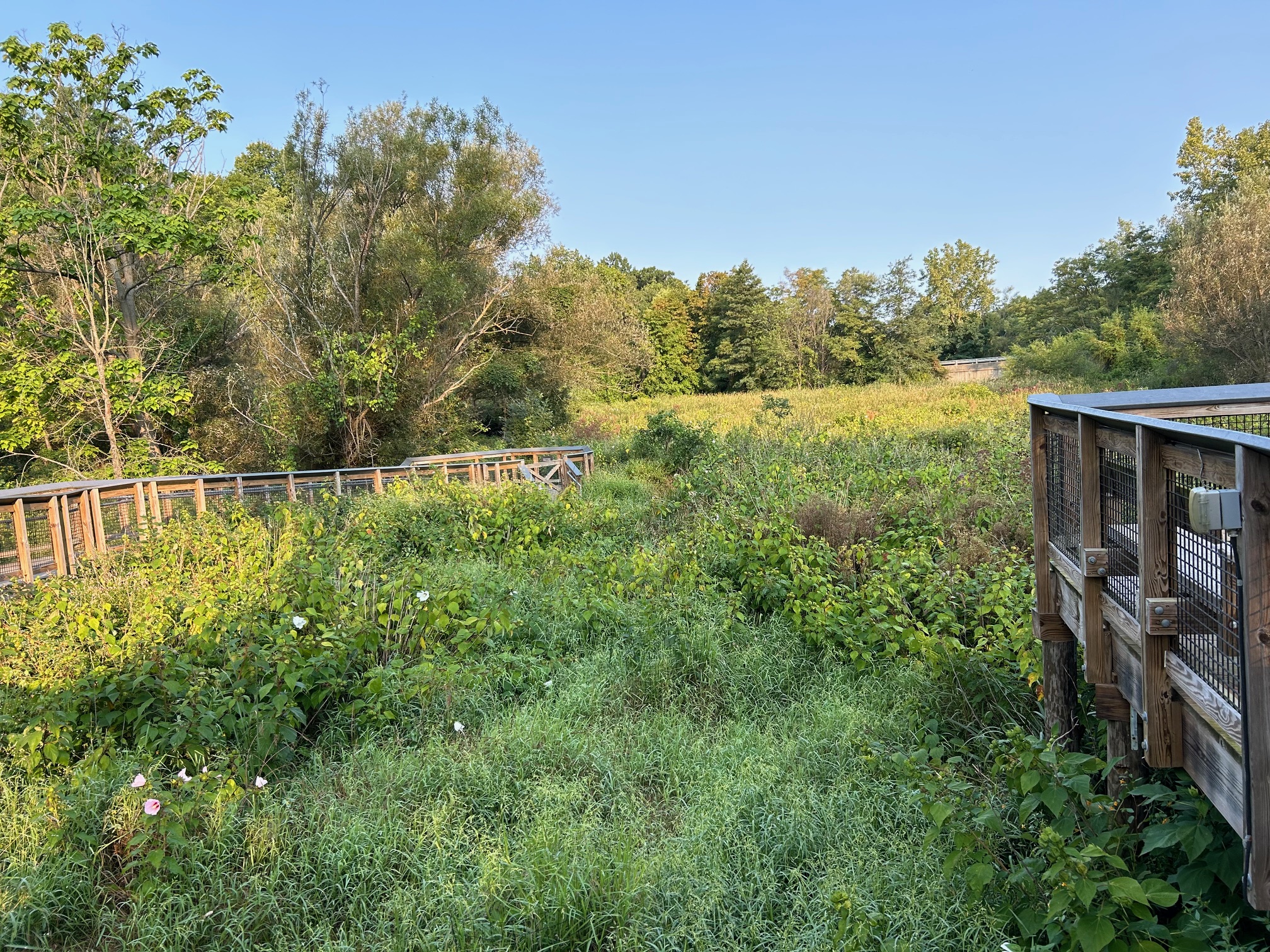
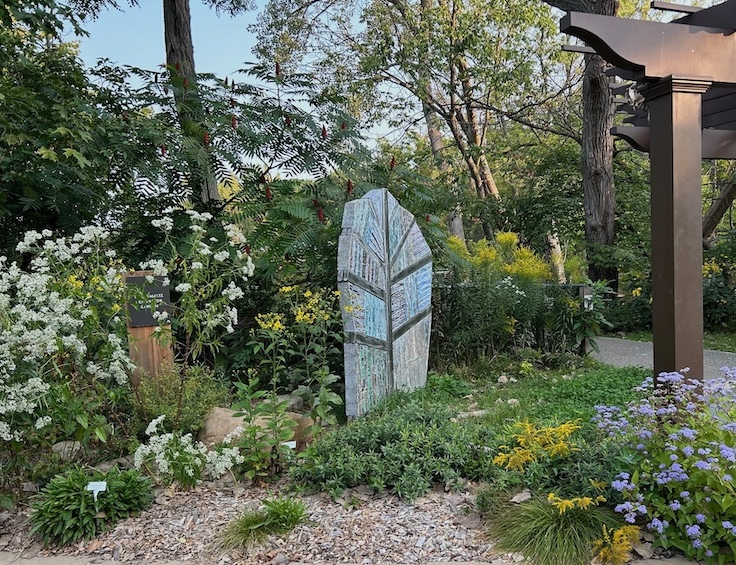
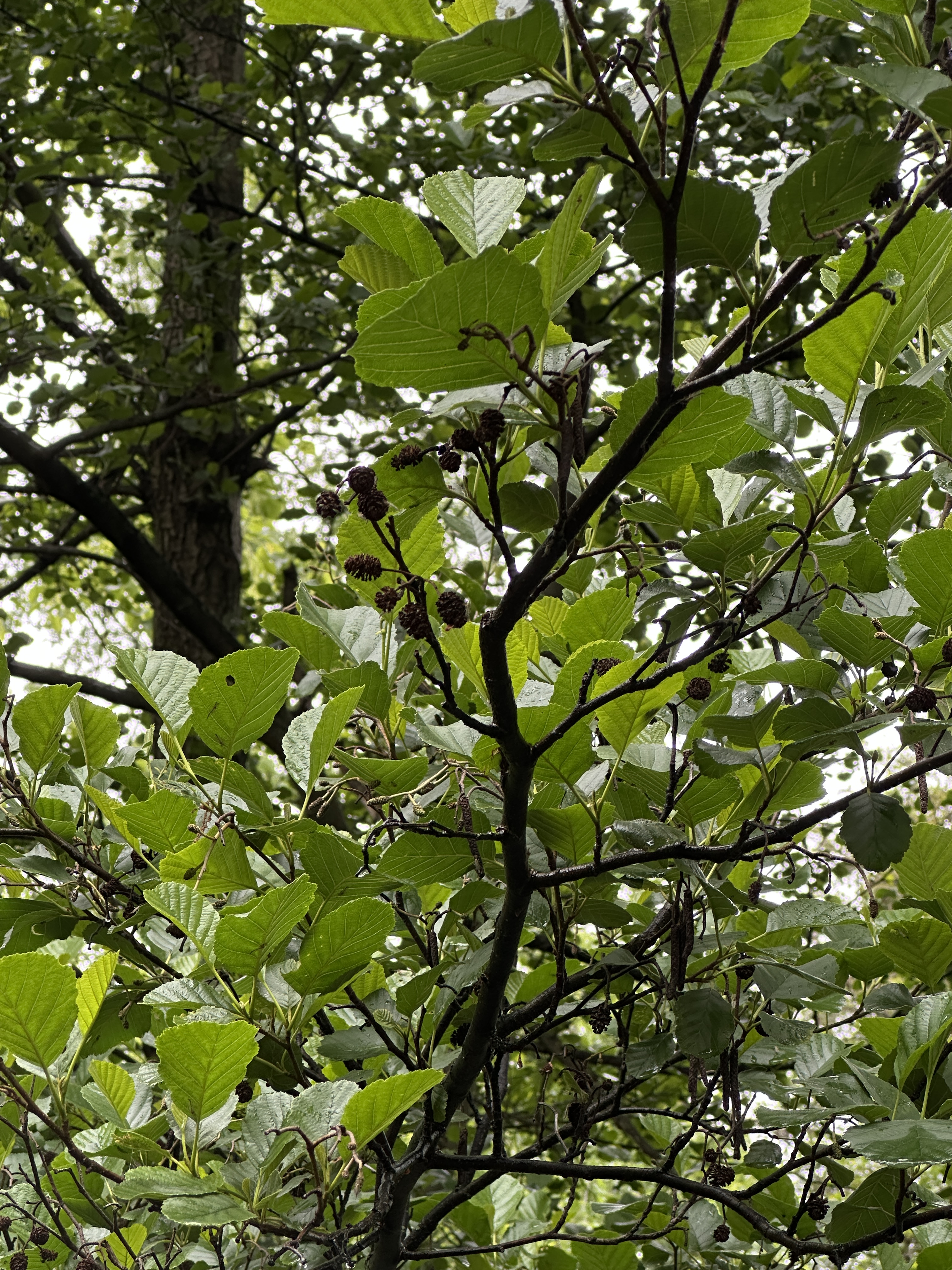
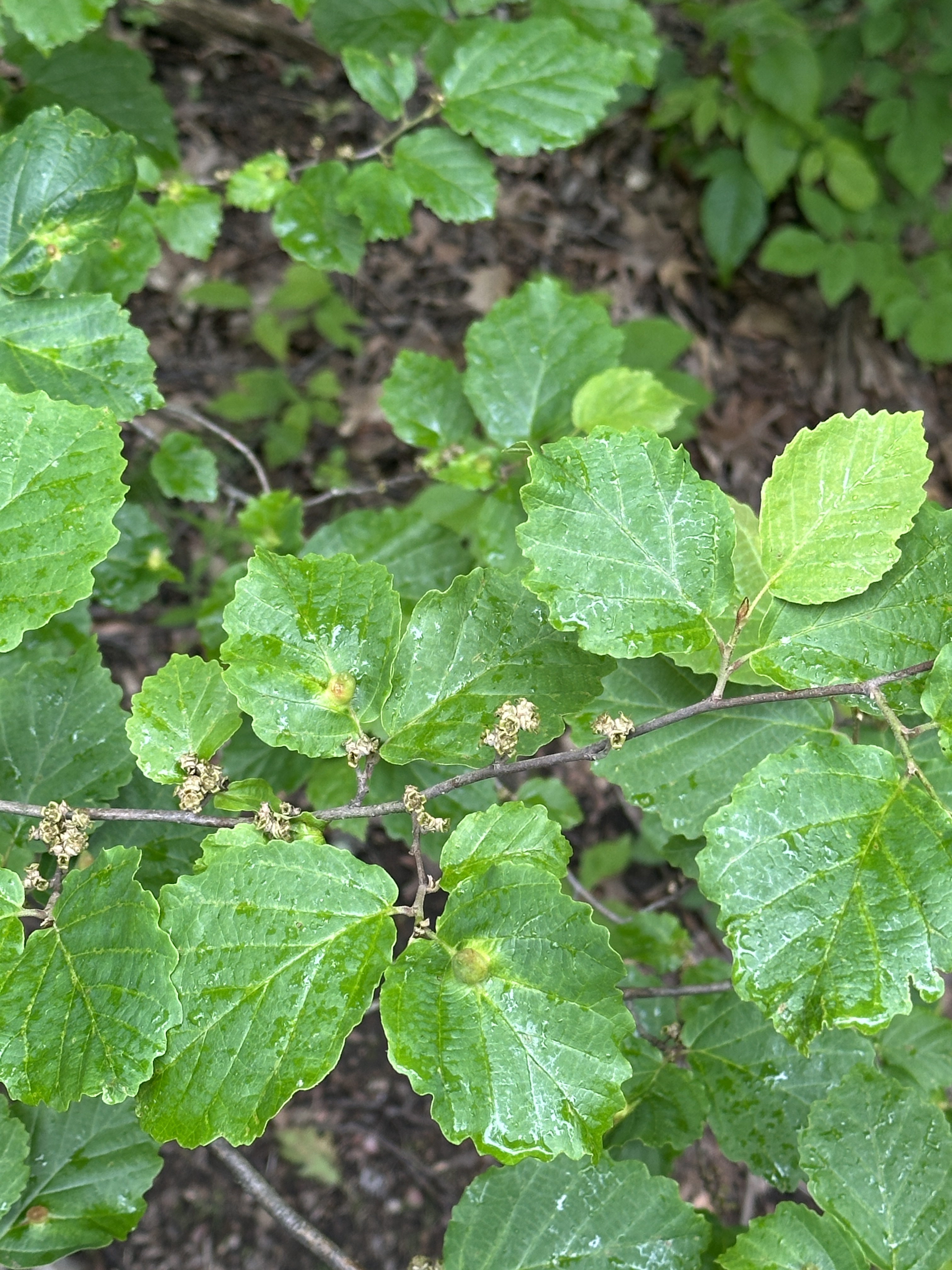
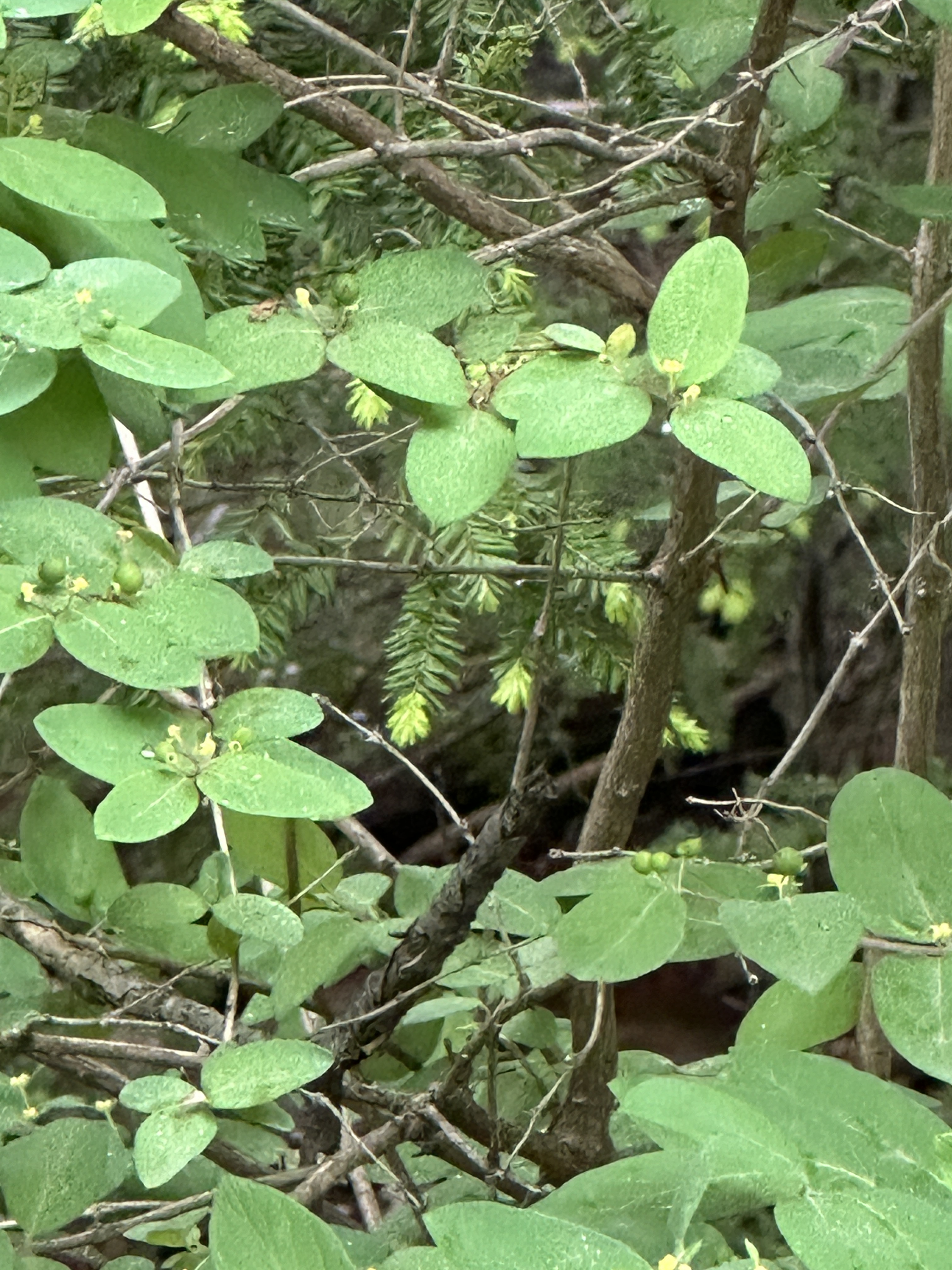
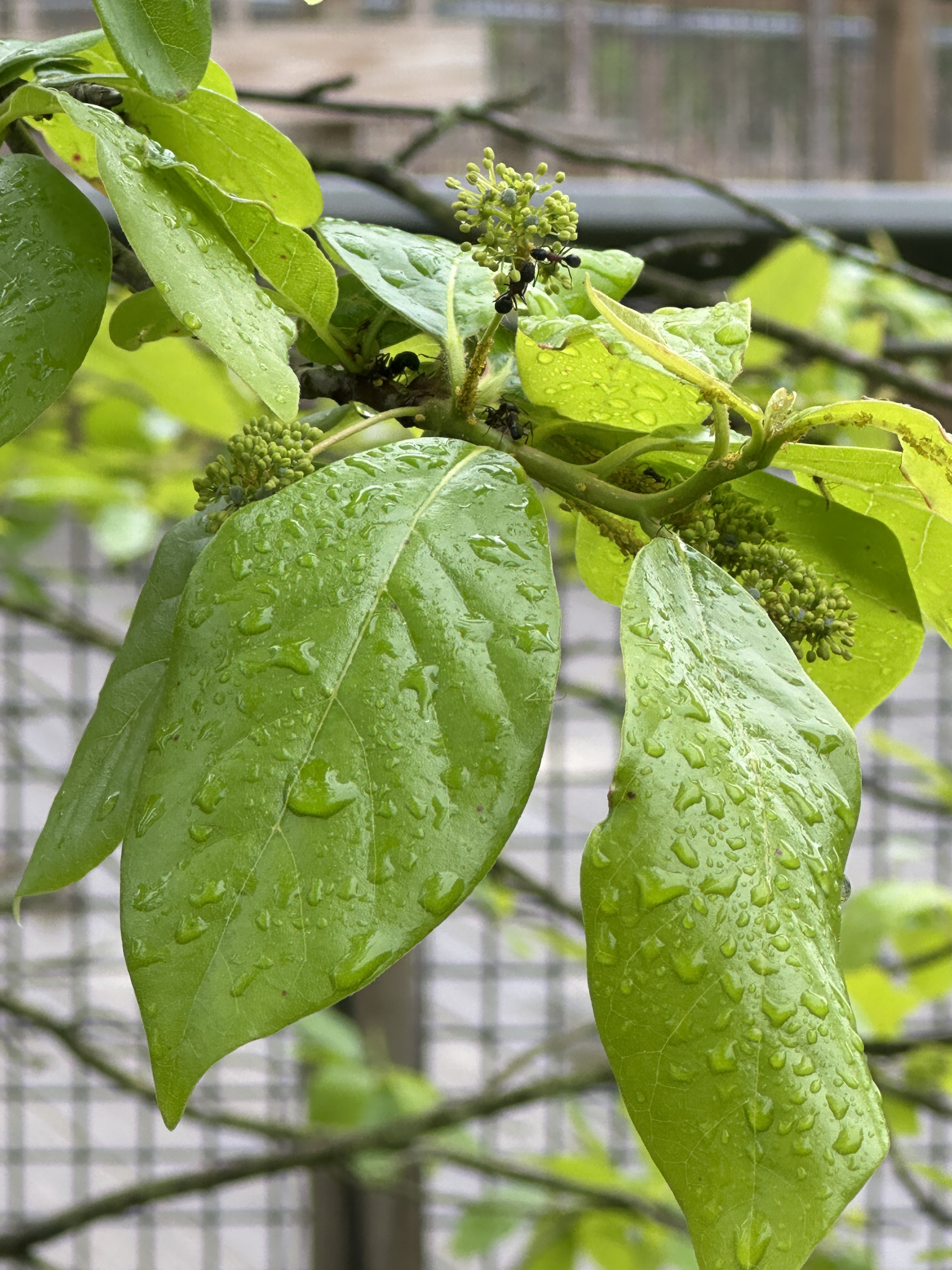
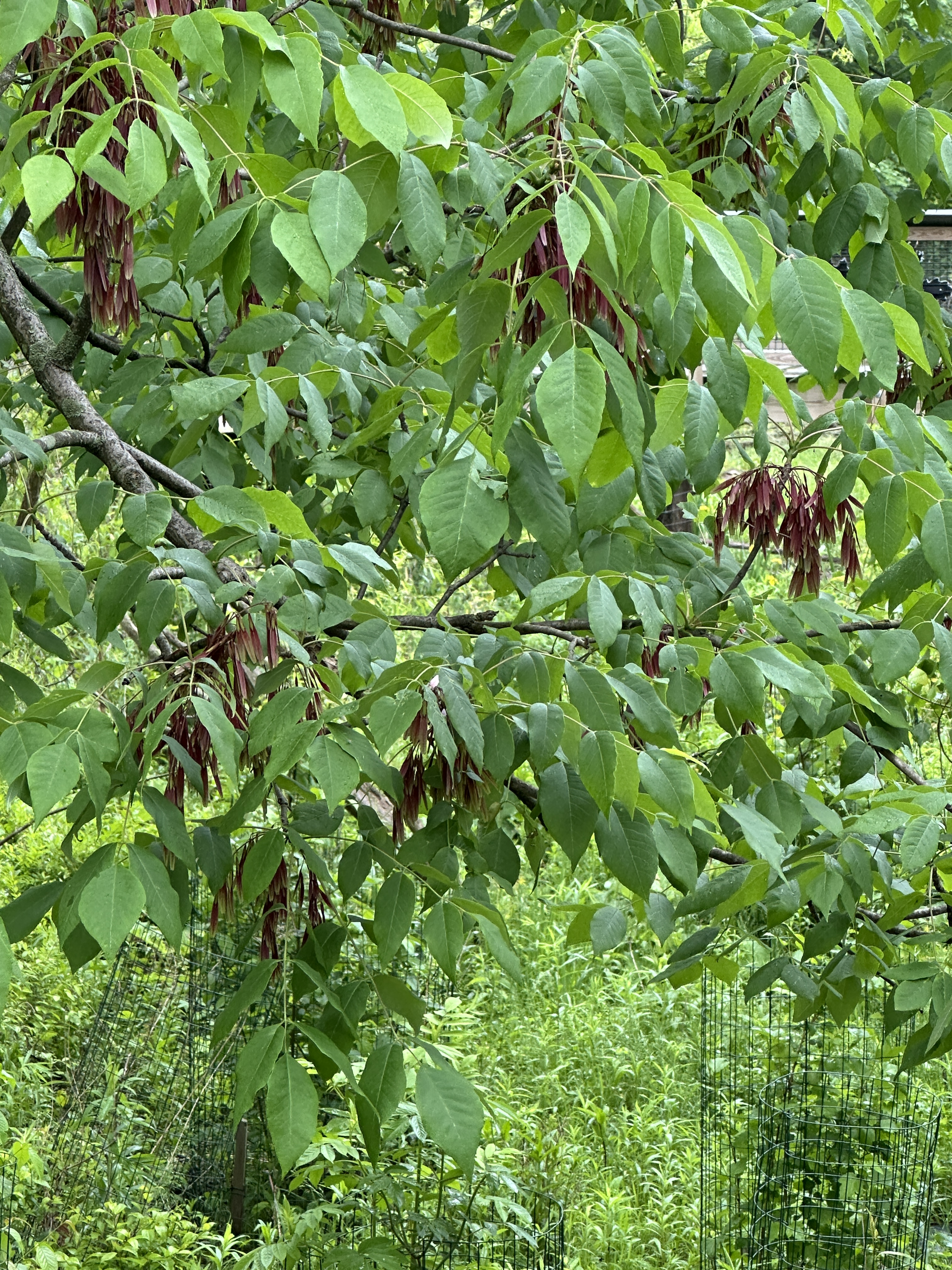
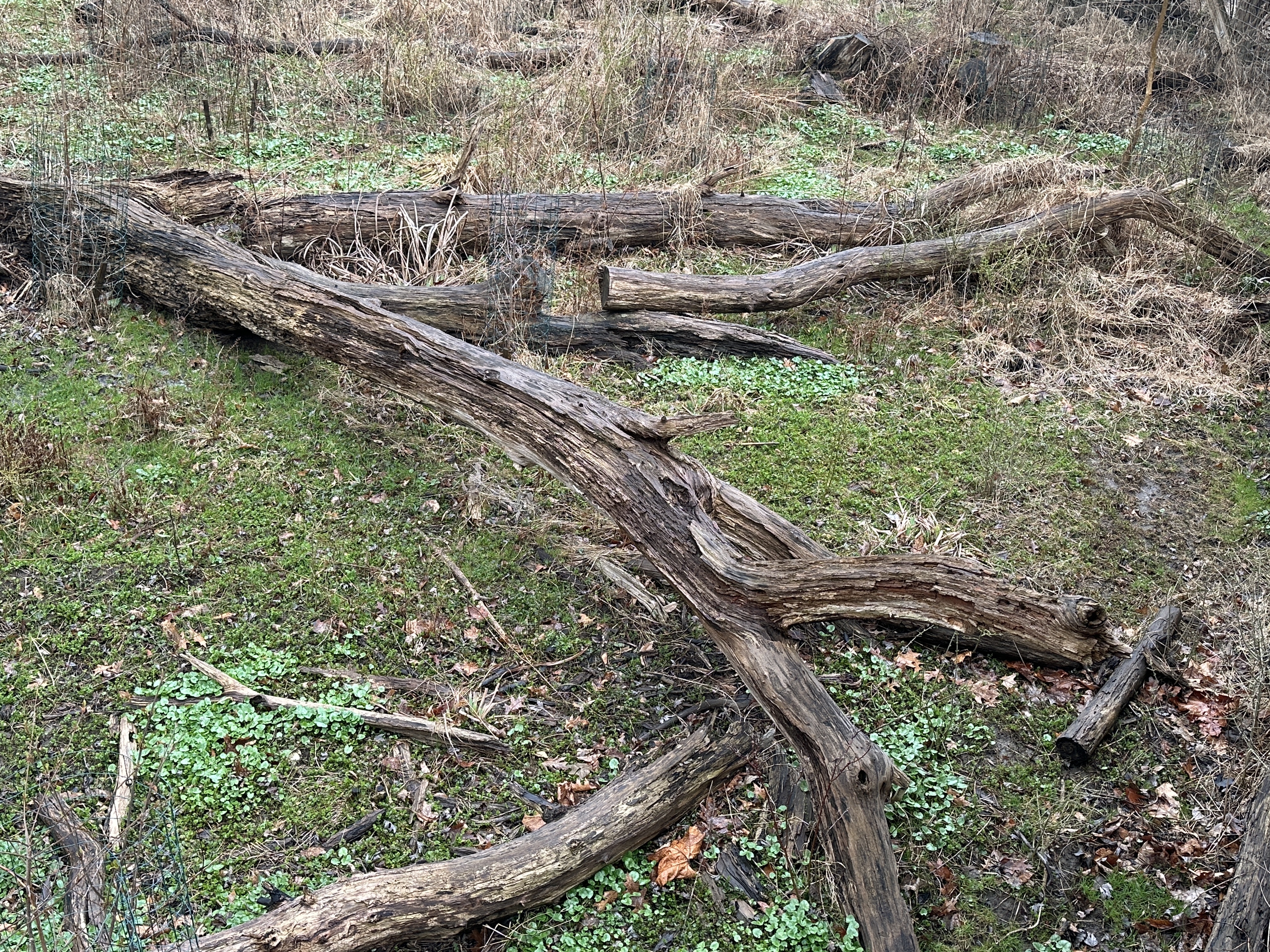
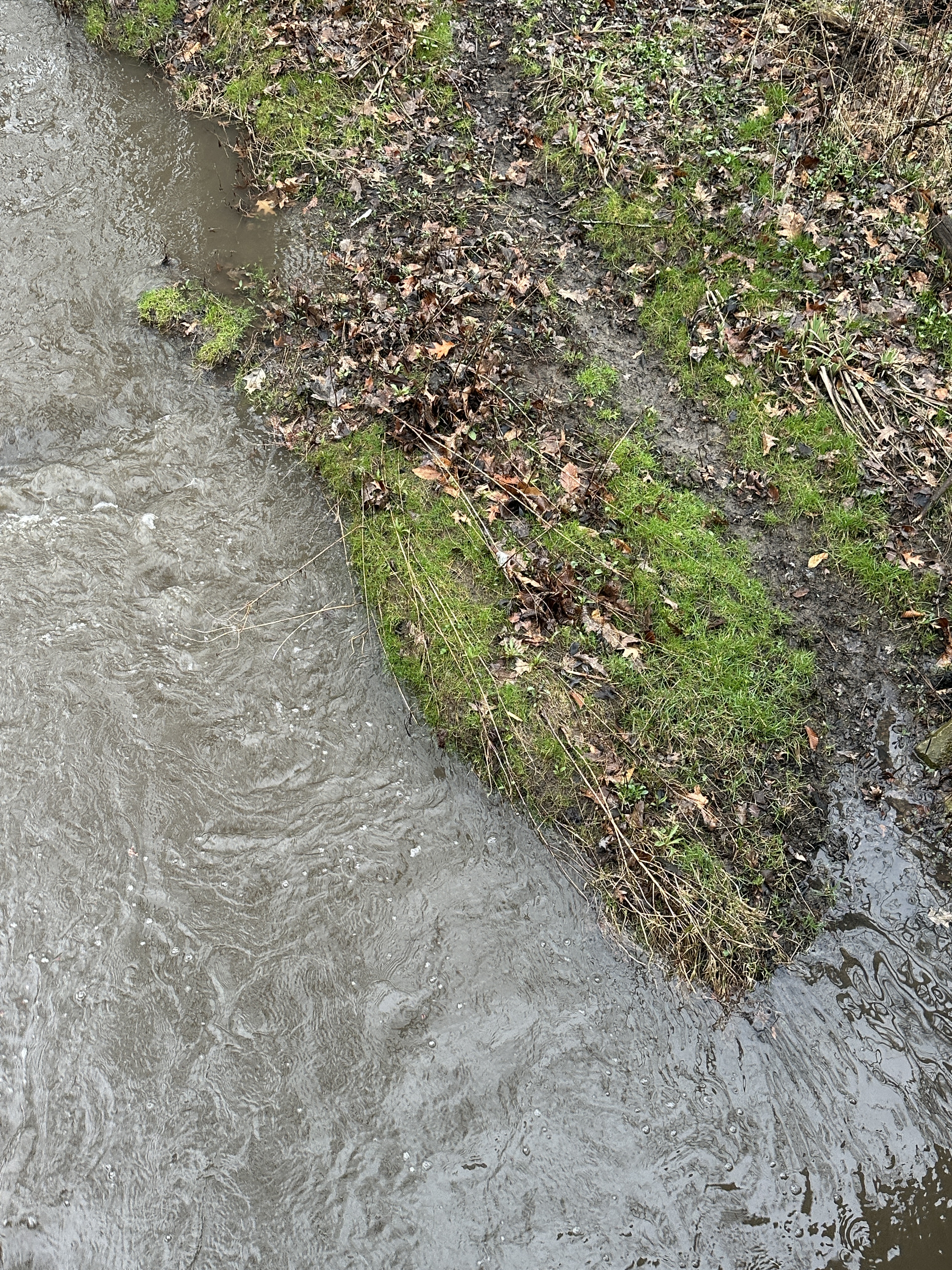
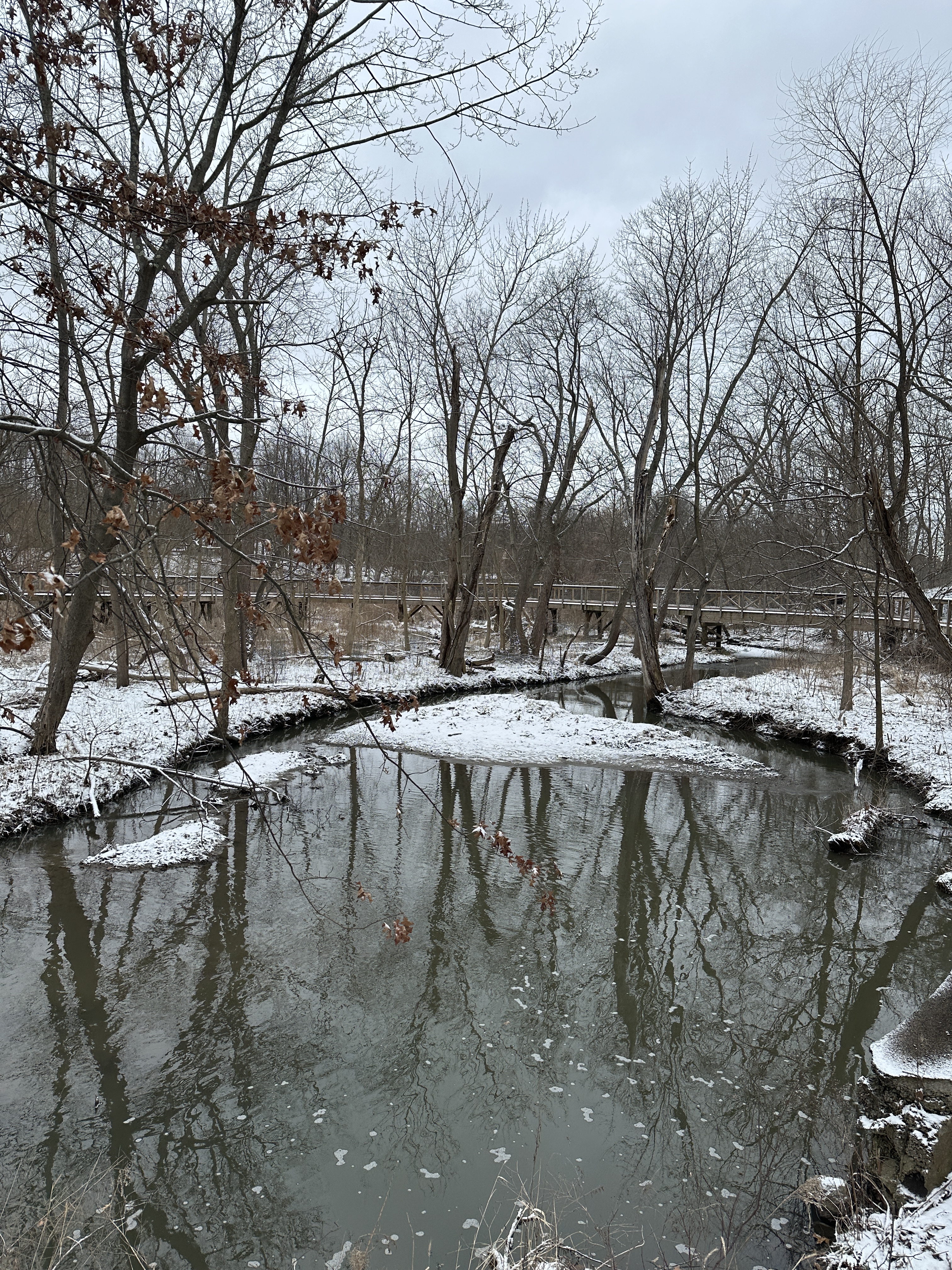
Tuesday, December 31, 2024.  It’s been unseasonably warm over the past week – we spent the weekend in sneakers, when usually we’d be in boots and ice cleats – but today was colder, with hope of snow. And the lack of snow and ice on the ground and trees gave us a chance to appreciate all the different colors of brown and gray.  In the marsh and the trees around it, we saw gold, orange, purple, pale green, rust, olive, burnt sienna, raw umber. It’s still the dead of winter – no blackbirds, no squirrels – everyone must be huddled away in their nests and burrows. But a deer is here!  We’re a third of the way through winter here in the Great Lakes, only four months to go – is that dismay or resilience we feel?

Our sages note that Tevet is one of the three dark months of the year, along with Tamuz and Av, when negative emotions can overwhelm us[1].  The anger and jealousy of Tamuz and Av are driven by the heat of summer, and the trauma of the destruction of Jerusalem – but what of this cold month well into winter? – We speculated.  We have two more days of Hanukah’s fire before heading into the rest of the month – could this be disappointment about the long wait until spring? – could the fire of Hanukah actually bring on the fire of anger? – could the bitterness of winter cold send us into despair?  One of us suggested that the upcoming fast day, the 10th of Tevet, which commemorates the beginning of the siege of Jerusalem, drives the feeling of the month – as does our feeling of being under siege in our long Great Lakes winters.

In any case, the work of this month is to transform.  “Wintering” is a positive approach to “going in” – settling in by the fire with a good book and good food, a knitting project or musicmaking.  In going in, we reflect on our interior selves, and may not like some of what we find.  Our job is to find a way to take the negative energy and transform it, purify it into the good, or Tov, as the month’s name Tevet reminds us.  What energy will be released? What good work will we do in the coming months when the light returns to us? – what light within can we hold and nurture until the opportunity for change presents itself?  — may all of us find the transformation easy and fulfilling.  Chodesh Tov! – K. Miriam

Our next Rosh Chodesh walking meditation will honor the month of Sh’vat, Thursday, January 30, 8:30 am.  Rain or snow or shine!  – contact us for location.

[1] Melinda Ribner, Kabbalah Month by Month. See the Sources tab for full citation.

Kislev 5785  כסלו

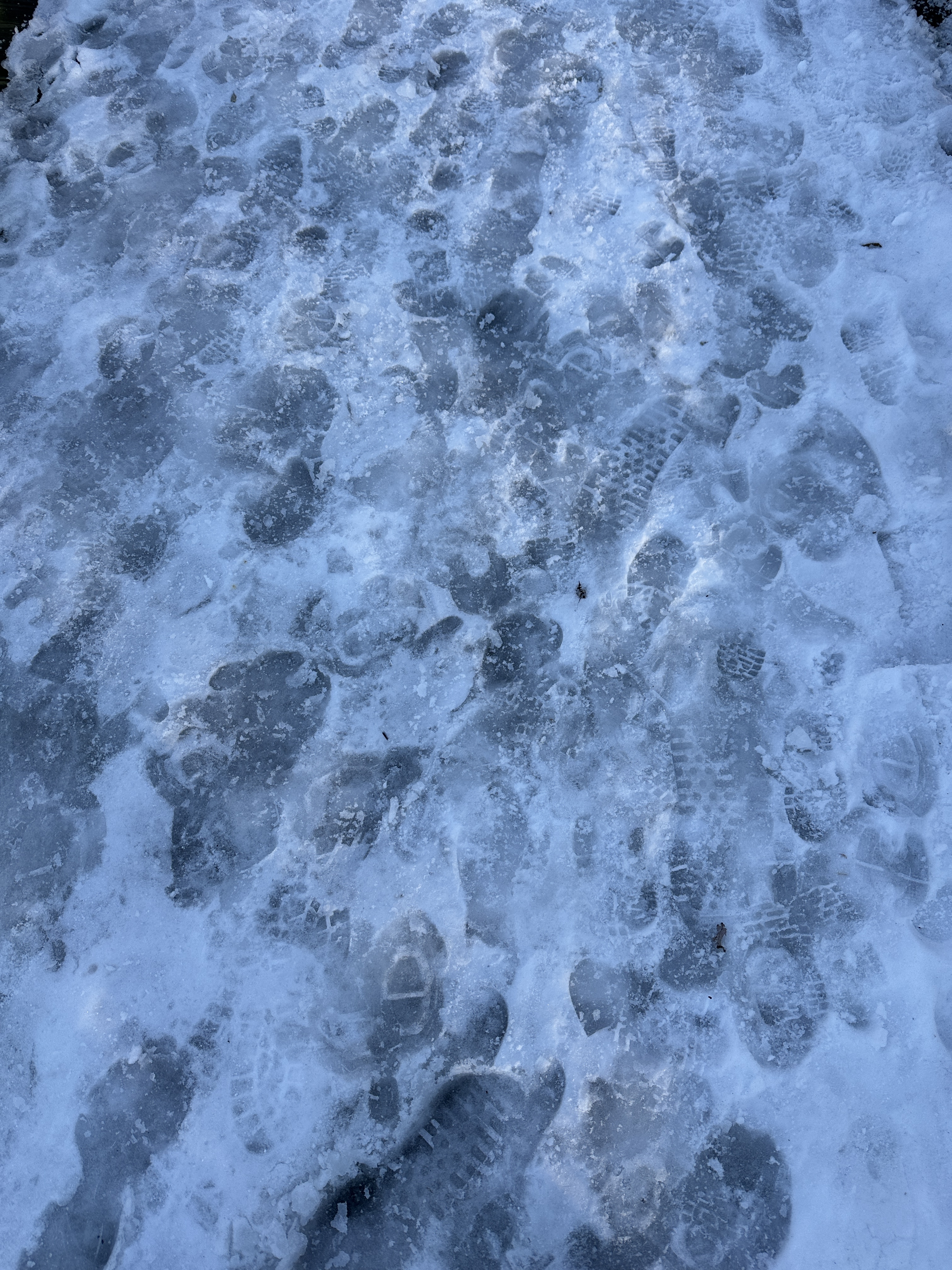
Monday, December 2, 2024.  This week we felt the change of seasons abruptly – after a long, warm autumn, snow has fallen throughout our region, in some places heavily, and the temperatures have dropped.  Winter is upon us!  It can feel like we’re just beginning a 5-month journey of cold and ice.  And yet, the snow brings its own light, welcome after the descending darkness of November and Cheshvan. Some of us eagerly anticipate this time of year, looking forward to firelight, warm cuddles with blankets and books, and cocooning with friends and family.

Kislev is the month of dreams, and in Europe and the northern US, a month of snow’s light.  Our source Jill Hammer recalls advice from our sage Rabbi Judah Loew of Prague, who saw winter snow as a “vessel of spiritual light…reminding us of G-d’s ‘colorless’ presence in the world at this season.”[1] After the darkness and quietness of November and Cheshvan, we enter deeper into the interior, spiritual realm, and consolidate our dreams for the year to come.  We are headed toward the lights of Hanukah – like the candles in a cabin window at night, beckoning us forward.  May we all have a meaningful month, as we begin our winter journey! — K. Miriam

Our next Rosh Chodesh walking meditation will honor the month of Tevet, Tuesday, December 31, 2025, at 8:30 am.  Rain or snow or shine!  Contact us for location.


[1] Rabbi Jill Hammer, The Jewish Book of Days, p. 110.  See “Sources” tab for full citation.

Cheshvan 5785 חשוון

Shabbat morning, November 2, 2024.  This month we all found ourselves in different places, and crowdsourced our blessings and photos from wherever we were.  In the Great Lakes, autumn is in full swing, with leaves coloring and falling, and clear blue skies.  In Arizona, where I was, similar to the middle east, occasional rain is most welcome, and the desert responds with flowers, and hope for more rain in winter.

Cheshvan is also known as “MarCheshvan”, or “bitter Cheshvan” in English. Originally referring to the emptiness of the month, which has no holidays, it is also, for some of us, a time of bitterness following a contentious election season.  In either case, our sages advise us to slow down, appreciate the quietness, deepen our relationship with G-d and the Universe, and plan for action to come.  May we all find Cheshvan fruitful, and a time to reconnect with ourselves, our natural world, and our communities. Chodesh tov! —K. Miriam

Thanks to Stephen, Ann, Julie and Louise for the Great Lakes photos!

Our next walking meditation will honor the month of Kislev, Monday, December 2, 8:30 am.  Rain or snow or shine!  Contact us for location.
Tishrei 5785    תשרי

Thursday, October 3, Rosh Hashanah morning. We blessed the day with admiration for the cycles of the seasons, and appreciation for the constancy of nature amid all the changes around us. With apples and honey we wished each other a good year – as we wish our readers here. L’Shana Tovah! — Kirby

Our next Rosh Chodesh walking meditation will honor the month of Cheshvan, Shabbat morning, November 2, 8:30 am. Rain or snow or shine! Contact us for location.

Elul 5783 אלול

Wednesday, September 4. Our group met on a perfect day to welcome Elul and begin the journey toward the High Holy Days.  Flowers were blooming, and hummingbirds and deer graced our presence as we walked in honor of the month[1].

In reflection, we acknowledged that this is a time of introspection and teshuvah, returning, when we assess our behavior and spirit during the past year, and ask for forgiveness from those we have harmed – and grant it to those who have harmed us. In so doing we return to a sense of our better selves.

As Rabbi Alan Lew teaches us[2], the journey actually begins at Tisha B’Av, the observance in the month of Av when we commemorate the fall of Jerusalem to the Romans over 2,000 years ago.  As the walls fall, so do we break down our Selves, weeping and mourning.  Stephen reminded us that the seven weeks between Tisha B’Av and Rosh Hashanah – another 7-week journey reminiscent of the Omer of the spring – are known as the Weeks of Consolation, when we read in Isaiah words of consolation for our sorrow:

54:7 For a brief moment I forsook you, but I will gather you with great compassion.

54:8 In an outburst of wrath, for a moment I hid my face from you, but with everlasting kindness I will have compassion on you, says God, your Redeemer. 

54:10 For the mountains may depart, and the hills may be removed, but my kindness will not depart from you, nor will my covenant of peace be withdrawn, says God, who has compassion on you.[3]

We marvel that we are moved by these words written so long ago – and remember that the Universe in nature is enduring over thousands of years, like the redwoods in the forests of California.  In breaking our souls and being consoled, we travel to Rosh Hashanah – rebuilding ourselves as we return in Teshuvah.  In closing, Linda blew the shofar long and loud. May each of us experience a meaningful Elul – and, consoled, look forward to a joyful Rosh Hashanah, not so far away! – K. Miriam

Our next Rosh Chodesh walking meditation will honor the month of Tishrei and the New Year! – Thursday, October 3, 7:30 AM. NOTE EARLIER TIME in observance of the holiday!  Contact us for location.


[1] I note that I was out of town, and thank Linda and Stephen and the group for a moving observance!  This is written from their notes.  Photos were taken that morning, and include both the group’s walk, and my travel spot in northern Michigan. – K. Miriam

[2] Rabbi Alan Lew, This is Real and You Are Completely Unprepared: The Days of Awe as a Journey of Transformation. See Resources tab for full citation.

[3] Rabbi Aryeh Kaplan, The Living Torah: A new Translation, 3rd Edition; 1981, Moznaim Publishing Corp.

Av 5784 אב

Monday, August 5, 2024.  Apologies for the delayed post – it’s been quite a month. Tisha B’Av is past, and we are in the seven weeks of consolation that lead us to Rosh Hashanah. Summer is in its final days, still warm and flowering. We have one more week of Av, and so a few thoughts worth considering.

On the 17th of Tammuz, we began our way down into the depths of despair, intensifying on the first day of Av, and culminating on the 9th of Av, or Tisha B’Av, the nadir of of our journey of loss and alienation from G-d.  This is the saddest day of the Jewish year, commemorating the fall of Jerusalem and the destruction of the first and second Temples. The Temple represents the Divine presence in our world – and so the loss of it becomes a representation of all of our personal and communal losses, and we experience a sense of alienation and aloneness in the face of tragedy. We sit on the floor and weep.

Rabbi Waskow, in his book “Seasons of Our Joy”[1], draws parallels to Adam/Eve story, and their banishment from Eden and the divine presence.  There is a sense of profound loss, and an awareness of our complicity in banishment from divine.  “Adam’s was the first exile, the first alienation, the archetype of all loss ever since:  the separation of the human psyche from G-d, the loss of utterly harmonious love.” 

What was the complicity that caused the destruction? What causes any destruction? – our sages say: hatred toward one another, conflict and judgment.

So we are advised to find ways to root that out:  forgiveness, making peace, becoming more giving and finding ways to love unconditionally.  According to Waskow, we experience this alienation from the Divine as a burning thirst,  so fiercely that we “learn the way to the wellsprings”.  And so, we will spend the next 7 weeks, leading up to Rosh Hashana, the wellspring from which was created the world, finding our way.  May we be comforted in our journey, and may it be fruitful! Chodesh tov! – K. Miriam

Our next walking meditation will honor the month of Elul, Wednesday, September 4, 8:30 am.  Contact us for location.


[1] See Rabbi Arthur Waskow, Seasons of Our Joy, A Modern Guide to the Jewish Holidays; Philadelphia: The Jewish Publication Society, 1982, paperback edition 2012; p. 209.

Tammuz 5784 תמוז

Sunday, July 7, 2024.  A warm, beautiful morning greeted us today, flush with green leaves, the setting of fruits,  and even a pair of deer fawns with their spotted backs.  Summer is in full swing here in the Great Lakes.

As we have reported here many times before, the themes of the month of Tammuz stem from the unbearable searing heat and light of summer in the Middle East.  In ancient myth, the Sumerian god Tamuz descended this month into the underworld, leaving the people desolate for half the year, until he returned again in the fall.  The growth and creativity of spring are replaced by blinding reality and truth, illuminated by the summer sun, and negative emotions of anger and guilt.  In Jewish tradition, the month includes the start of the three weeks of mourning, marking the breaching of the walls of Jerusalem by the Romans. 

Many other Jewish stories are associated with the month.  One of them about the waters of Moses, which rush out of the rock when he hits it with his staff, saving the wandering Israelites from drought and thirst. According to our source Rabbi Jill Hammer, this miracle is supposed to have happened on the first of Tamuz.  In spite of Moses’ anger, the water appears.  Hammer associates the source of the water with Miriam’s Well, which follows the Israelites on their journey, sustaining them and enabling them to reach the Promised Land.[1] We reflected on all the things that are underground and yet sustain us – the hiddenness of the Divine Presence, rain that falls and becomes groundwater, love and joy when a loved one passes away, even hope in times of challenge.  The story of Moses and Miriam’s water reminds us that the cycle of life continues, even when hidden, and abundance and peace will inevitably return with the seasons.  May it be so for all of us.  Chodesh tov! – K. Miriam

Our next Rosh Chodesh walking meditation will honor the month of Av, Monday morning, August 5, 8:30 am.  Rain or shine! – Contact us for location.

[1] See https://telshemesh.org/tammuz/

Sivan 5784 סיון

Friday, June 7.  What a glorious morning, cool, and the bluest sky! We were dressed in jackets and sweaters, and the wind picked up as we walked, bringing in clouds – this time of year on a Great Lake, you feel the lake’s presence, even on the heights above it!

Sivan is a beautiful month, a month of roses and peonies, and trees in flower and setting fruit.  At my house we have robins in the shadbush tree just outside our windows, fighting over berry rights.  Our walking group talked about Sivan as a month of creativity, in its rightful sense as a receiving of divine inspiration.  Just as we received the Torah at Sinai, commemorated in our Sivan holiday Shavuot, we receive the energy and power and beauty of the universe, flowing through us as we create. Whether we make art or music or write, nurture children or a garden, host friends for dinner or warm conversation – our creativity makes us human, and links us to the divine.  We are inspired with the ideas we receive, and we are given the strength and artistry to carry them through. The result is truly praise for G-d and the Universe.

The ugliness and evil in our world can overcome us if we allow it.  It is difficult to imagine pouring forth our selves in creation.  But this month especially, we are commanded to do so, in praise and in joy — and in so doing, to help each other, and create the setting and energy for a better world.  May it be so, Chodesh Tov! — K. Miriam

Our next walking meditation will honor the month of Tamuz, Sunday, July 7, 8:30 am. Rain or shine! Contact us for location.

Iyyar 5784          אייר

Thursday, May 9, 2024.  (Posted on June 6). It is almost Sivan, and I am finally back from travels and able to take a few minutes to acknowledge the month.  Many thanks to my co-coordinators Linda and Stephen who led our walking meditation at the beginning of Iyyar, four weeks ago!

I was in Prague, Czechia, over Rosh Chodesh Iyyar, visiting for the first time, and hopefully not the last.   The Jewish Museum there explains the very old and magnificent history of Jews in this city, and in central Europe. Through alternating waves of favor and reclusion at the whim of various rulers, the community thrived and persisted, then suffered massive losses in the Holocaust. Several synagogues, the old cemetery, and their neighborhood, dating back to the middle ages, have been thoughtfully preserved, honoring community and spiritual life, and remembering the dead. They are a tribute to what was once a vibrant center of Jewish life in Europe, and also a tribute to the careful attention of today’s  Jewish community in Prague.

Throughout all of Iyyar, we count the Omer, enumerating one by one the 49 days that pass between Passover and Shavuot.  What began originally as a simple daily prayer observance became infused with spiritual value by the Kabbalists – and remains both a simple practice, and an opportunity for spiritual and personal growth.  At Passover we celebrate new life and vigor, and our escape from slavery; at Shavuot we honor the receiving of the Torah which anchored us as a people in history. Counting the Omer provides us with a bridge between them. Each day we strive to improve our selves, and grow in order to be worthy of the receiving.  We have a lot to pray for this year.  May the act of counting help us to number our days and reach for a better world, day by day. – K. Miriam

Nissan 5784    ניסן

Tuesday, April 9. What a week it is!  Yesterday we experienced the power of a total eclipse, and today the opening of the new month, at the New Moon.  It is interesting that on the day before the New Moon, a day when the moon is most hidden, and normally would not be seen at all, it covered the sun. For a few minutes, for those of us in its shadow, the whole order of the world was changed – true darkness and silence in the midst of a bustling day. (one of our members reminded us that eclipses only happen at the New Moon, when the moon is entirely lit on its back by the sun, “facing” away from us).

Every year in Adar we feel the seeming endlessness of winter, and in Nisan the hope that spring brings with the cycle of the seasons.  Flowers bloom, greenery returns, birds sing and make their nests. In the Middle East, the abundant growth of trees and crops is in full swing. This year is no different – and yet it is.  We are under the shadow of a terrible war of error and provocation, blind aggression and devastating consequences.  What can we say, who are safe in our homes and communities, as the war rages and powers far above us deliberate?

I am drawn to the story our source Mindy Ribner tells us about the zodiac sign for Nissan: Aries, the Ram.  She associates this creature, well known in Biblical times, with “courage, passion, enthusiasm and independence”.  The Ram is a “trailblazer and leader”, “encouraging us to be self-confident, decisive, assertive, and courageous, as the Israelites were when they were leaving Egypt.”[1]This is a time for us that is auspicious for boldness and creativity, as we break out of the boxes that confine us.

Is it not also a time for our leaders, the ones in power, to be decisive and courageous – to change the whole order of the world as they know it – and step boldly into a true, long-term solution for peace? – May the spirit of Nissan carry them forward toward the Passover, our holiday of redemption – and may they, with the help of G-d and the Universe, bring redemption, speedily, in our time. —K. Miriam

Our next walking meditation will honor the month of Iyyar, Thursday, May 9, 2024, 8:30 am.  Rain or shine!  Contact us for location.


[1] Melinda Ribner, Kabbalah Month by Month, p. 171.  See Sources tab for full citation.