Tammuz 5783 תמוז

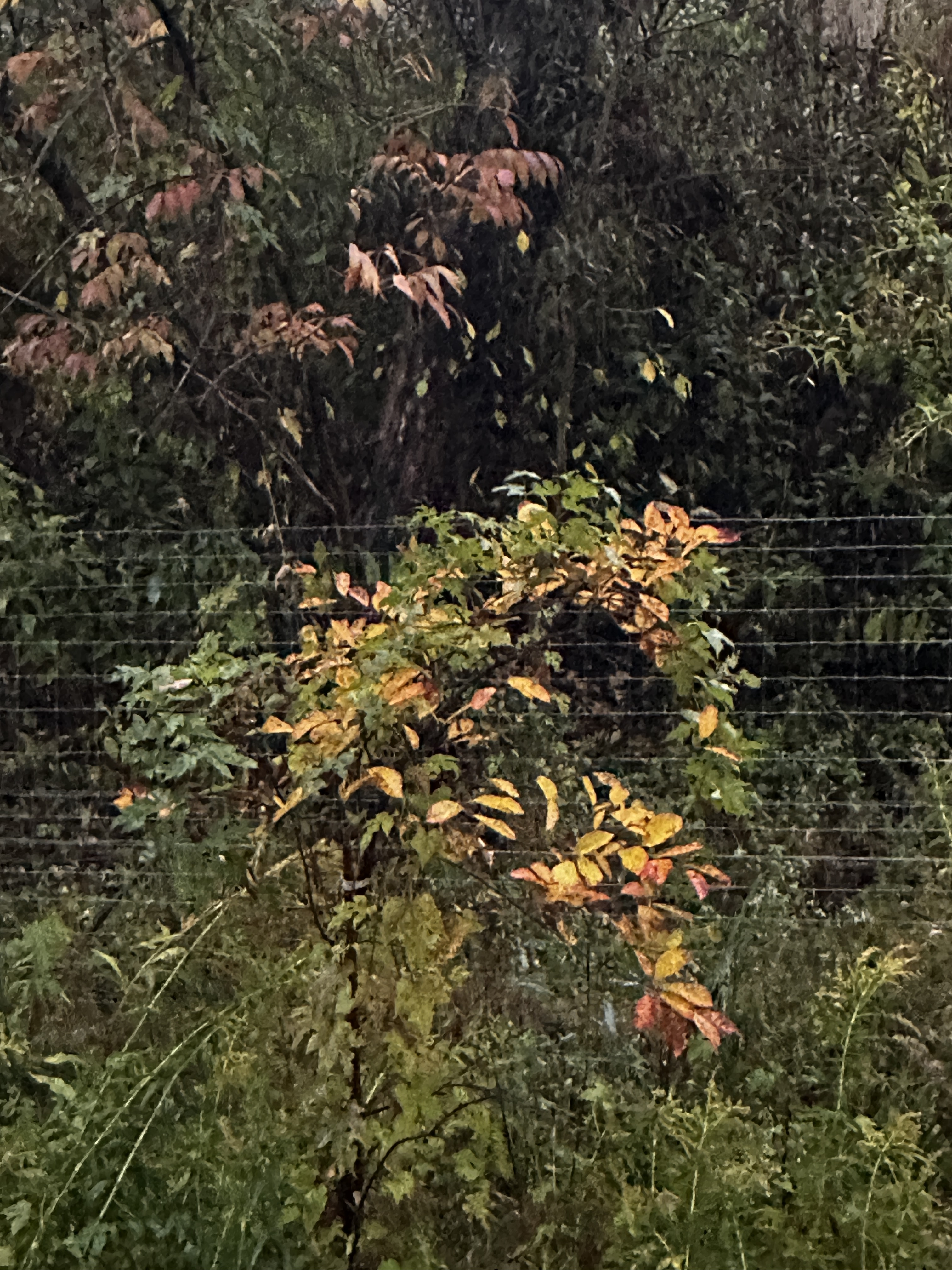
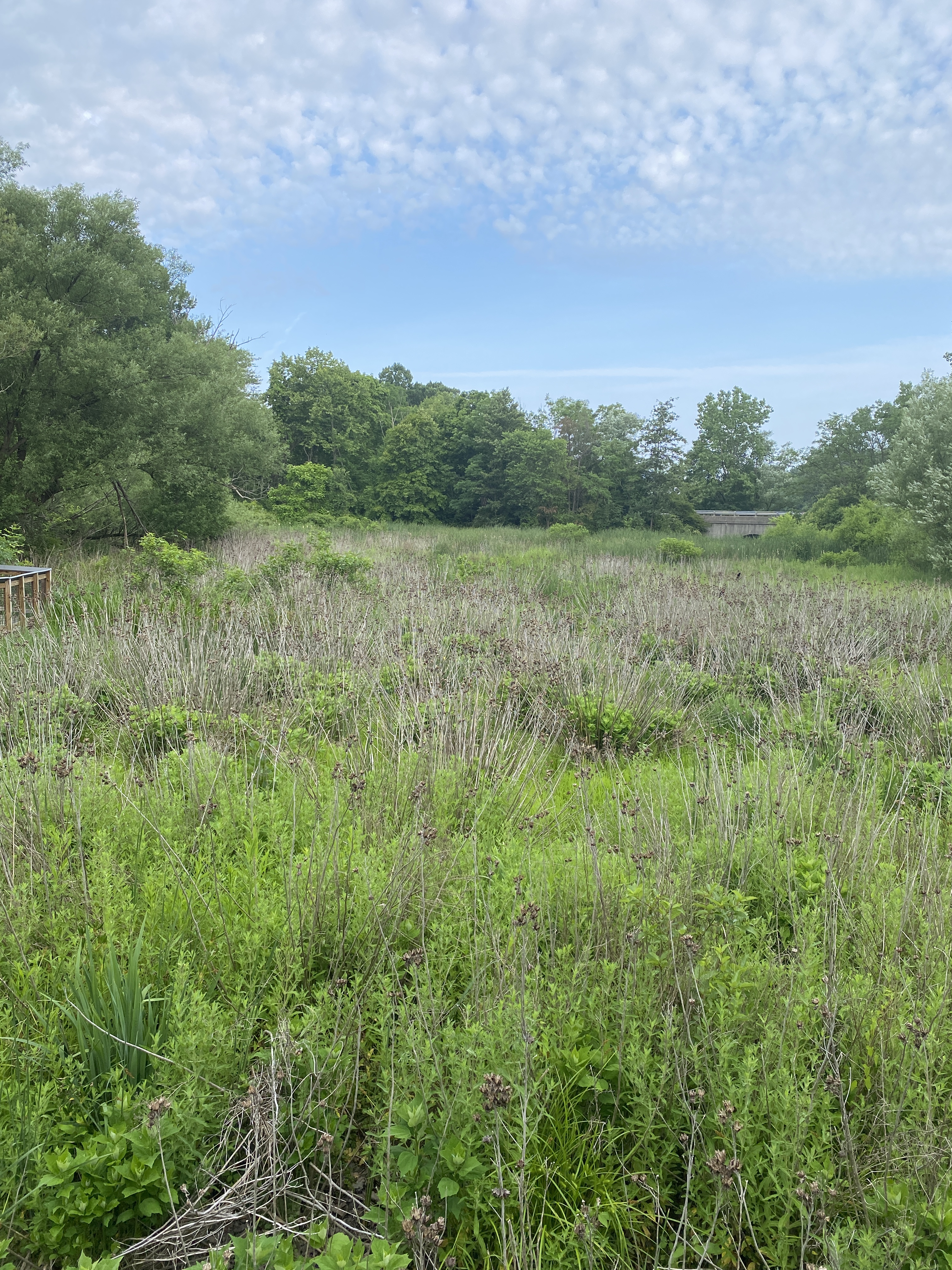
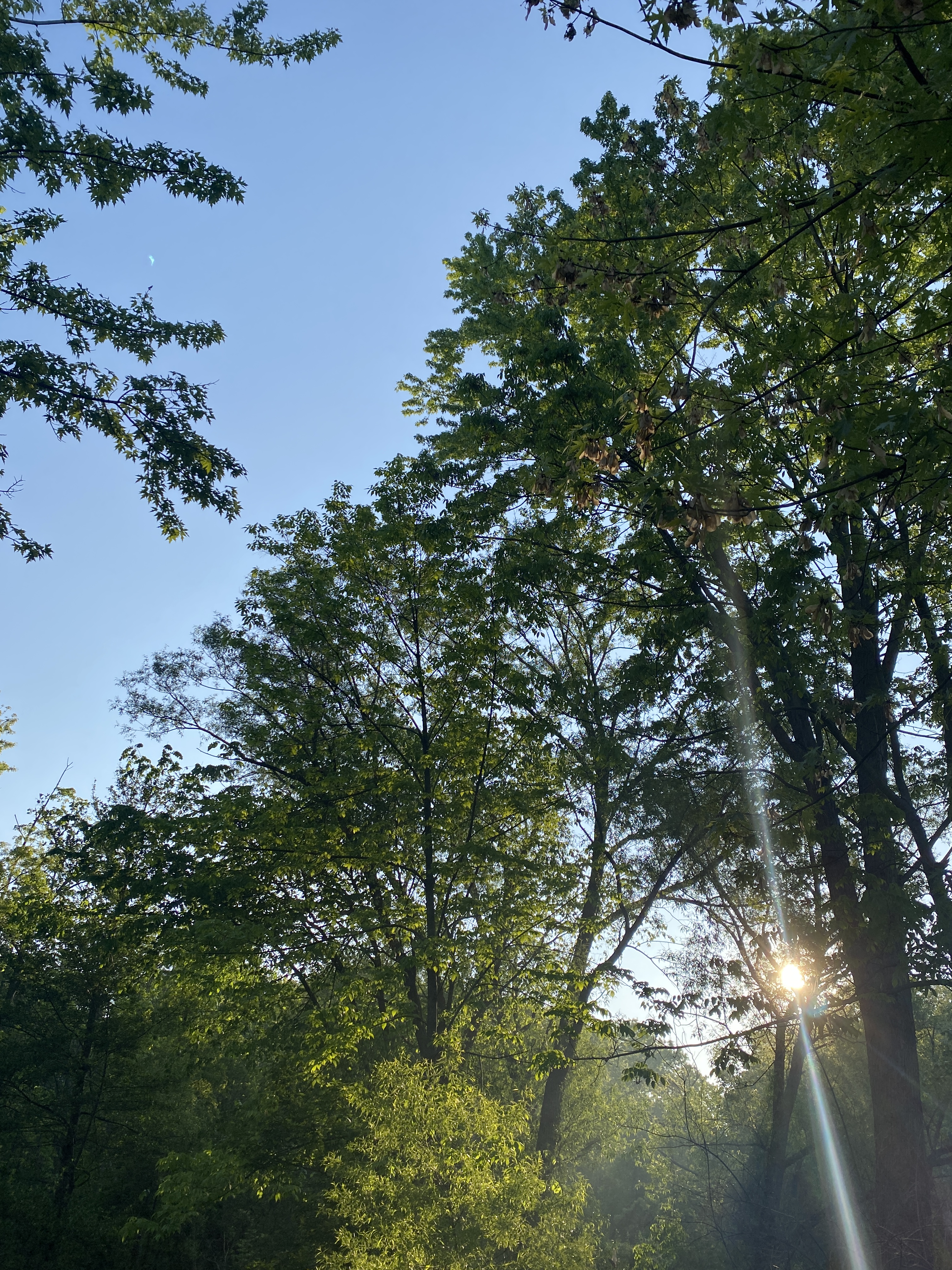
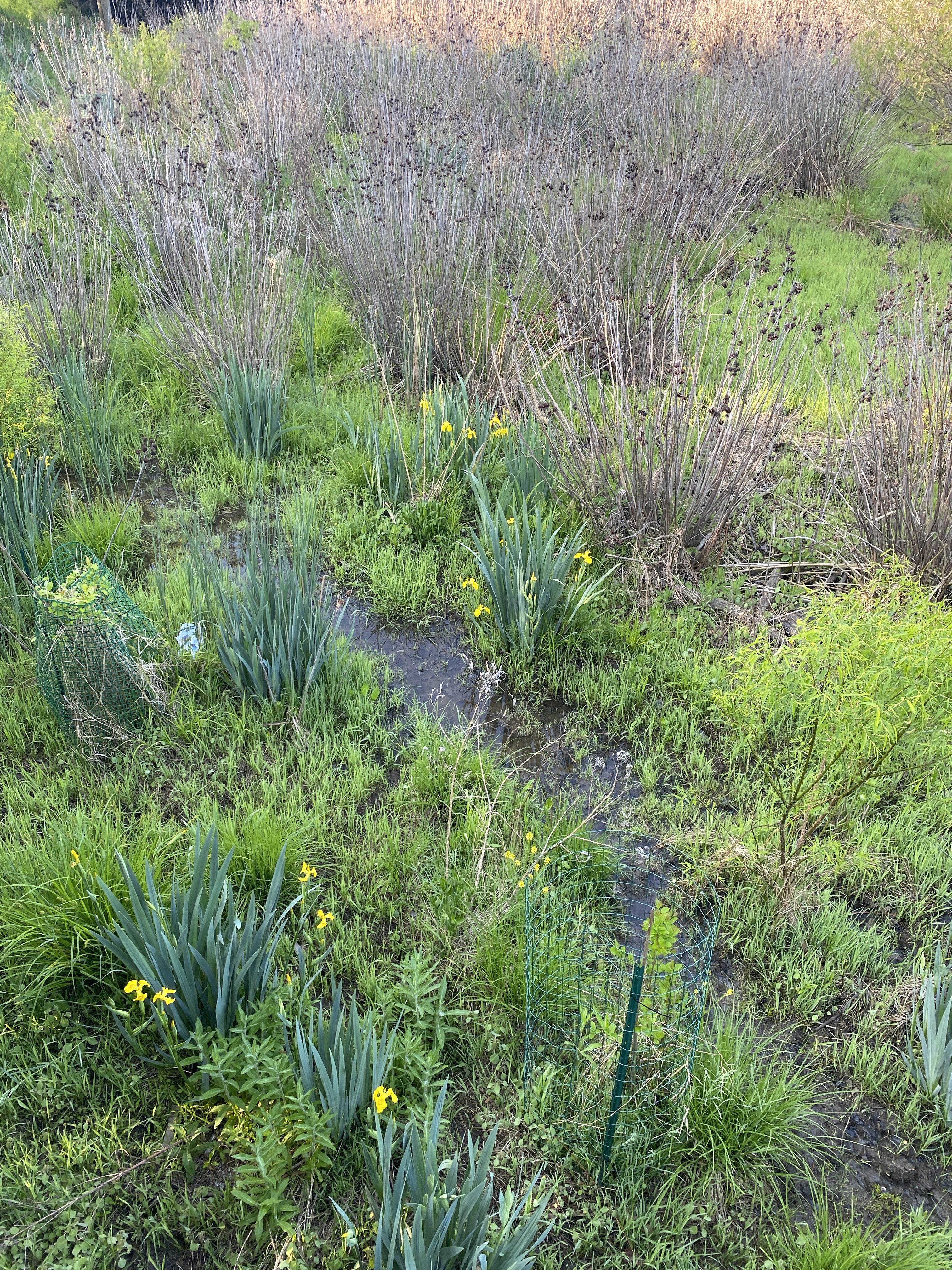
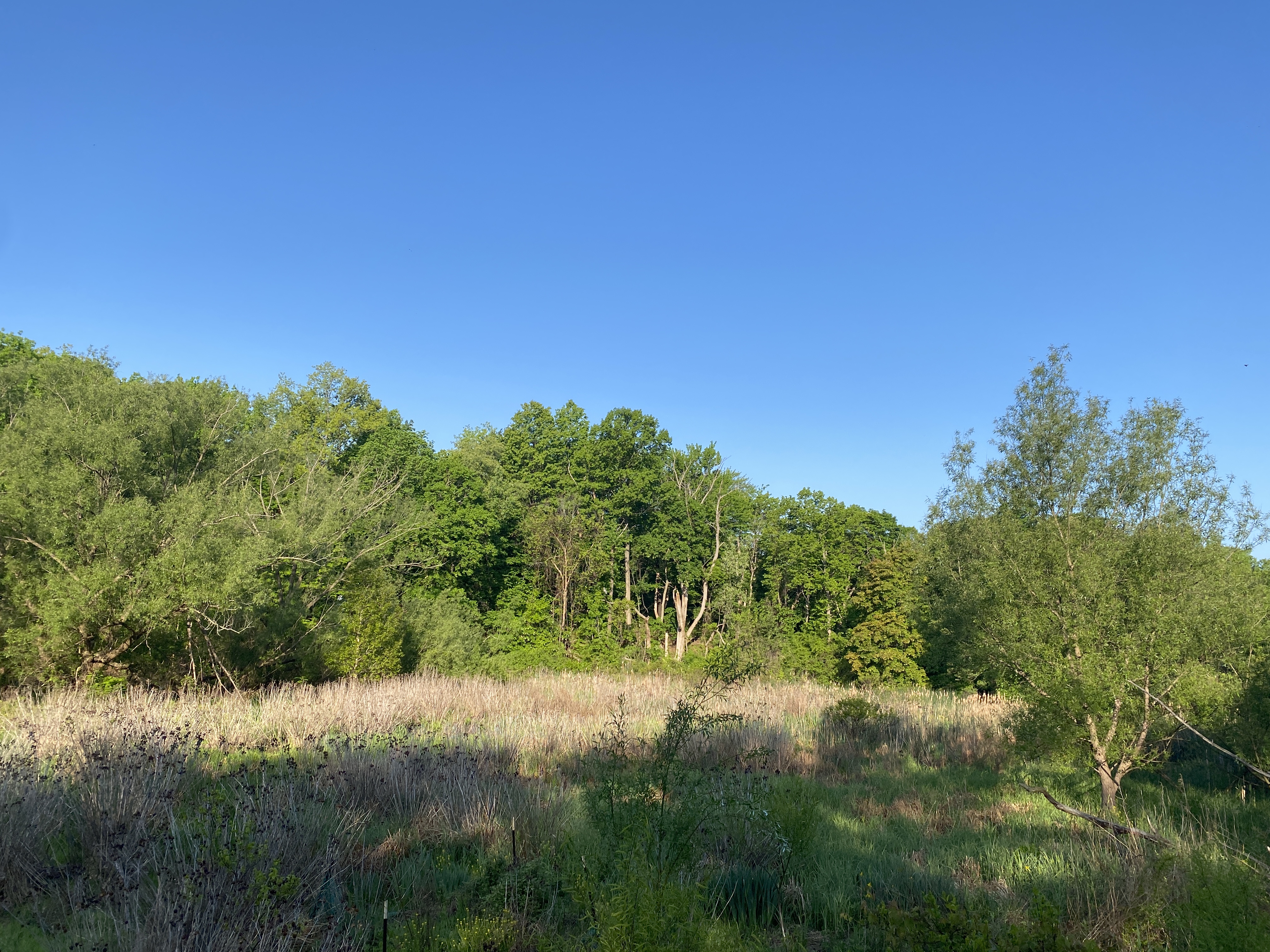
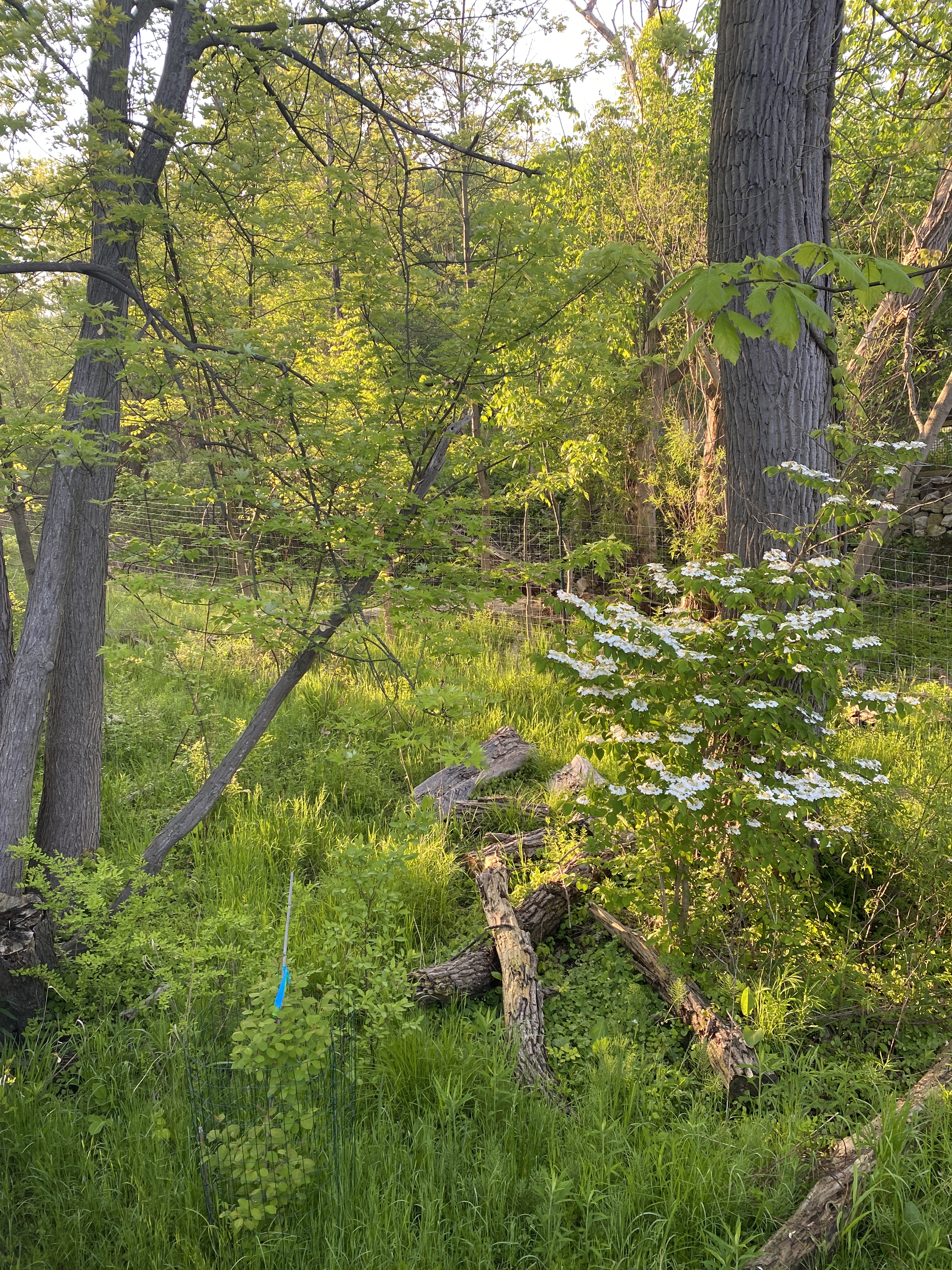
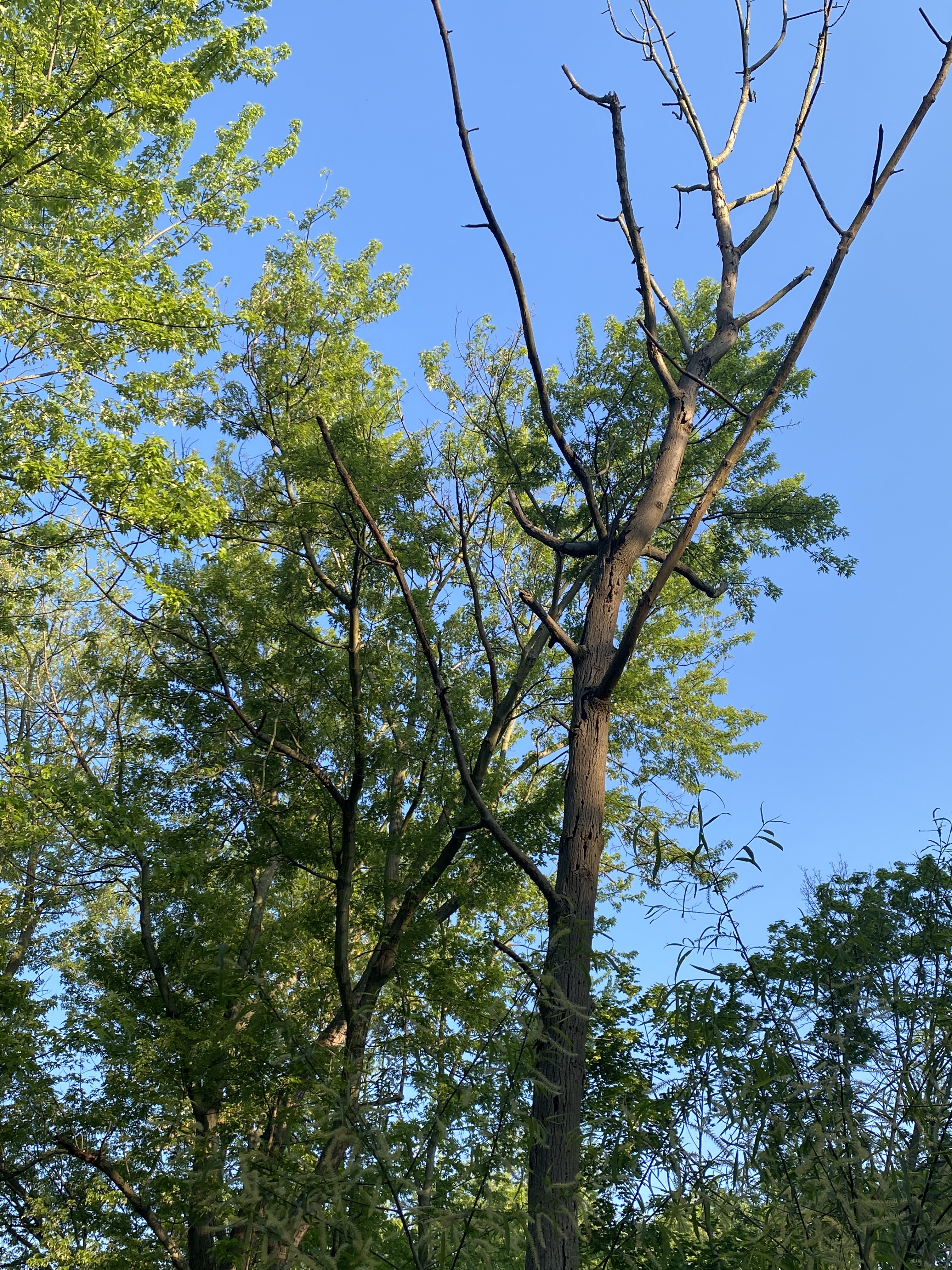
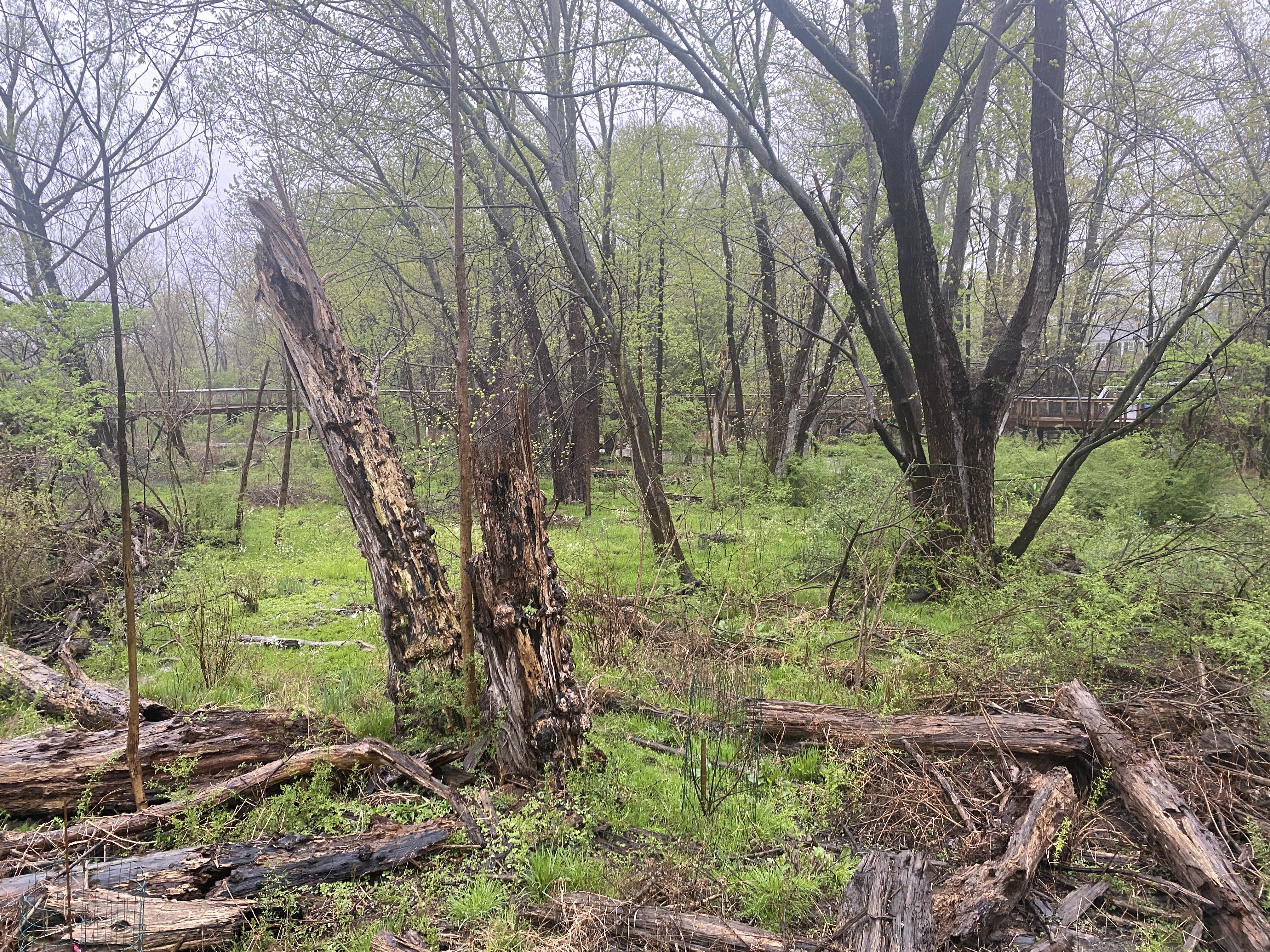
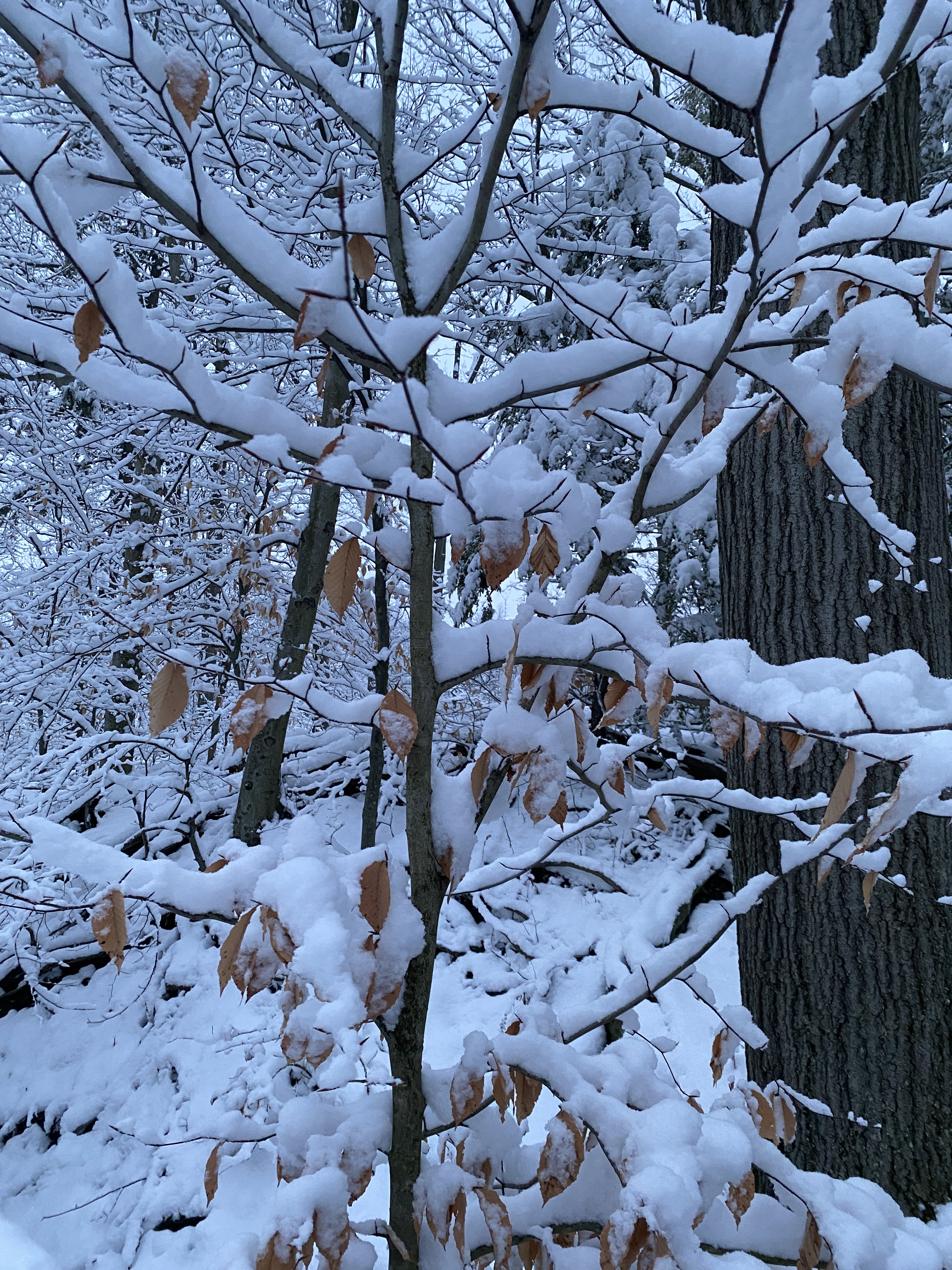
Tuesday, June 20, 2023.  This morning was breezy and green – another reminder of the blessing of living on a Great Lake.  In the middle east, land of our myth and history, it is, in contrast, hot and blazing under the sun.  Sowing is long past, most grain crops are or are being harvested, and through the heat of summer we await the harvest of fruits in the autumn.  Summer in the middle east is a time of intense heat and light, and a sense of retreating inward in waiting. The month of Tammuz is tied to this heat and light – named after the Sumerian god Tammuz who, like grain, is cut down and retreats to the underworld for six months of every year.

Our source Jill Hammer[1] draws a parallel between the story of Tammuz and our story of Joseph, who is thrown, and descends, into a pit, then is sold and descends further into slavery in Egypt.  Like the cycles of agriculture and nature, which return inevitably to harvest, cool rain, sowing and sprouting after the heat of summer, Joseph regrows his destiny in becoming powerful and redeeming his kin in prosperity. We are now, however, at the beginning of that journey – sensing a fall into deep places, and a need to mourn, watch and wait, in hope for the cycle to turn again.  At the 17th of Tammuz, we begin a 3-week period of mourning – for the historic fall of Jerusalem, other stories of tragedy and strife for our people – and plumbing our own internal depths.  May our fall together be meaningful, reminding us of the cycle of life – of growth after sadness, and may it be fruitful in the end, yielding a bountiful harvest of spirit with the coming of autumn. – K. Miriam

Our next Rosh Chodesh walking meditation will honor the month of Av, Wednesday, July 19, 7:30 am.  Rain or shine! Contact us for location.


[1] See Sources tab, Jill Hammer, The Jewish Book of Days, entry for the first day of Tammuz.

Sivan 5783 סיון

Sunday, May 21, 2023.  Every year in the Great Lakes, Sivan is the month when we get to finally celebrate spring.  It is here at last, and we are so grateful after seven months of cold! Just last week it was 32 degrees in the morning, and now this!  Greenery and flowers abound! And not only the trees and plants are bursting – the woods are full of noisy birdsong.  Just this morning my Merlin app recorded Tennessee Warbler, Song Sparrow, Yellow Warbler, Red-Winged Blackbird, Baltimore Oriole, Warbling Vireo, Tufted Titmouse, American Redstart, Black-and-White Warbler, Bay-breasted Warbler. So many friends shouting in joy, as are all of us!

Sivan is the month of peony and iris, honeysuckle and dogwood.  It is also the month of creativity and unity, as we receive our Torah at Shavuot, amid the bounty of G-d’s creation.  Two of our walkers celebrate their wedding anniversary today, as they do on the first of Sivan every year – what an auspicious day to start a partnership!  Our sages tell us of the unity of our people on that day at the foot of Mount Sinai, when G-d revealed G-dself, and the lessons by which we would live.  We said, together, “All that G-d has spoken, we will do.” May we all find ways to partner and work together in unity as spring opens the universe to us. – K. Miriam

Our next Rosh Chodesh walking meditation, honoring the month of Tammuz, will be Tuesday morning, June 20, at 7:30 am.  Please contact us for location.

Iyyar 5783       אייר

Shabbat, April 21, 2023.  Spring in the Great Lakes: cold and bluster, sleet and rain, amid the vibrant colors of cherry and redbud, new leaves, and the deep colors of tree bark and swollen streams.  This morning was no exception. We remembered that in Israel, it is a time of earth and growth, the crops well along, burgeoning in the strength of soil. 

As in every Iyyar, the first of the month is the 16th day of the Omer count, representing two weeks and two days of the Israelites’ travel in the wilderness, headed toward Sinai. The Kabbalistic theme for the 16th day is “gevurah within tiferet”, “strength within beauty/harmony”.  The month of Iyyar is an earth month, its astrological sign Taurus, the bull, also signifying strength.

Abraham Joshua Heschel, in his book The Sabbath[1], talked about the ever-present holiness of the Sabbath; it is there every seventh day, year in and year out, throughout time. This holiness is not for us to create, only to acknowledge and tap into it.  Whether or not we observe it, the day’s holiness shines through.  I wonder also about the holiness, and strength, of the earth.  Could it be that this is also here, day in and day out, and all we have to do is acknowledge and tap into it? Is this the definition of earth on this Earth Day, “strength within beauty and harmony”?

May we all find strength, resilience and beauty in the soil, the rain, the brilliance of blossoms, swollen streams, and the budding of leaf, this month. — K. Miriam

Our next Rosh Chodesh walking meditation will welcome the month of Sivan, Sunday, May 21, 7:30 am. Rain or shine!  Contact us for location.


[1] Abraham Joshua Heschel, The Sabbath, New York: Farrar, Straus and Giroux, 1951. p. 82.

Nissan 5783    ניסן

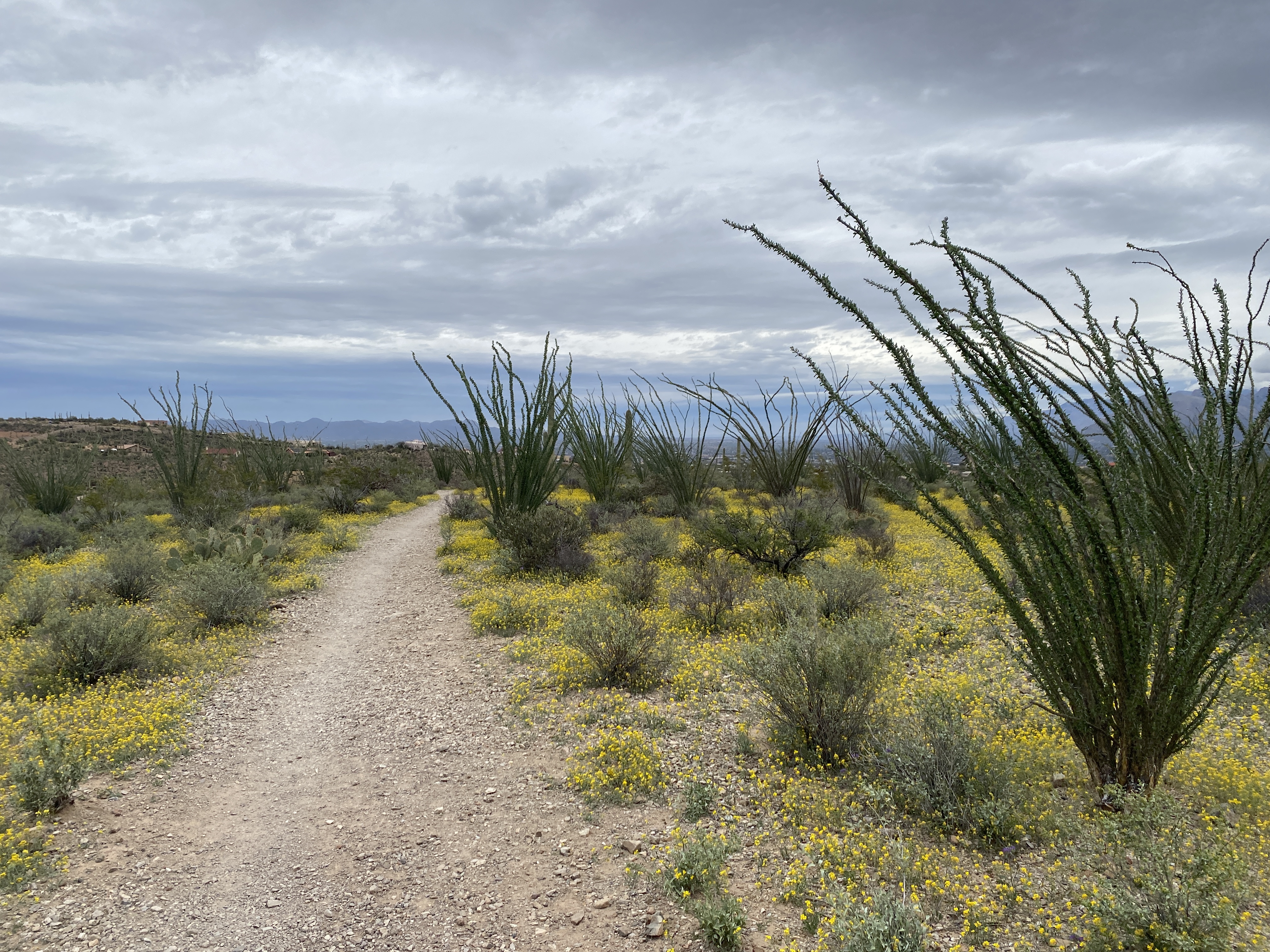
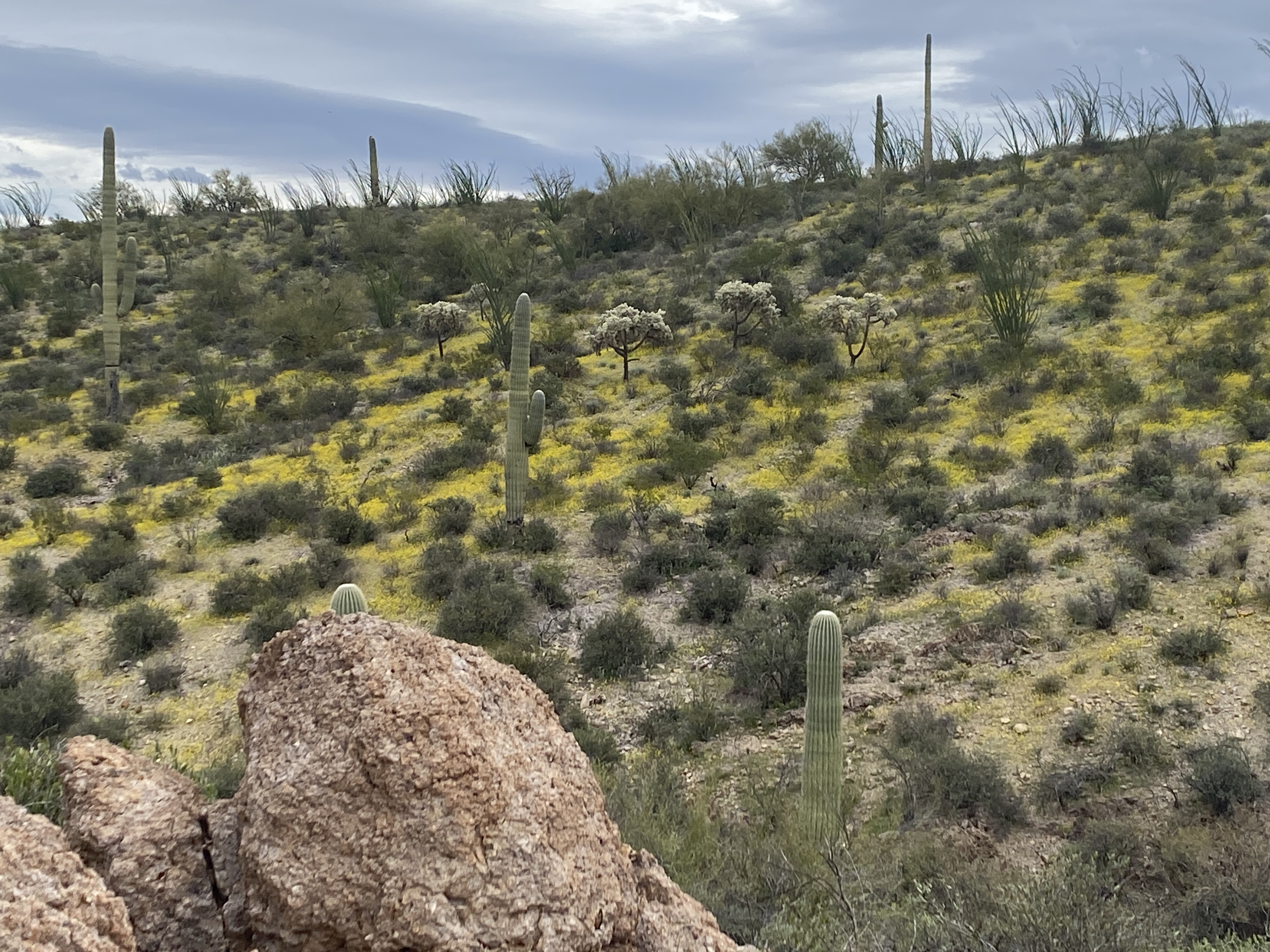
Thursday, March 23.  I was in Arizona last week, visiting family, so I honored the New Month of Nisan in a different place.  I am also including a photo from our meditation walk here in Cleveland, taken by Stephen, who graciously held down the fort while I was away.  The desert in Arizona was abloom, a once-in-two-decades occurrence, due to an unusual rainy and cool winter.  It was truly a sight — everything green and full of wildflowers, where dry stone and arroyo are typical. It made me think of spring, as it might be in the Middle East in times of rain and abundance.

Nisan is our month signifying the newness of spring – and contains the Passover festival, a time of rebirth and renewal.  I am reminded of the words of our source Jill Hammer:

Outside, this is the season of air, when fresh winds blow through the world.  Yet inwardly we are in the season of earth, the season when we are most grounded.  At Passover, Jews relearn who we are, what our task in the world is. We remember we are part of a people.  Looking around us in the spring, we remember we are part of the tribe of life.  This is a different kind of rebirth than the one at Rosh Hashanah; this is a birth that draws us out of ourselves.[1]

In our modern life, we are reminded daily of how far we are from our beginnings, from nature and our ancient festivals.  Alarming news about artificial intelligence, gun violence, climate change havoc, and expanding threats to political peace and harmony, bring us increasing anxiety and stress.  It can be helpful in such a world to remember who we are – to allow ourselves for a moment to be dressed in flax linen, carrying goatskin, readying our families for the journey out of Egypt, toward the green hills of Judea.  We walk in the natural world wherever we are, praising Yah, and doing what we can to help each other and our neighbors.  May all of us experience this promise of Nisan this month, and emerge with renewed hope and faith in what we can do to repair the world. – K. Miriam

Our next Rosh Chodesh walking meditation will welcome the month of Iyyar, Shabbat, April 22, 7:30 am.  Contact us for location.


[1] Jill Hammer, The Jewish Book of Days, a Companion for All Seasons, Philadelphia: Jewish Publication Society, 2006, p. 223.

Adar 5783       אדר

Wednesday, February 22, 2023.  What a cold and blustery morning, sleet changing to freezing rain, ice accumulating on sidewalks and trees.  It must be Adar in the Great Lakes! In Israel of course, trees are budding, crops are being planted, and spring is well on its way.  Just another reminder of the dual nature of Adar:  destruction and joy, rough weather and spring.  As Jews, we are joyful in Adar, while facing the dual nature of our world.

Adar is the month of Pisces, a water sign with two fish circling – duality once again, and reminding us that water is the basis of life, and life returning in spring.

We talked this morning about how challenging it can seem, on the first of Adar, and in our world, to imagine 30 days of being joyful, as we are commanded.  Later in the month, as we celebrate Purim, we may find it easier – but for now, how to enter a season of joy? We shared some ideas on cultivating joy day to day:

  • make a list of words whose meaning is joy for you
  • write a story or letter to/for yourself, incorporating the words:  remember moments of joy in your life, things that make you joyful, or remember something that delighted you as a child
  • send a letter or card meant to cheer someone and bring them joy
  • plan and wear a costume at Purim, and perhaps at other times!
  • find a joke book and share it with others

In the spirit of Adar, we decided to challenge each other to find one word for joy, every day for 30 days, until the beginning of Nisan.  You’re welcome to join us!  Chodesh Tov B’Simcha! (Happy New Month in Joy!) — Kirby/K. Miriam

Our next walking meditation will honor the month of Nisan, Thursday, March 23, 2023, at 7:30 am.  Rain or snow or shine!  Contact us for location.

Shvat 5783 שבט

Monday, January 23.  We were blessed this morning with the aftermath of yesterday’s snowfall, continuing through the night – the marsh in fresh, white snow cover, every tree lit with snow-light, our footsteps muffled.  We are transported to another world.  In the middle east, of course, spring weather begins, and the first crops are sown – peas, chickpeas, and vegetables.  The sap is rising in the trees, and buds are fattening.

Although here in the Great Lakes, we are still officially in winter, there is a change.  The light is growing – sunset is past 5 pm, days are brighter – birds are starting to sing on good days – and soon enough the sap will rise in the maple trees for syrup season.  Shevat is noted by our sages as a month of turning – from the darkness and waiting of Tevet, to a sense of coming rebirth, looking toward a positive future. 

The zodiac sign for the month of Shevat is Aquarius, a water and air sign, and our sages note especially that we are under the planet Uranus, which looks to the future.  Uranus, planet of the “higher mind”, makes us think of new projects, possibilities, opportunities, and new directions.[1]

One final thought, Shevat is also the month of Tu B’Shvat, the new year of trees. So trees have a special place in our thoughts this month.  Maria Popova quotes Herman Hesse[2]:

A tree says: A kernel is hidden in me, a spark, a thought, I am life from eternal life. The attempt and the risk that the eternal mother took with me is unique, unique the form and veins of my skin, unique the smallest play of leaves in my branches and the smallest scar on my bark. I was made to form and reveal the eternal in my smallest special detail.

A tree says: My strength is trust. I know nothing about my fathers, I know nothing about the thousand children that every year spring out of me. I live out the secret of my seed to the very end, and I care for nothing else. I trust that God is in me. I trust that my labor is holy. Out of this trust I live.

May we all go forward in optimism into this month, as faithful as the trees, ready to bud and blossom. — Kirby

As has been our tradition, we will be holding a full moon walking meditation to honor Tu B’Shvat on Monday morning, February 6. Our next Rosh Chodesh walking meditation will honor the month of Adar on Wednesday, February 22.  Both are at 7:30 am.  Contact us for location. Hope to see you there, rain or snow or shine!


[1] See our source Mindy Ribner’s Kabbalah Month by Month, p. 114.

[2] See https://www.themarginalian.org/2020/05/04/natascha-mcelhone-wander-hesse-kew/

Tevet 5783  טבת

Sunday, December 25, 2022.  It was bitter cold this morning, at 12 degrees Fahrenheit, -32 with windchill. Too cold to take many pictures!  A polar vortex descended on the Great Lakes from Canada on Friday, and while the blizzard is done, the cold remains for another day or two.  Nevertheless, three of us made it to the marsh today to bless the month.  Mid-Winter is upon us, with November and December just about done – four months to go.

Tevet is one of the three months our sages acknowledged for negative emotions, when we are steeped in anger, sadness, depression, and anxiety. The other two are Tammuz and Av, set in the heat of the summer.  Here we experience the deadly cold and wind of winter, when summer life seems far off and we hide indoors.  And yet, we have the last lights of Hanukah to show the way, and the solstice is past, daylight increasing every day. Our task during this month is to harness our negative emotions, fiery though they may be, and transform them into the positive, the good, and the productive.

As a guide during the month, we have the astrological sign for Tevet, which is Capricorn, the goat. Characterized as brazen, fiery and stubborn, the goat is also persistent, a hard worker and challenging task master.  Through work and hardship come the rewards and transformation we desire.  At the same time, we know about scientific research which shows us that we can transform negative emotions simply by dreaming ourselves to the positive. If we make ourselves smile, no matter how little we want to smile in the moment, we start to feel better.  If we look for the good in others, no matter what grudge we may hold – we start to see them in a new light.

So we have two tools at our disposal – enhanced by the last of the Hanukah lights, and the growing daylight after the solstice.  May they sustain us and support us, and may we support each other, as we look to transform ourselves and our world for the good. —Kirby

The next Rosh Chodesh walking meditation will be honoring the month of Sh’vat, Monday, January 23, 7:30 am.  Contact us for location!

Kislev 5783  כסלו

Friday, November 25, 2022.  It was cold and damp this morning at the marsh, with a raw breeze.  We cut our walk a little short, but it was nevertheless good to gather, still warm from holiday dinners the night before. We honor the new month of Kislev, which brings us from darkness into light – the winter solstice, the darkest day of the year – also is the day of turning, when light begins to return to the world.  Our holiday Hanukah, which ends the month and overlaps into the coming one, reminds us, as our candlelight steadily grows day by day for eight days, that the world is turning and the light and spring season will return in due time.

Kislev is also known as the “month of dreams”, since the Torah portions read during this month tell stories of our ancestors’ dreams. The dreams of Jacob and Joseph are among the most mystical scenes in our Torah, bringing to mind the subliminal and deep unconscious images and aspirations that thread through human lives.  The zodiac sign for the month of Kislev, Sagittarius, is a centaur, half-human, half-animal, reminding us that we are both.  Our animal minds, or “limbic brains”, the core at the center of each of our brains, are the center of stress response – “fight, flight or freeze”, often getting us into trouble.  But they are also the center of creativity, spontaneity, and the deep source of our dreams.  The opportunity given to us by Sagittarius is to honor and welcome our animal selves, while tempering our deep stress response with creativity, joy, and our uniquely human endeavors in philosophy, ethics, morals, religion, the arts, and science. We are both animal and human – may we harness the best of our full selves in serving the divine, the world around us, and each other. —- Kirby

Our next Rosh Chodesh walking meditation will honor the month of Tevet, Sunday morning, December 25, 8:30 am.  NOTE LATER TIME FOR THIS MONTH!! Contact us for location.

Cheshvan 5783 חשוון

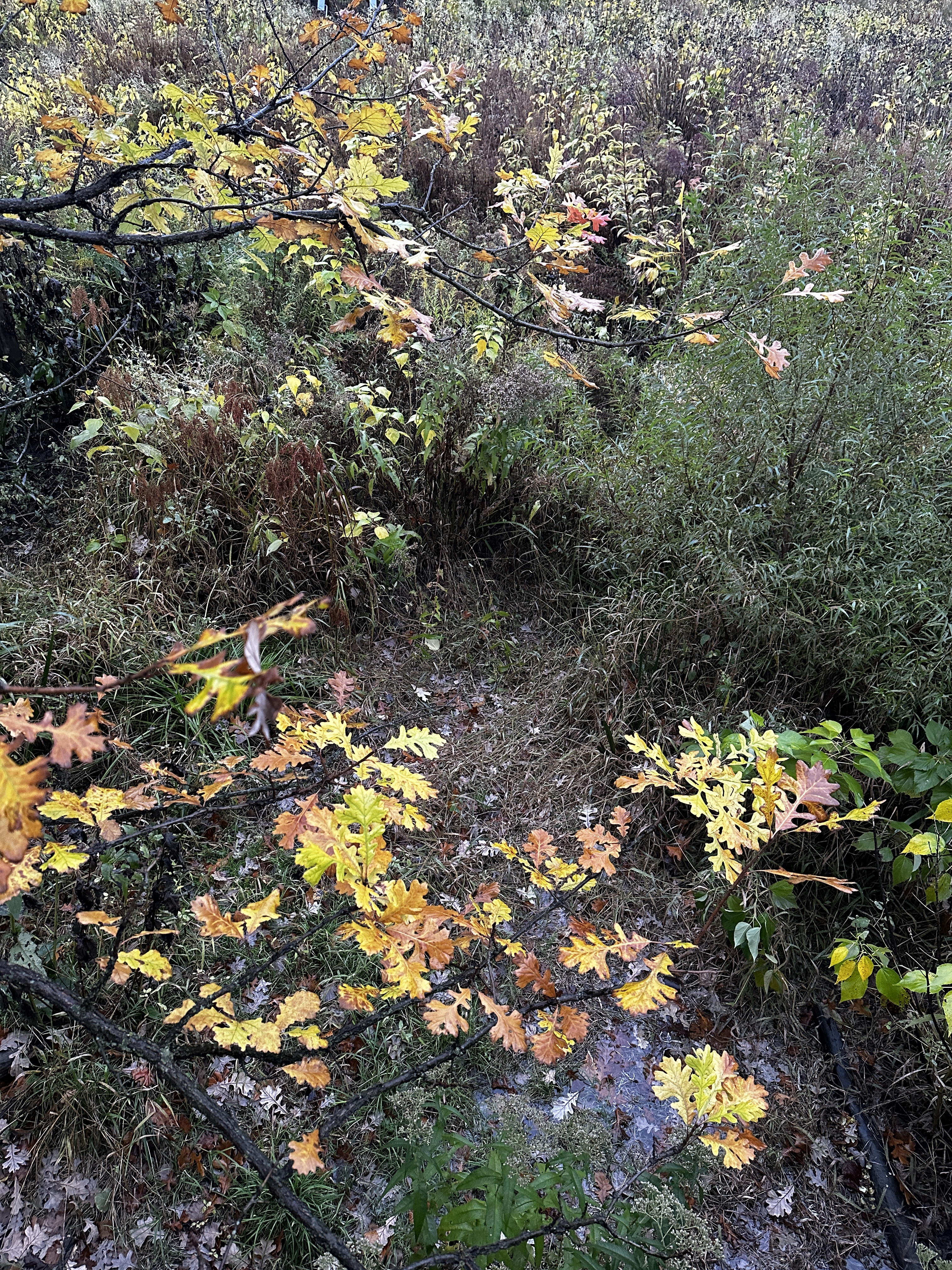
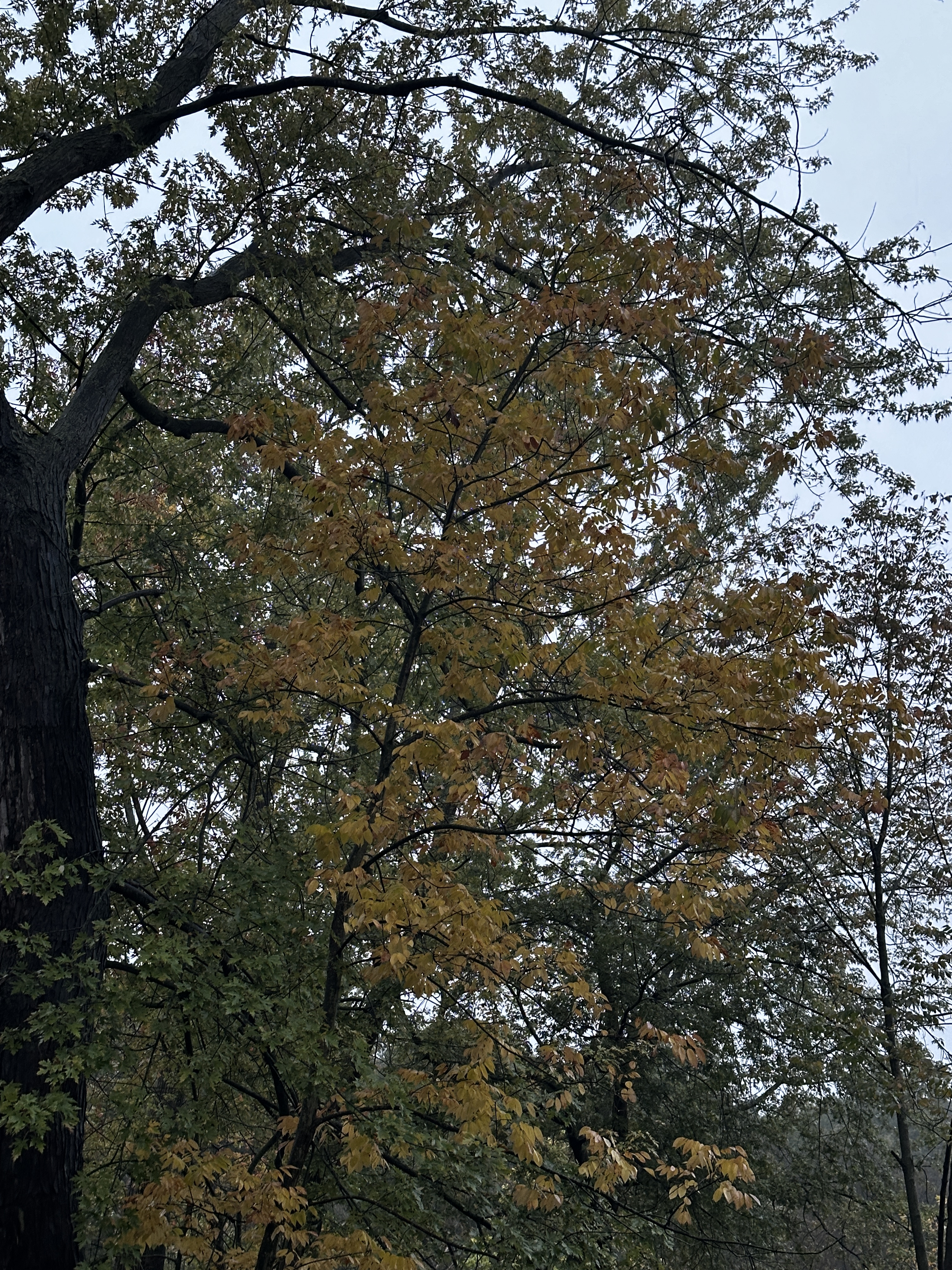
Wednesday, October 26.  A warm but dark, blustery and rainy day – the trees are painted with the most intense color this year, stronger than usual – and in the dark and wet, they glowed.  It was wonderful to walk among them. In the middle east, harvest is just about done, olives the last crop.  And then the rains come – rejuvenating the soil and preparing it for planting to come.

We spoke today about MarCheshvan, the original and still-used name for the month of Cheshvan.  “mar” refers to bitterness – often explained as referring to the lack of holidays in this month.  But it also could refer to the need this month to take our inspired commitments of the High Holidays and confirm them in our everyday lives.  This often involves digging deep into the roots of our souls, finding the not-so-good truths about ourselves and pulling them out in order to truly start anew.  This is not easy work, and even could be bitter work – perhaps this is also the origin of the name.

Orthodox sources we have seen this month seem to also focus on the ethics of clean, kind speech, and business ethics.  Bringing our inspired commitments into our everyday lives means being aware of our every action, and its impact on others – whether it is a response to a family member or acquaintance, information shared inadvertently, or a business decision.  What do we hear from our ancestors and modern-day advisors about the right thing to do or say? – how good are we at carrying this through, day in and day out? – most of us are works in progress.  Let Cheshvan give us many opportunities for this work. — Chodesh tov! — Kirby

Our next Rosh Chodesh Walking Meditation will honor the month of Kislev, Friday, November 25, 7:30 am.  Contact us for location!

Tishrei 5783    תשרי

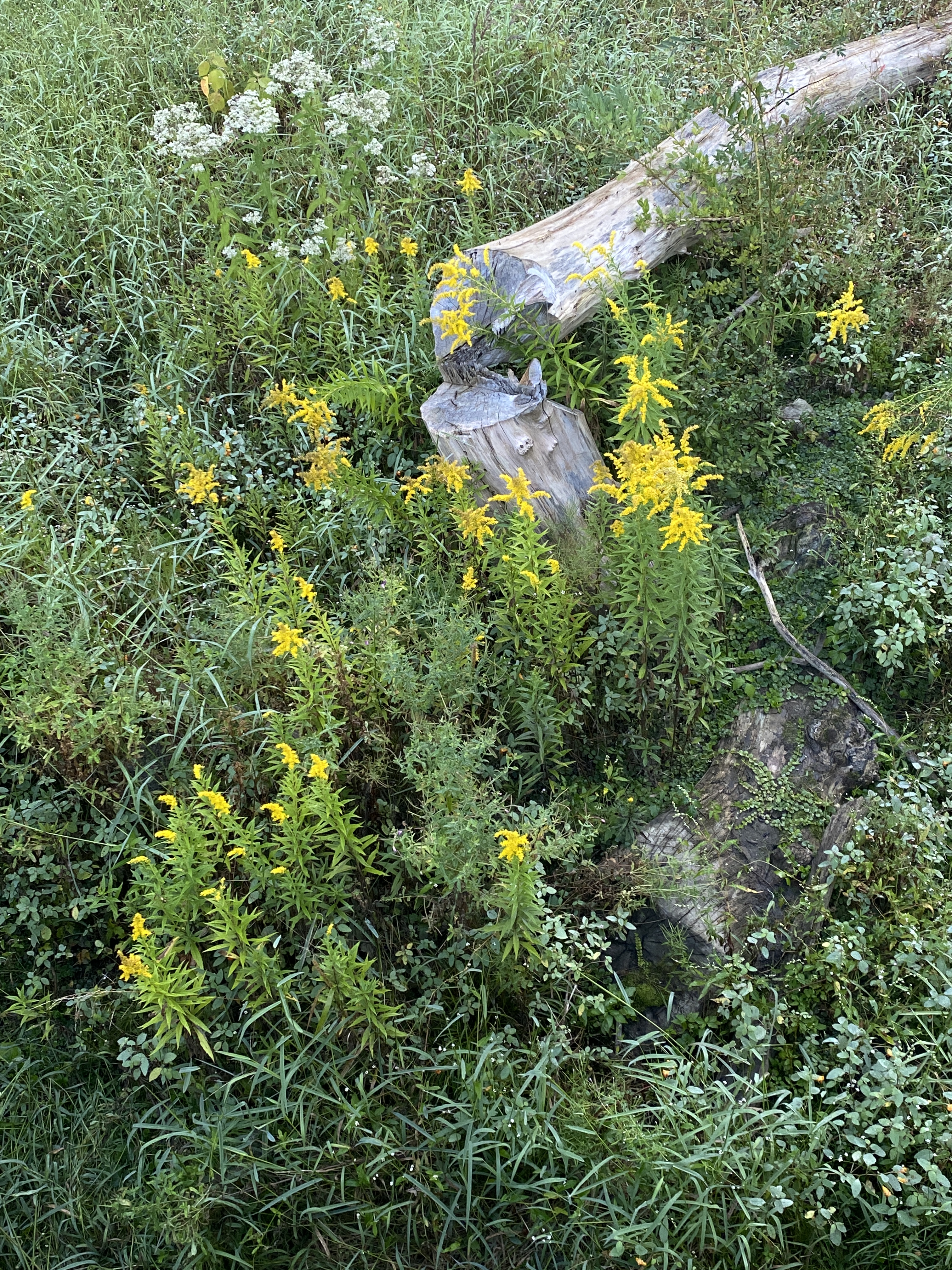
Monday, September 26, Rosh Hashanah.  A clear morning with a rosy sunrise to start the New Year of 5783.  We gathered with hope for a new year of possibilities.  It is harvest time for fruits and nuts in the Middle East, with the ingathering of grapes, figs, pomegranates, and olives aligning with the High Holy Days and the Sukkot harvest festival.  Here in the Great Lakes, we harvest apples and pumpkins, and witness the slow yellowing of the leaves and cooling of the air.

This year I would like to introduce the elements of Jewish astrology teachings to our monthly blog.  The heavens are an important part of our natural world – the source of inspiration throughout the ages, recognizing the other-worldiness of heavenly signs and events – and universal to our human experience, perhaps the most global aspect of nature, along with the oceans. Our sages were intensely opposed to the use of astrology and horoscopes to foretell a person’s future, identifying that study with pagan worship.  And yet, the Kabbalists recognized the role that heavenly constellations could play in the sense of the months. Similar to the role of other sensibilities assigned to each month, such as the energy of the s’firot, the tribes of Israel, and divine letters of the Hebrew alphabet, these were combined with the month’s holidays and Torah readings to fully understand the possibilities for human reality within the month. There is more information on each month in our source Mindy Ribner’s Kabbalah Month by Month (see resources page).

And so, for Tishrei, we note that the sign is Libra, the balancing scales. While the constellation assigned to each month does not align with what is in the sky in our modern age, it did do so 2000 years ago.  Imagine living through the High Holy Days with a scale above your head in the desert sky, every night.  There is a message here about balance – finding the balance between the good and evil, the stressed and centered, the scattered and focused, the kind and the unkind, in our world and in our hearts.  May this coming year be one of increasing balance for all of us as we seek peace in our lives and communities. —Kirby

Our next walking meditation will be the morning of Rosh Chodesh Cheshvan, Wednesday, October 26, 7:30 am.  Rain or shine!  Contact us for location!