Tishrei 5782    תשרי

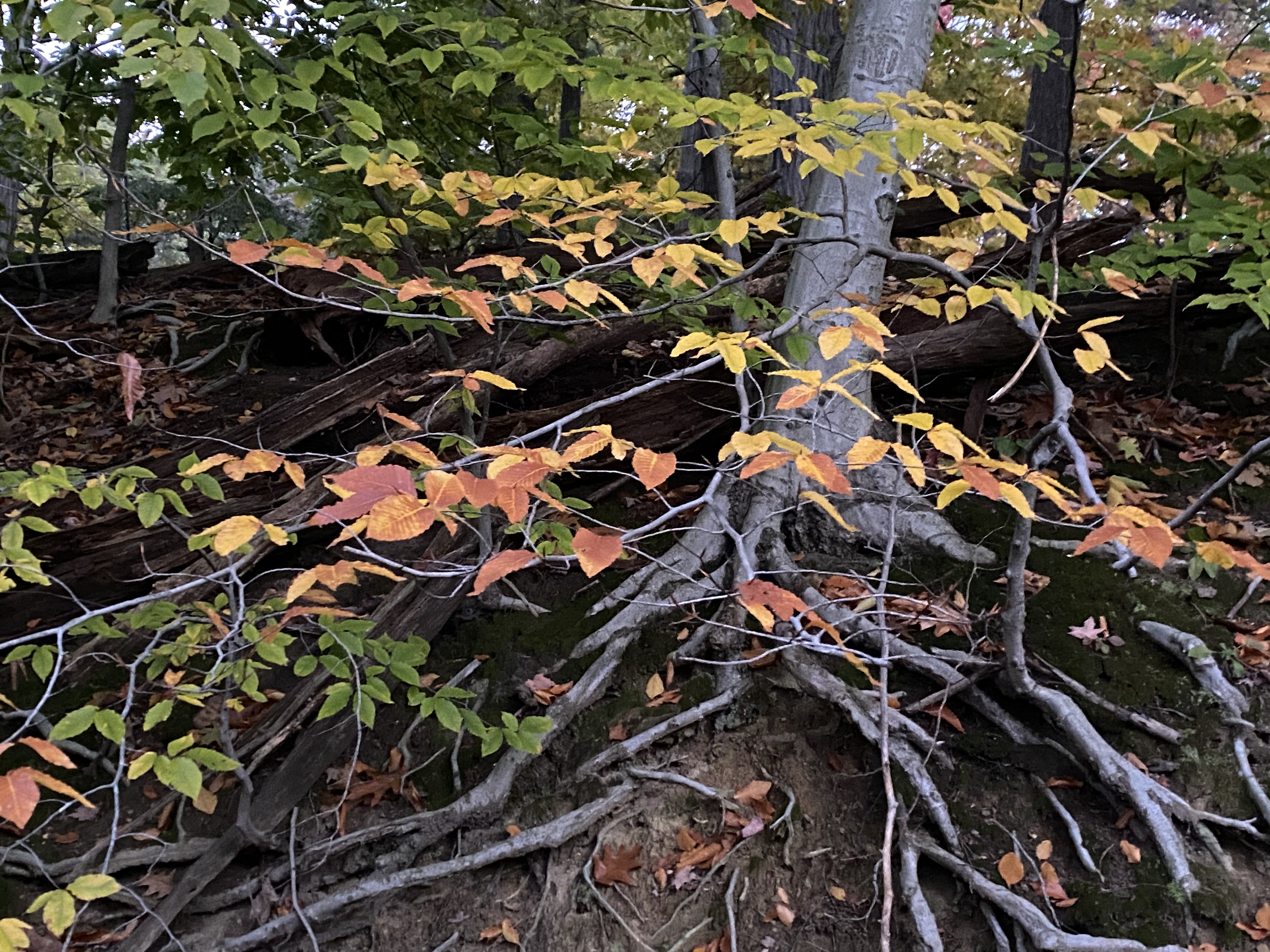
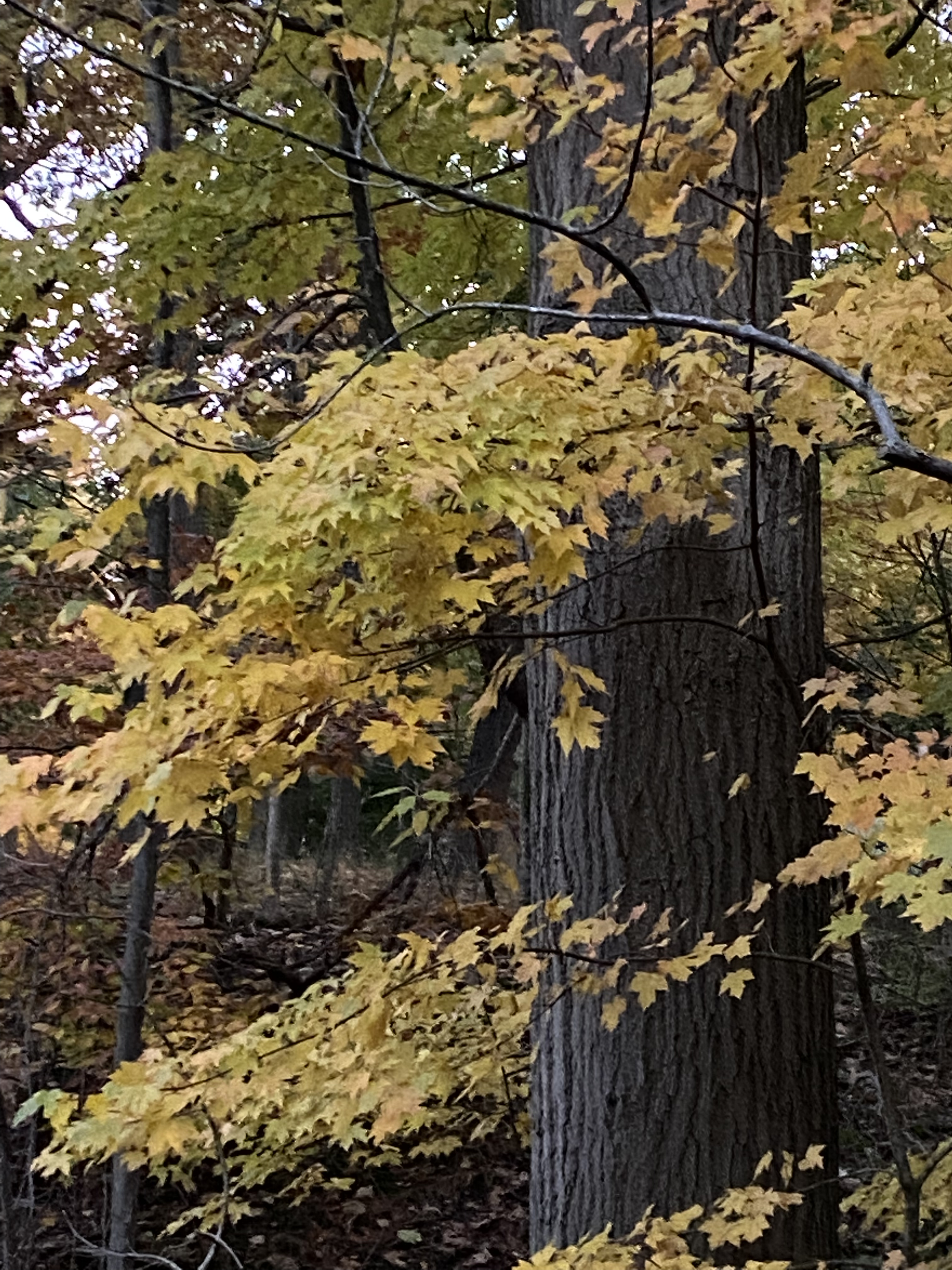
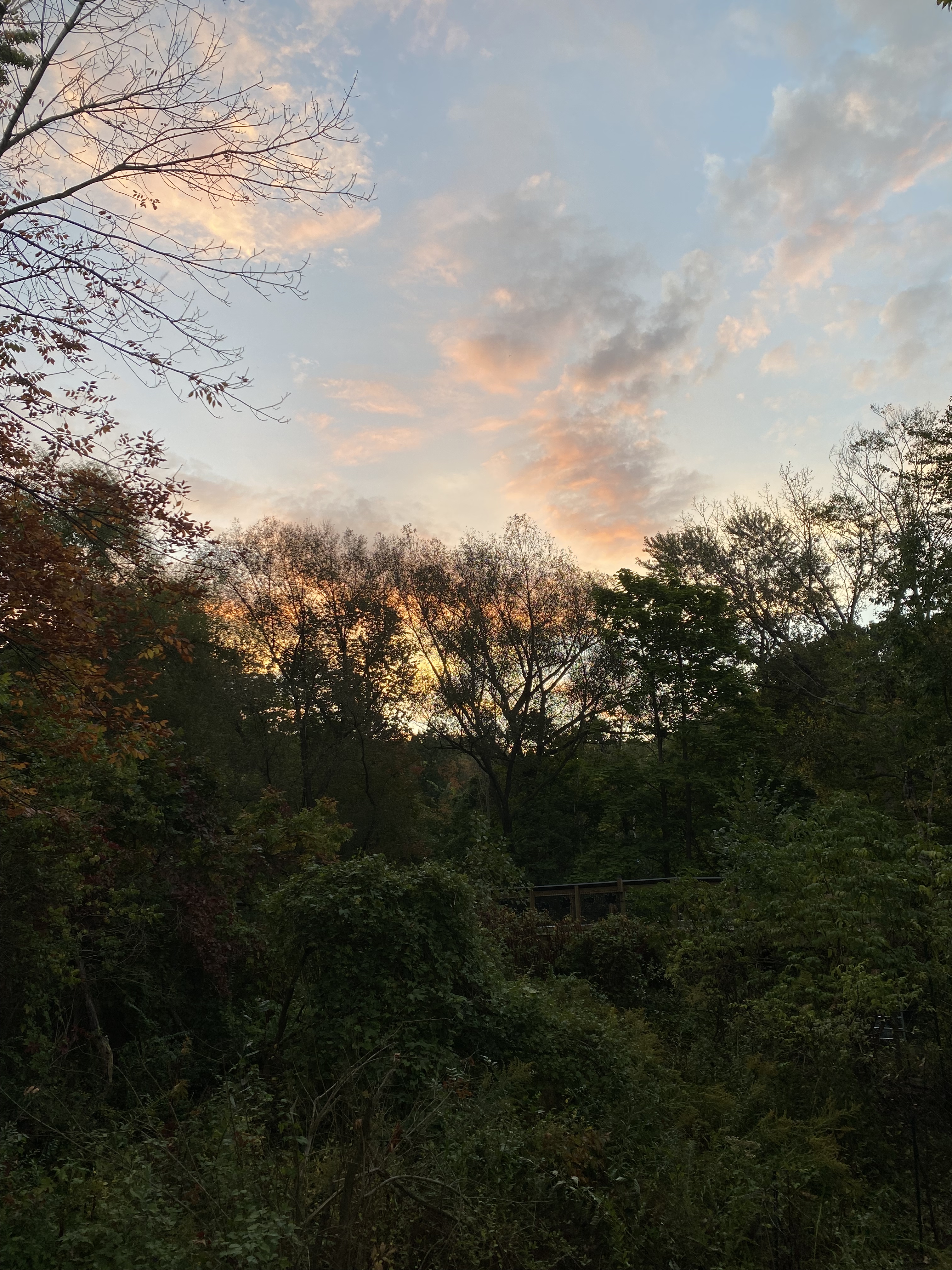
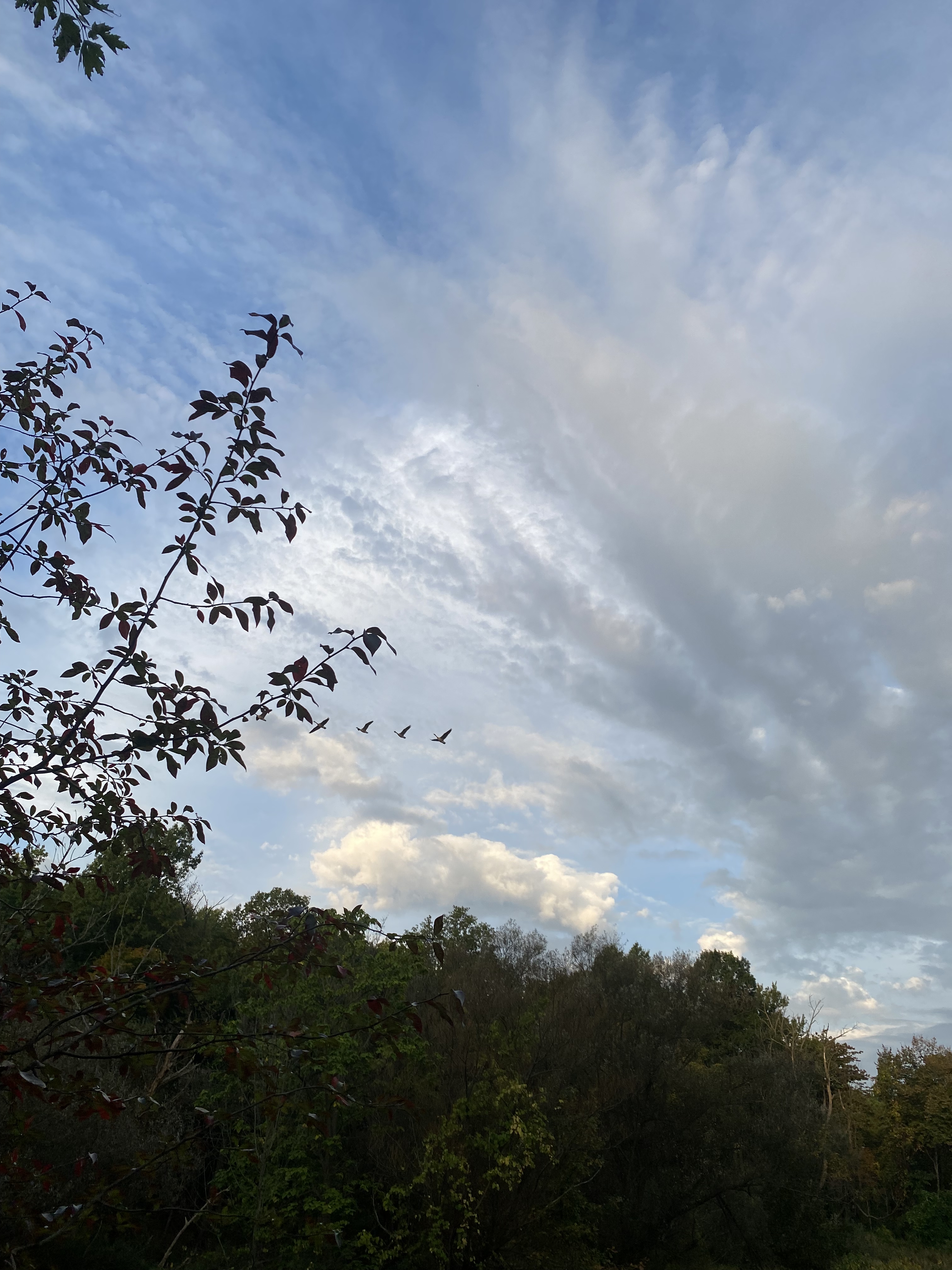
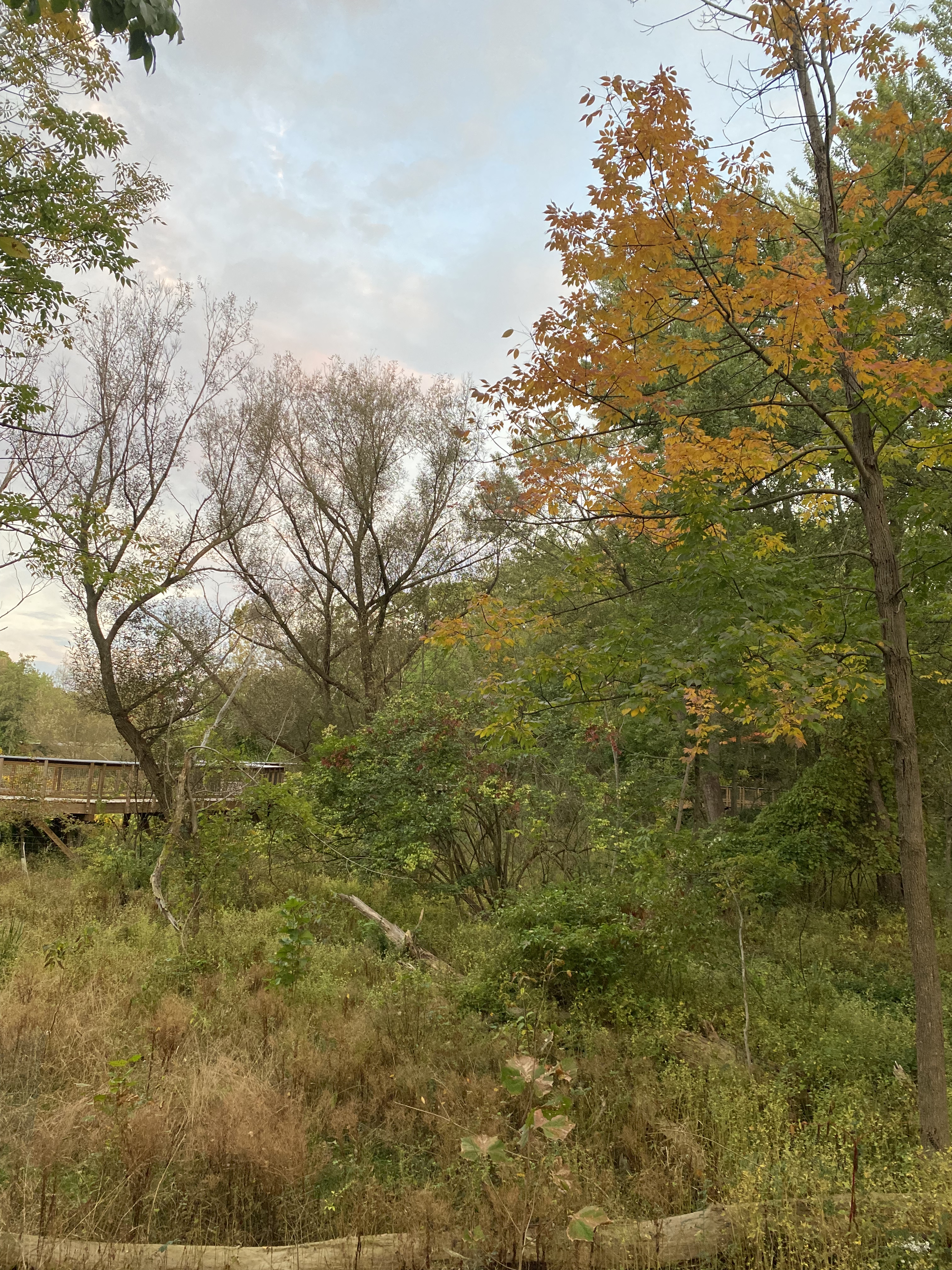
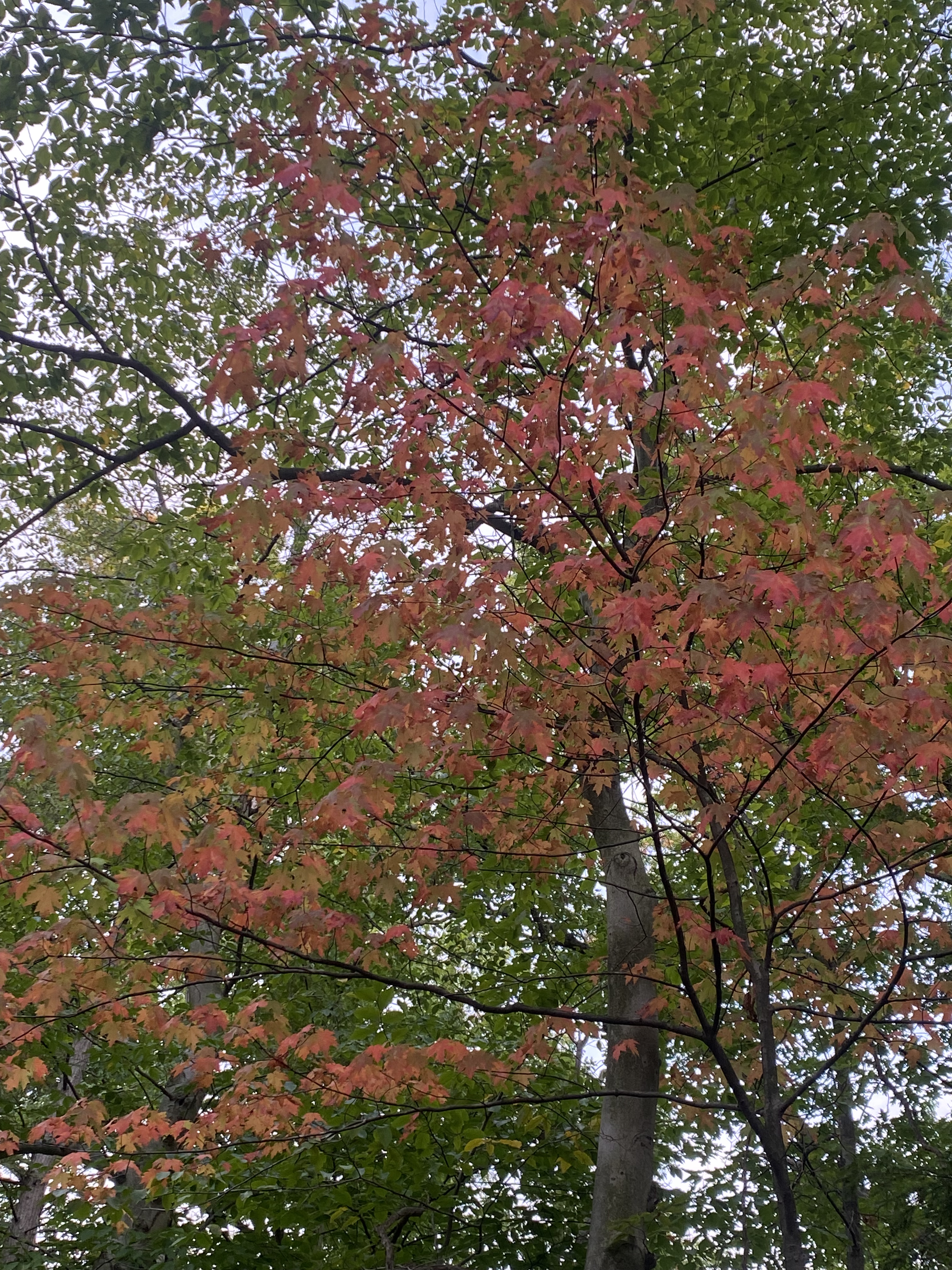
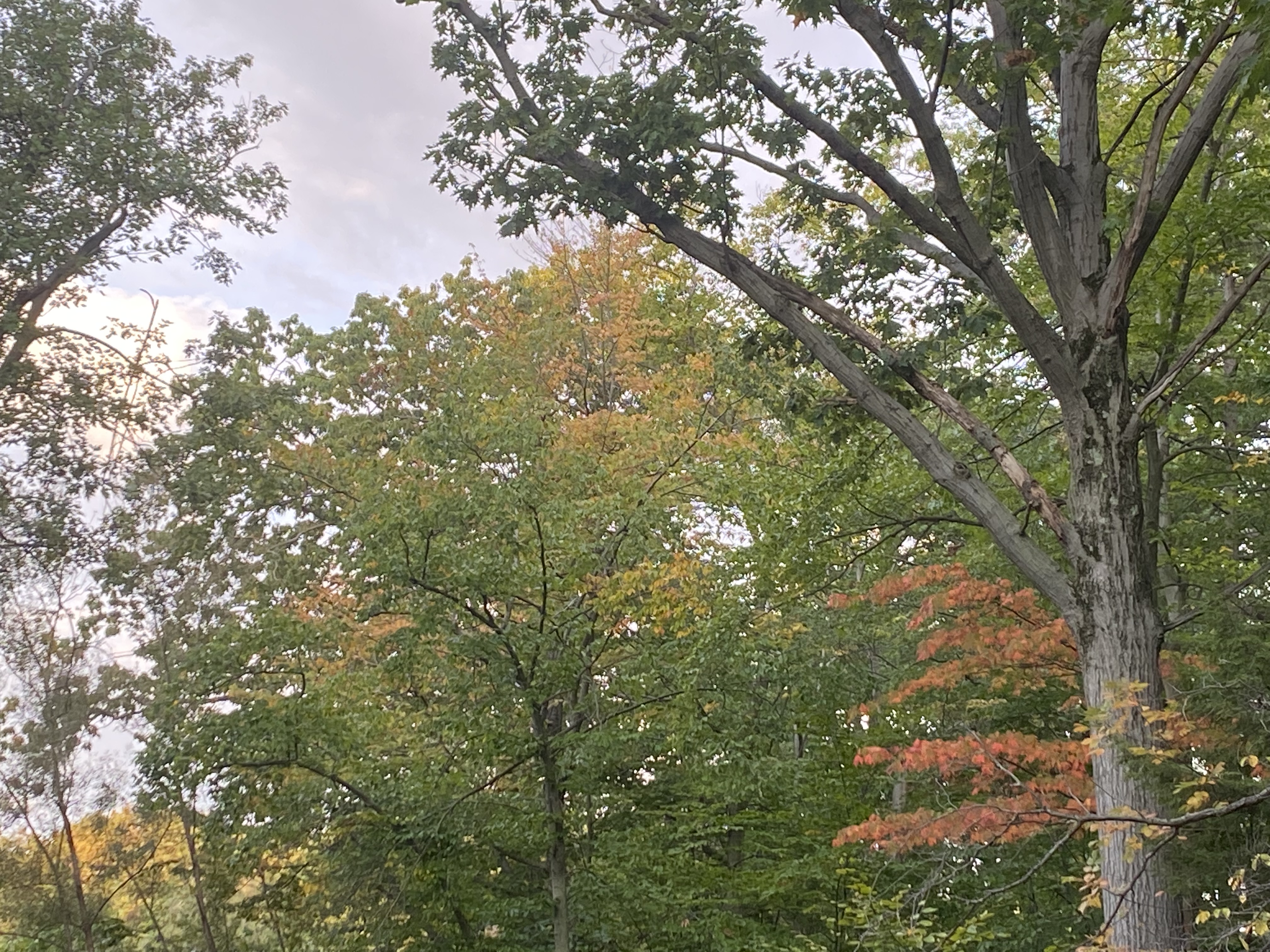
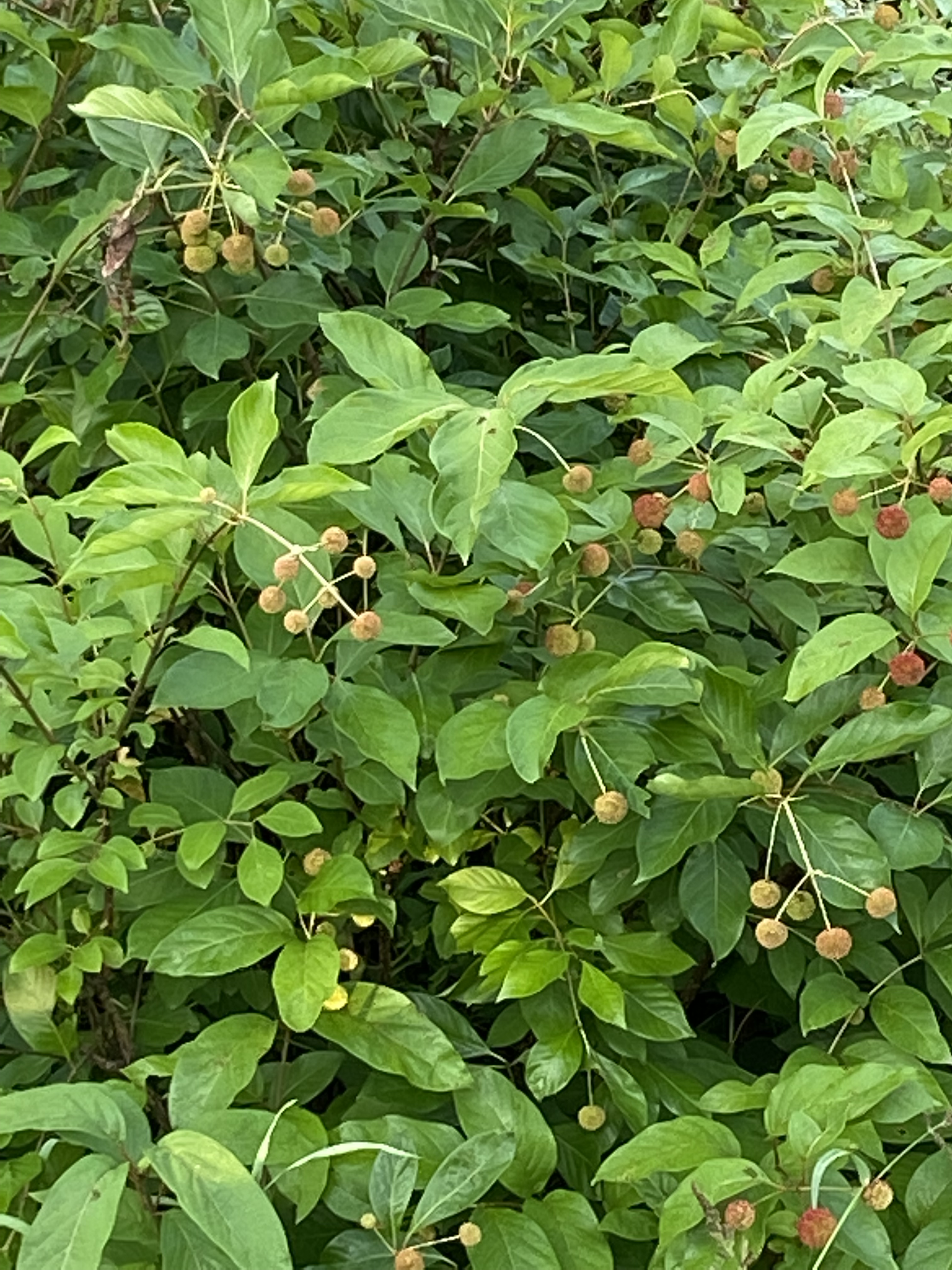
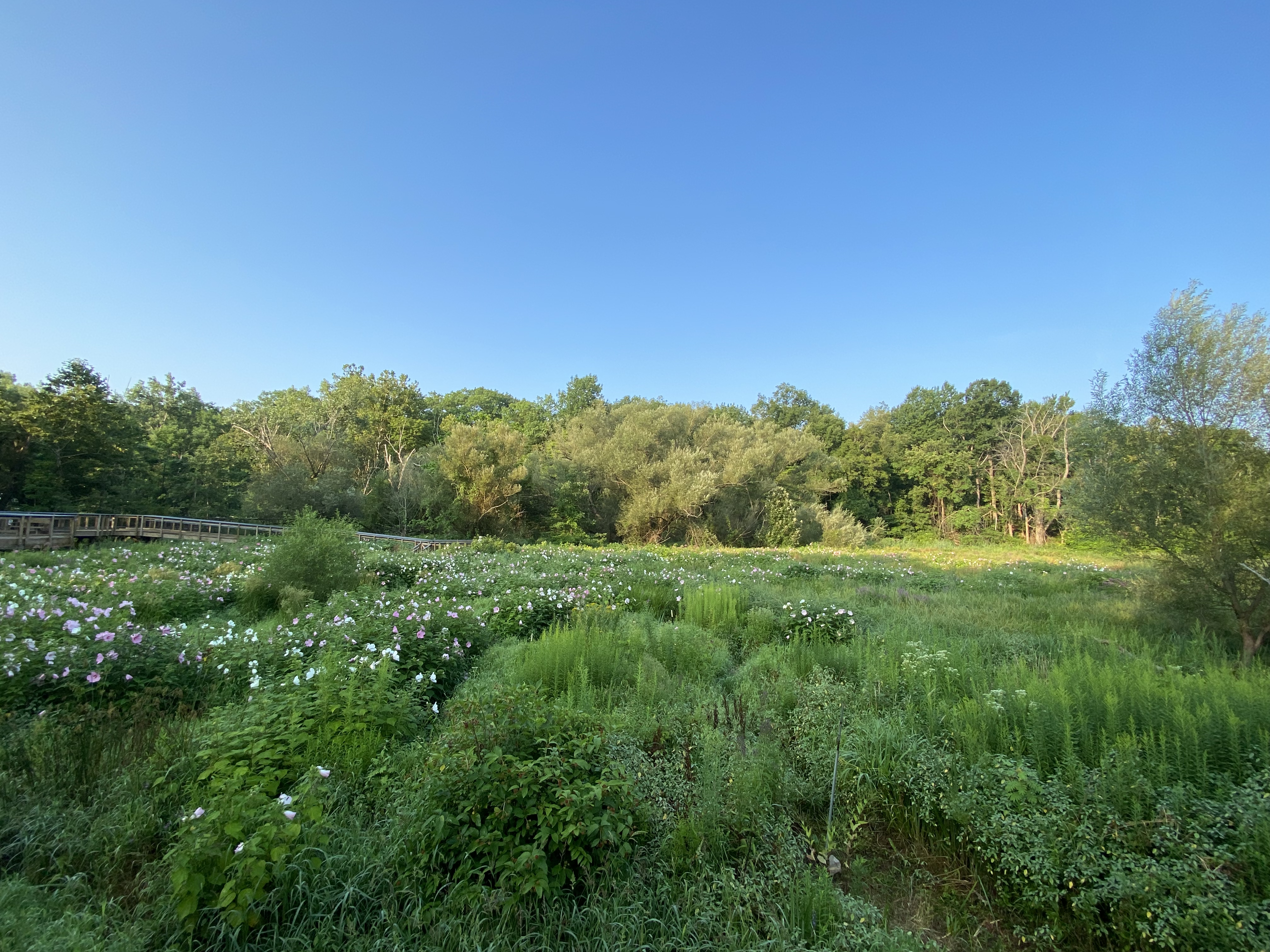
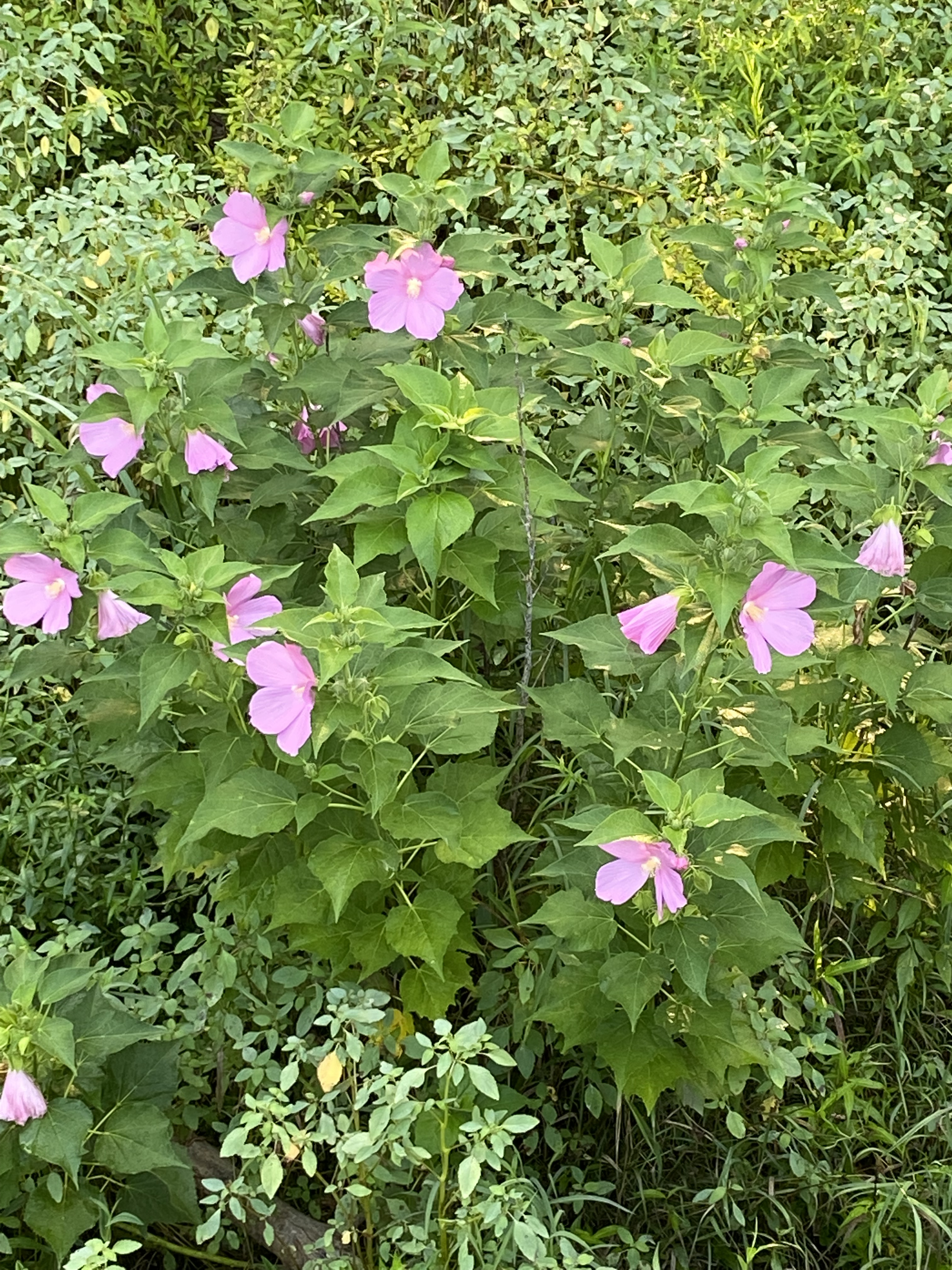
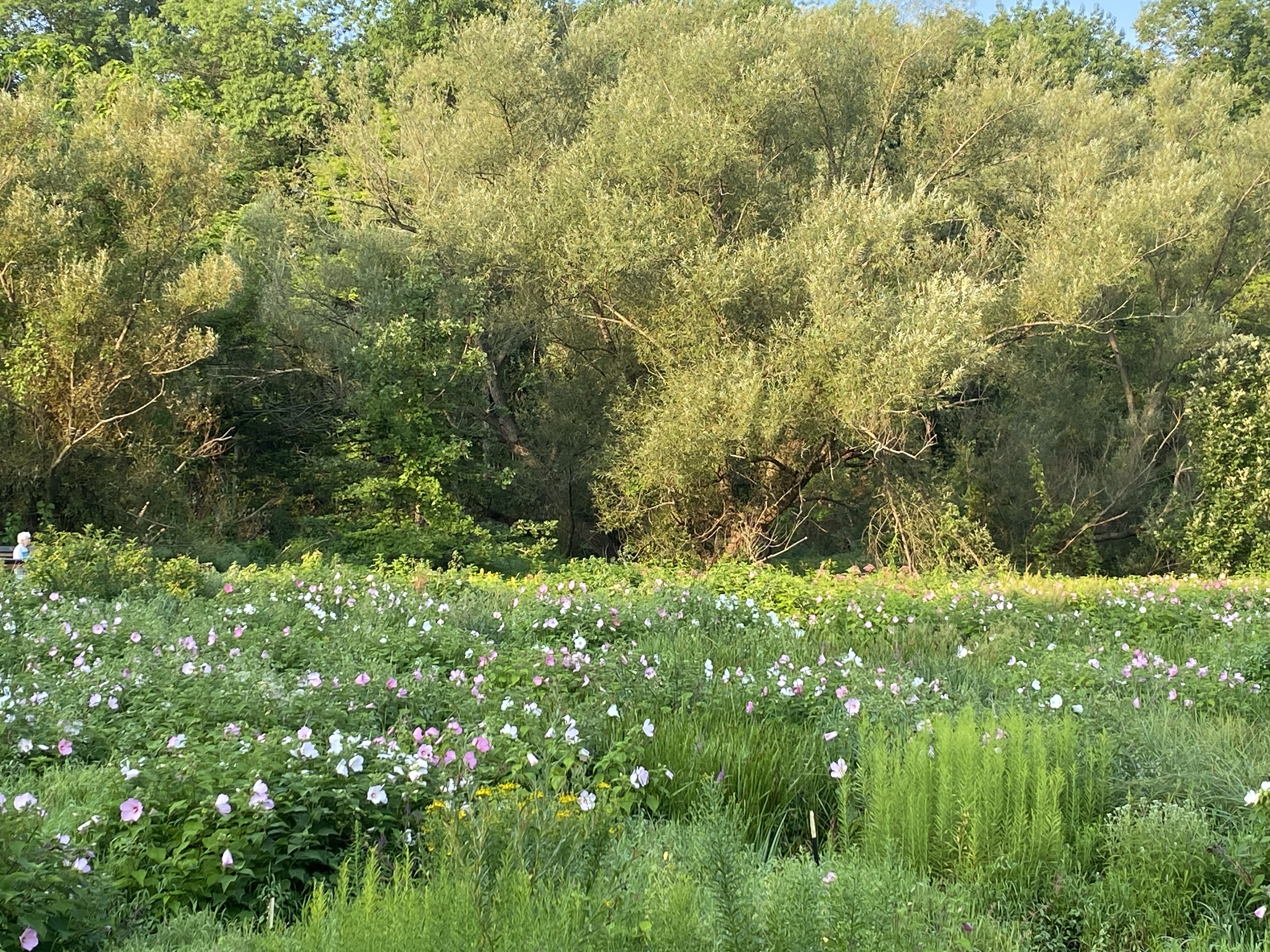
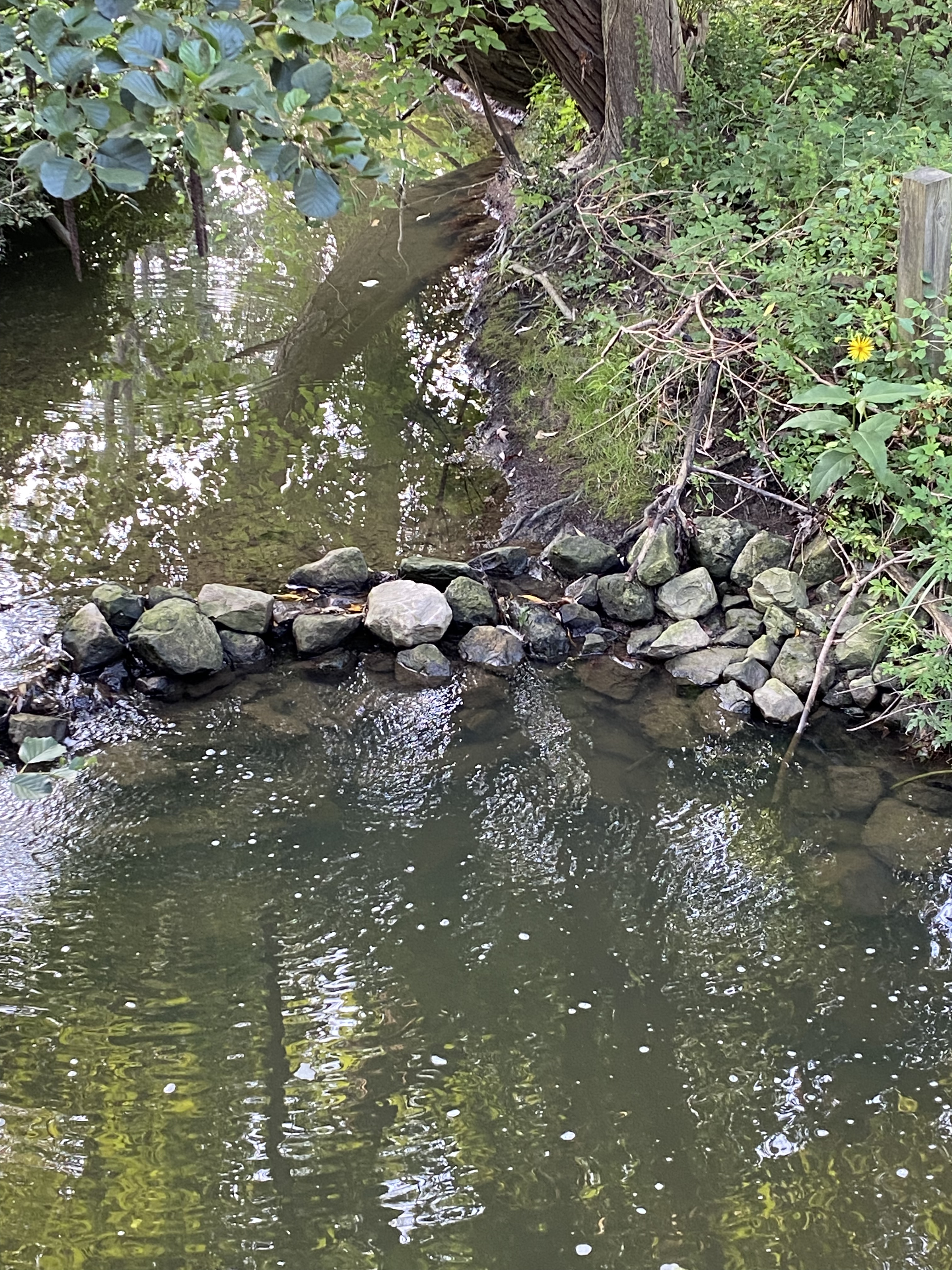
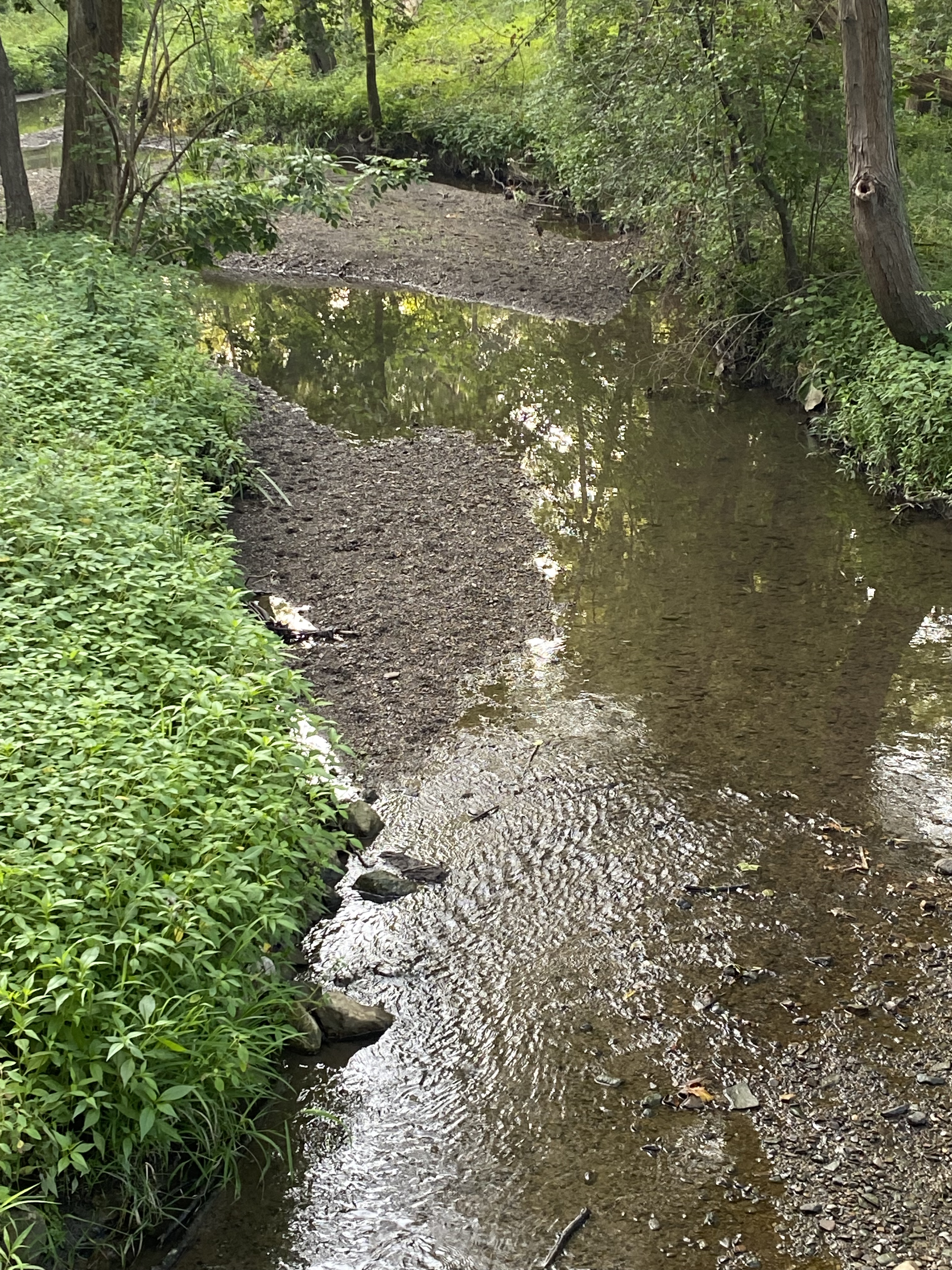
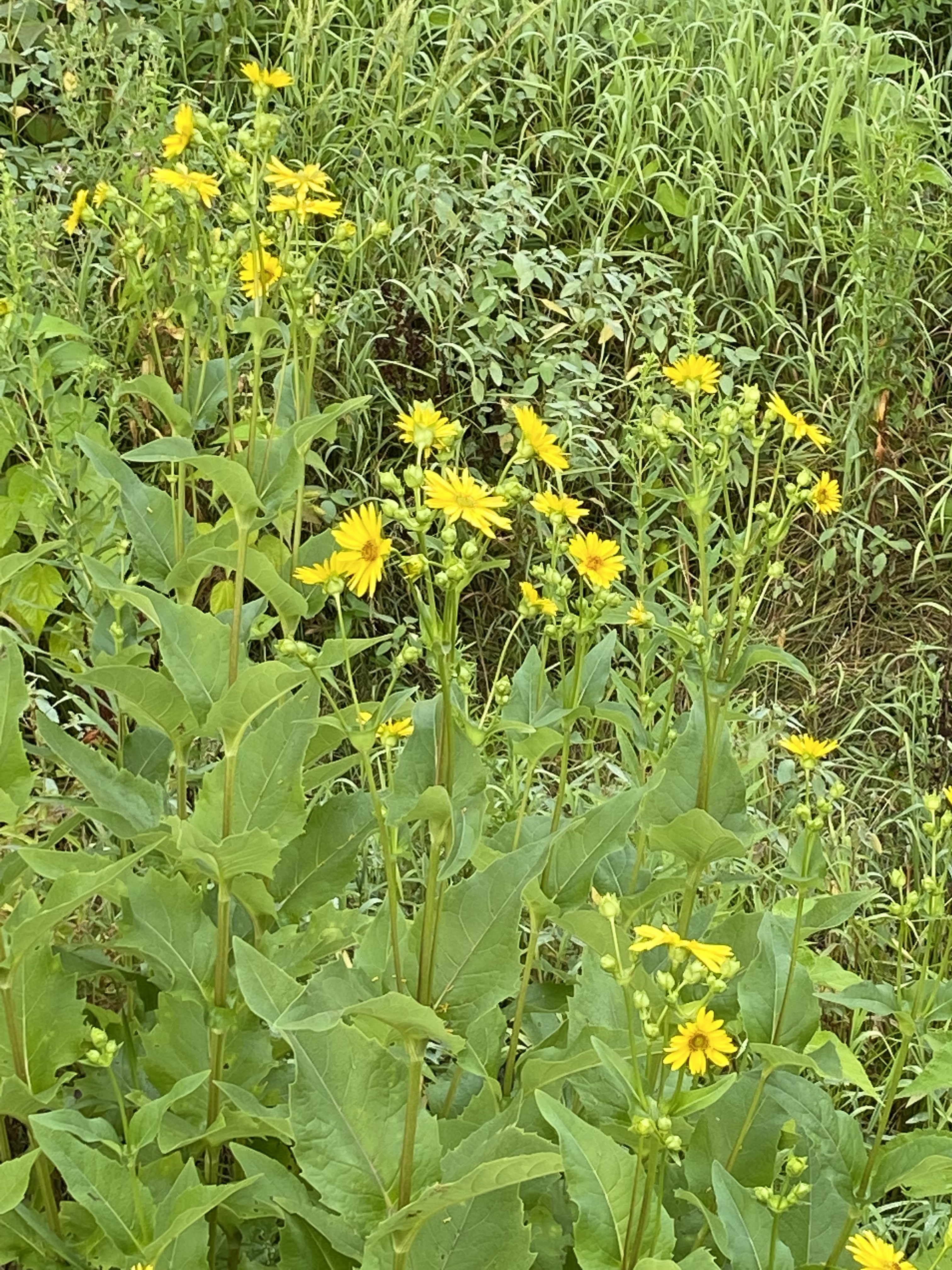
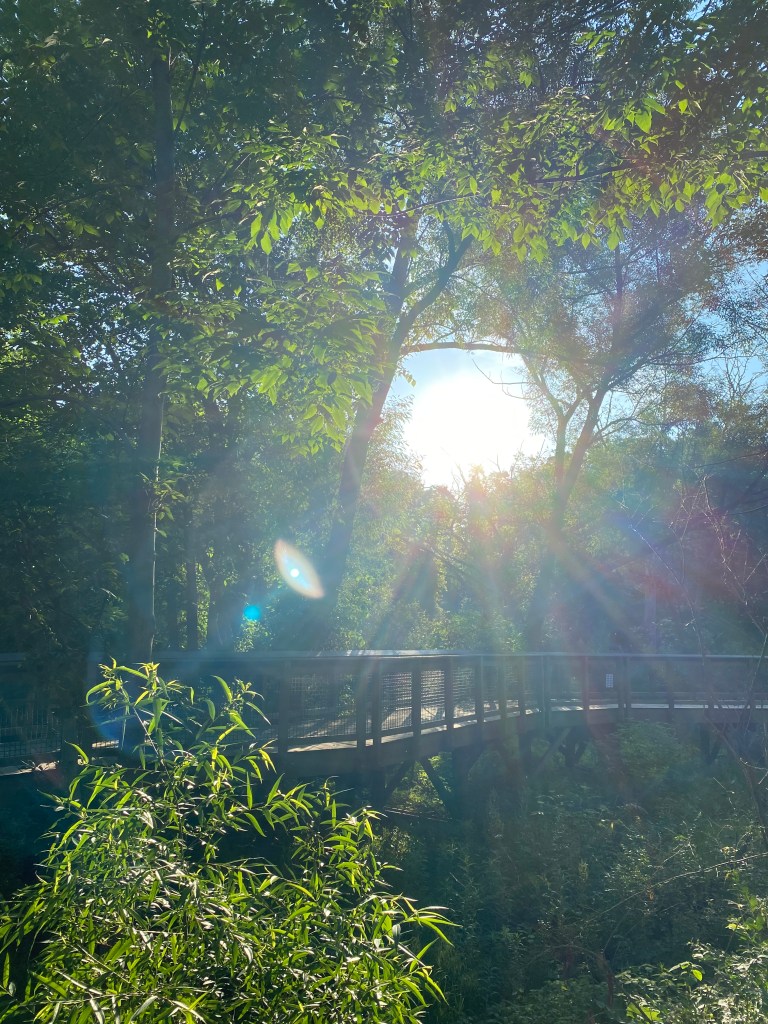
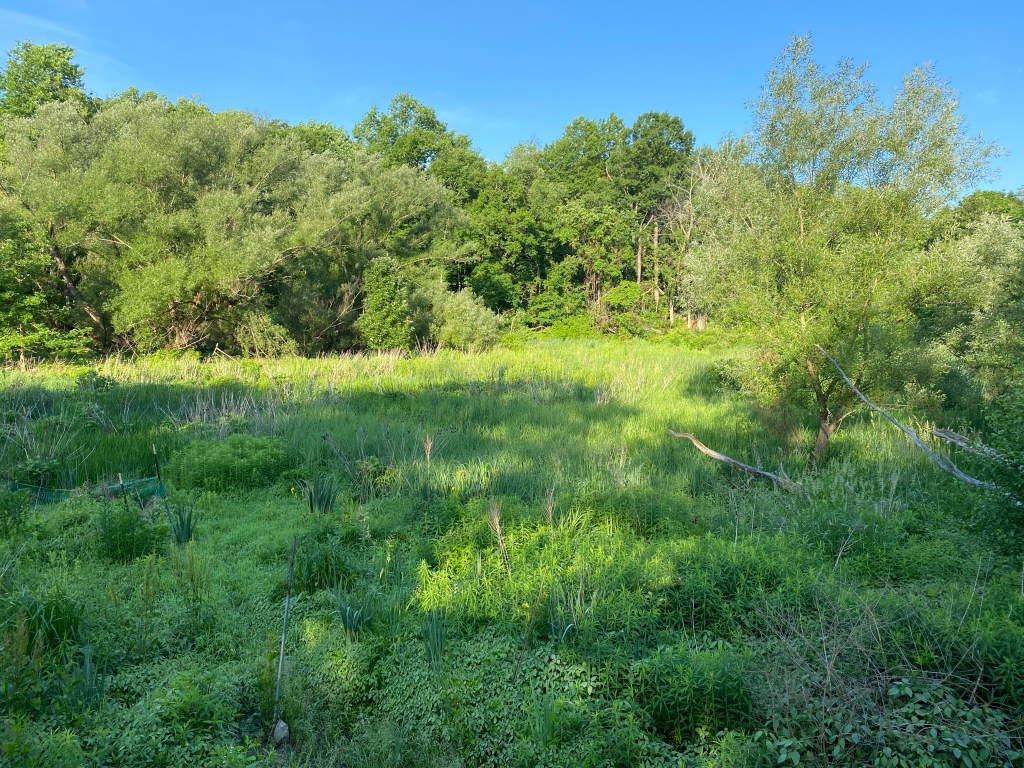
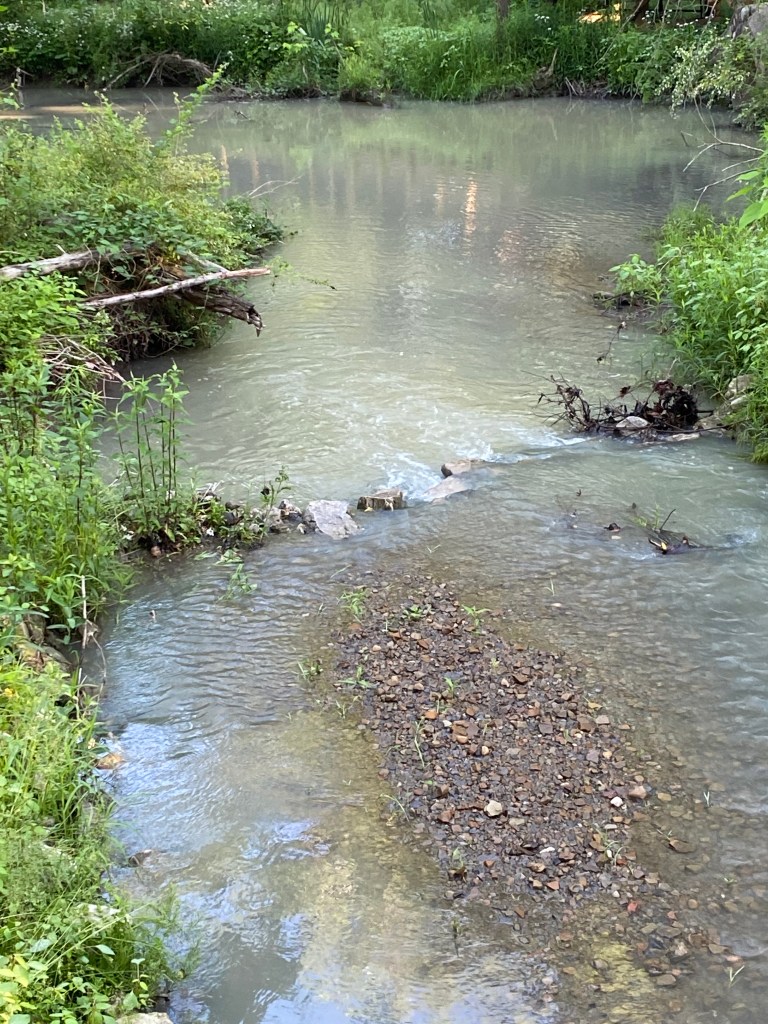
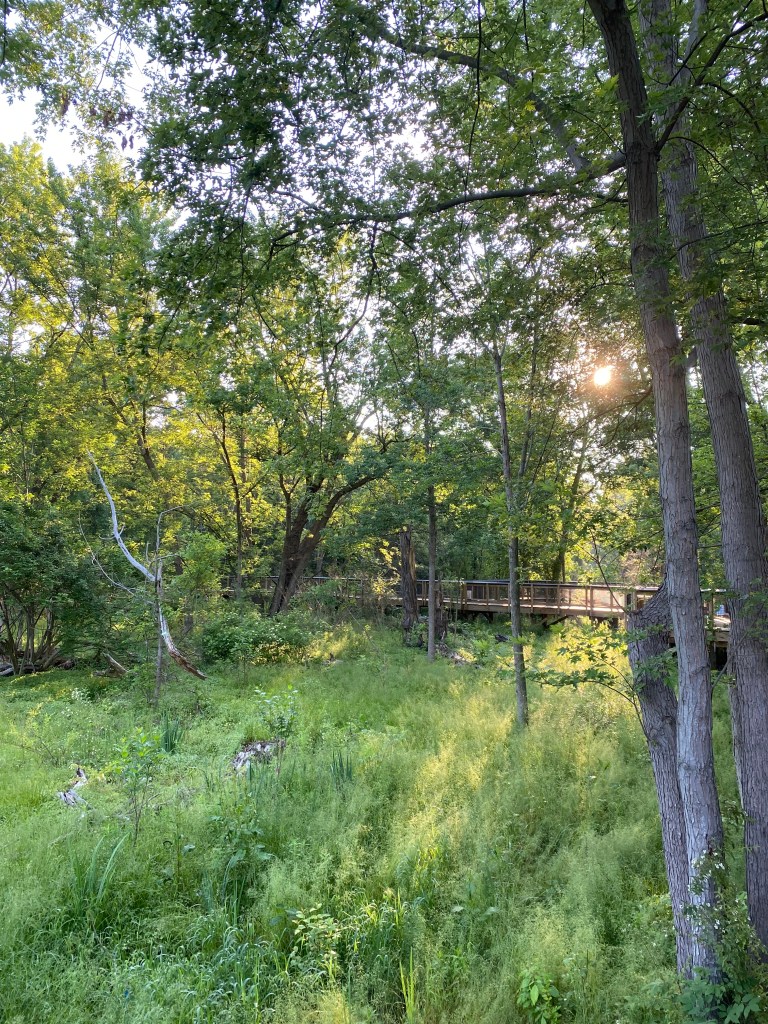
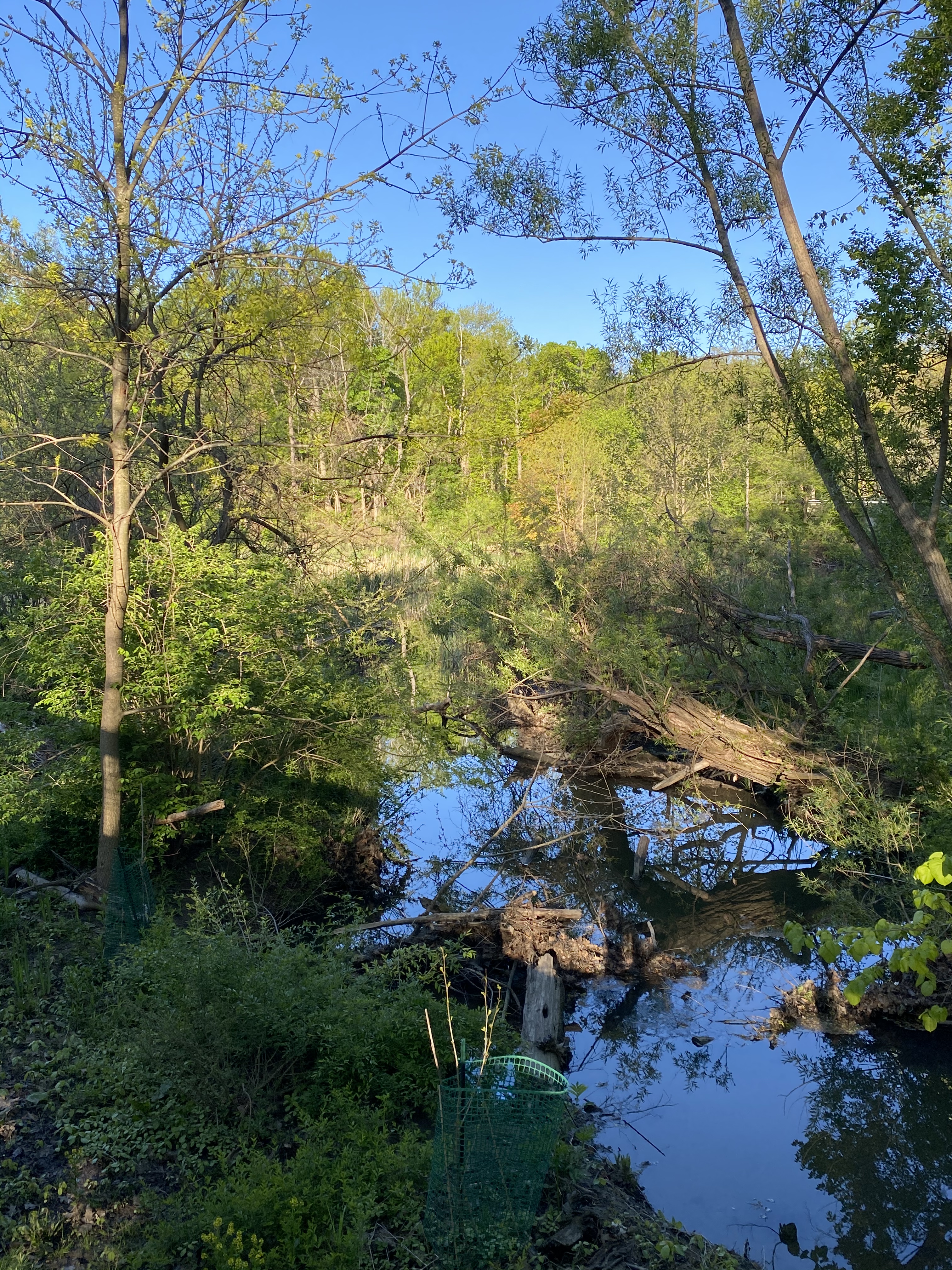
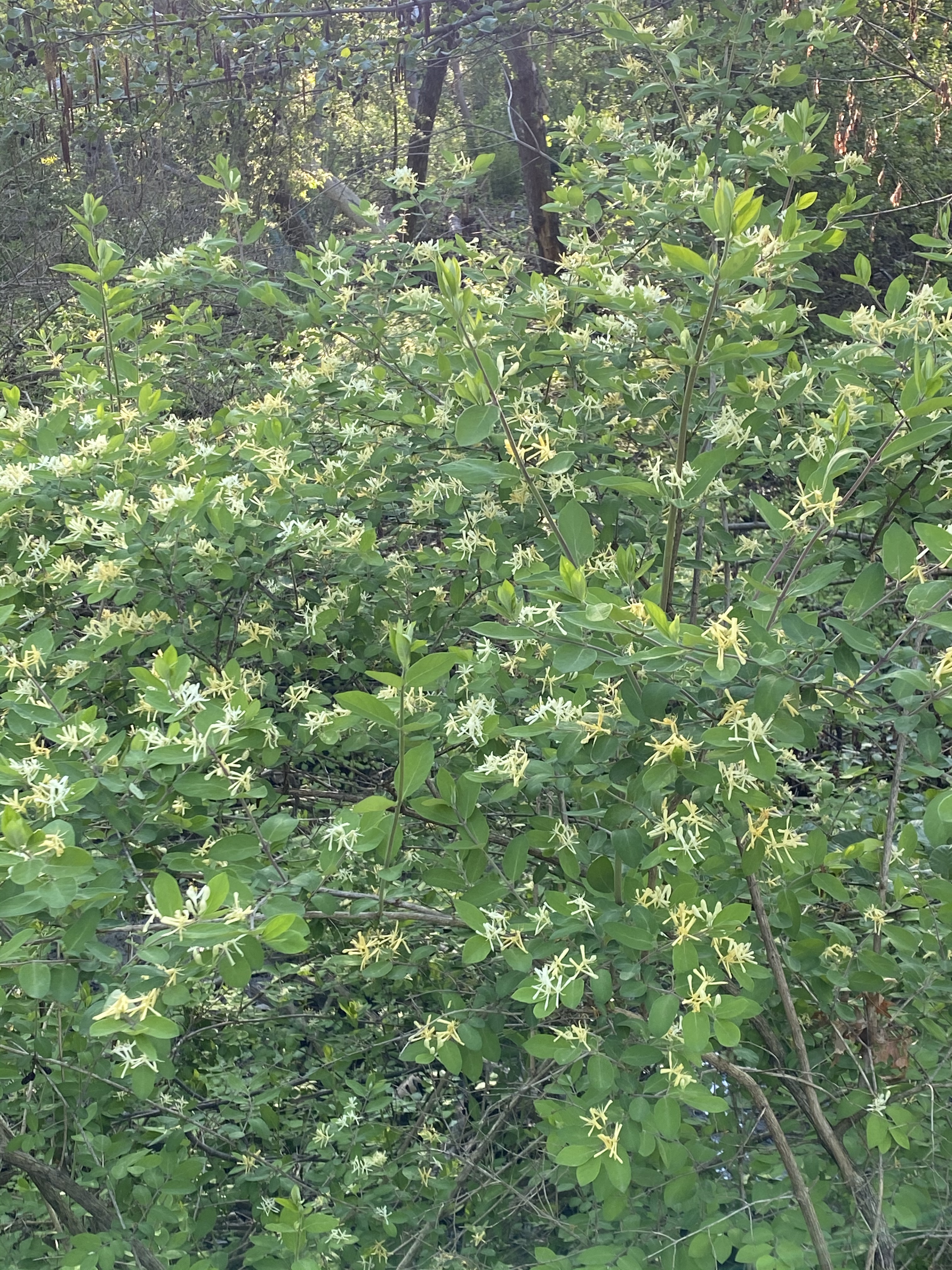
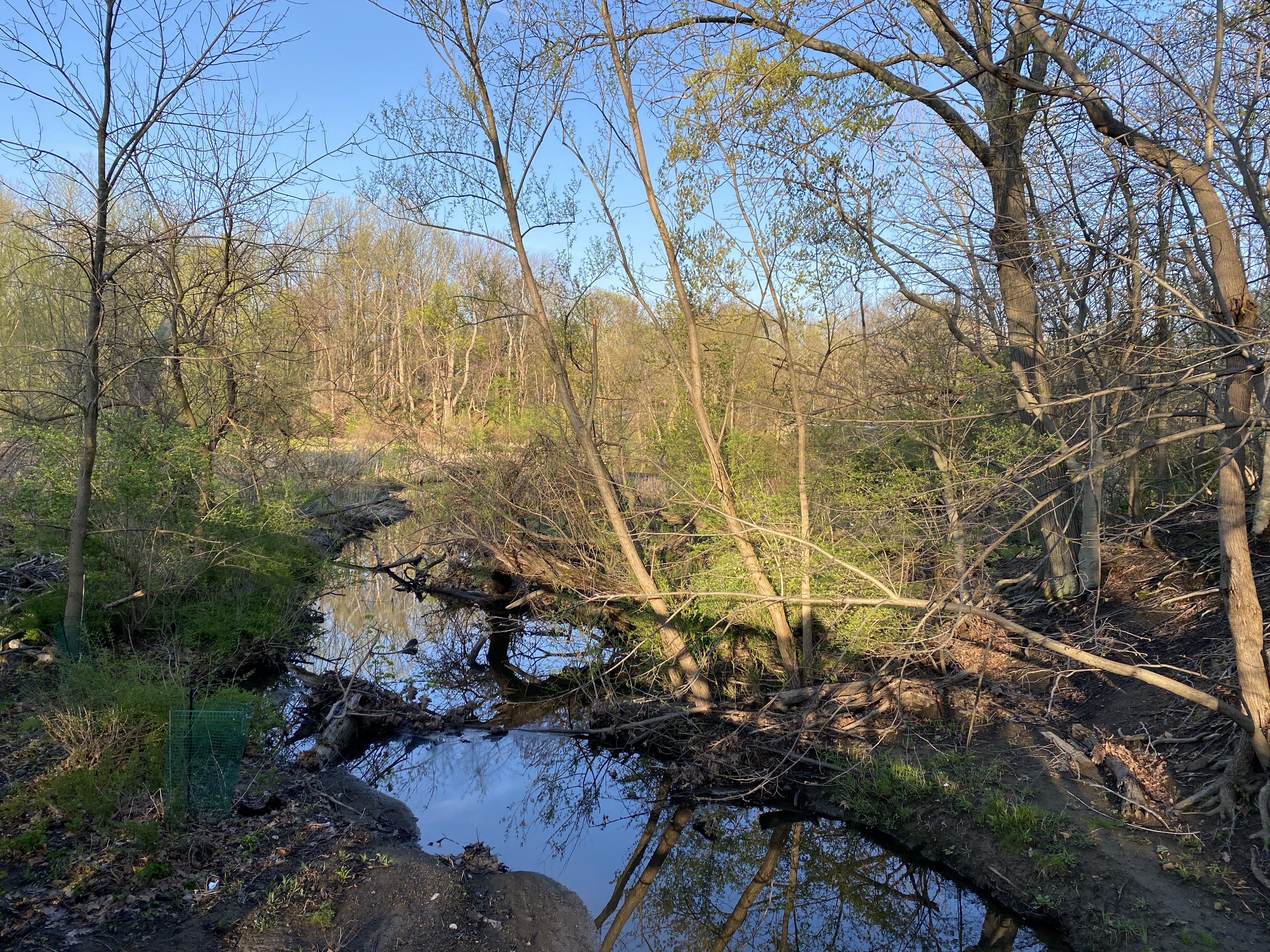
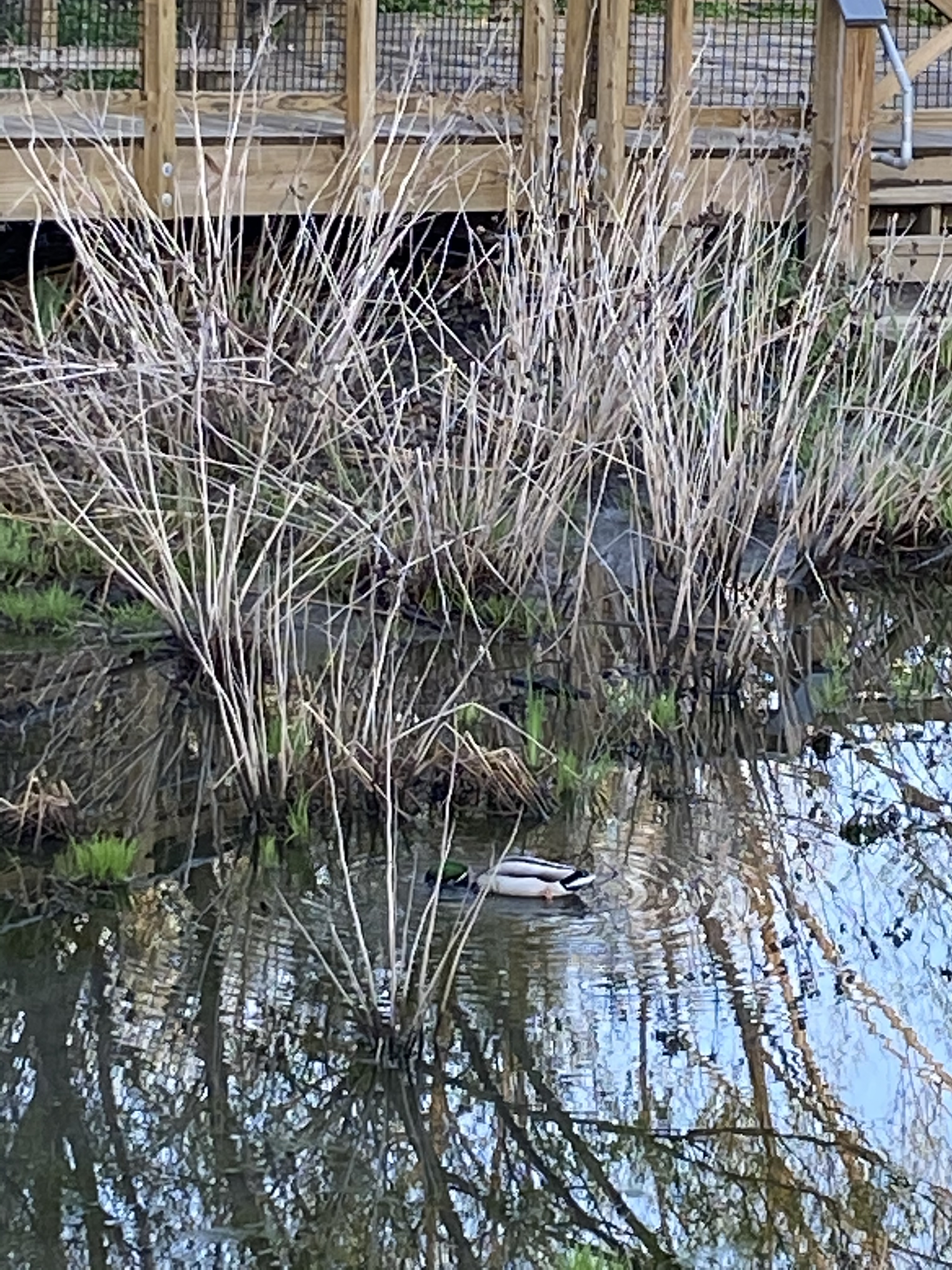
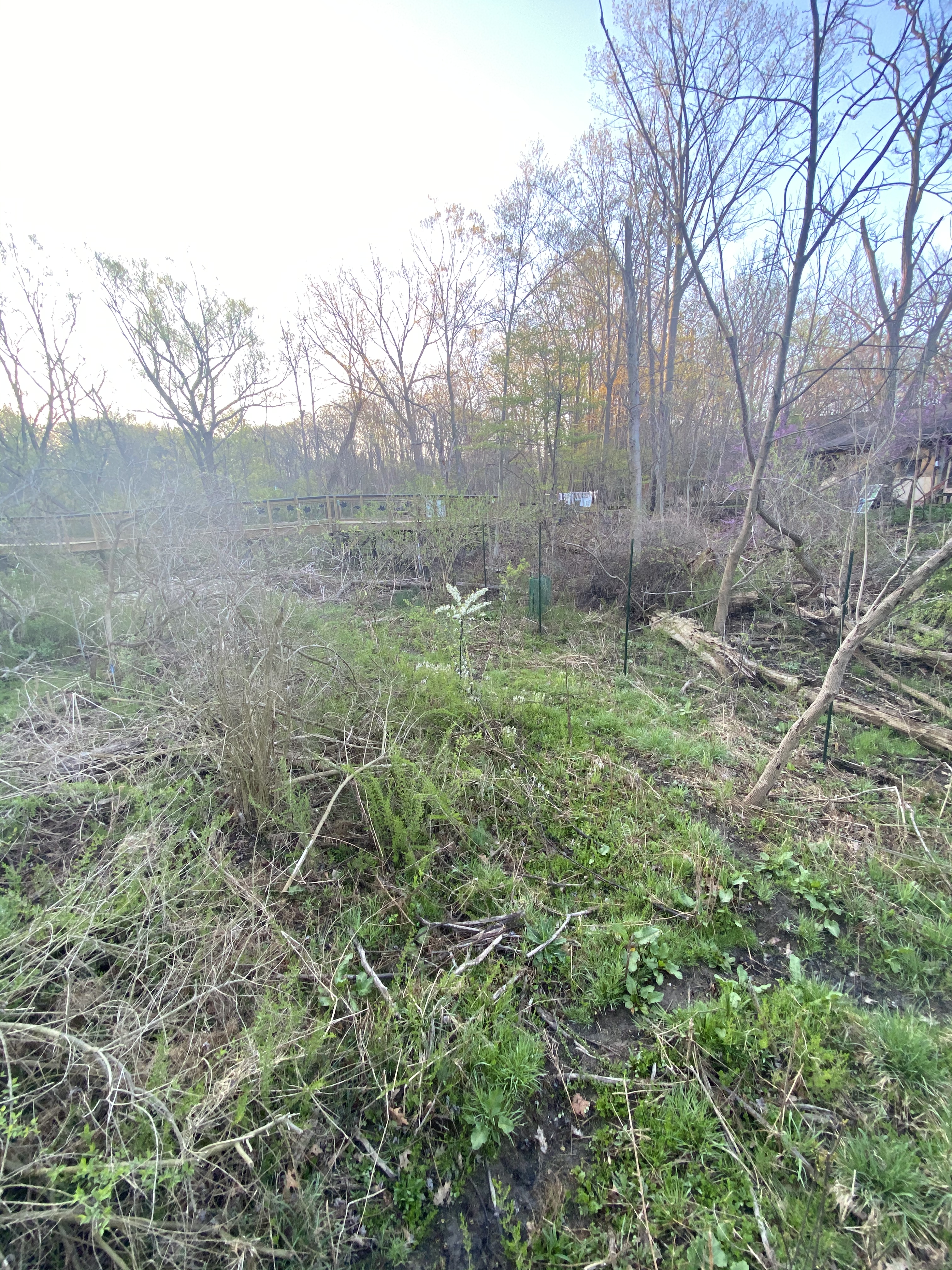
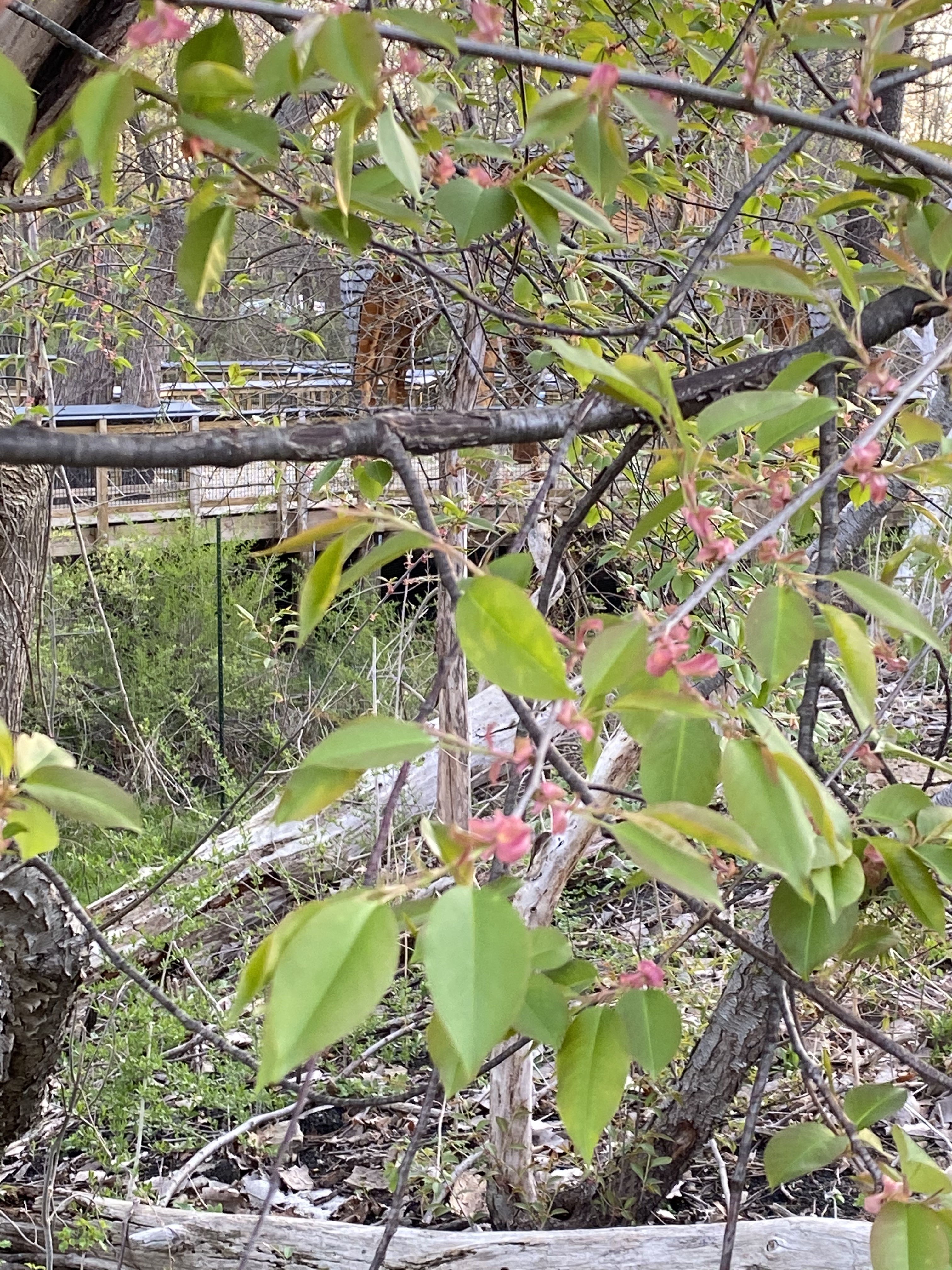
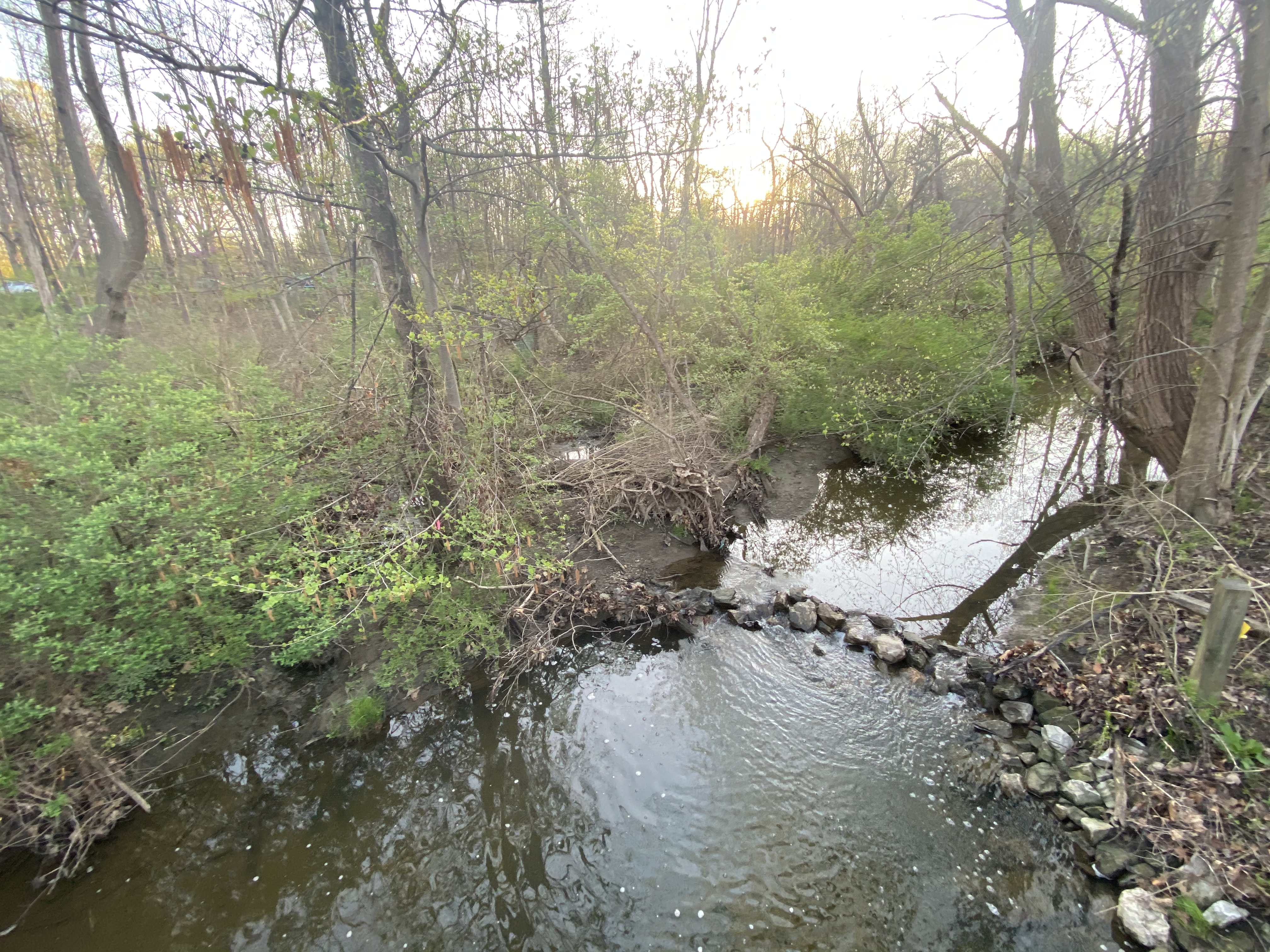
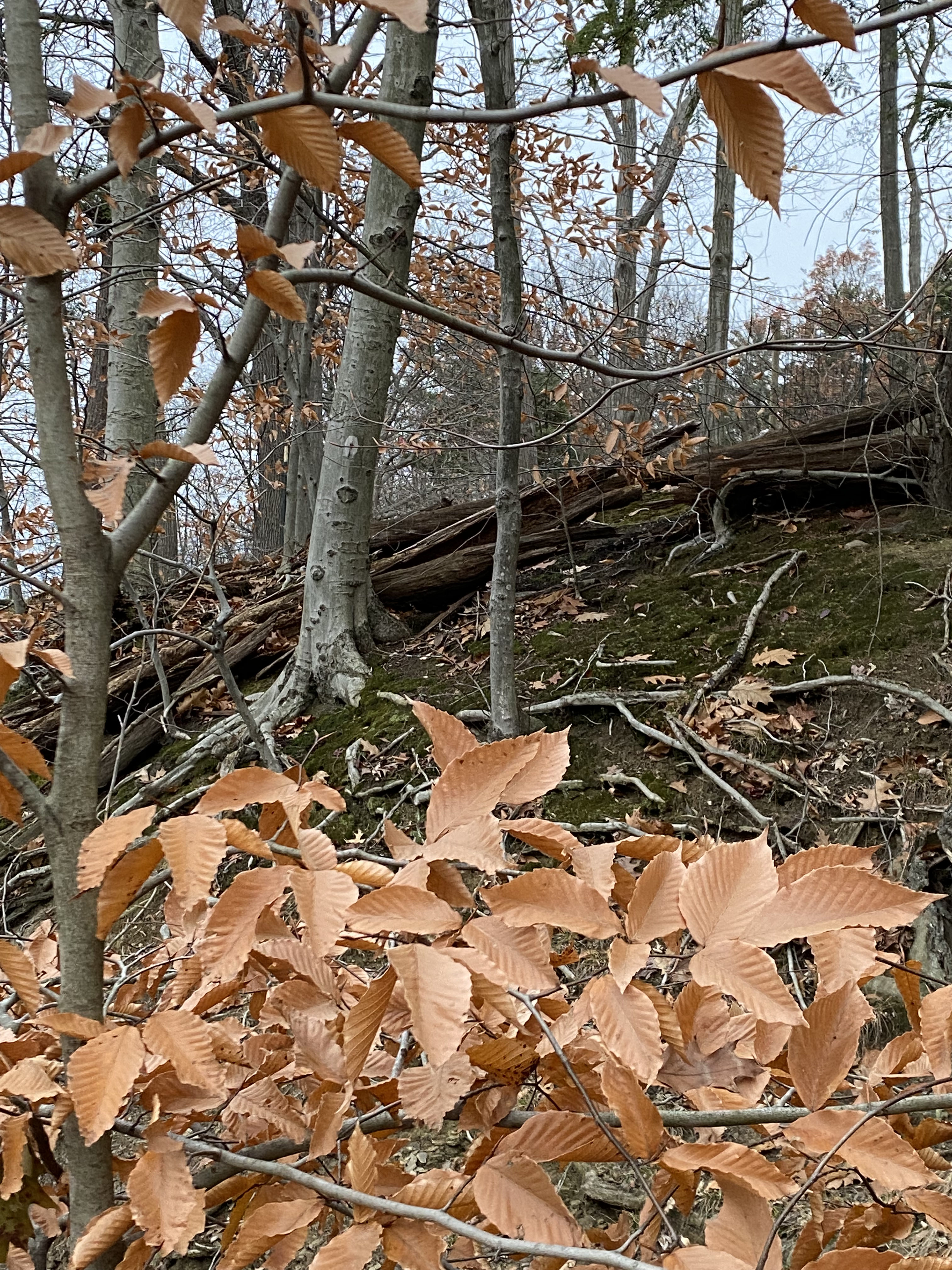
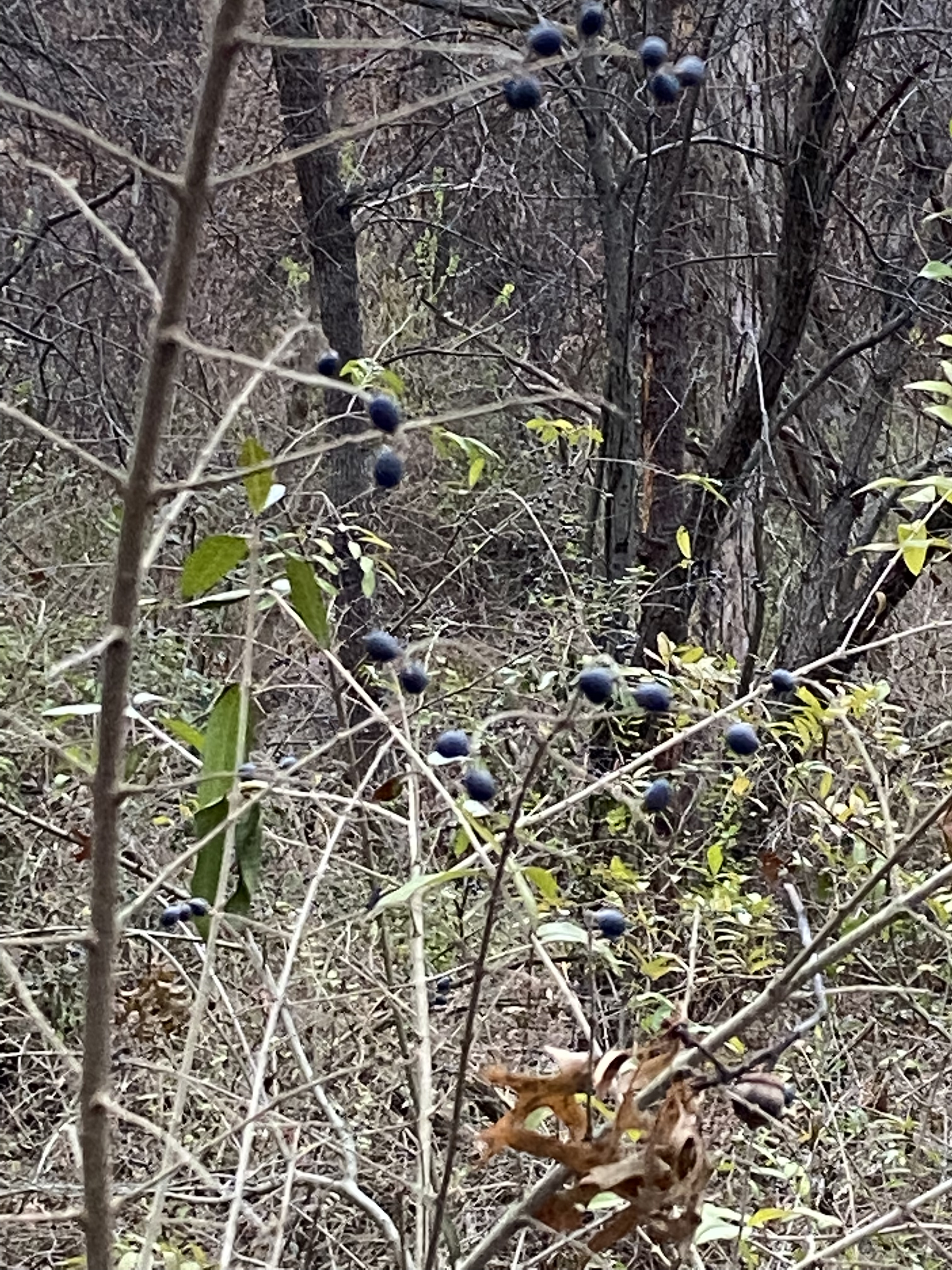
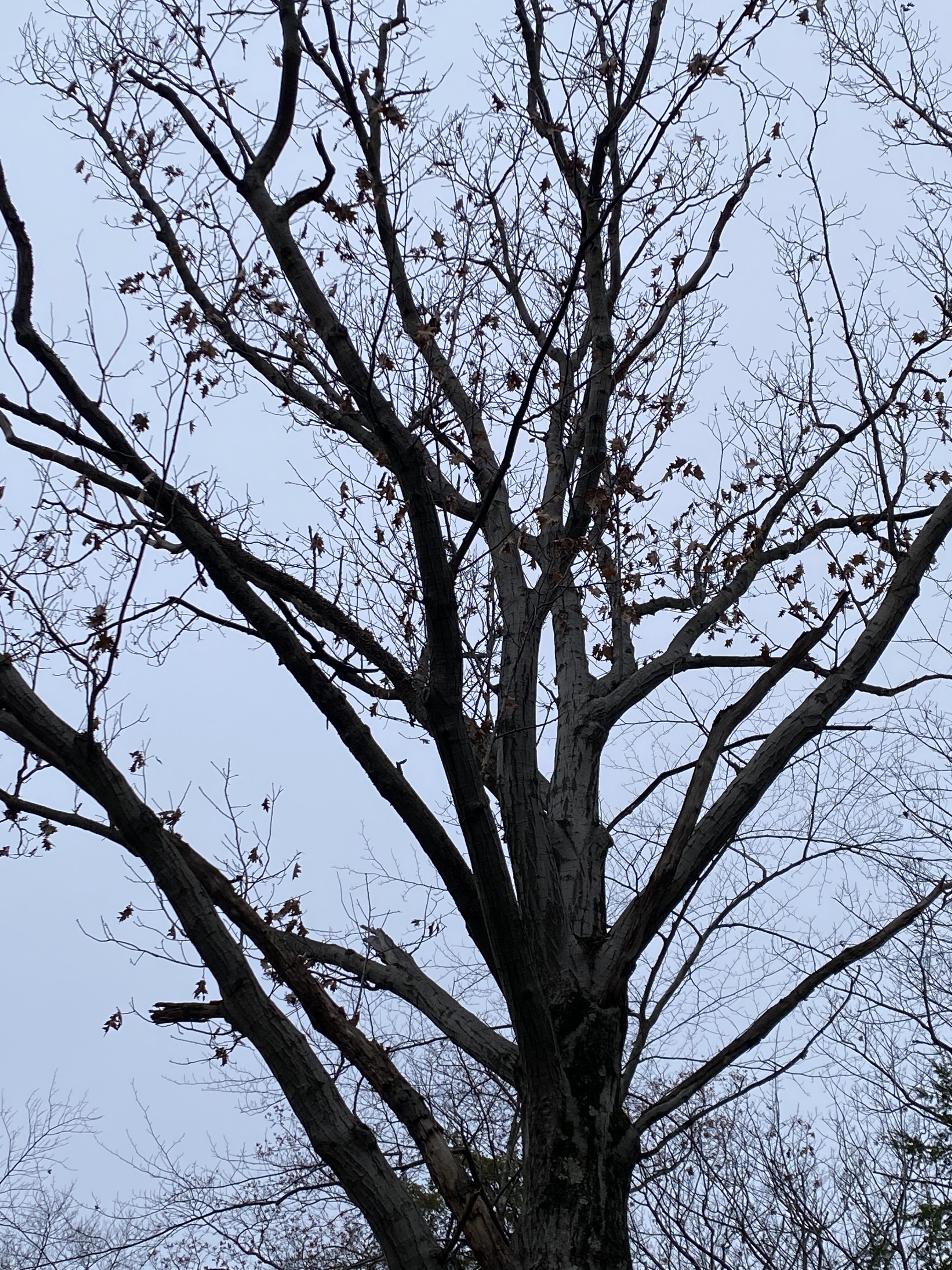
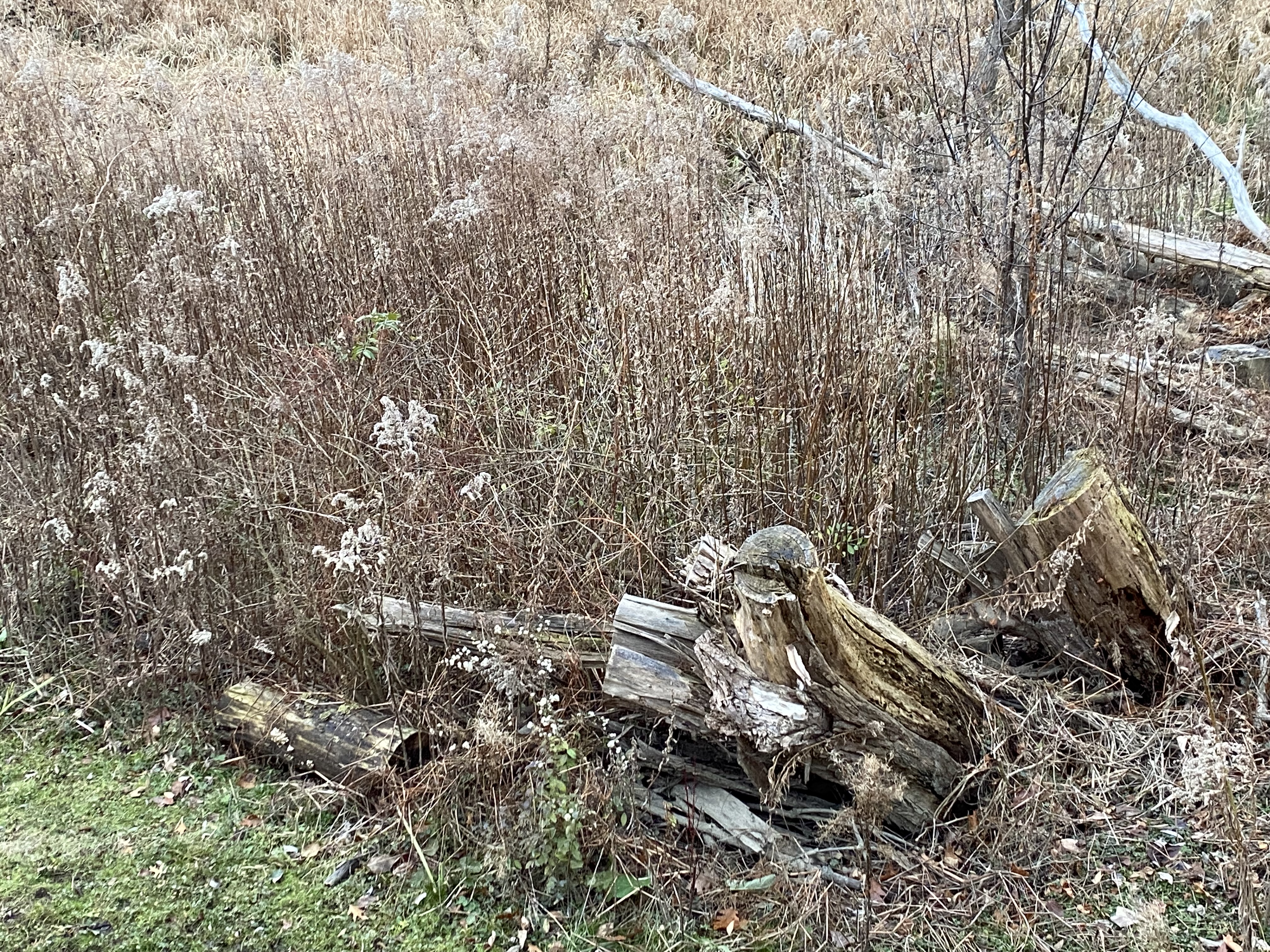
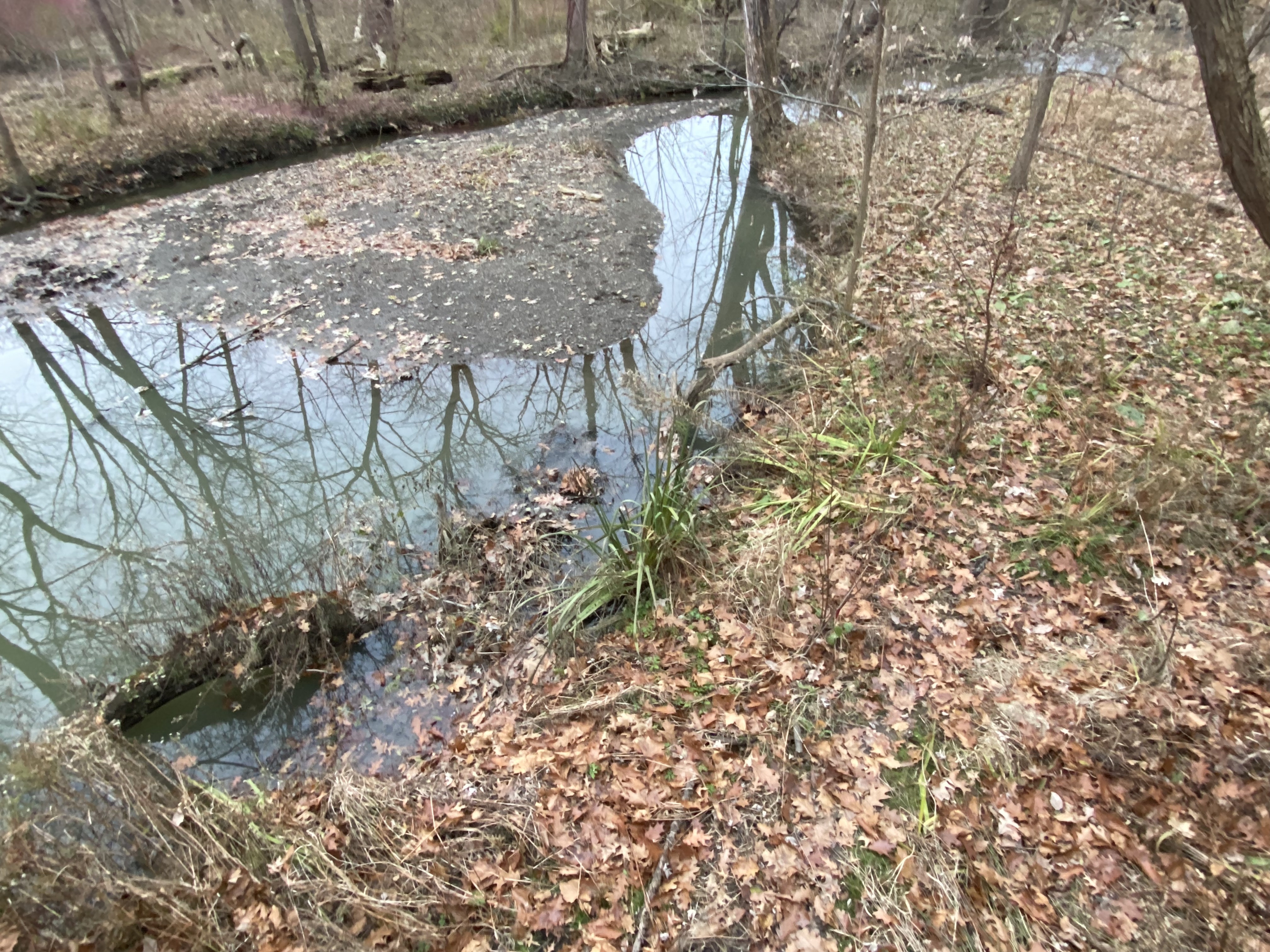
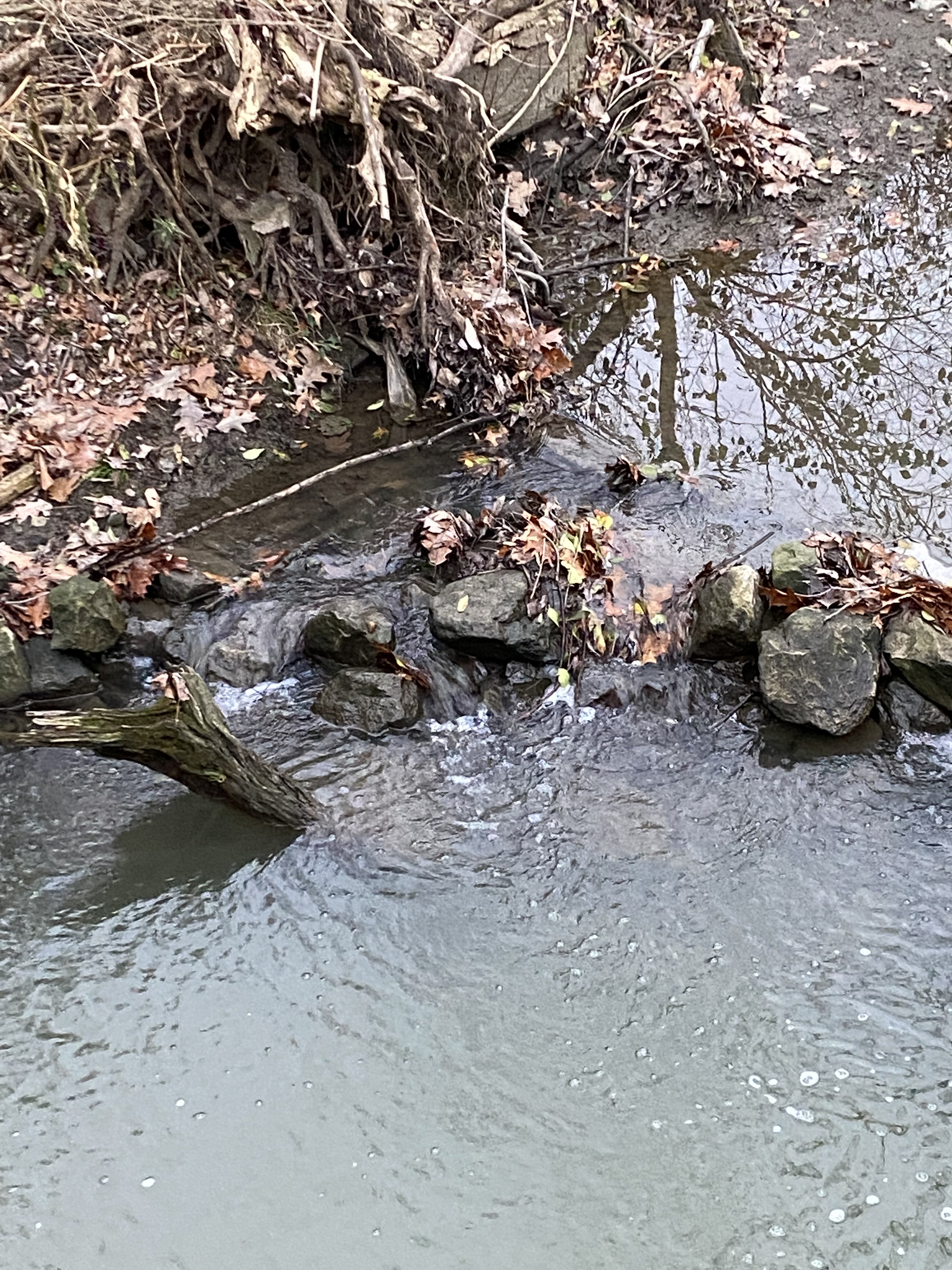
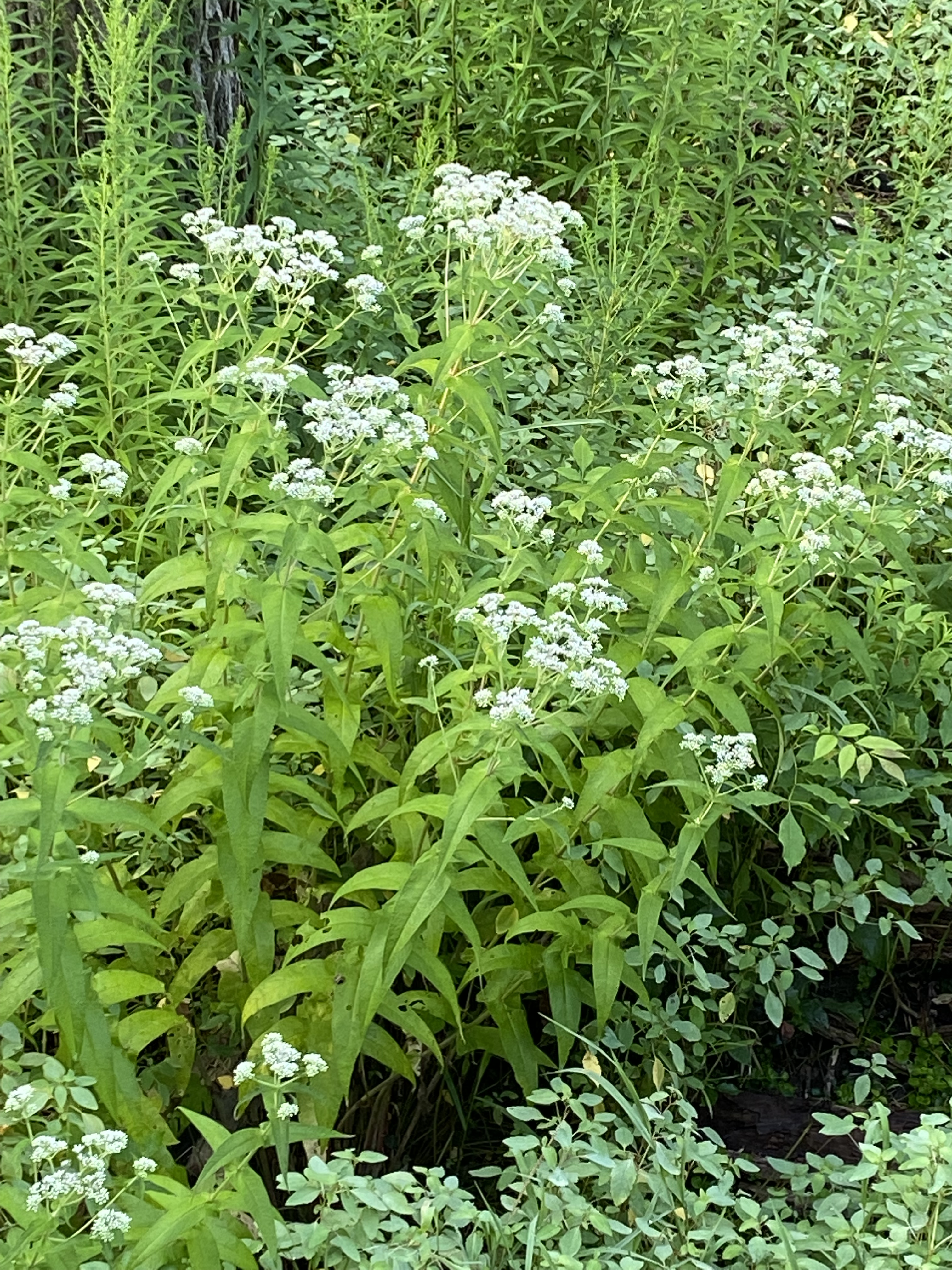
Tuesday, September 7, Rosh Hashanah.  A beautiful morning – although Rosh Hashanah is early this year, there are still signs of fall – last month’s marsh mallows are sporting brown seed heads, fruits are setting on trees and shrubs, and the path is strewn with occasional yellowed leaves.  In the middle east, summer’s heat is mediated some, and harvest season progresses, culminating in the Sukkot holiday, which happens at the full moon this month.

I struggled this month with what to say.  On Shabbat this past week, a friend and I recounted, a little despairingly, the burdens of our times: terror and ignorance in Afghanistan, ignorance and blind grasping for power in Texas, fires and floods claiming cherished lives and decimating beloved places with no end in sight — the renewal of pandemic anxiety, grief and isolation. And these only scratch the surface, with conflict just about everywhere. It feels like an apocalypse, like we are at the beginning of a new Dark Age; what will become of us?

During the month of Elul, the past month leading up to the High Holy Days, we recited every day Psalm 27, a cry of faith in good that endures.  Norman Fischer has penned a lovely Zen version:

You are my light and my help

Whom should I fear?

You are the fortress of my life

Whom should I dread?

—–

One thing I ask for, one thing I hope –

To live in your house

All the days of my life

To behold your loveliness

Every morning in the light of your temple dawn

—-

Hear my voice when I raise it up

Be gracious – answer me –

Speaking with your voice my heart sang,

Seek my presence

I will

—-

If I did not have faith in your rightness

That it would bloom in this living land –

It is unthinkable

I wait only for you

With strength and good courage –

I wait only for you[1]

During the High Holy Days, we look to renew the world and ourselves, in the face of whatever tragedy and conflict may be.  We know that we are helped by faith in a Presence greater than we are, and that we are helped by taking action, together.  While the balance of the two varies for each individual Self, may we all find ways to move the world toward good and rightness in this next challenging year.  L’Shana Tovah!  Wishing everyone a wonderful and meaningful holiday season of renewal of Self and community, and renewed commitment to good. – Kirby

Our next Rosh Chodesh walking meditation will be Rosh Chodesh Cheshvan, Thursday, October 7.  We will honor the full moon of Tishrei, and the beginning of Sukkot, on Monday September 20.  Both meetups are at 7:30 am, rain or shine.  Contact us for location. 


[1] Excerpted from Norman Fischer, Opening to You: Zen-Inspired Translations of the Psalms.  Viking Compass, 2002.

Elul 5781 אלול

Monday, August 9, 2021.  This morning the marsh was aflower, yellow and white and many shades of pink, a bounteous display.  In the middle east, now and in Biblical times, and elsewhere in our country and the world, the month of Elul comes as the summer’s heat wears on, parching cities, forests and grasslands.  However, here in the Great Lakes we’ve had an abundance of water, and benefit from cool evenings under the influence of Lake Erie.  It is not hard to feel blessed in the lush abundance of nature.

In this Jewish month, our hearts recover from the devastation of Av, and turn inward, making an “accounting of our souls” – considering our thoughts and actions over the past year. Who were we, and who do we want to become? Where did we fall short of our own aspirations for the care of others and our world – and where were we successful, and why?  Elul begins this  journey of examination, preparing us for the coming High Holy Days.

Linda led our dvar introduction for meditation this month, and brought for us a lovely summary of Rav Kook’s ideas about the Rosh Chodesh prayer.[1]  The Rosh Chodesh prayer, which we recite each month in the synagogue, and also after our meditation walk, contains a petition to G-d, asking for

…a long life, a life of peace, a life of good, a life of blessing, a life of sustenance, a life of [physical vitality] (vigor of the bones), a life in which there is fear of sin, a life free from shame and embarrassment, a life of riches and honor, a life in which we may be filled with love of Torah and awe of Heaven, a life in which You will fulfill all of our hearts’ desires for good.[2]

On the surface, these can seem to be very worldly requests, focused on our own physical, material and social well-being.  However, in Rav Kook’s interpretation, what we are really asking for is goodness in our Selves, peace and blessing in that goodness, the spiritual benefits that come to us from doing good, and the bodily health and strength to continue on in a life of doing for others.  What better way to start the month of Elul than to set such a high standard for ourselves – against which to measure our year, and make commitments for the year to come.  May we all have a meaningful Elul! — Kirby

We will honor the Full Moon of Elul on Sunday morning, August  22.  Our next Rosh Chodesh walking meditation will be Rosh Chodesh Tishrei, Rosh Hashanah, Tuesday morning, September 7. Both meetups are at 7:30 am.  Social distancing will be observed.  Contact us for location.


[1] Rabbi Chanan Morrison, Shabbat Mevarchim, on the commentary of Rav Abraham Isaac Kook.  See http://ravkooktorah.org/ROSH-CHODESH-76.htm and

[2] See the Meditation Resources page for a copy of the prayer and blessings we recite at Rosh Chodesh.

Av 5781 אב

Saturday, July 10, 2021.  Av comes early this year (it is usually in August) – and so we experience the lushness and greenness of summer in the Great Lakes. 

On Tisha B’Av, the 9th day of Av, we fast, remember and lament this day of great tragedy in the history of the Jewish people.   We recite the book of Lamentations, a book of writings in the Tanakh (Bible) that gives voice to our overwhelming sadness at the loss of the first and second temples.  In his Evolve newsletter this month, Rabbi Jacob Staub notes the power of the lament to help us acknowledge and then heal from our sorrows, noting “we could be a lot better in the practice of lamenting”[1].   We shed tears and allow the fullness of our sorrow to engulf us – but allowing it, and showing it, are the keys to be heard in our sadness, to understand its source, and to be in a position to move beyond it and heal whatever needs healing, take whatever actions we might take.

What value is this day to us in our era?  This year, Rabbi Arthur Waskow and his group, The Shalom Center, a Jewish-influenced organization dedicated to healing the earth, note the parallels between the Temples of ancient Israel, and the Earth we call home[2].  Our source Mindy Ribner tells us of the place the Temples hold in our collective Jewish hearts and souls, forming a bridge between our earthly existence and the divine Shekhinah, or divine Presence.  This bridge was seen as having resonance beyond the Jews to the world at large, blessing the universe.  When the temple was destroyed, so was the bridge, resulting in the exile of the Divine Presence from our world.  Waskow and colleagues note that in our age, the earth itself is a bridge between our existence and the divine presence of the world. 

Our sages attribute the destruction of the temples to our hard heartedness and hatred toward each other.  Similarly, our hard-heartedness about the earth’s needs and health, as well as toward each other, can be seen to be leading toward earth’s destruction. If we succeed, the threat is indeed great, destroying our lives, our connections to each other, and the survival of future generations.  Perhaps this year, as we lament the destruction of the temples on the 9th of Av, we can also have in our minds the destruction of this earthly temple we share.  Can we cry tears of sadness and lament, and then turn them into action for the better of all? — Kirby

We will honor the Full Moon of Av on Saturday, July 24.  And we will celebrate Rosh Chodesh Elul, the beginning of the month of Elul, on Monday, August 9.  Both walking meditations will be at 7:30 am, rain or shine.  Contact us for location.


[1] https://evolve.reconstructingjudaism.org/

[2] https://theshalomcenter.org/2-eichahs-today-resource-3-tisha-bav-temple-earth

Tammuz 5781 תמוז

Friday, June 11.  The cycle of the Jewish calendar is early this year, with the holidays and months almost at the earliest they can be.  Tammuz, the month of intense summer heat and light, falls in early June, not quite the fullness of summer ablaze.  But in the Middle East, relentless heat nonetheless surrounds us, pushing us to short tempers and judgment in its intensity.

After three months of spring, full of green shoots, emerging leaves, burgeoning flowers and fruits, the heat of Tammuz begins the summer cycle, leading up to the High Holy Days.  Our sages note that G-d goes into hiding, less accessible to us, and more limited in blessing. Our source Alan Lew talks a lot about this cycle, how the process of self-introspection and rededication at the High Holy Days has its root in the breach and fall of Jerusalem in Tammuz and Av. In his book Be Still and Get Going, he notes that “in the summer, in the fullness of the year, the sacred calendar concerns itself with emptiness and collapse”, nothing that “decline and destruction necessarily precede renewal; a tearing down is necessary before rebuilding is possible.” [1] We could also say that the emptiness is the perception of absence of G-d from the world.

In Tammuz, like the walls of Jerusalem, we tear down – our illusions and self-deceptions about the world, ourselves, our relationships with loved ones, and our relationship to G-d.  “The walls come down and suddenly we can see, suddenly we recognize the nature of our estrangement from G-d, and this recognition is the beginning of the reconciliation with G-d.”[2]  May we weather the intensity of this month with care, recognizing the power and weight of clearly seeing the truth, which tears everything down, and yet enables us to rebuild and renew.  — Kirby

We will honor the Full Moon of Tammuz (Keseh Tammuz) with a walking meditation on Friday, June 25.  We will observe Rosh Chodesh Av on Saturday, July 10.  Both meetups will be at 7:30 am; contact us for location. Social distancing will be observed; please bring a mask.


[1] Alan Lew, Be Still and Get Going: A Jewish Meditation Practice for Real Life, p. 168.

[2] Ibid, p. 169. See “Sources” tab for full citation.

Sivan 5781 סיון

Wednesday, May 12, 2021.  The first really green meetup of the year – and the marsh is transformed.  We can barely see through the foliage to the boardwalk, and the birdsong is raucous.  As the Covid situation lightens a little, we agreed we can go without masks since we are vaccinated and outdoors. And so we could finally hear each other, and see each others’ faces. Worth a shehecheyanu prayer on both counts.

Sivan is in full swing, and we are full of receiving, the theme for the month.  In the cycle of the Jewish year, we are walking toward Shavuot, the commemoration of the Jewish people’s receiving of the Torah in the revelation at Mt. Sinai.  (Shavuot happens this year on the eve of May 16, just this Sunday.). We are well aware of the other ways we receive this month – in ancient Israel, Sivan and Shavuot mark the wheat harvest, when we receive the bounty of the earth, which will sustain us for the coming season.  We receive the bounty of nature as well, with her flowers and fruits and baby animals born in spring. Our sages take this receiving a step further, noting that all of creation, including our own creative spirit, is a great receiving – of the bounty and inspiration of the universe.  We receive, and bring forth what is deep inside – guidance and direction, clarity of vision, connections to each other, images and music, and efforts to grow, heal and transform.  May we all find inspiration deep within this month, and enter into summer ready to receive it! — Kirby

Our next gathering at the Full Moon (Keseh Sivan) will be Wednesday morning, May 26.  Our next New Moon gathering (Rosh Chodesh Tammuz) will be Friday morning, June 11. Both meetups will be at 7:30 am.  Please contact us for location.

Iyyar 5781 אייר

Tuesday, April 13.  The month of Iyyar marks the middle of spring in the Jewish calendar.  In the Great Lakes, we have moved from Nisan’s barely showing buds to the daffodils and cherry blossoms of true spring.  In the Biblical middle east, early harvests of barley and lentils were beginning. 

The 49 days between Passover (14 Nisan) and Shavuot (6 Sivan) commemorate both historical and natural journeys.  In nature, this “Omer” period, counted day by day, spans the days between the barley harvest and the wheat harvest.  In history, we count the days from crossing the Red Sea in the Exodus, to arriving at Sinai and the receiving of the Torah.  The month of Nissan falls in the third through sixth week of that seven-week period – truly the slogging stage of any journey, after the excitement of the beginning is past, and before the thrill of arrival. We put one foot in front of the other and persevere.  We could draw parallels to this stage of our pandemic journey.

And yet:  Iyyar is also a month of spiritual fire.  The Omer was claimed for its spiritual significance by the kabbalists, who assigned the seven virtues of the Sefirot in combination to each of the 49 days. At the 33rd day, they honored the yahrzeit of the sage and mystic Shimon Bar Yochai.  Known as the “Holy Candle” for his spiritual radiance, his passing is celebrated with bonfires and music.  This theme of spiritual fire is reminiscent of our weekly celebration of Havdallah, with its flaring candle and invigorating spices, music and fellowship.  We call our spiritual guides, the prophets Elijah and Miriam, and hope to carry the fire of Shabbat with us through the week.

May the fires of Iyyar and Shabbat, and the spiritual presence of our guides, remind us of the holy candle that burns in each one of us – even as we walk step by step through the challenges we face. – Kirby

We will honor the Full Moon of Iyyar with a walking meditation on Tuesday, April 27.  The walking meditation for Rosh Chodesh Sivan will be Wednesday, May 12.  Both meetups will be at 7:30 am; contact us for location.  Rain or shine!  Social distancing will be observed; please wear a mask.

Nissan 5781 ניסן

Sunday, March 14.  Spring is emerging, the barest tips of shoots spiking just above the soil.  This month of Nisan, the month of Passover, is heavy with story and tradition.  And yet, after this terrible, long year when winter seemed endless, it is the bright light of spring and the bursting forth of buds that charges our thoughts.  Our source Jill Hammer writes a wonderful piece in her book, The Jewish Book of Days:

The fifth motion of the year is emerging.  In some regions of the world, leaves lean out of branches, buds unfurl from their casings, and red seeps into the landscape.  The word “Nisan” itself means “bud”.  In the Middle East and similar climates, spring is already in full bloom, and the first harvest is about to come in.  Spring is the moment when the hard-earned strength of the winter pours itself into foliage and flower.  The Shekhinah has opened a door and flung it open.

The fifth motion of the year is emerging.  In some regions of the world, leaves lean out of branches, buds unfurl from their casings, and red seeps into the landscape.  The word “Nisan” itself means “bud”.  In the Middle East and similar climates, spring is already in full bloom, and the first harvest is about to come in.  Spring is the moment when the hard-earned strength of the winter pours itself into foliage and flower.  The Shekhinah has opened a door and flung it open.

It is at this light-filled time of year that Jews celebrate the festival of Passover and relive the going out from Egypt.  From the bitter taste of slavery to the wonder of the parting sea, we enter the experience of sudden freedom.  Houses undergo a thorough cleaning, and for a week we change our diet as if to remind us that liberty requires the willingness to change. It is we ourselves who must rush out of Egypt on the full moon of the month of Nisan, we who must pass the story to our children. Liberation happens to us not once, but each year at this season.[1]


We think of course of the world pandemic, which combined with bitter weather, has kept many of us literally locked in for months.  May this opening of the world – through vaccinations and the promise of outdoors returning – bring us new lives of love, spirit, and health. May those of us who suffered greatly during this year, whether for loss of loved ones, health or self, be comforted with the return of the light to the year, and may we all grow into this freedom. — Kirby

We will honor the Full Moon of Nisan, the start of Passover, on Sunday morning, March 28.  The next Rosh Chodesh walking meditation will be for the month of Iyyar, Tuesday morning, April 13.  Both will be at 7:30 am. Rain or snow or shine! – contact us for location. Social distancing will be observed; please wear a mask.


[1] Jill Hammer, The Jewish Book of Days, p. 223.  See “Resources” tab for full citation.

Adar 5781 אדר

Saturday, February 13, 2021.  Another cold day, but the snow is dry and fresh, patterned with animal tracks, and the creeks are gurgling under the ice.  In the Great Lakes, although we are in the depth of winter, the days are lengthening, and in another month we’ll see early signs of spring.  In the ancient middle east, spring was ripening.  It was a time to plant chickpeas and vegetables, while the grains planted the previous month were in full growth, soaking up winter rains.

This is of course the month of Adar – the month of laughter and jokes, absurd switching of roles, the ironic and comic combined in skits and tales.  The most famous of these tales is the story of Purim – the story of Esther, Queen of Shushan, who saved her fellow Jews from a murderous end, with the encouragement of her cousin Mordechai.  How does Esther’s story of heroism and bravery become one of the jokester and trickster, costumes and pranks, drinking and revelry?

Maybe because the unexpected happened:  the tables were turned on evil, which has not often happened in such a complete way in Jewish history, averting all disaster and allowing the Jews to see justice.  Maybe because laughter is the best area of healing in the face of the absurd and contradictory.  Maybe because this reversal of fortune woke up a generation to the possibility of peace and unity.

Our source Jill Hammer favors the latter – asserting that it is the “reversal of the expected” nature of Purim that makes it a necessary, universal holiday that will endure.  “…Purim will never leave us.  All other holidays will lose their meaning in the far-off messianic world of unity and peace, yet we will still need Purim for its silliness, its irreverence, its ability to unmask secrets and unseat self-righteous powers.  Purim, like the April fool or like a jester in the divine court, awakens us through laughter and teaches us to know ourselves.”[1]

We are reminded of recent years of absurdity and phoniness, public bigotry and irrational explanations.  May our ability to laugh, tell crazy stories, drink and sing endure and carry us into a year of reckoning and healing.  – Kirby

The next Rosh Chodesh walking meditation, for the month of Nisan, will be Sunday morning, March 14, 7:30 am, rain or snow or shine.  Contact us for location. Social distancing will be observed; please wear a mask.


[1] Jill Hammer, The Jewish Book of Days, p. 206.  See “Resources” tab for more information.
Shvat 5781 שבט

Thursday, January 14.  In Biblical Israel, by this time, most of the rain had fallen, sowing was done, plants were germinating, and the sap was rising in trees, their fruits setting for the season.  Here in the Great Lakes, of course, we are at the height of winter, weathering snow and ice, and hoping it won’t be too long before spring.  This year we wonder how long it will be until life returns to “normal” – and yet we celebrate new beginnings, with the rollout of vaccines, and with a change in the government of our country.

The month Shevat is indeed a time for renewed life and vigor: its energy, inner renewal.  According to our source Mindy Ribner, Shevat is a “hidden and mystical time of new beginnings and rebirth” – a time for “new inspiration and creativity” – an auspicious time to begin new projects. It is of course the month of Tu B’Shvat, this year on January 28th, the holiday celebrating the birthday of the trees.  According to our source Jill Hammer, our sage Rabbi Nachman of Braslav told us that every seed has an angel whispering to it:  “Grow, grow!”  May the newness of opportunity grow into real change in this new season of the trees.  —- Kirby (with apologies for the late post)

The next Rosh Chodesh walking meditation will be Rosh Chodesh Adar, NOTE CORRECTED DATE Saturday, February 13, at 7:30 am.  (We are taking a hiatus from full moon meditation for the winter).  Social distancing will be observed; please wear a mask.  Contact us for location.