Kislev 5784  כסלו

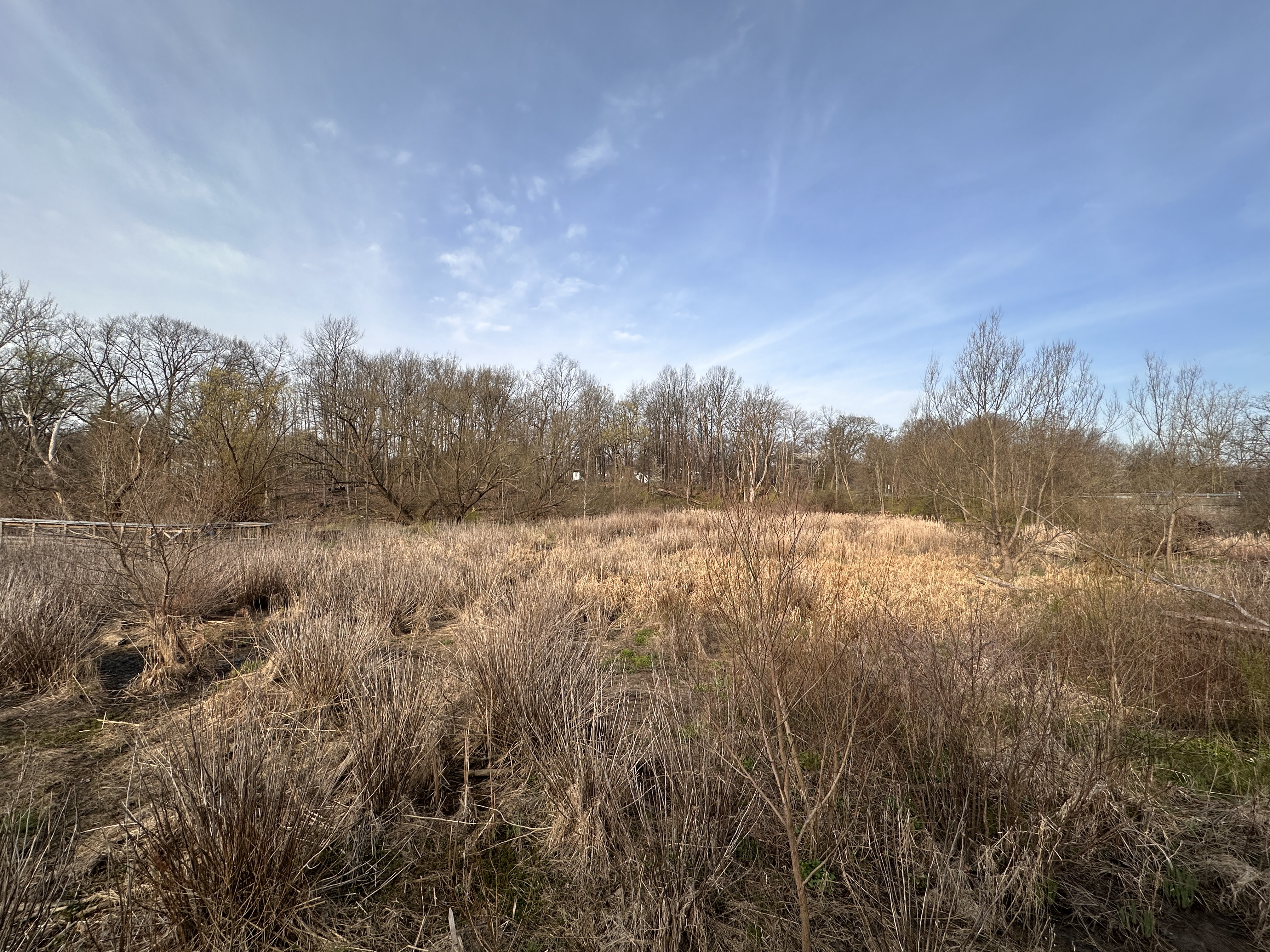
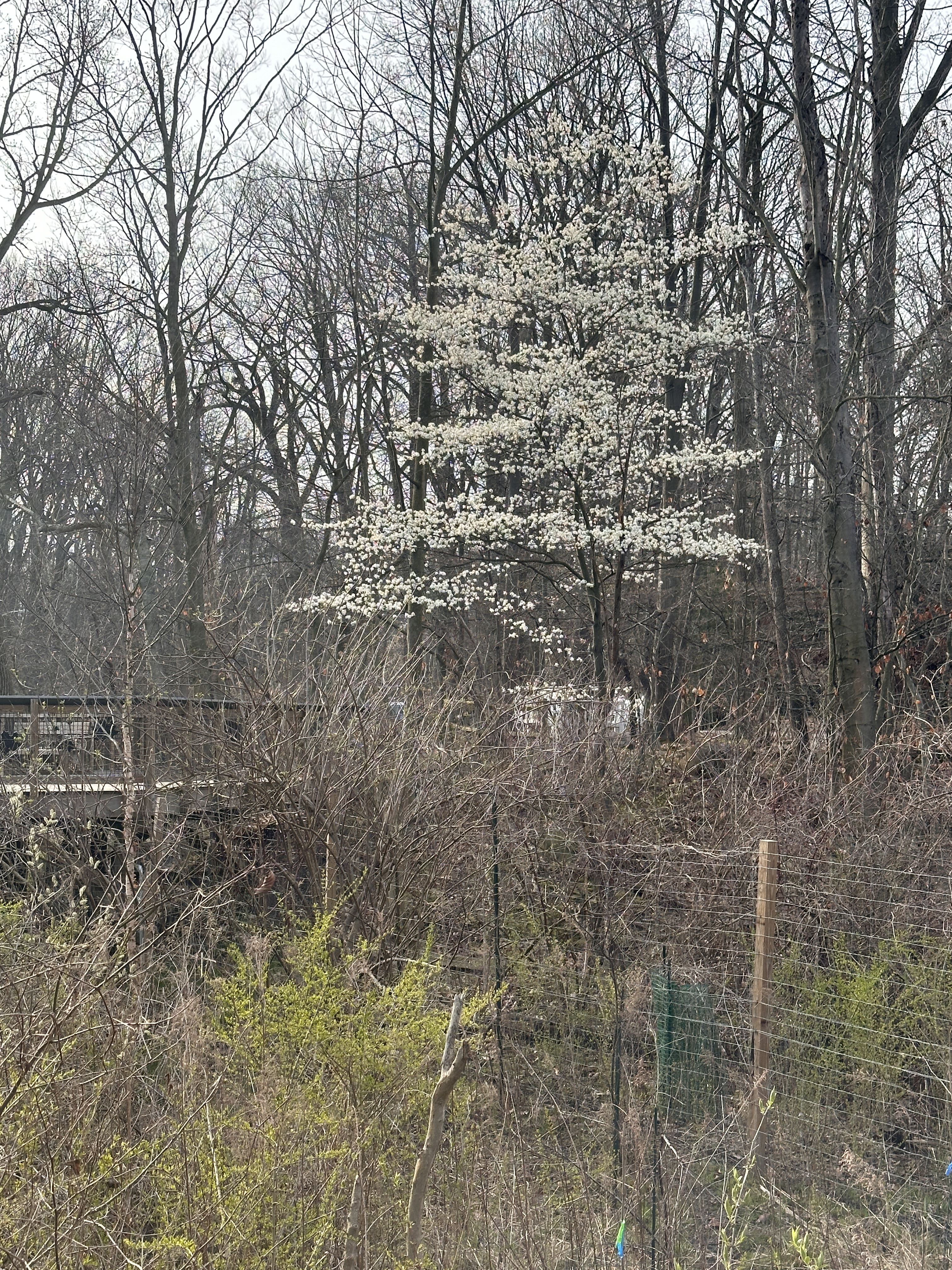
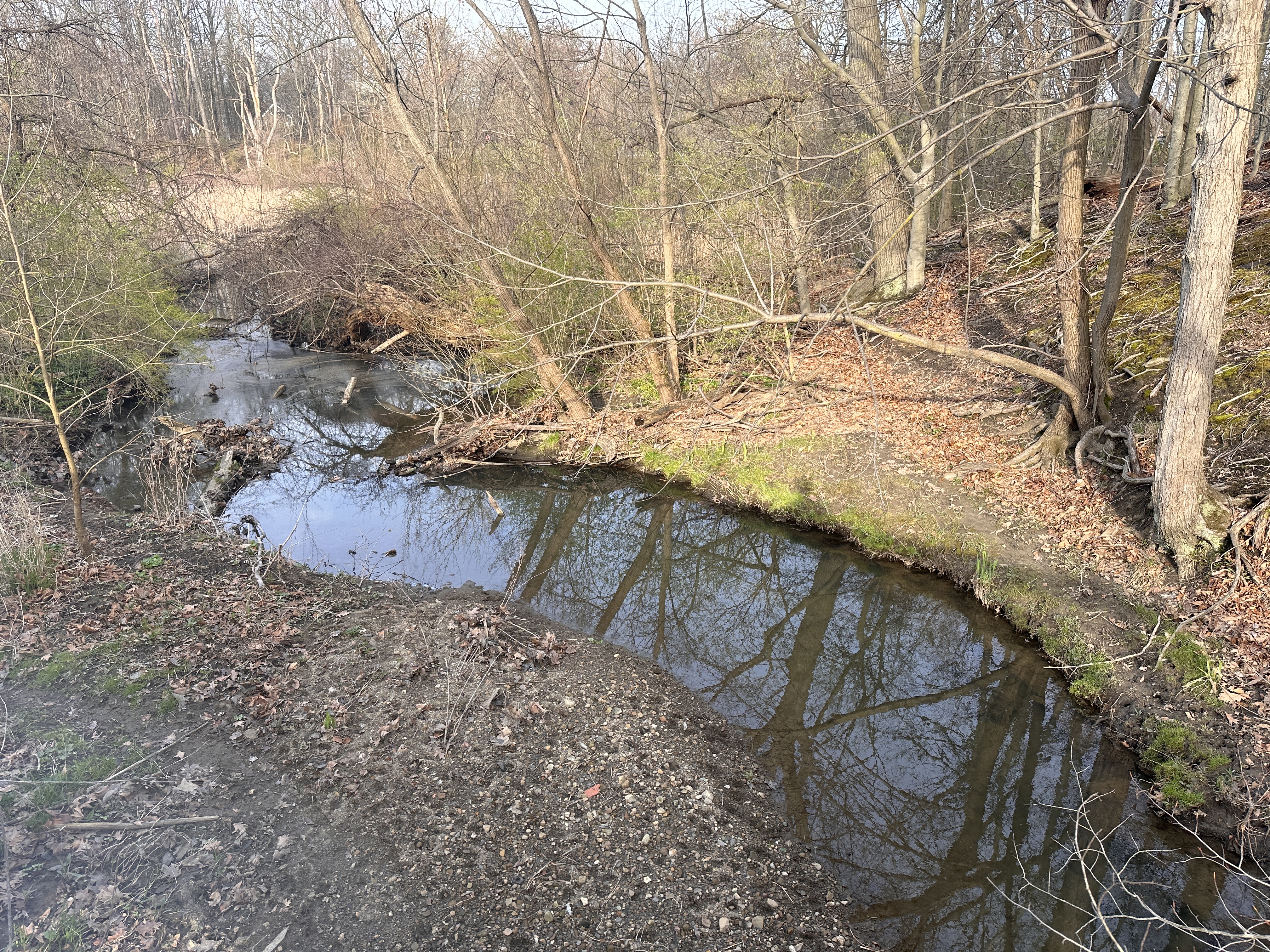
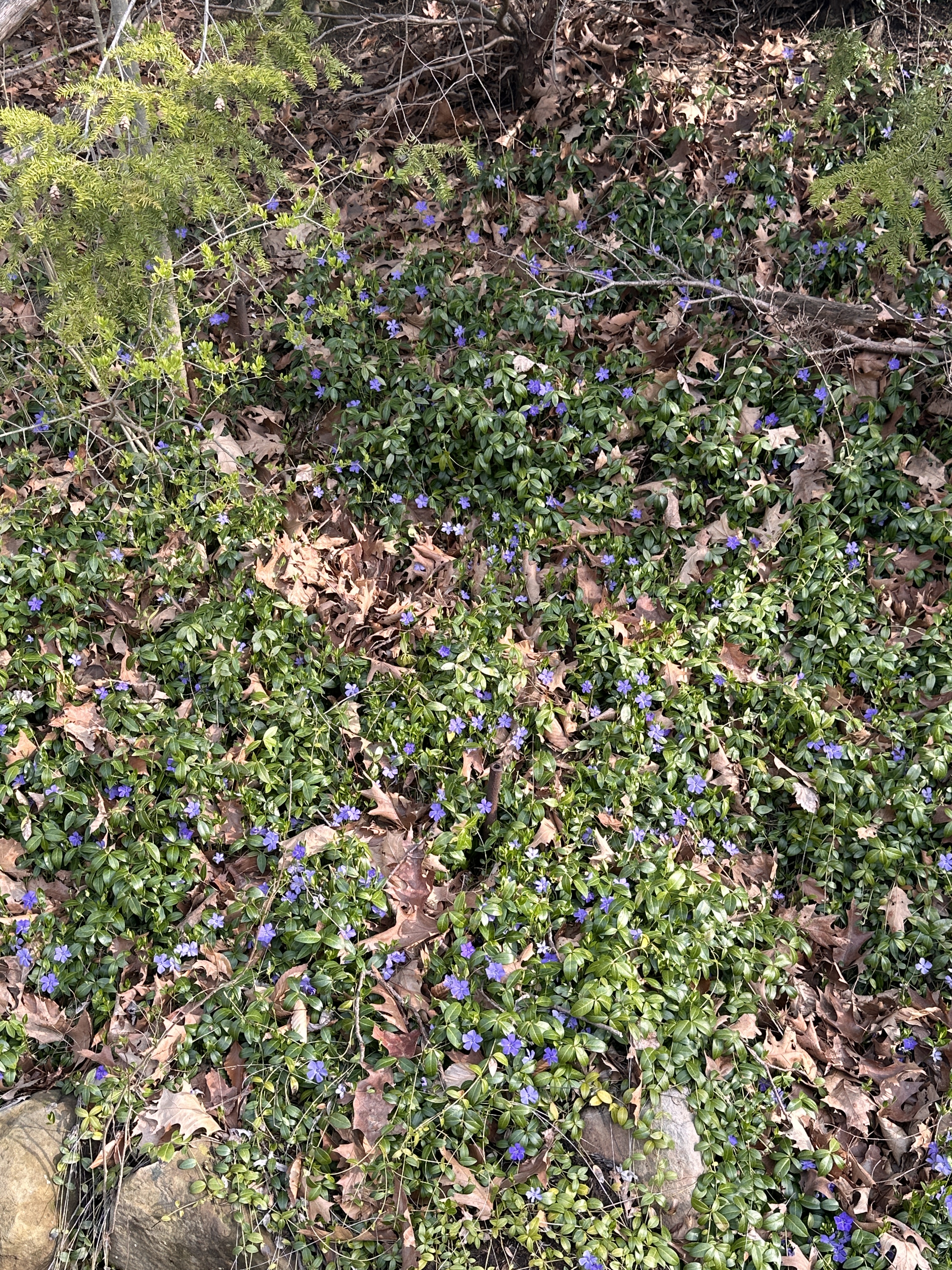
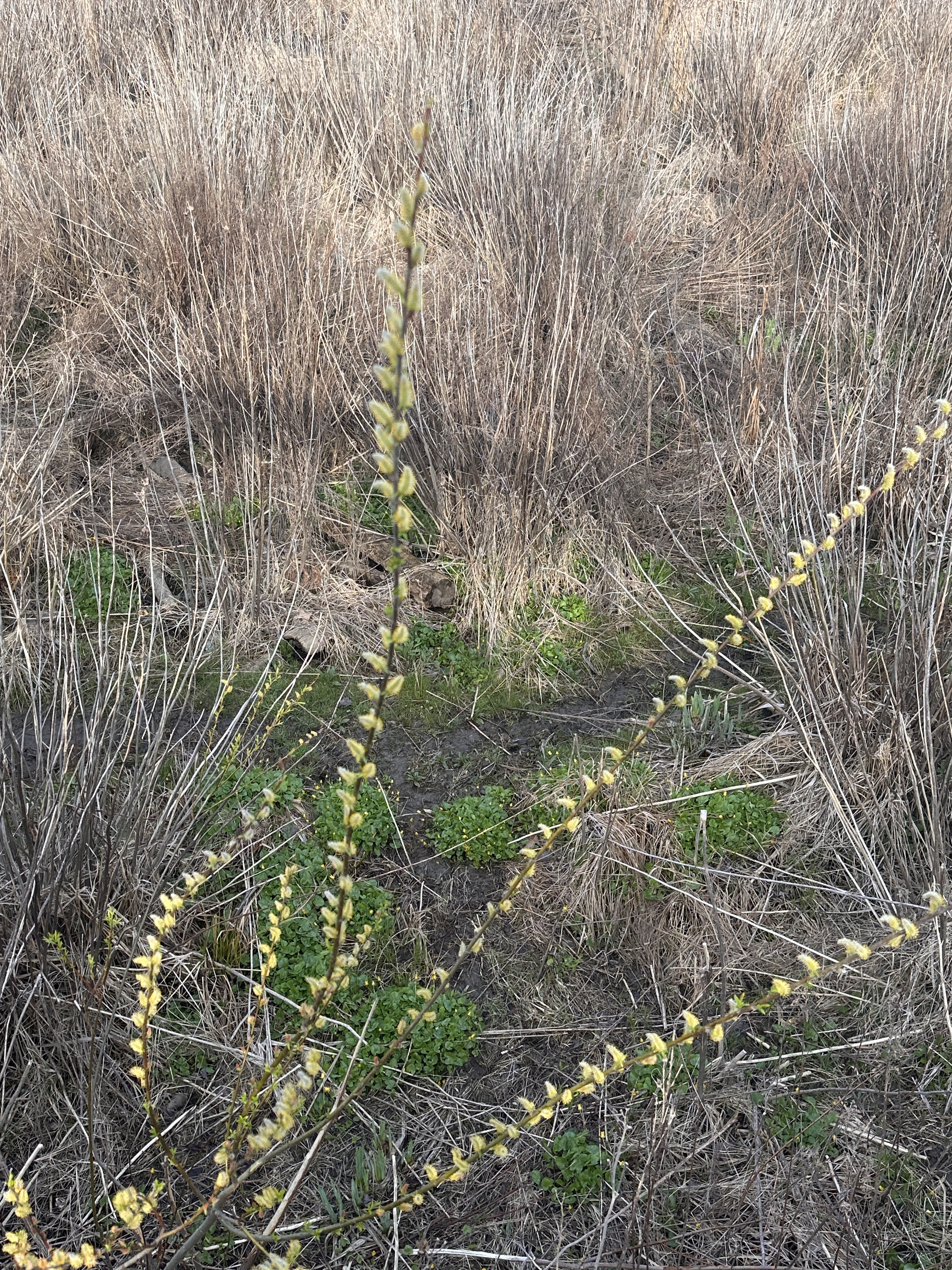
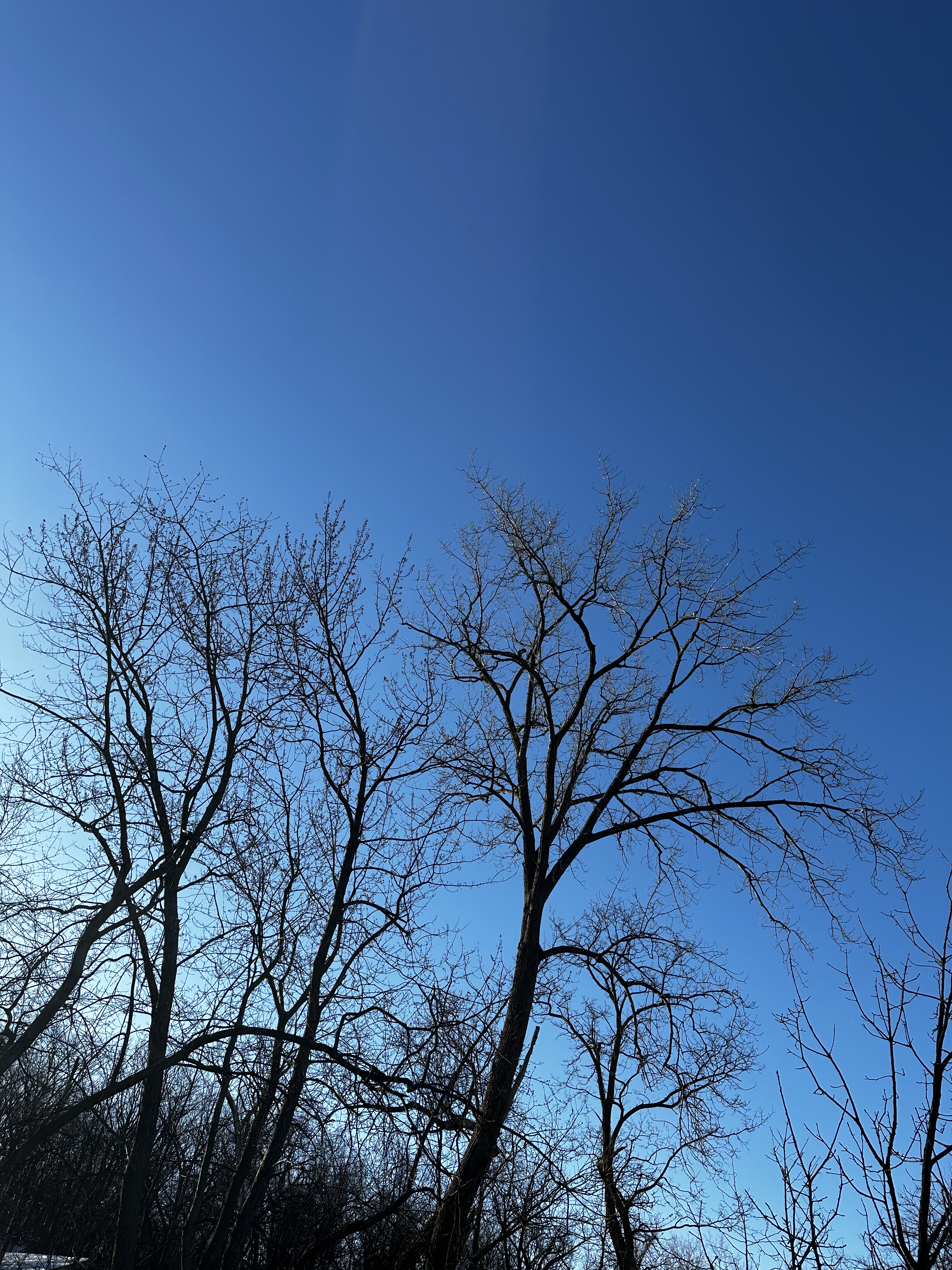
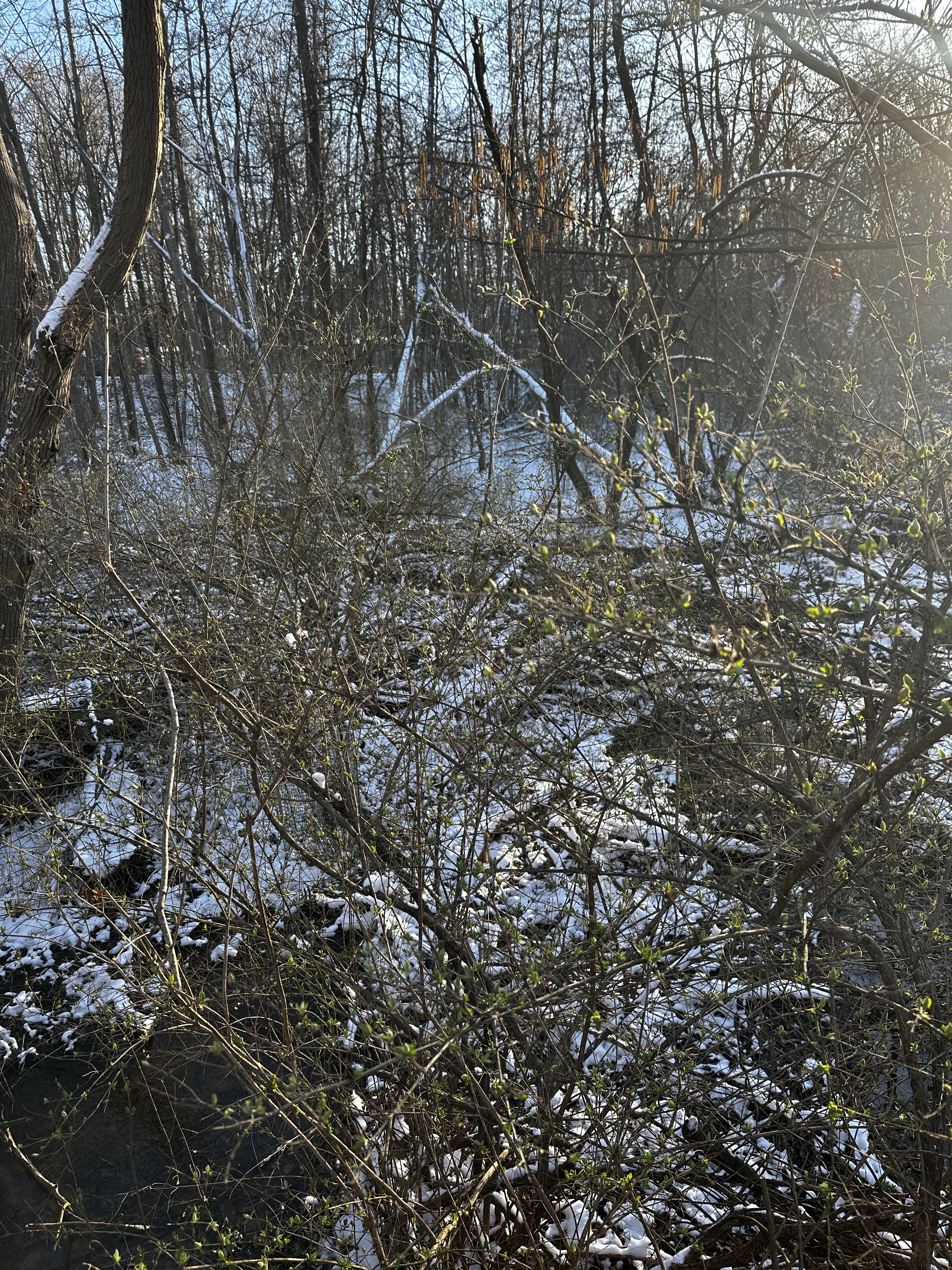
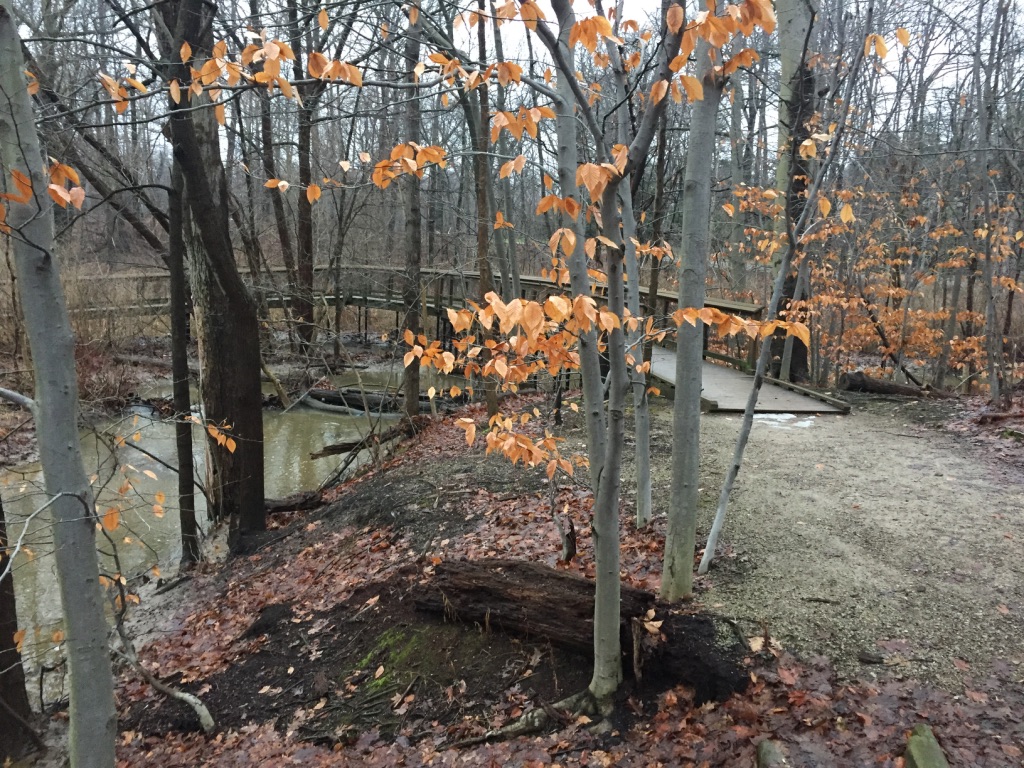
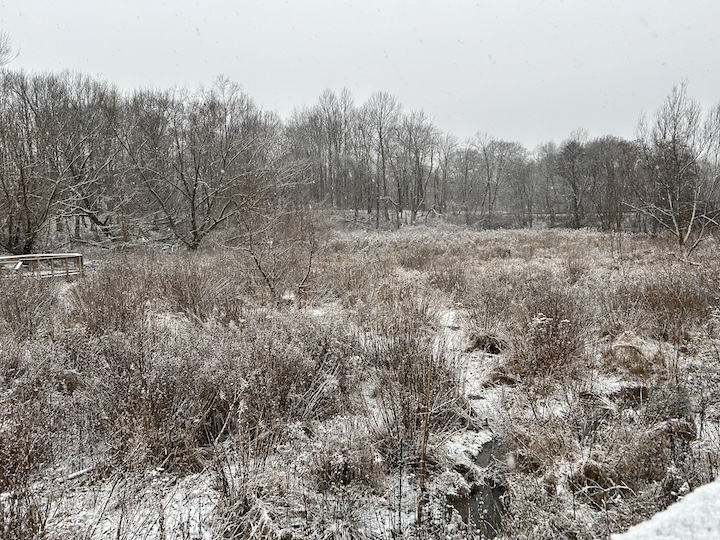
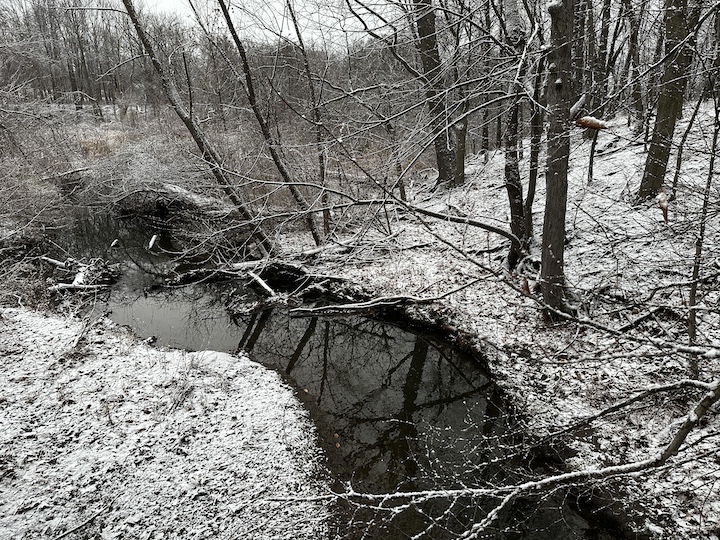
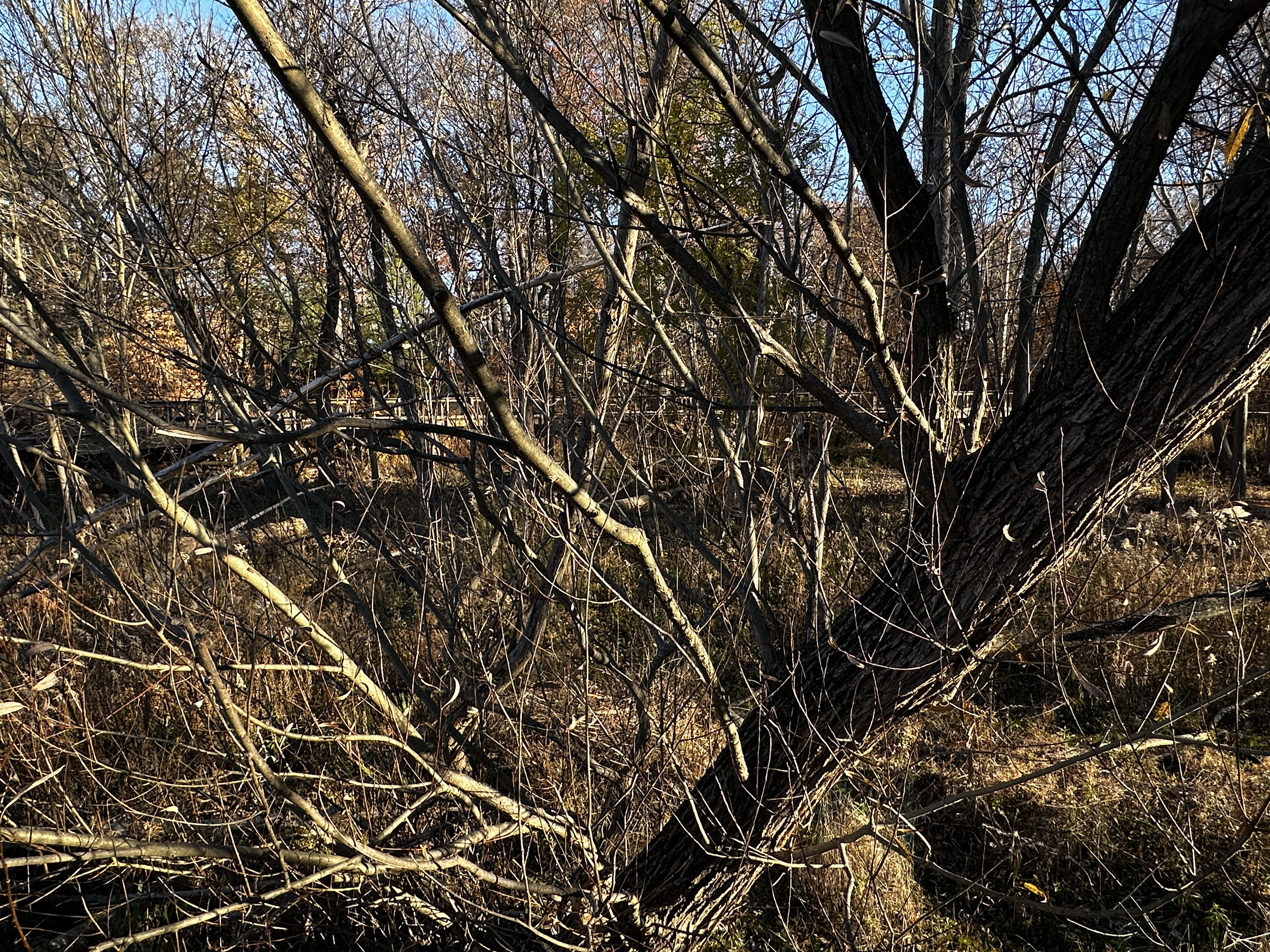
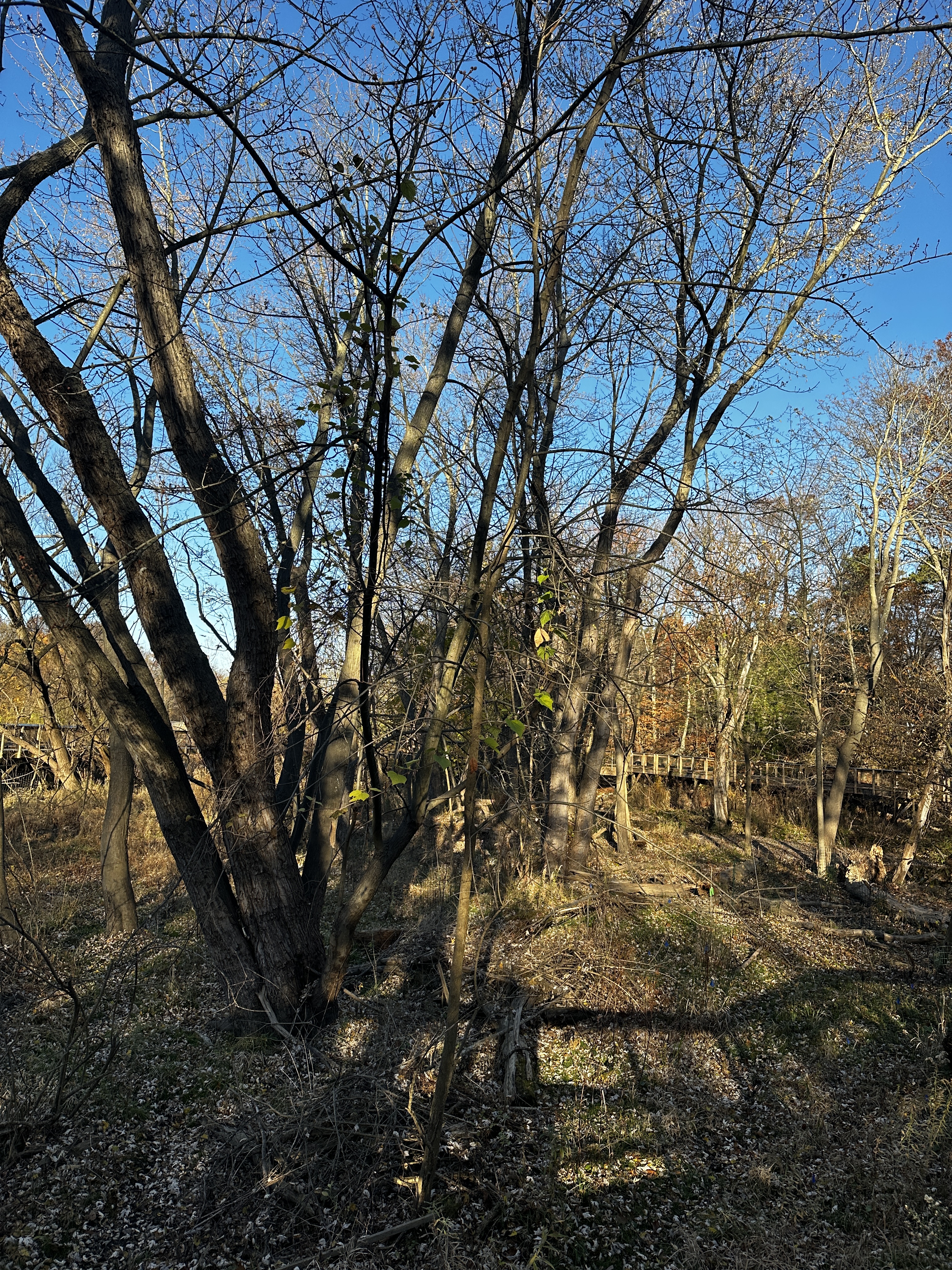
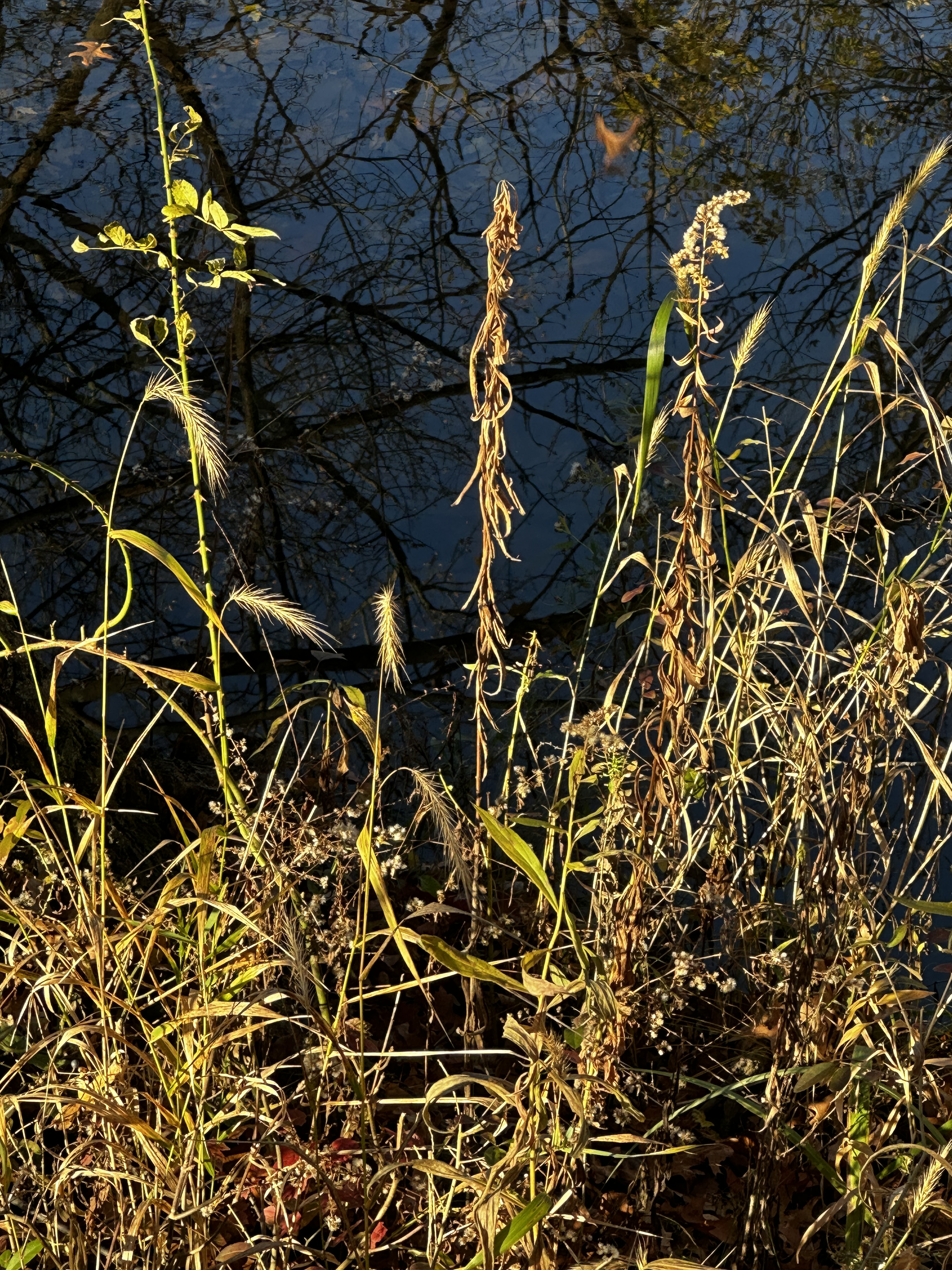
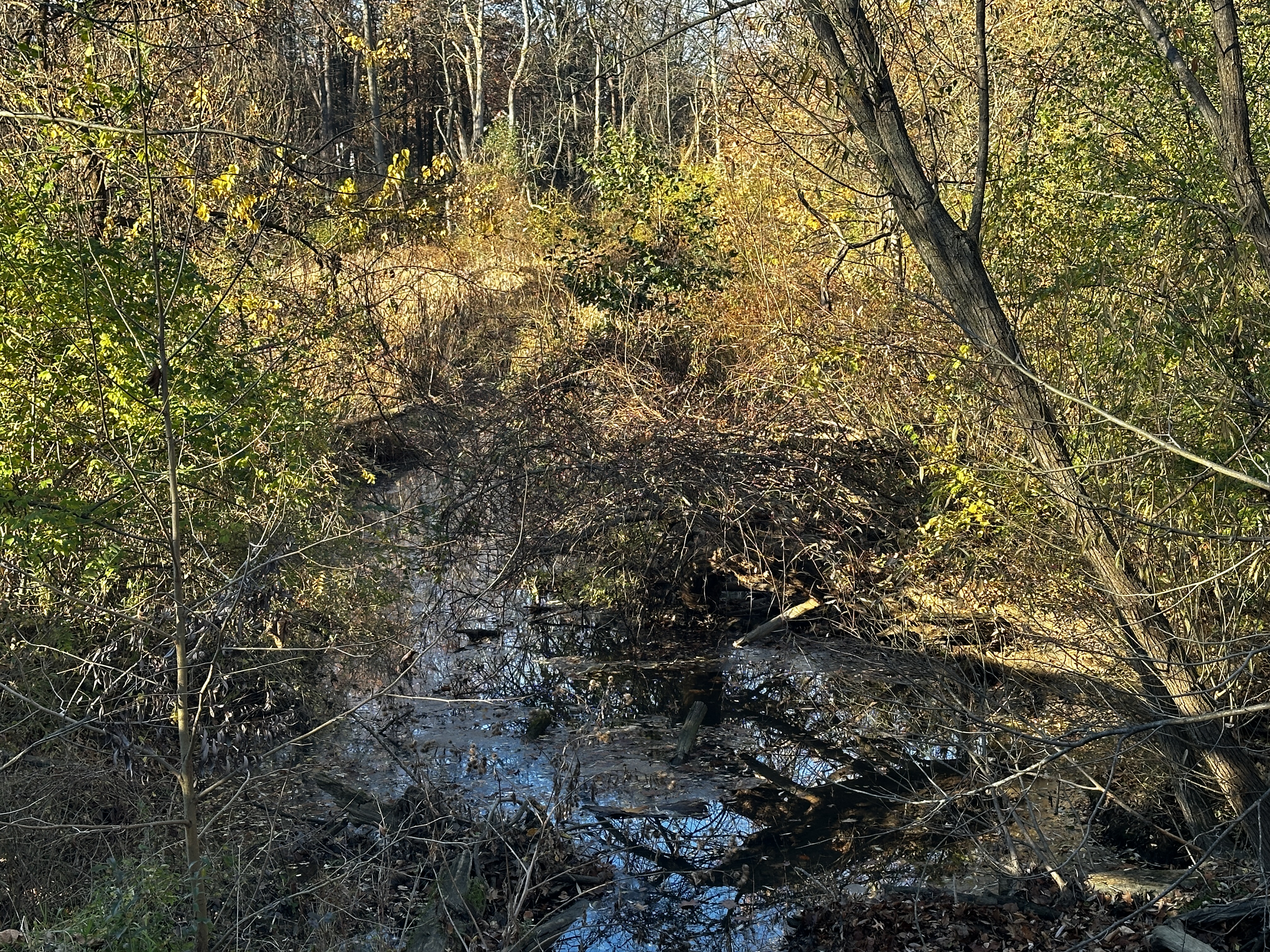
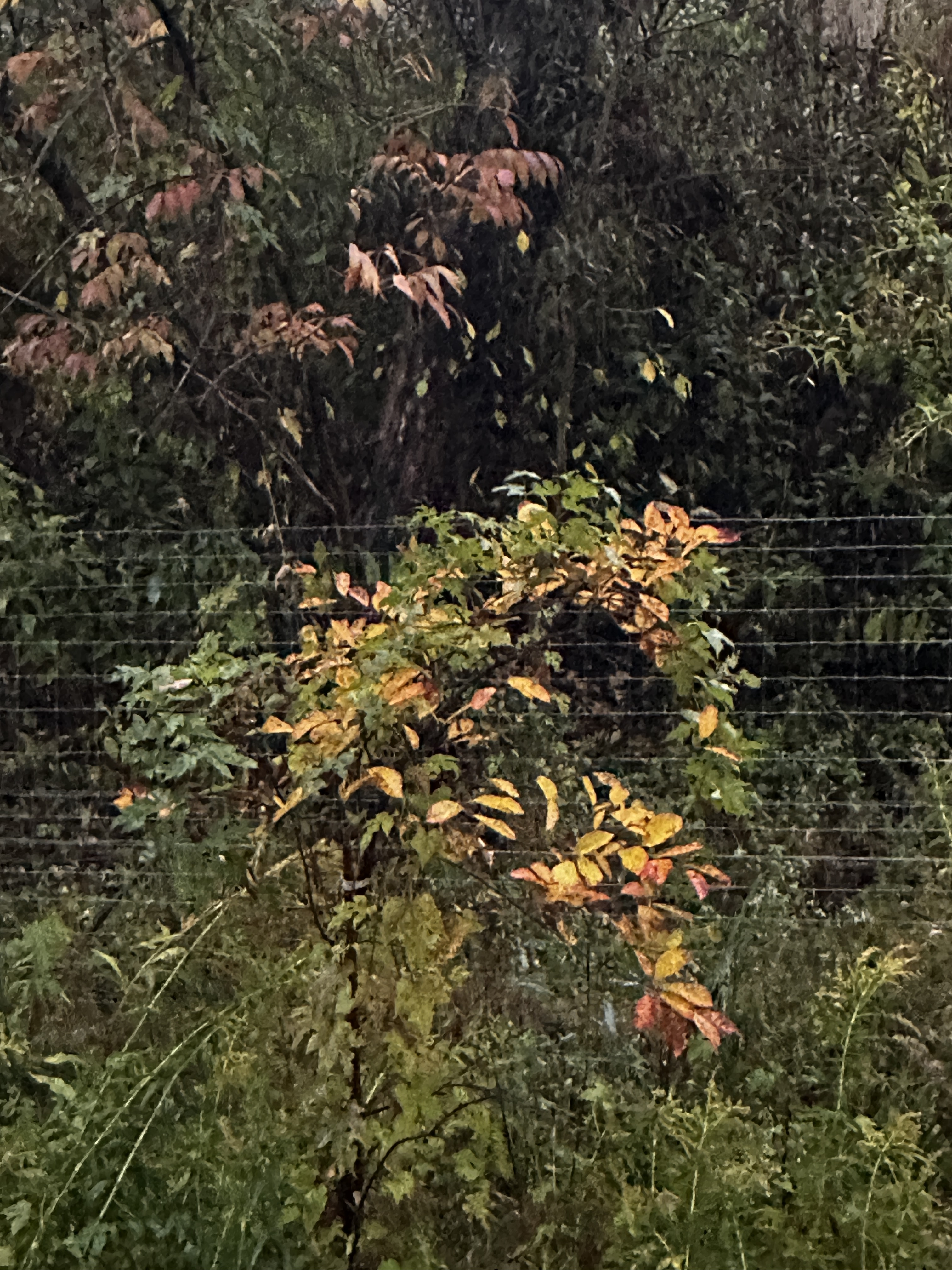
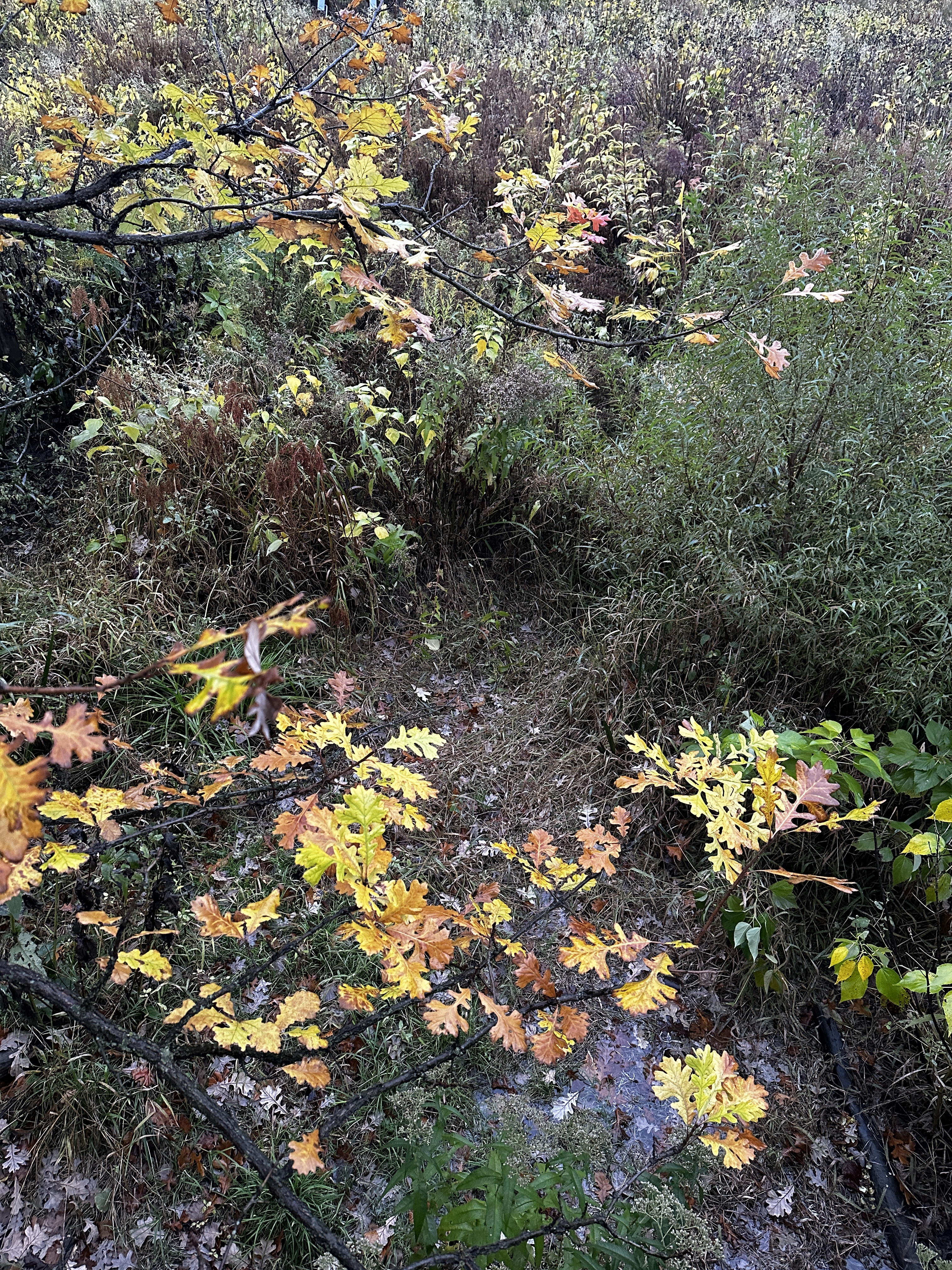
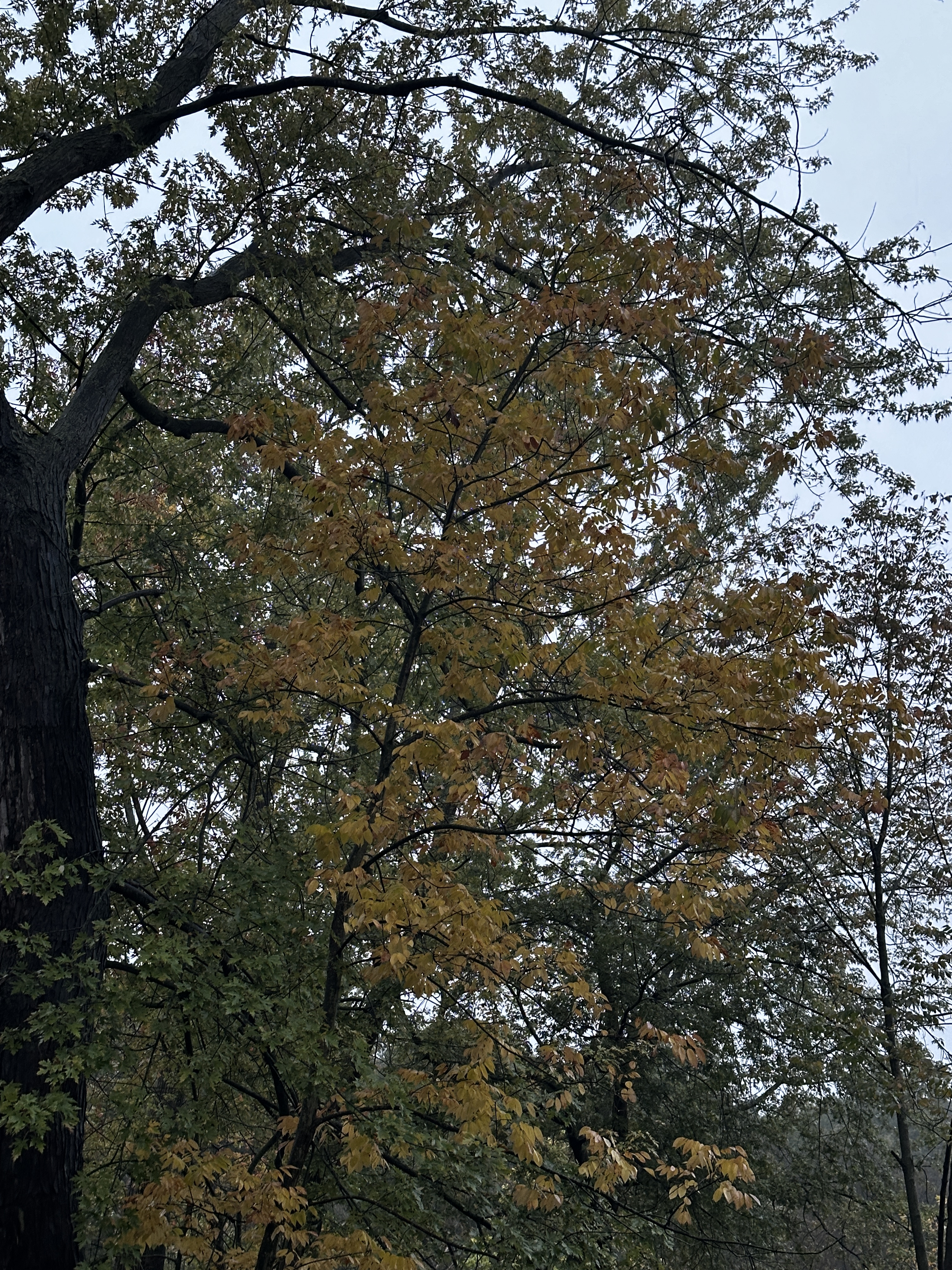
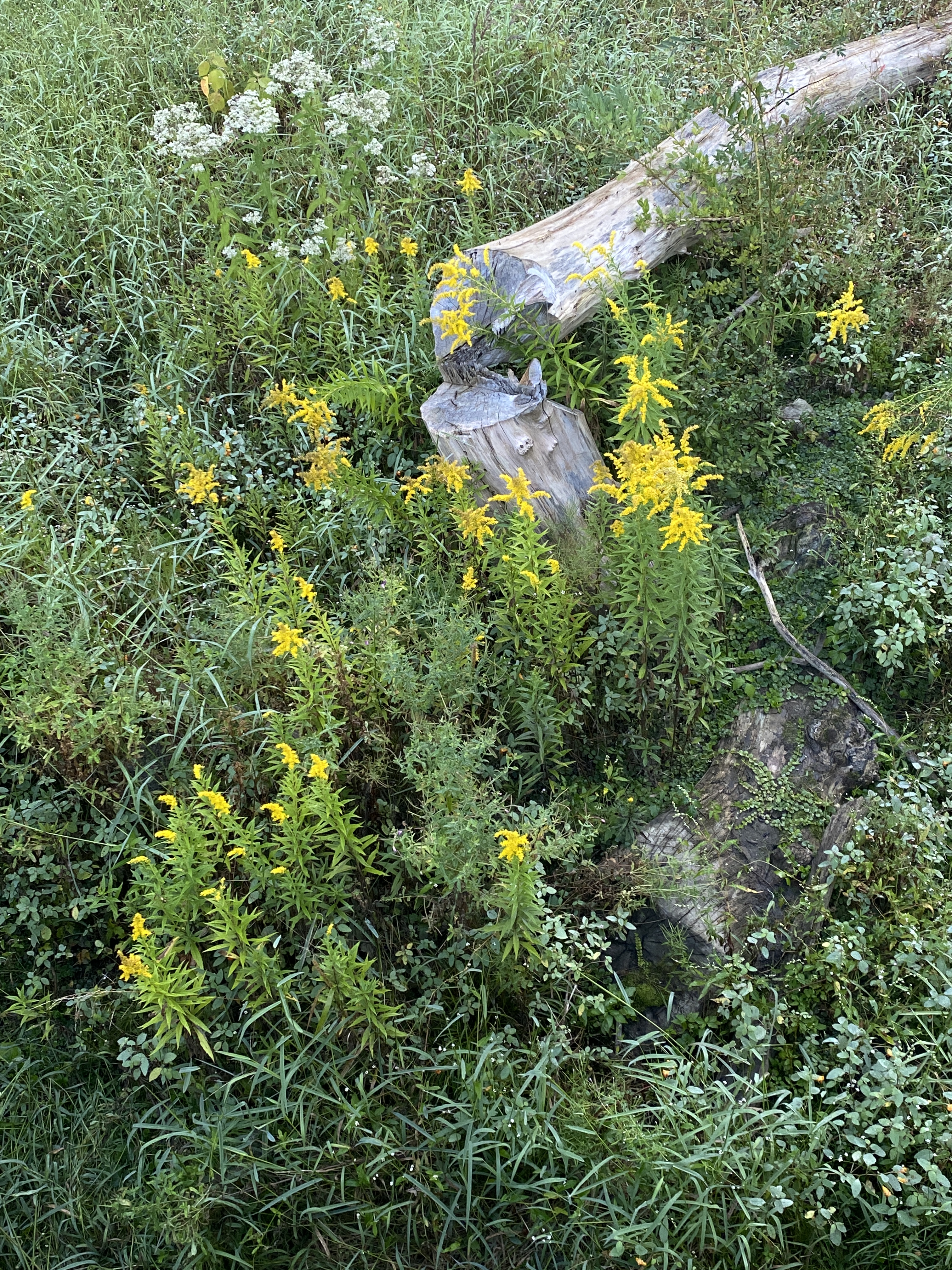
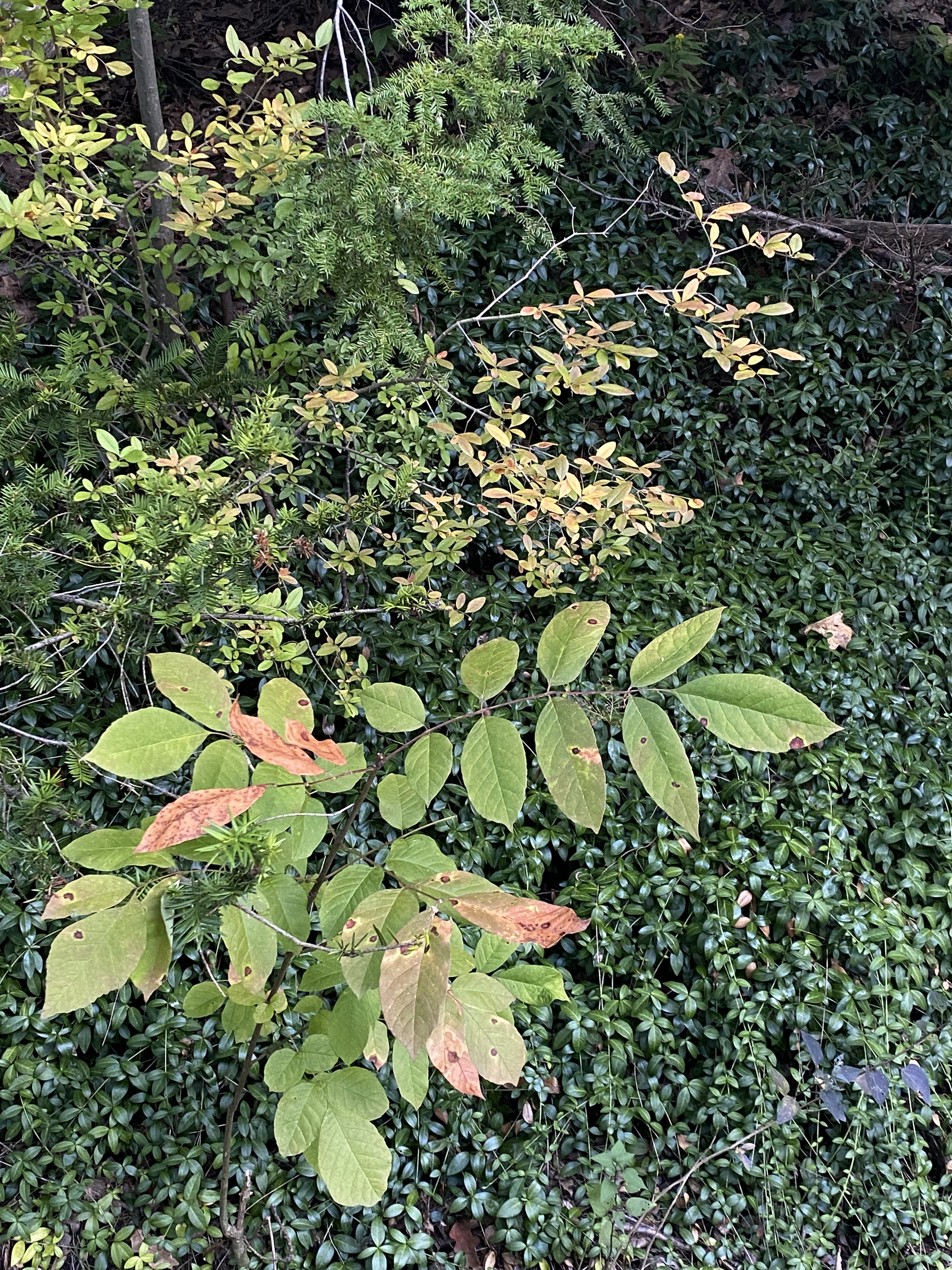
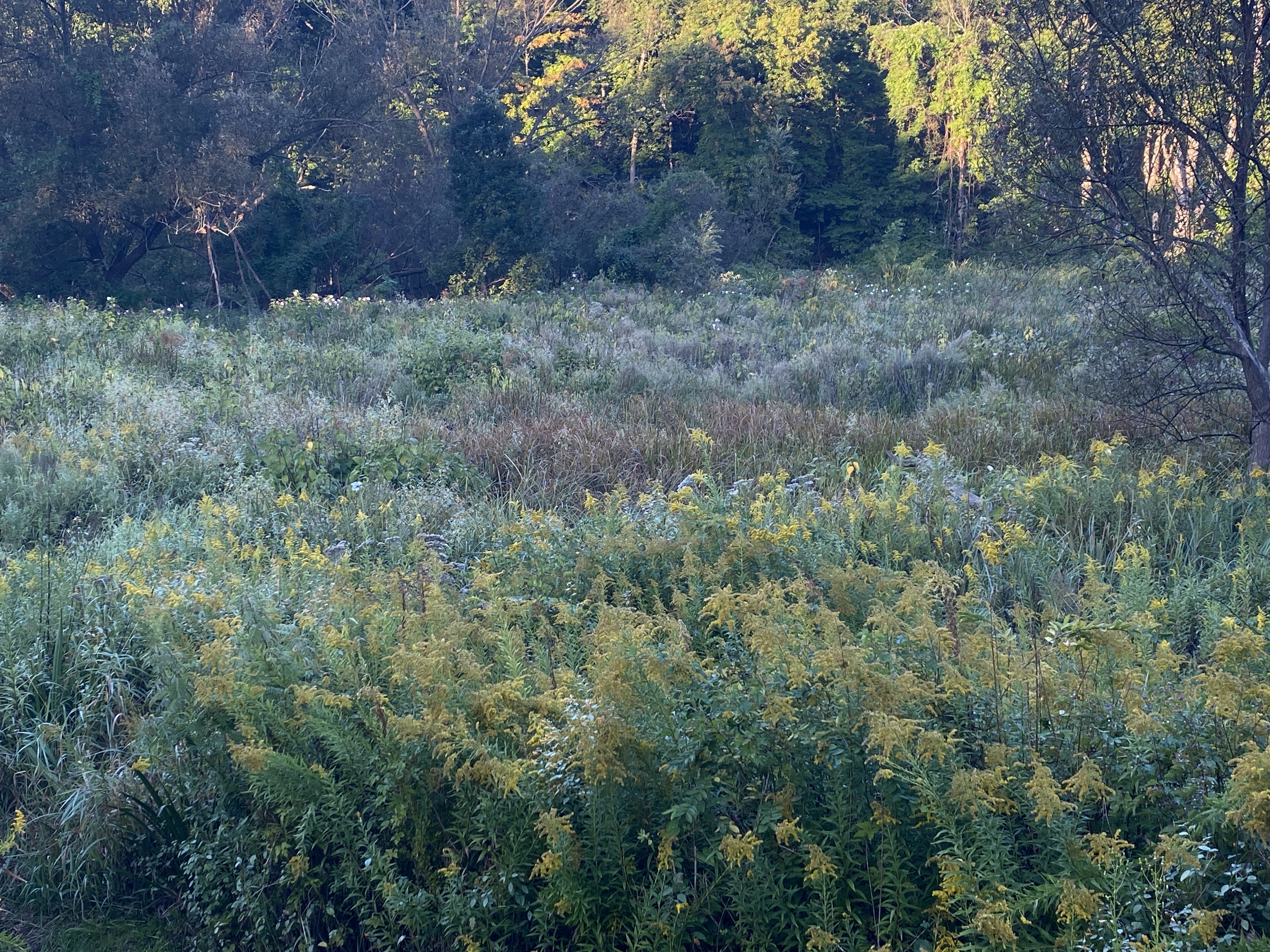
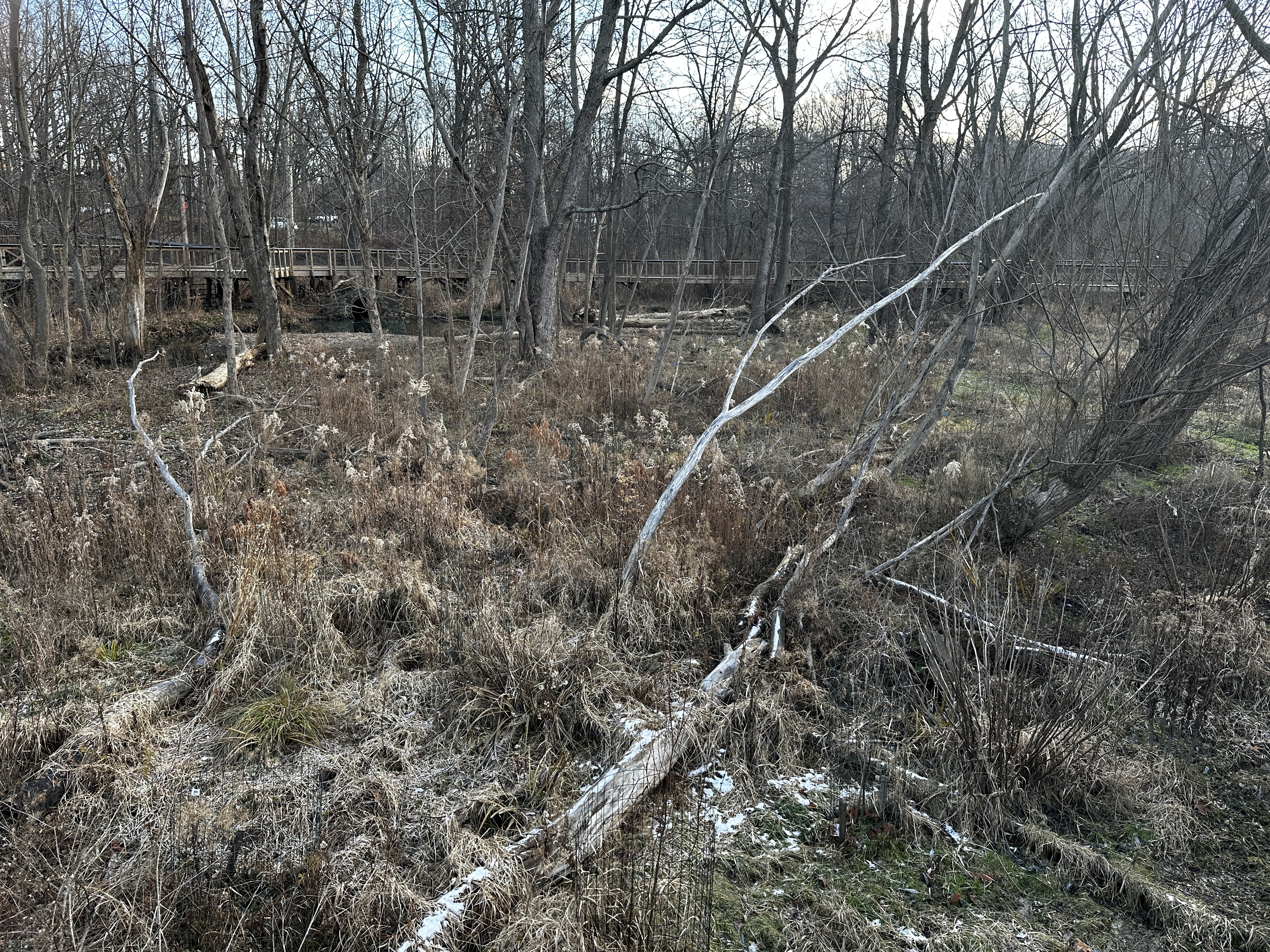
Tuesday, November 14, 2023.  It was a truly beautiful morning, full of color and birdsong.  Because Kislev is early this year, here in the Great Lakes, we’re still in late autumn – cold and crisp, the last leaves continuing to turn and fall.  In the Middle East, sowing is taking place on farms – as it was in biblical times – wheat, barley, oats, peas, lentils – all in anticipation of winter rains. As we prepare here for a midwestern winter, we know that seeds are in the ground, falling asleep, settling for a while in order to burst forth in the spring.

In Kislev, the days continue to shorten, and daylight diminishes, until the winter solstice begins the lengthening of days once again.  This year we are earlier than the solstice, but in any case, we are reminded of our faith in the rhythm of the seasons: the light will come again, and with it, spring.  Nature endures, and will provide us with beauty and sustenance and joy.

The first 30 days of the mourning period after a death, in Jewish tradition, is known as Shloshim.  We have come through Shloshim after last month’s day of terror – and now, in wartime, we seek ways to go forward.  The future is murky, and our steps uncertain.

In the Torah, during the month of Kislev, we read many stories of dreams: Jacob’s dream while traveling of wrestling with an angel, Joseph’s dreams of cows and sheaves having dominion over others, and Joseph’s interpretation of the dreams of fellow inmates in the Pharoah’s prison in Egypt. Each of these has significance, pointing the way to a future for the dreamer and their families; each of these is mysterious on its face.  Dreams raise questions, present new possibilities, give us beacons for guidance in the darkness, and allow us to face the mysteries in our lives.

Our source Jill Hammer quotes Rebekah Tiktiner, a 16th century Yiddish writer:  I “have rolled the great stone off the rock, and drunk from it.  And still I was thirsty.” Hammer’s response is that  “The poet drinks, yet still she is thirsty.  Our lives, like dreams, hold questions we have not answered.”[1]  The message of Kislev is that we can dive deep into the darkness of the most difficult questions, and find light even there.  Late in the month, we light the Hanukah candles in darkness, and the light grows day by day.  May we each find our own light, and share it with others, in this dark time of uncertainty.  May we find joy with each other, strengthening ourselves for the days ahead. And may peace come to the Middle East in our time. — K. Miriam

The next Rosh Chodesh walking meditation will honor the month of Tevet, Wednesday, December 13, 8:30 am. Rain or snow or shine! – contact us for location.


[1] Rabbi Jill Hammer, The Jewish Book of Days, p. 100. See “Sources” tab for full citation.

Cheshvan 5784 חשוון

Monday, October 16, 2023.  The weather is dark and rainy, and our feet and hearts heavy.  It is difficult to come up with insightful thoughts when a great terror has occurred, and war in Israel and Gaza is newly upon us.  We are numb and quiet, without words.  The name of this month, fully “Mar-Cheshvan”, or “bitterness”, is fitting, as is the growing darkness with the approach of winter. It helps to gather together at night for song and prayer, and in the daylight, to see what we can do, at home to help each other, and in sending aid afar. 

Our source Rabbi Jill Hammer reminds us, in her writings on the month of Cheshvan, that this is the season of planting, when the rains begin, we place seeds in the soil, and they begin to grow roots, which will sustain them in difficult times.  Our roots are our love for each other, our friends and family, our tradition, and the beauty of the natural places, skies and waters that surround us.  May those suffering in Israel and Gaza be in safety and freedom soon. May all find comfort and strength in the roots that sustain us. – K. Miriam

Our next walking meditation will honor the month of Kislev, Tuesday, November 14, 8:30 am. NOTE CHANGE OF TIME! Rain or snow or shine! Contact us for location.

Tishrei 5784    תשרי

Every year at Tishrei we celebrate a New Year with hope and renewed commitment to making our world a better place – whether our sphere of influence is at home in close relationships, in our communities, or in the world.  In the natural world, both in the Great Lakes and the Middle East, it is the end of summer, the end of the growing season, and we harvest the fruits of the summer’s labor, before settling down for the winter and the darkness that will come.  By the end of the month of Tishrei, we are aware of the shortening of days, and the trees are losing their leaves in earnest.  Where did the time go?

Rosh Hashana and the New Year celebrate renewal of both our lives’ commitments, and the creation of the world, which we can understand as created anew, year after year.  Our source Jill Hammer talks about the cycle of time, and the role the moon plays in helping us to mark the passing of seasons.  She quotes Rabbi Yochanan in saying, “..why was the moon created? For seasons, so that we might renew by her countings the new moons and the years.”  At Rosh Hashanah, she notes, “we reflect on our past and our future”, and so “honor time.”[1]  May we all experience the coming month of holidays and celebrations of renewal – both of commitment and of the seasons – in joy, as we begin to count the New Moons of the year yet again. L’Shana Tovah, Happy New Year! — K. Miriam

Our next Rosh Chodesh walking meditation will honor the New Moon of Cheshvan, Monday, October 16, 7:30 am. Rain or shine!  Contact us for location.


[1] Rabbi Jill Hammer, The Jewish Book of Days, p. 414. See Sources tab for full citation.

Elul 5783 אלול

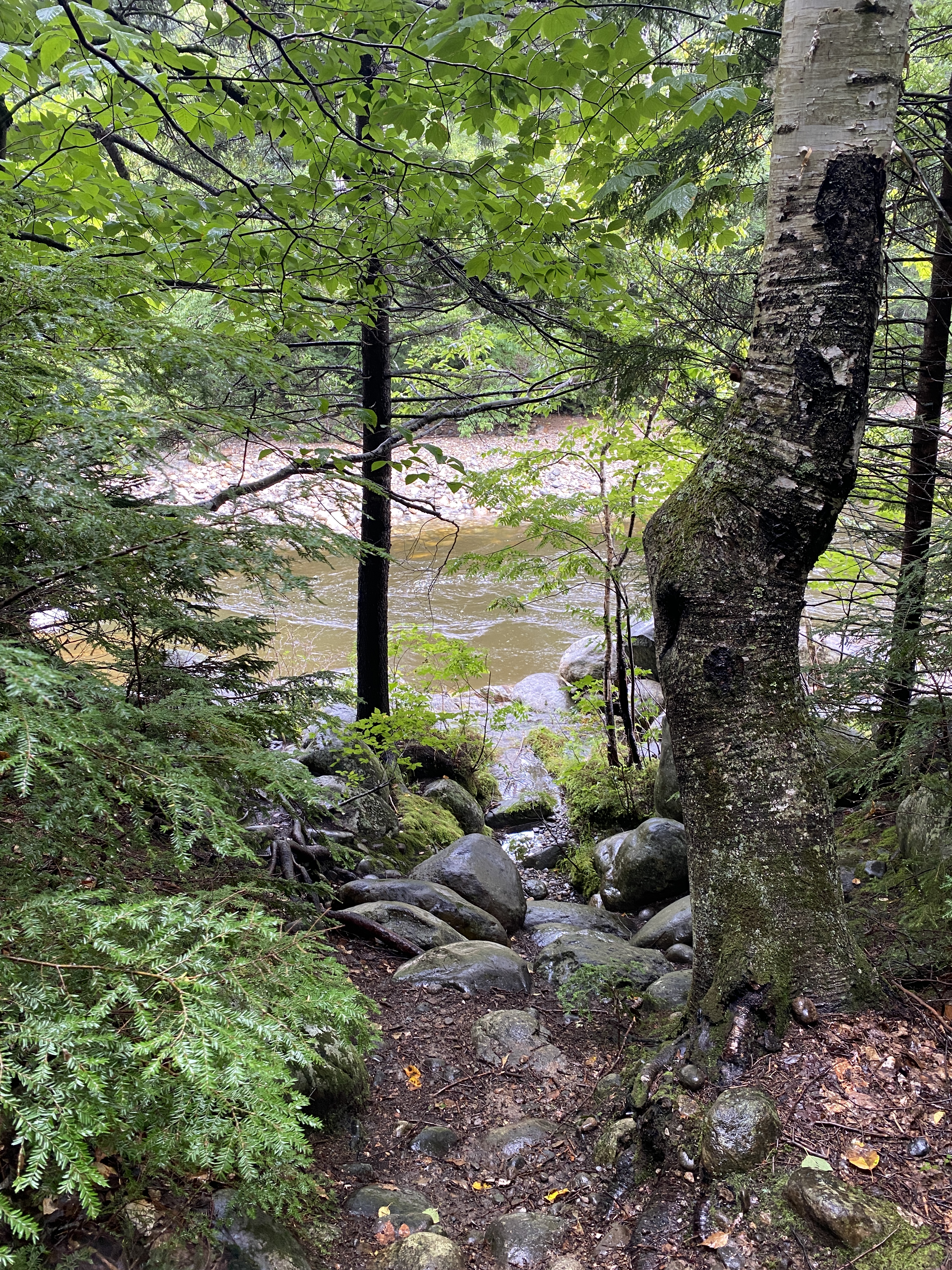
Friday, August 18, 2023.  I was out of town for Rosh Chodesh Elul this year, so I am including a couple of photographs I took where I was, on the Great Gulf Link Trail in the White Mountains of New Hampshire.  In the mountains, the air was cool and rainy, and the mushrooms of all colors were abundant.  We could feel the beginning of change to fall and anticipate our soon return to community and the High Holy Days.

Back at home, our group met to welcome the month. In the words of Erica, who led the meditation:  “We had a lovely gathering for Elul. The weather was beautiful, gently sunny and cool with the August insects singing and hummingbirds darting through the marsh flowers. It was the kind of day that hints at fall. So, we spent a bit of time talking about how the lessening of the light as we move toward the equinox, and the coolness in the air, really supports the introspection of Elul. We also talked about how the point of that introspection is then to be able to come back out into the world and behave differently, act differently, and shift old patterns.”

These lovely thoughts bring to mind an interpretive version of the UneTaneh Tokhef, a prayer from our High Holy Day liturgy, that I recently came across, by Rabbi Jack Riemer:

Let us ask ourselves hard questions
For this is the time for truth.
How much time did we waste
In the year that is now gone?
Did we fill our days with life
Or were they dull and empty?
Was there love inside our home
Or was the affectionate word left unsaid?
Was there a real companionship with our children
Or was there a living together and a growing apart?
Were we a help to our mates
Or did we take them for granted?
How was it with our friends:
Were we there when they needed us or not?
The kind deed: did we perform it or postpone it?
The unnecessary gibe: did we say it or hold it back?
Did we live by false values?
Did we deceive others?
Did we deceive ourselves?
Were we sensitive to the rights and feelings
Of those who worked for us?
Did we acquire only possessions
Or did we acquire new insights as well?
Did we fear what the crowd would say
And keep quiet when we should have spoken out?
Did we mind only our own business
Or did we feel the heartbreak of others?
Did we live right,
And if not,
Then have we learned, and will we change?[1]

May we all find ways to open up new patterns this month of preparation, and in the coming holiday month, inspired by the changing light of the season. – K. Miriam
Our next Rosh Chodesh walking meditation will welcome the New Year and the month of Tishrei on Rosh Hashanah morning, Saturday September 16, 7:30 am.  Contact us for location.


[1] See https://jewschool.com/revisioning-unetaneh-tokef-11264 for a version

Av 5783 אב

Av 5783 אב

Wednesday, July 19, 2023. What a gorgeous morning, bright and clear — an abundance of growth and flowers in the marsh — and we were greeted by two young male deer with their new velvet antlers, and a wild turkey near the picnic shelter[1].  Of course, we are lucky along the Great Lakes.  In the Middle East and elsewhere, the temperatures are scorching, more suited to the theme of the month, the summer’s heat penetrating us and illuminating the truth.

At the first of Av, we are in the midst of the “three weeks” – the period between the 17th of Tammuz, which commemorates the breaching of the walls of Jerusalem (by the Babylonians in 423 BCE and the Romans in 70 CE), and the 9th of Av, commemorating the day that the First and Second Temples were destroyed respectively.  Several other tragedies in Jewish history are also remembered in this period of mourning and sadness.  During the three weeks, which begin and end with a fast day, observant Jews abstain from pleasures and joys such as weddings and dancing, and make an effort to mourn and remember the experience of our ancestors in a time of trauma, loss and upheaval.  Our prophet Jeremiah imagines our mother Rachel, weeping for her children, at this time[2].

I recently read an article (also available in podcast) by Negin Sairafi on the role of grief and mourning in our lives.  She explores the ways that grief takes us to the core of our human selves – navigating times of loss, change, and transformation.  “Like love, grief is a single word used to describe an ocean of experiences.”… “It shows up to remind us of the people and things we’ve never had or will never have. It exists in relation to the past, the present and the future.” And, she adds, “Feeling our grief, accepting our grief and sharing our grief, is the first step toward healing our grief. I see grief as a transformative tool which can, and often does, carry us into deeper, more realized versions of ourselves. I think of grief as the silent and invisible energy that puts one hand onto another, and says, you can get through to the other side of this, together.”[3]

Ms. Sairafi opens the article with the statement, “what we need most in turbulent times, … is a deeper understanding of our human experience.”  Tisha B’Av is often cited as the first step in the cycle of Teshuvah, evaluating our Selves, repenting and returning, that culminates in the High Holy Days.  It seems fitting that three weeks of mourning and grief might open us up to the truth of our lives and others’ experiences, and turn us toward each other.  Chodesh tov! – K Miriam

Our next Rosh Chodesh walking meditation will honor the month of Elul, Friday morning, August 18, 7:30 am. Rain or shine! Contact us for location.


[1] Thank you to Louise for the sunlight, deer and wild turkey photos!

[2] See Jeremiah 31:15

[3] See Negin Sairafi, podcast Growing Wise, episode 17: “The Healing Power of Grief.”

Tammuz 5783 תמוז

Tuesday, June 20, 2023.  This morning was breezy and green – another reminder of the blessing of living on a Great Lake.  In the middle east, land of our myth and history, it is, in contrast, hot and blazing under the sun.  Sowing is long past, most grain crops are or are being harvested, and through the heat of summer we await the harvest of fruits in the autumn.  Summer in the middle east is a time of intense heat and light, and a sense of retreating inward in waiting. The month of Tammuz is tied to this heat and light – named after the Sumerian god Tammuz who, like grain, is cut down and retreats to the underworld for six months of every year.

Our source Jill Hammer[1] draws a parallel between the story of Tammuz and our story of Joseph, who is thrown, and descends, into a pit, then is sold and descends further into slavery in Egypt.  Like the cycles of agriculture and nature, which return inevitably to harvest, cool rain, sowing and sprouting after the heat of summer, Joseph regrows his destiny in becoming powerful and redeeming his kin in prosperity. We are now, however, at the beginning of that journey – sensing a fall into deep places, and a need to mourn, watch and wait, in hope for the cycle to turn again.  At the 17th of Tammuz, we begin a 3-week period of mourning – for the historic fall of Jerusalem, other stories of tragedy and strife for our people – and plumbing our own internal depths.  May our fall together be meaningful, reminding us of the cycle of life – of growth after sadness, and may it be fruitful in the end, yielding a bountiful harvest of spirit with the coming of autumn. – K. Miriam

Our next Rosh Chodesh walking meditation will honor the month of Av, Wednesday, July 19, 7:30 am.  Rain or shine! Contact us for location.


[1] See Sources tab, Jill Hammer, The Jewish Book of Days, entry for the first day of Tammuz.

Sivan 5783 סיון

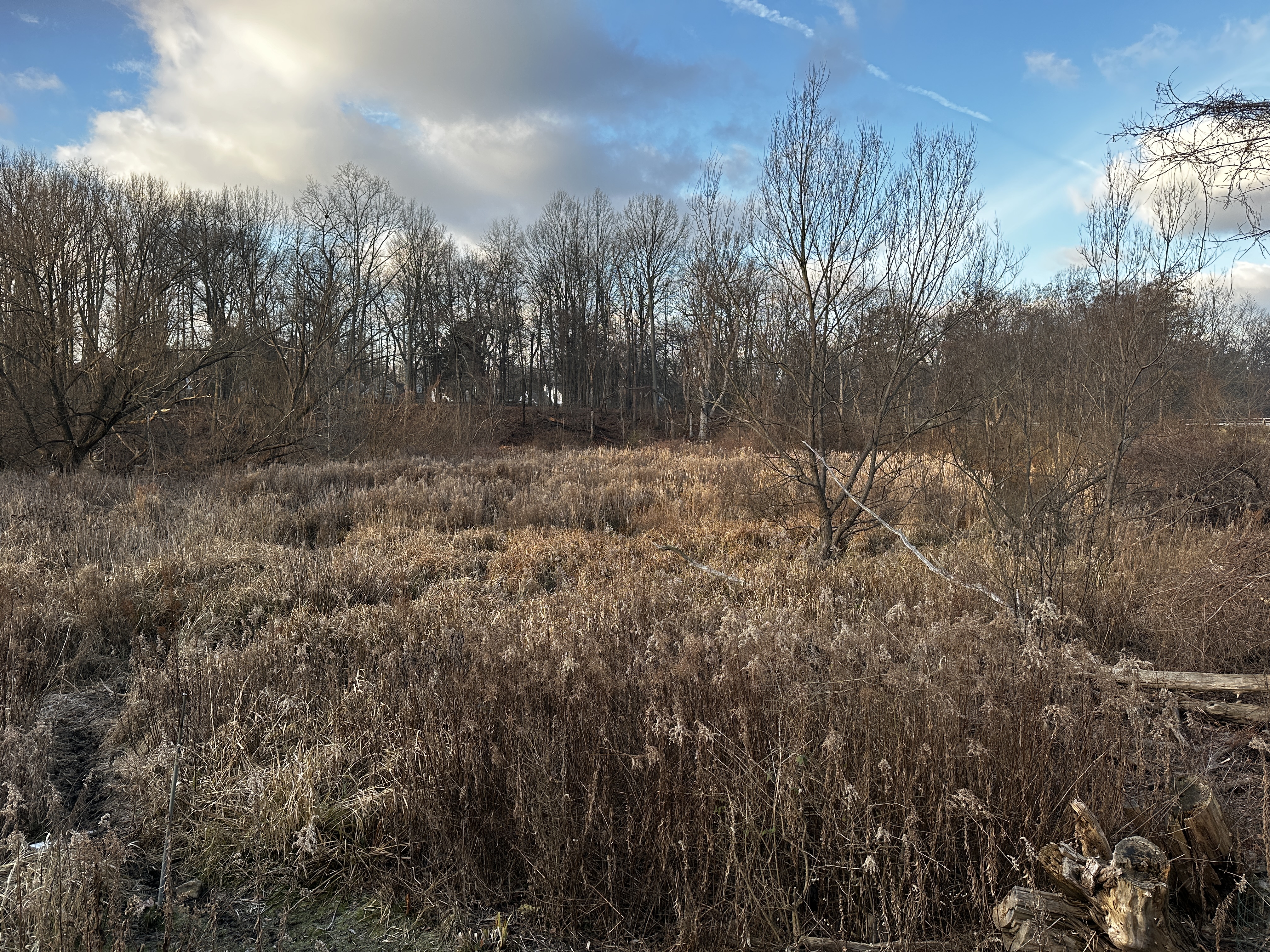
Sunday, May 21, 2023.  Every year in the Great Lakes, Sivan is the month when we get to finally celebrate spring.  It is here at last, and we are so grateful after seven months of cold! Just last week it was 32 degrees in the morning, and now this!  Greenery and flowers abound! And not only the trees and plants are bursting – the woods are full of noisy birdsong.  Just this morning my Merlin app recorded Tennessee Warbler, Song Sparrow, Yellow Warbler, Red-Winged Blackbird, Baltimore Oriole, Warbling Vireo, Tufted Titmouse, American Redstart, Black-and-White Warbler, Bay-breasted Warbler. So many friends shouting in joy, as are all of us!

Sivan is the month of peony and iris, honeysuckle and dogwood.  It is also the month of creativity and unity, as we receive our Torah at Shavuot, amid the bounty of G-d’s creation.  Two of our walkers celebrate their wedding anniversary today, as they do on the first of Sivan every year – what an auspicious day to start a partnership!  Our sages tell us of the unity of our people on that day at the foot of Mount Sinai, when G-d revealed G-dself, and the lessons by which we would live.  We said, together, “All that G-d has spoken, we will do.” May we all find ways to partner and work together in unity as spring opens the universe to us. – K. Miriam
Our next Rosh Chodesh walking meditation, honoring the month of Tammuz, will be Tuesday morning, June 20, at 7:30 am.  Please contact us for location.

Iyyar 5783       אייר

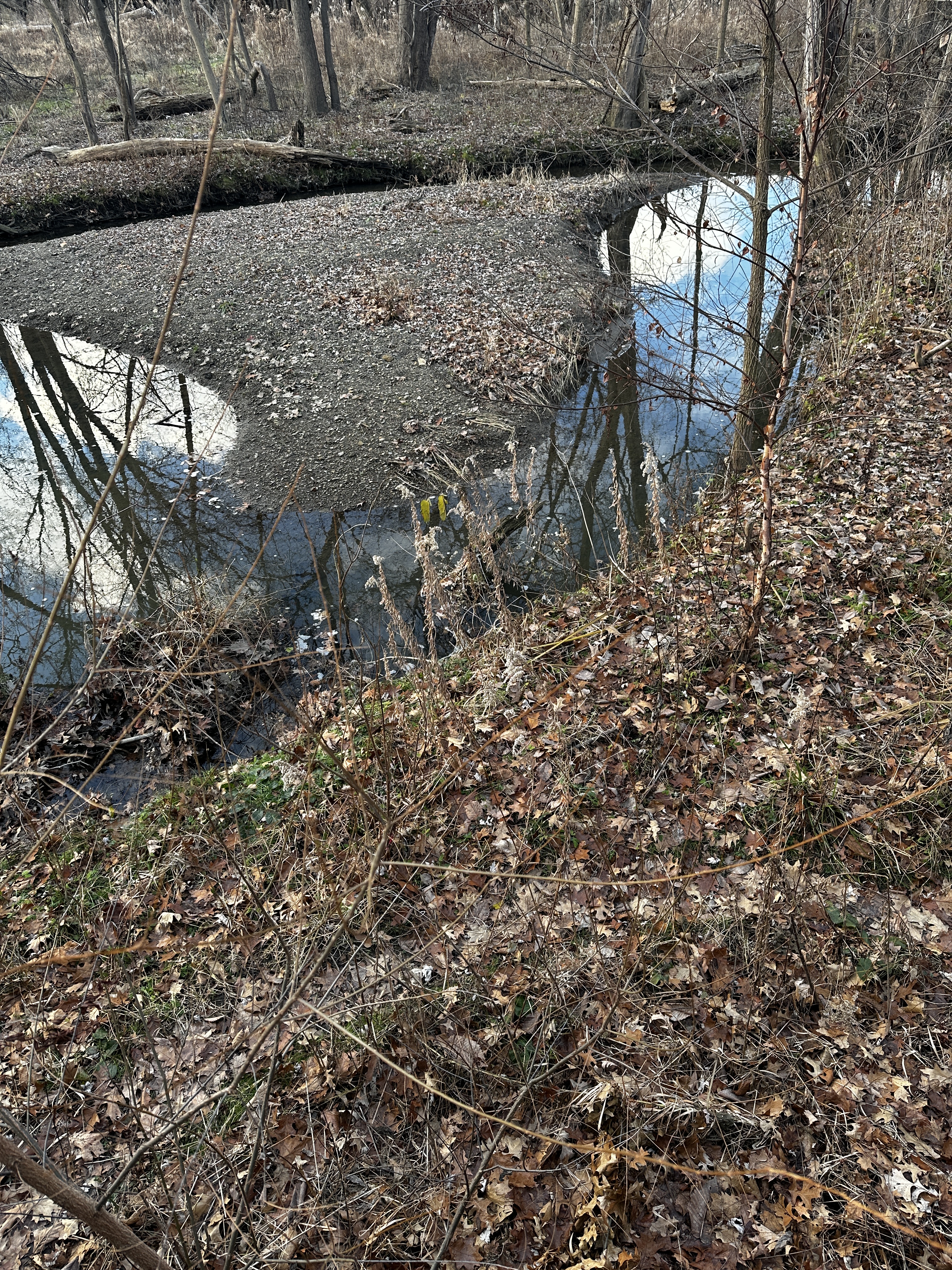
Shabbat, April 21, 2023.  Spring in the Great Lakes: cold and bluster, sleet and rain, amid the vibrant colors of cherry and redbud, new leaves, and the deep colors of tree bark and swollen streams.  This morning was no exception. We remembered that in Israel, it is a time of earth and growth, the crops well along, burgeoning in the strength of soil. 

As in every Iyyar, the first of the month is the 16th day of the Omer count, representing two weeks and two days of the Israelites’ travel in the wilderness, headed toward Sinai. The Kabbalistic theme for the 16th day is “gevurah within tiferet”, “strength within beauty/harmony”.  The month of Iyyar is an earth month, its astrological sign Taurus, the bull, also signifying strength.

Abraham Joshua Heschel, in his book The Sabbath[1], talked about the ever-present holiness of the Sabbath; it is there every seventh day, year in and year out, throughout time. This holiness is not for us to create, only to acknowledge and tap into it.  Whether or not we observe it, the day’s holiness shines through.  I wonder also about the holiness, and strength, of the earth.  Could it be that this is also here, day in and day out, and all we have to do is acknowledge and tap into it? Is this the definition of earth on this Earth Day, “strength within beauty and harmony”?

May we all find strength, resilience and beauty in the soil, the rain, the brilliance of blossoms, swollen streams, and the budding of leaf, this month. — K. Miriam
Our next Rosh Chodesh walking meditation will welcome the month of Sivan, Sunday, May 21, 7:30 am. Rain or shine!  Contact us for location.


[1] Abraham Joshua Heschel, The Sabbath, New York: Farrar, Straus and Giroux, 1951. p. 82.

Nissan 5783    ניסן

Thursday, March 23.  I was in Arizona last week, visiting family, so I honored the New Month of Nisan in a different place.  I am also including a photo from our meditation walk here in Cleveland, taken by Stephen, who graciously held down the fort while I was away.  The desert in Arizona was abloom, a once-in-two-decades occurrence, due to an unusual rainy and cool winter.  It was truly a sight — everything green and full of wildflowers, where dry stone and arroyo are typical. It made me think of spring, as it might be in the Middle East in times of rain and abundance.

Nisan is our month signifying the newness of spring – and contains the Passover festival, a time of rebirth and renewal.  I am reminded of the words of our source Jill Hammer:

Outside, this is the season of air, when fresh winds blow through the world.  Yet inwardly we are in the season of earth, the season when we are most grounded.  At Passover, Jews relearn who we are, what our task in the world is. We remember we are part of a people.  Looking around us in the spring, we remember we are part of the tribe of life.  This is a different kind of rebirth than the one at Rosh Hashanah; this is a birth that draws us out of ourselves.[1]

In our modern life, we are reminded daily of how far we are from our beginnings, from nature and our ancient festivals.  Alarming news about artificial intelligence, gun violence, climate change havoc, and expanding threats to political peace and harmony, bring us increasing anxiety and stress.  It can be helpful in such a world to remember who we are – to allow ourselves for a moment to be dressed in flax linen, carrying goatskin, readying our families for the journey out of Egypt, toward the green hills of Judea.  We walk in the natural world wherever we are, praising Yah, and doing what we can to help each other and our neighbors.  May all of us experience this promise of Nisan this month, and emerge with renewed hope and faith in what we can do to repair the world. – K. Miriam

Our next Rosh Chodesh walking meditation will welcome the month of Iyyar, Shabbat, April 22, 7:30 am.  Contact us for location.


[1] Jill Hammer, The Jewish Book of Days, a Companion for All Seasons, Philadelphia: Jewish Publication Society, 2006, p. 223.

Adar 5783       אדר

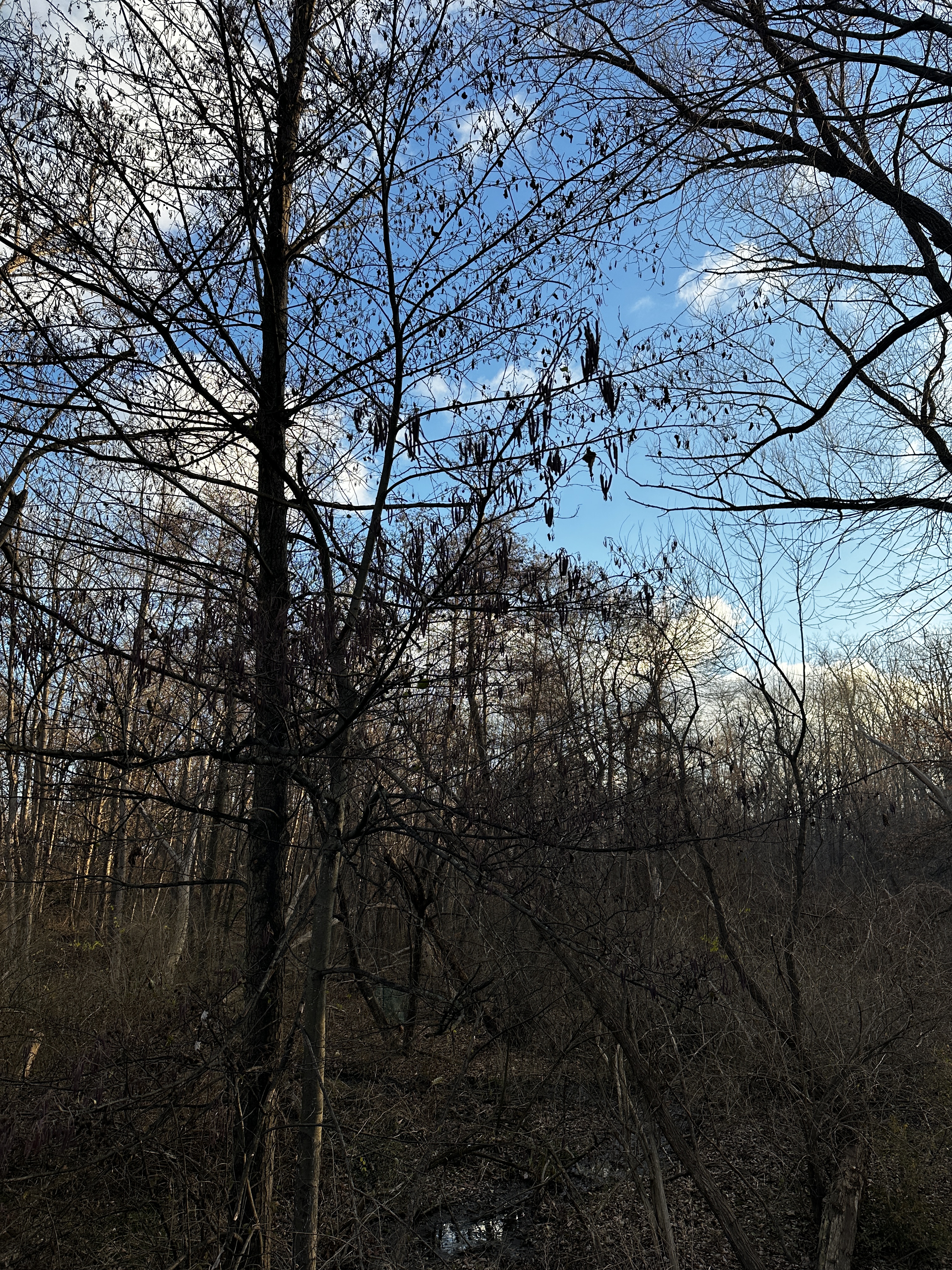
Wednesday, February 22, 2023.  What a cold and blustery morning, sleet changing to freezing rain, ice accumulating on sidewalks and trees.  It must be Adar in the Great Lakes! In Israel of course, trees are budding, crops are being planted, and spring is well on its way.  Just another reminder of the dual nature of Adar:  destruction and joy, rough weather and spring.  As Jews, we are joyful in Adar, while facing the dual nature of our world.

Adar is the month of Pisces, a water sign with two fish circling – duality once again, and reminding us that water is the basis of life, and life returning in spring.

We talked this morning about how challenging it can seem, on the first of Adar, and in our world, to imagine 30 days of being joyful, as we are commanded.  Later in the month, as we celebrate Purim, we may find it easier – but for now, how to enter a season of joy? We shared some ideas on cultivating joy day to day:

  • make a list of words whose meaning is joy for you
  • write a story or letter to/for yourself, incorporating the words:  remember moments of joy in your life, things that make you joyful, or remember something that delighted you as a child
  • send a letter or card meant to cheer someone and bring them joy
  • plan and wear a costume at Purim, and perhaps at other times!
  • find a joke book and share it with others

In the spirit of Adar, we decided to challenge each other to find one word for joy, every day for 30 days, until the beginning of Nisan.  You’re welcome to join us!  Chodesh Tov B’Simcha! (Happy New Month in Joy!) — Kirby/K. Miriam
Our next walking meditation will honor the month of Nisan, Thursday, March 23, 2023, at 7:30 am.  Rain or snow or shine!  Contact us for location.