
Shvat 5781 שבט

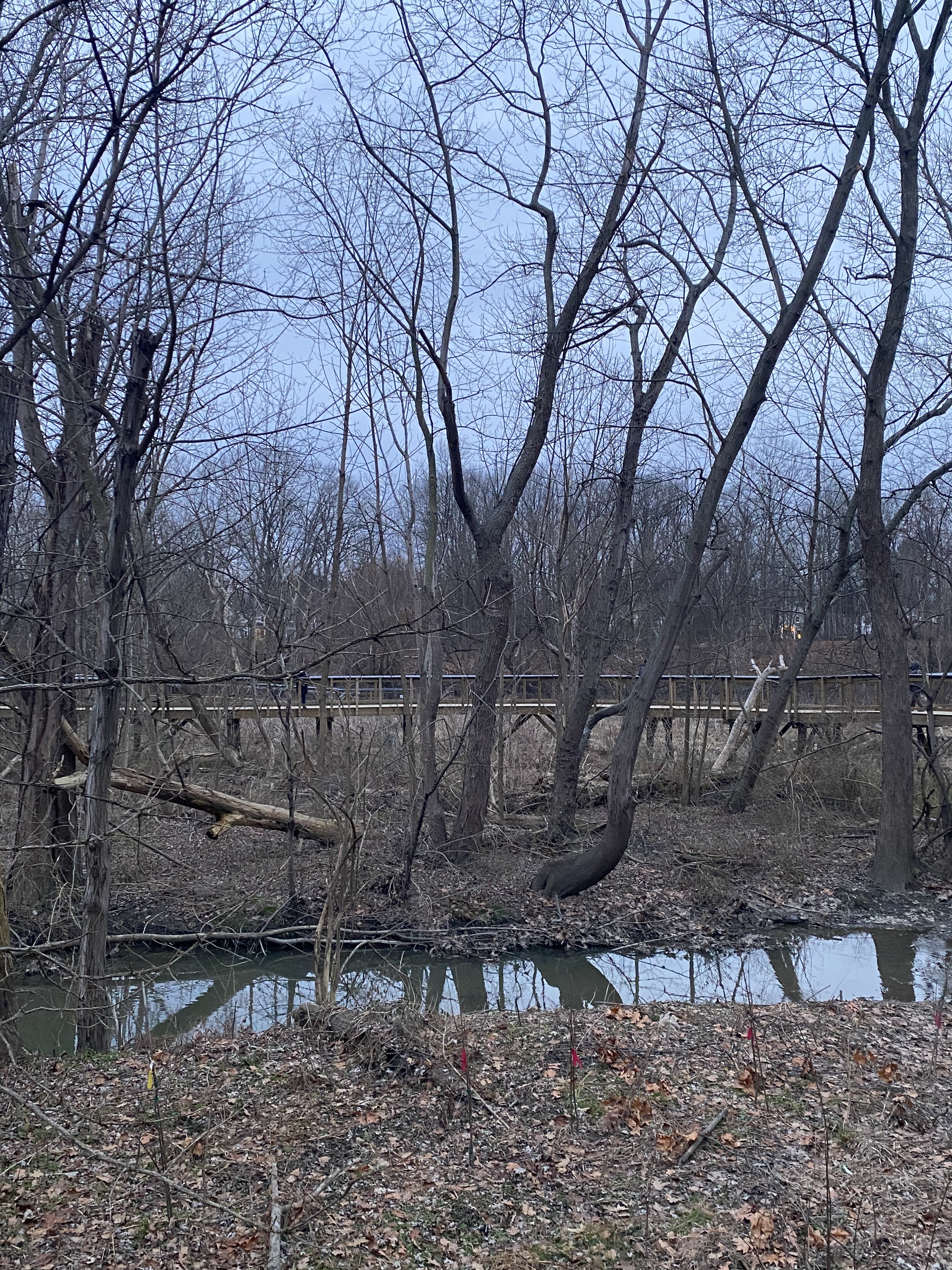
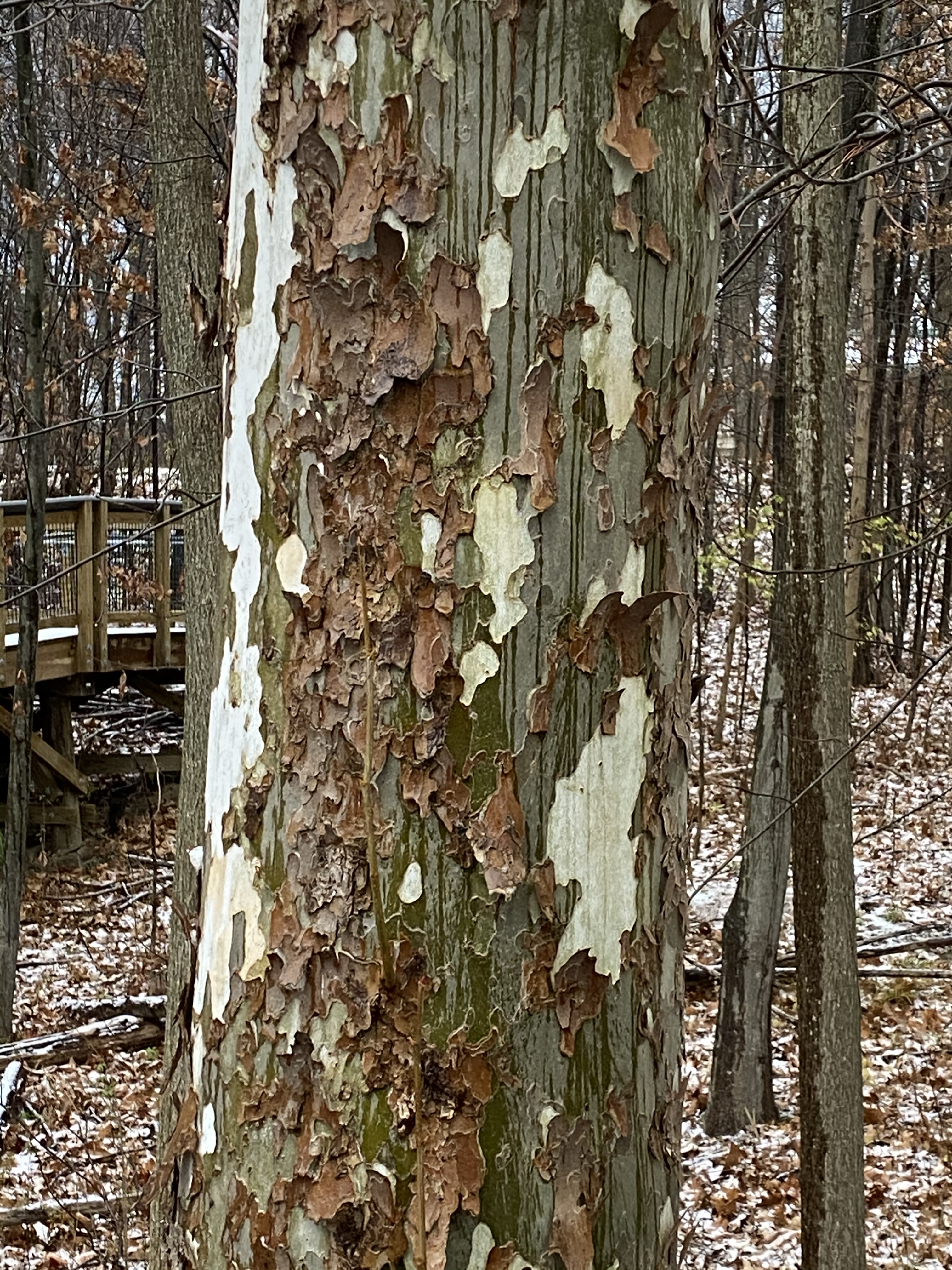
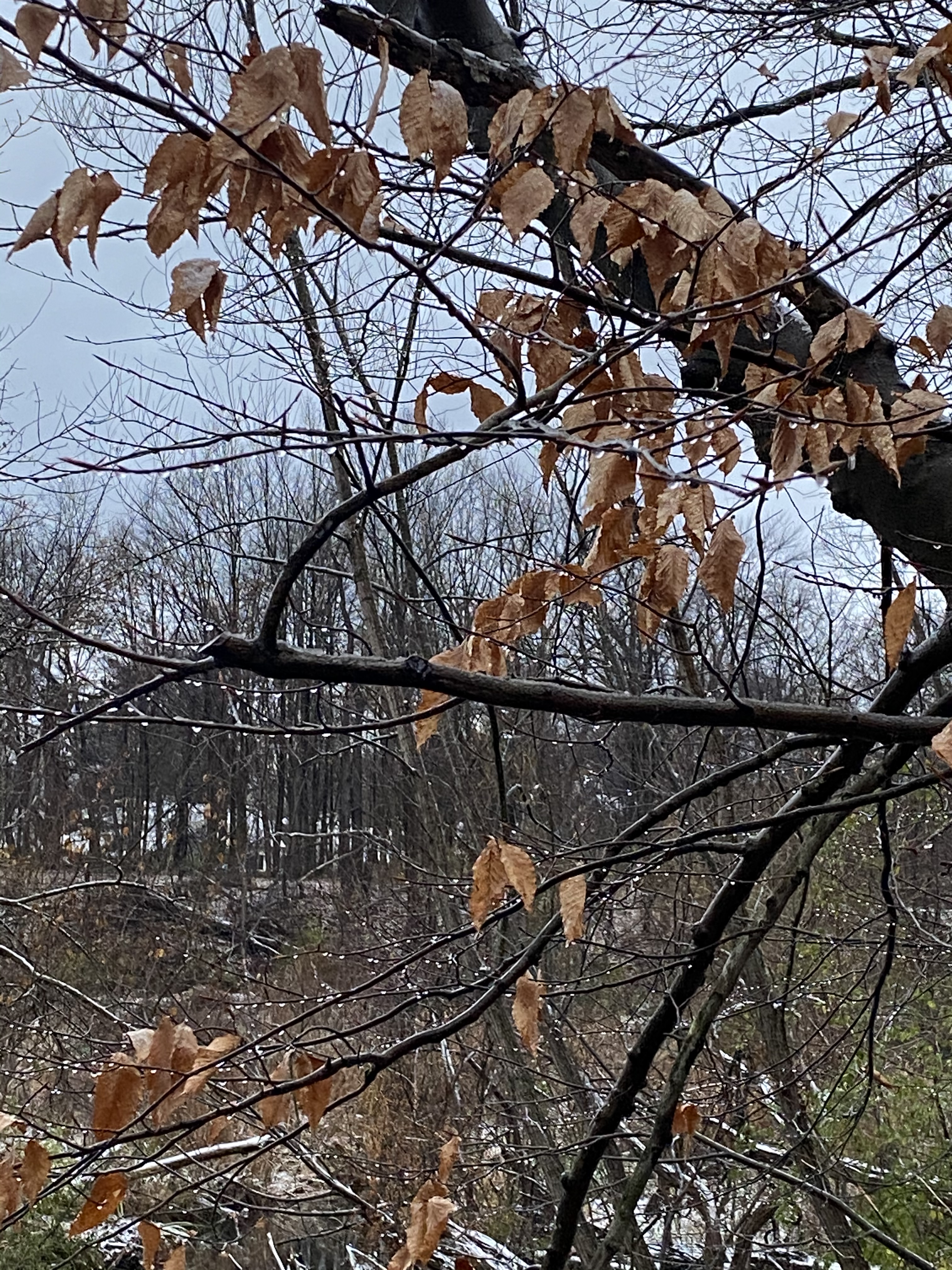
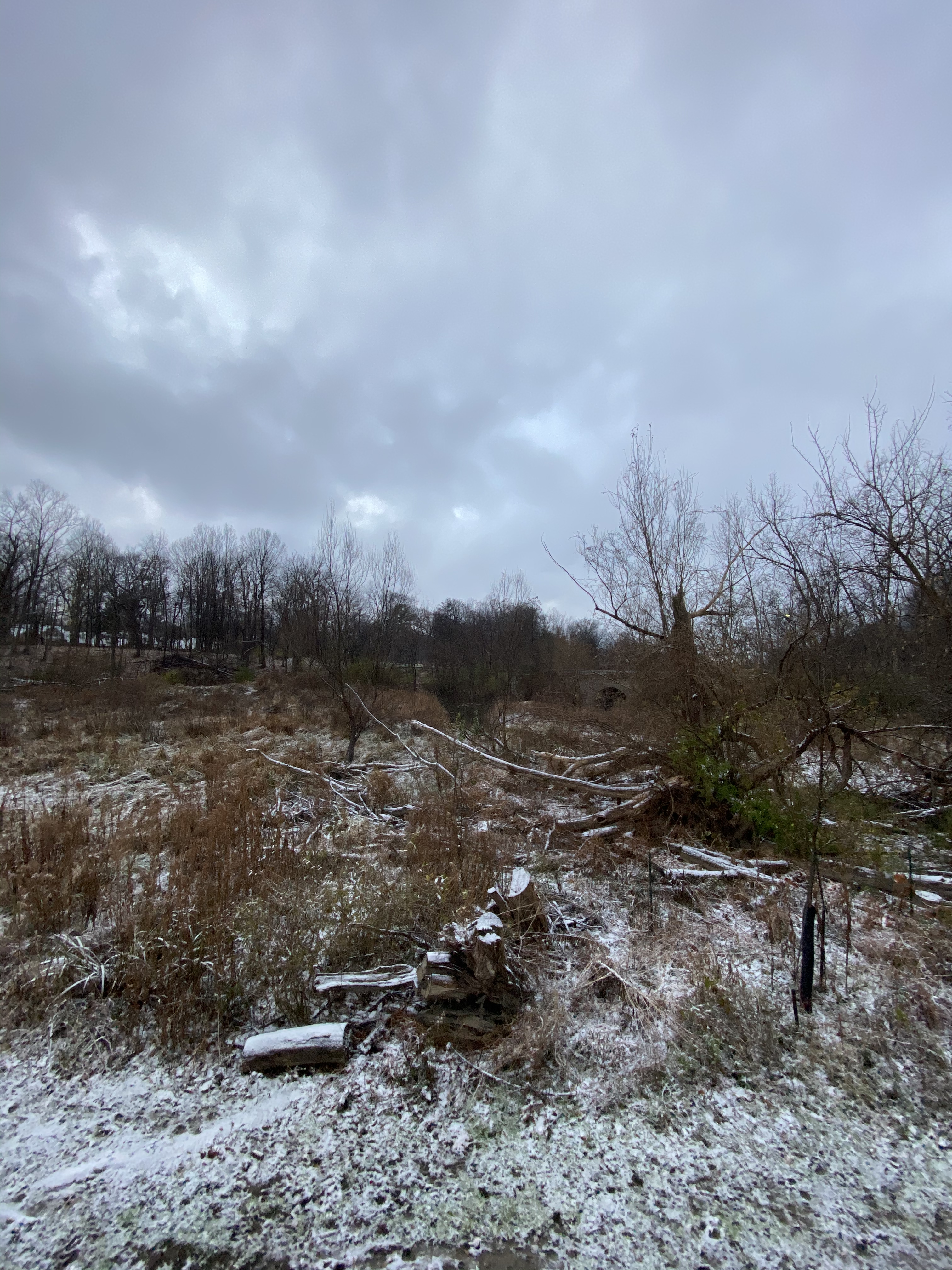
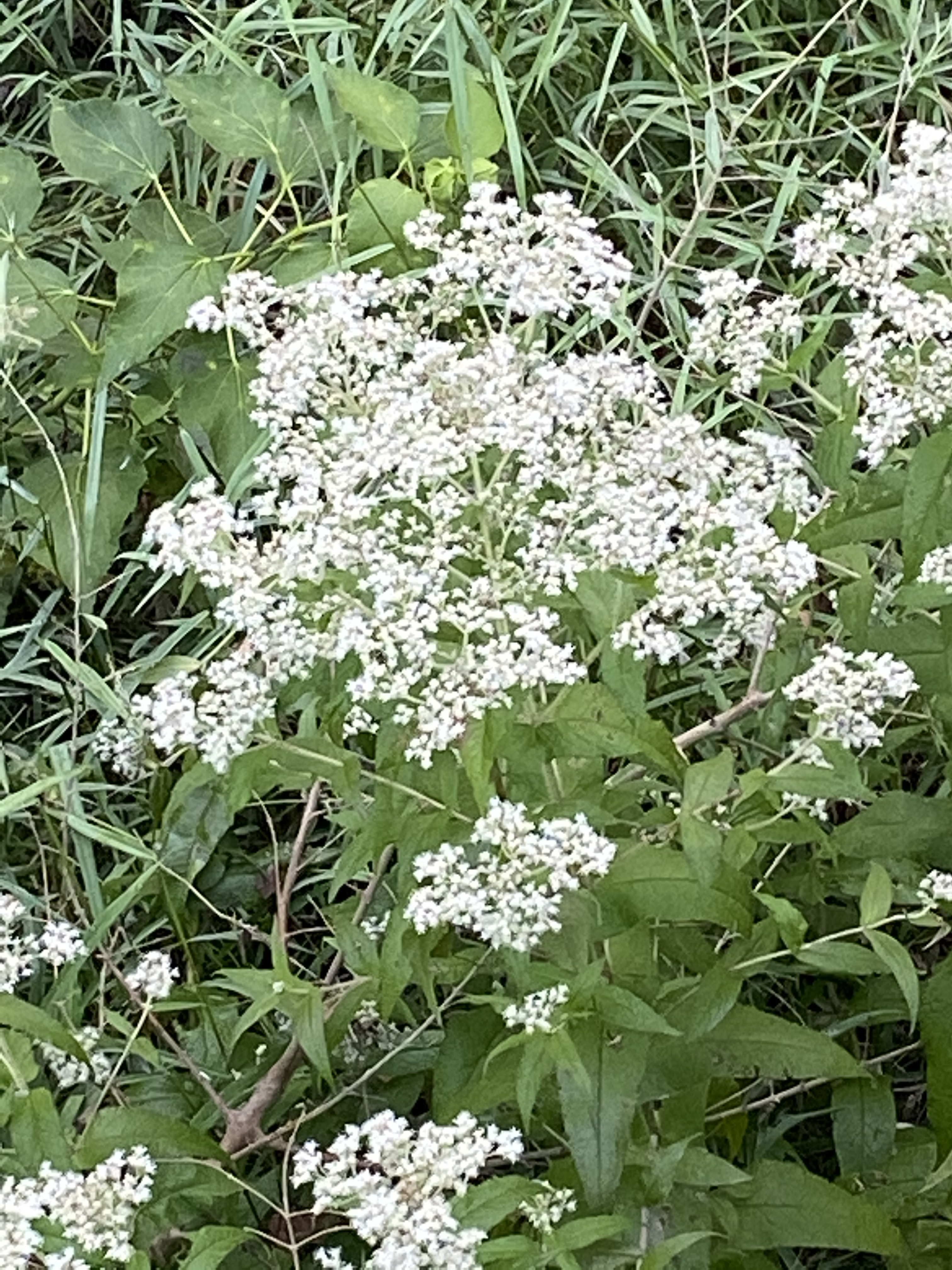
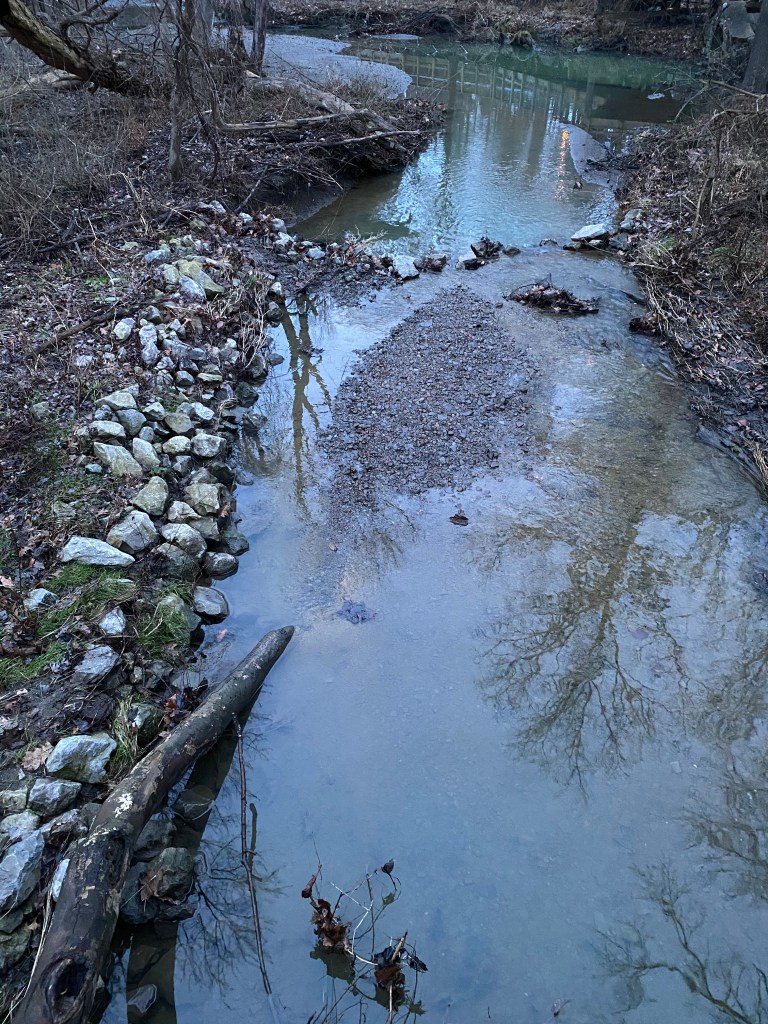
Thursday, January 14.  In Biblical Israel, by this time, most of the rain had fallen, sowing was done, plants were germinating, and the sap was rising in trees, their fruits setting for the season.  Here in the Great Lakes, of course, we are at the height of winter, weathering snow and ice, and hoping it won’t be too long before spring.  This year we wonder how long it will be until life returns to “normal” – and yet we celebrate new beginnings, with the rollout of vaccines, and with a change in the government of our country.

The month Shevat is indeed a time for renewed life and vigor: its energy, inner renewal.  According to our source Mindy Ribner, Shevat is a “hidden and mystical time of new beginnings and rebirth” – a time for “new inspiration and creativity” – an auspicious time to begin new projects. It is of course the month of Tu B’Shvat, this year on January 28th, the holiday celebrating the birthday of the trees.  According to our source Jill Hammer, our sage Rabbi Nachman of Braslav told us that every seed has an angel whispering to it:  “Grow, grow!”  May the newness of opportunity grow into real change in this new season of the trees.  —- Kirby (with apologies for the late post)

The next Rosh Chodesh walking meditation will be Rosh Chodesh Adar, NOTE CORRECTED DATE Saturday, February 13, at 7:30 am.  (We are taking a hiatus from full moon meditation for the winter).  Social distancing will be observed; please wear a mask.  Contact us for location.
Tevet 5781 טבת

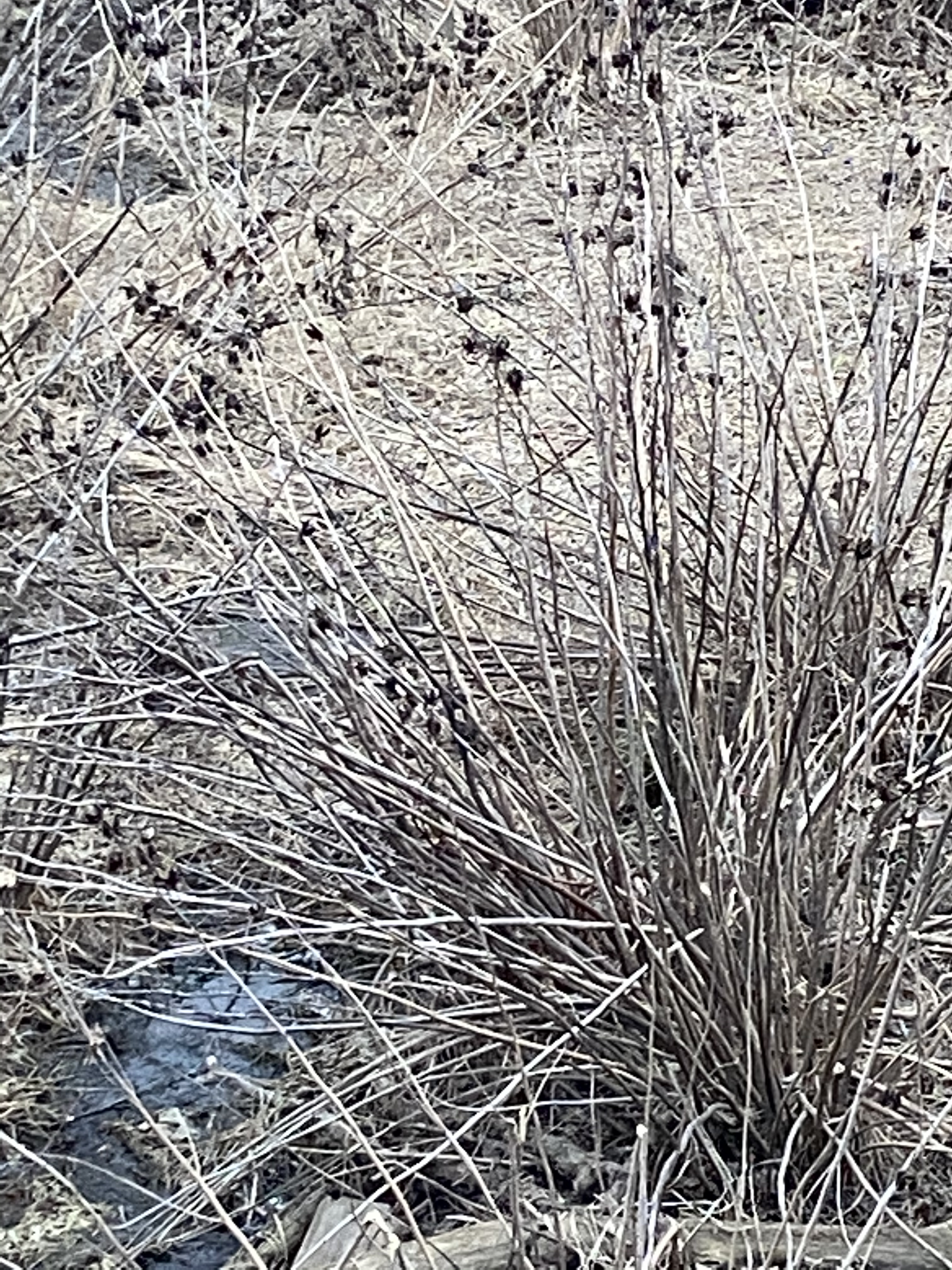
Wednesday, December 16. This morning we met in the cold, and were reminded once again of the “disconnect” between seasons of the year in the Great Lakes and the Middle East.  In Israel, this month is a time of sowing – and in Biblical times, wheat, barley, oats, lentils, peas, vetch and flax were planted. Here in the Great Lakes region, we are of course headed into five or six months of winter.

Today, the 1st of Tevet, is also the seventh day of Chanukah.  Every year we light seven candles as we usher in the new month of Tevet.  I came across an interesting reference last week, on our source Ritualwell, noting that in the Sephardic community, this day was a special one for honoring women and girls, known as Chag HaB’not (Festival of the Daughters). Special foods were eaten, served by the men. Ritualwell includes a beautiful Ladino rendition of Hallel, Bendigamos Al Altissimo, traditionally sung on this holiday. 

Bendigamos al Altísimo,

Al Señor que nos crió,

Démosle (a)gradecimiento,

Por los bienes que nos dió.

Alabado sea Su Santo Nombre,

Porque siempre nos apiadó,

Odu Ladonai ki tov,

Ki leolam jasdo.

Blessed is the One most high,

The One who created us,

Let us give thanks

For all of the good things given us.

Praised is the Holy Name

For always having mercy for us.

Blessed is Adonai who is good,

Whose mercy endures forever.[1]

While our group is not specifically focused on being a women’s circle, Rosh Chodesh is traditionally a holiday for women, so it is fitting that this day of Chanukah be a special celebration honoring women. Tevet is a dark, winter month, but it contains the winter solstice, the turning of the days toward ever-growing light.  May we all be immersed in light, through the end of the holiday, and through the month of Tevet, and look forward to the coming seasons in joy and celebration of G-d’s and the Universe’s mercy for us.  — Kirby

(Apologies for the late post)

We will honor the full moon of Tevet on Wednesday, December 30.  Our next Rosh Chodesh walking meditation will be Thursday, January 14.  Both meetups will be at 7:30 am.  Social distancing will be observed; please wear a mask.  Contact us for location.

[1] Translation adapted by K. Date. Ladino is a Jewish language for Sephardic Jews, a hybrid of Spanish and Hebrew, as Yiddish is the language for Ashkenazic Jews.  See https://www.ritualwell.org/ritual/bendigamos-al-altisimo; see also https://www.youtube.com/watch?v=d-F4o7gfoyA for a beautiful rendition by Sephardic music artist Judy Frankel. The Sephardic tradition is rich with songs sung by women in multi-part harmony. See other repertoire of Frankel and the Brazilian singer Fortuna.

Kislev 5781 כסלו

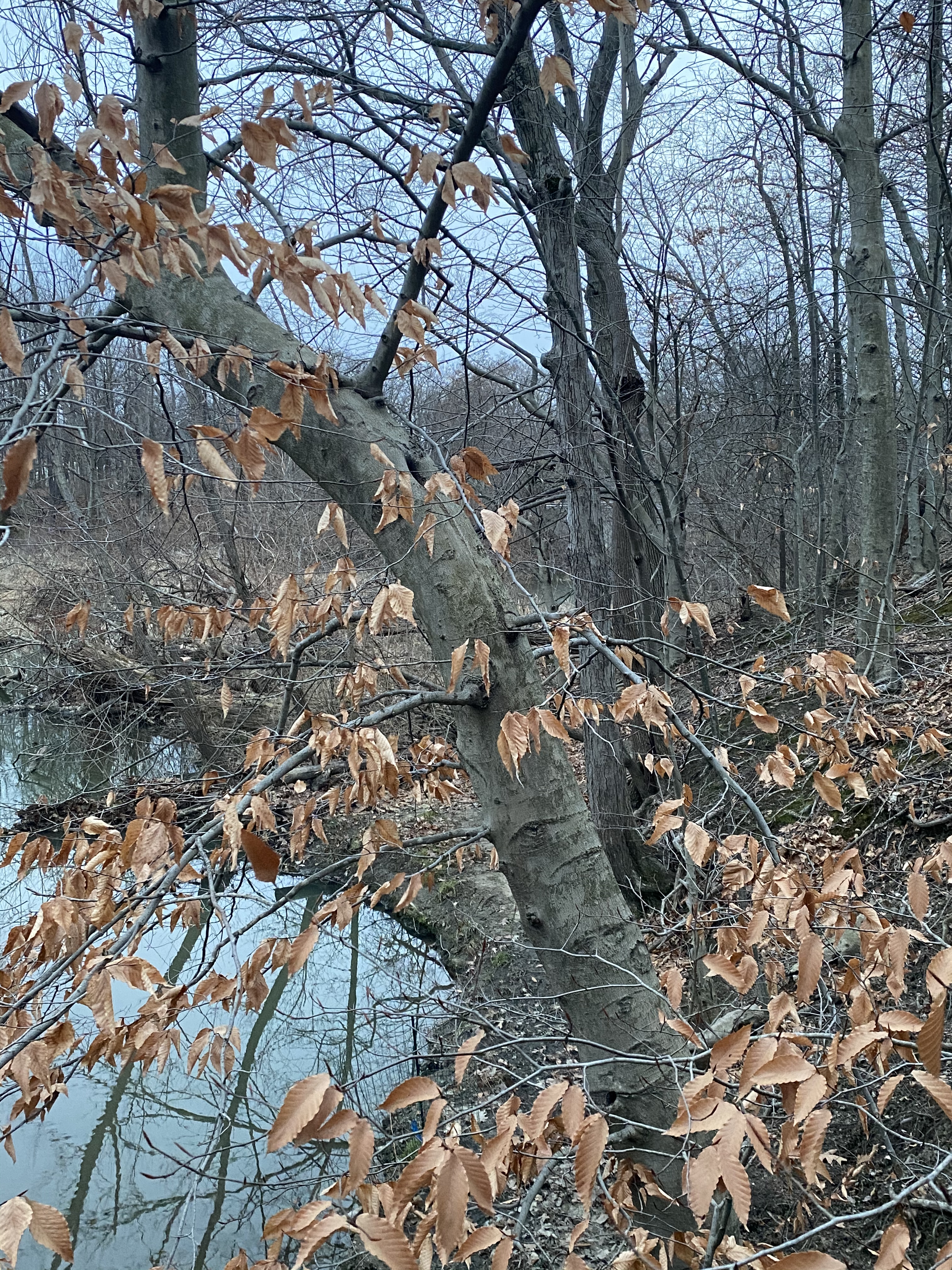
Tuesday, November 17.  Winter arrived suddenly this morning.  We stood in the cold sleet, in the dimness, talking of darkness and light, as snow settled on the marsh.  The darkness descends on us as we approach the winter solstice, and we could sink into sadness and anxiety.  But with hope, we light the candles of Hanukah, ever brighter as the week goes on, in faith that the light will return.

Kislev is the “month of dreams and stars”, a month of optimism actually, of expansiveness, confidence, faith in miracles, and hope for redemption.  The origins of this optimism are the miracle of Hanukah, where a faithful band of Jews defeated Greek oppression, and re-sanctified and rekindled the Temple lights with the tiniest amount of oil, which lasted for eight full days.  It is also found in the stories we read in the Torah this month, of our ancestors’ dreams and hopes.  Jacob saw angels climbing up and down the ladder to the stars, and wrestled with an angel under the stars.  Joseph dreamed of stars and sheaves of wheat, and interpreted Egyptians’ dreams while in Pharaoh’s court.  In both narratives, we learn of the optimism of the dreamers, and also the complexity of their dreams, and the families and society relationships of which they were a part.  Similarly, in our own time, this Kislev, we have reason for optimism, yet are also aware of the complexity and difficulty of going forward in a nation so divided.

In reflection, we talked of darkness and light.  The return of the days of darkness and light as the seasons move around the year; the arrival of dark November with its rain and bare branches; the inevitable light that will come with winter’s snow.  Our source Mindy Ribner advises us to kindle our faith and trust in the G-d this month, to give ourselves time to sleep and dream, and to celebrate our victories.  May we all settle into our homes, and kindle our fires and the Hanukah lights with joy, and optimism for the seasons to come. —Kirby

We will honor the Full Moon of Kislev on Monday, November 30. Please check e-mails, or be in touch with us, as inclement weather may cancel our meetup.   The next Rosh Chodesh will be Wednesday, December 16, rain or snow or shine.  Both walking meditations will be at 7:30 am.  Contact us for location. Social distancing will be observed; please wear a mask.
Cheshvan 5781 חשוון

Monday, October 19, 2020.  Today was dark and rainy at the marsh. As the weather gets colder, we head into Cheshvan, or Mar-Cheshvan as it was known, “Bitter Cheshvan”, due to its lack of holidays or special events.  Here in the Great Lakes, we also experience the month as bitter, because it is the month when the light visibly diminishes, and the depression of winter begins to set in. 

However:  in the Middle East, Cheshvan is planting time.  Nearer to the equator, the days are still long, and farmers spend the hours sowing seeds, wheat, barley and oats.  The rainy season comes, and nourishes the seeds, bringing us hope for a good harvest in the coming months.  How similar this is to our hope for the coming year – that our long trial of anxious waiting at home, and public work to effect change, will pay off in a more positive future, for our health and our country. We could use a little optimism.

Last week in the Shemini Atzeret liturgy, as Sukkot was ending, we recited a prayer for rain, following the tradition of our ancestors.  David Teutsch, in the Reconstructionist prayerbook Kol HaNeshamah, notes that rain is “a salvation symbol in our tradition”.  We prayed for rain to nourish the earth, for joy, blessing and wisdom from the Divine, and for a bounteous year:

With raindrops of Ancient light, illuminate the earth.

With raindrops of Blessing divine, please bless the earth.

With raindrops of Gleeful rejoicing, give joy to the earth.

With raindrops of Divine exultation, enrich the earth.

With raindrops of Heavenly splendor, give glory to the earth.

With raindrops of Wise assembly, let the earth be gathered.

With raindrops of Song and melody, make music through the earth.

With raindrops of Healing life, enable earth to live.

With raindrops of Timeless good, give goodness to the earth.

With raindrops of Your saving help, redeem the earth.

With raindrops of Caring nurturance, nourish the earth.

For You are the Fount of Life, our G-d, abundant in your saving acts, who makes the wind to blow and rain to fall.

For blessing, not for curse.

For living, not for death.

For plenty, not for dearth.[1]

As we hope for rain and abundance and goodness in the coming year, may our prayers be answered.  — Kirby

We will honor the Full Moon of Cheshvan on Sunday, November 1; and Rosh Chodesh Kislev on Tuesday, November 17.  Both walking meditations will begin at 7:30 am.  Contact us for location.  Social distancing will be observed; please wear a mask.

[1] David Teutsch et al, ed. Kol HaNeshamah, Shabbat Vehagim (Sabbath and Festival Prayerbook).  Reconstructionist Press:  Elkins Park, PA 2002, p. 233-234.

Tishrei 5781 תשרי

Saturday, September 19.  Cool and clear morning, deer and mallows in the marsh.  Not a lot of words this morning; we are all headed into the strangest Rosh Hashanah we’ve known, distant and without friends and relations, except on Zoom; and we lost a much-revered and beloved champion last night.  We are aware of the presence of evil, learning how it works, what it sounds like, smells like.  When it seems like everything is as bad as it can be, it gets worse.  How can we go forward into this New Year with anything like the usual joy of holiday and tradition? The Fountainheads’ joyful celebration seems too much to bear.[1]

Our source Jill Hammer has a glimmer of hope for us, in her drash on the first day of the first month of the year, Tishrei:

In autumn, as leaves are withering, it is hard to believe life will ever grow again.  Yet beneath the earth, the cycle of life is beginning.  The wrinkled seed, buried after harvest, waits to sprout.  On Rosh Hashanah we discover that we too can blossom even after we have withered.

A legend tells that on Rosh Hashanah the Divine made the barren matriarch Sarah fertile, and she conceived from her husband Abraham.  We read the story of Isaac’s birth on the new year to celebrate this seeding of life.  Sarah, 90 years old, is like the soil of autumn:  outwardly dry and barren yet inwardly fecund.[2]

We talked later of the battle between good and evil, the seeds of the New Year, the ever-going resilience of nature, and our hope for the changes to come.  May we all find hope in the seeds we are planting, lying dormant while we work to prepare the soil for the year to come. —Kirby

We will honor the Full Moon of Tishrei on Friday, October 2, 2020, Erev Sukkot.  The next Rosh Chodesh walking meditation will be Monday, October 19, for Rosh Chodesh Cheshvan.  Both meetups will be at 7:30 am; contact us for location. Social distancing will be observed. Please wear a mask.


[1] See https://www.youtube.com/watch?v=FlcxEDy-lr0&list=RD_OULnzcWaJQ&index=20

[2] Rabbi Jill Hammer, The Jewish Book of Days, p.29.  See “Sources” tab for full citation.

Elul 5780 אלול

Friday, August 21, 2020.  This balmy morning, warm and bright, amid rose-mallows pink and white in the marsh, we began the month of Elul with the sound of the shofar.  Linda’s thoughtful dvar helped us begin the important work of this month –  as we approach Slichot and the High Holy Days, we try to look back at our year, and look inward, evaluating our personal weaknesses and mistakes, in a way that allows us to do better in the coming year. “Teshuvah”, the return of our focus to becoming our best selves, is part of this process. Acknowledging the topsy-turvy nature of our lives amid pandemic and upheaval, Linda reminded us to judge ourselves for good, and remember to care for ourselves in the self-evaluation.

And she brought us some helpful word from our source Alan Lew (z”l):

So while we are conducting spiritual inventory during Elul, we might begin by asking ourselves, What are the loose ends in my life? How is my mind torn? Where are the places my mind keeps wanting to go?  What is the unfinished business in my life? What have I lefty undone? When we look out at the world through a torn mind, our experience of the world is torn.

In some cases we might decide that it’s just time to let go – to recognize that we are distracted by something that will never be completed – and in some cases, we might decide the the only cure is in fact completion; that there’s nothing for it but to tie up that loose end, no way to keep our energy and focus from constantly draining away from the present-tense reality of our actual experience except to finish that which remains unfinished. …..

Better to simply strip … desires of their romance and then watch them for a month before acting on them, before taking them to yourself.  And what better time to do this than the month of Elul, the month we are supposed to devote to the regular cultivation of self-awareness, the month in which we being the process of Teshuvah by shifting our gaze from the world outside to the consciousness through which we view that world.  Certainly desire is a significant component of that consciousness, perhaps the most significant component.

So this is something else we can do during the month of Elul.  We can devote a bit of time each day to locating our own particular belle dame sans merci, to identifying whatever desire has distorted our lives, the beautiful delusion for which we’re thrown everything away, or for which we stand ready to do so, in any case.[1]

May we all find some steadiness in the cycle of the seasons this year, the return of Elul and the High Holy Days as they have returned for millennia, and as they will return next year – and may we be kind to ourselves and others as we turn inward in a topsy-turvy world. — Linda and Kirby


We will honor the Full Moon of Elul on Wednesday morning, September 2.  Our next Rosh Chodesh walking meditation will be Rosh Chodesh Tishrei, Rosh Hashanah, Saturday morning, September 19. Both meetups are at 7:30 am.  Social distancing will be observed.  Contact us for location.

[1] Alan Lew, This is Real and You are Completely Unprepared, pp 80 and 91.  See “Sources” tab for full citation.

Av 5780 אב

Wednesday, July 22, 2020.  As we have discussed in past years, Av is the month of calamity and intensity – commemorating many a tragedy on the ninth of Av, “Tisha B’Av”, in particular the destruction of the first temple in Jerusalem, and then the second, when the City fell to ferocious enemies.  The breaking of our hearts in sadness and self-awareness of our faults is a common theme – and helps us to begin to prepare for the High Holy Days. Av also has its joyous side, with “Tu B’Av”, the fifteenth of Av, at the Full Moon, sometimes called the Jewish Sadie Hawkins day, where the inviters become the invited amid dancing and festivities, and marriages often result.  Av is therefore a roller coaster of ups and downs, tragedy and deep joy.

This year we are in a time of calamity that seems as if the challenges will not end. We have plenty of fear, sadness, regret and anger to process.  Perusing our source materials yesterday evening, I came across a wonderful story from the Talmud, courtesy of Rabbi Jill Hammer.  The Rabbis describe the travel of the Shekhinah, the spiritual essence of the divine, recognized in Judaism as the feminine aspect of G-d, as she moves from her home in the temple, perhaps upon its destruction, into the wilderness:

The Shekhinah made ten journeys:  from the Ark to the cherub, from the cherub to the other cherub, from that cherub to the threshold, from the threshold to the courtyard, from the courtyard to the altar, from the altar to the roof, from the roof to the wall, from the wall to the city, and from the city to the mountain, and from the mountain to the wilderness.  From the wilderness, She arose and sat in Her place.[1]

Hammer imagines the Shekhinah being chased away from Her home by evil forces, or perhaps escaping to Her Place of silence, unpredictability, natural beauty, and waiting.  I think of how many of us are spending more and more hours outdoors, our place of escape when gathering indoors is less than healthy – and our place of solace when so much in our world is so difficult.  May we all expand our time in the wilderness in the coming months, as we begin the journey to the High Holy Days — and may we find a place of silence, unpredictability, natural beauty, waiting – and joy. — Kirby


We will honor the Full Moon of Av on Monday morning, August 3.  Our next Rosh Chodesh walking meditation will be Rosh Chodesh Elul, Friday morning, August 21. Both meetups are at 7:30 am.  Social distancing will be observed.  Contact us for location.
[1] Babylonian Talmud, Rosh Hashanah 31A, cited in Jill Hammer, The Jewish Book of Days, p.358. See Sources tab for full citation.


Tammuz 5780 תמוז


Tuesday, June 23, 2020.  The morning was cool and wet – a contrast with weather in the Israel, this time of year! – however our social and civilized world can seem like it’s on fire – so the lessons of Tammuz are just as relevant.

Summer sun, summer heat — summer parched soil, wilted leaves, dried-up streams.  Our source Jill Hammer reminds us that in the summer in the middle east, there is even more of a sense of threat and death, as it is the time when crops can fail due to insects, drought, excessive heat, or storms. Every year at this time we acknowledge the intensity of heat and bright light of this month, illuminating the truth of our lives, and intensifying the negative emotions of anger, grief, and jealousy, and our sense of menacing threat, and overwhelming sadness.

And yet:  both Rabbi Hammer, and our source Alan Lew, emphasize the importance of releasing and transforming negative energy during the summer, in order to prepare ourselves for the redemption and rebirth, in the New Year in the fall.  The 17th of Tammuz begins a 3-week period of mourning, which lasts through the 9th of Av in the coming month.  On the 17th of Tammuz, we commemorate multiple tragic and catastrophic events in our history – when Moses descended from Mount Sinai with the tablets, only to break them upon seeing the Golden Calf; three times when the walls of Jerusalem were breached, before the city fell three weeks later. The deaths of Miriam and Aaron reportedly happened in Tammuz; the Biblical rebellion of Korach led to death of thousands of our people in the desert. The legends of our people include many more such calamities, laid on top of each other until it seems that we can’t begin to process them all.

We do process them, however, with fasting, prayer, and public mourning.   In traditional Jewish communities, this is a time of intense weeping and irritability.  But these negative emotions do not sink us into despair:  instead, we pray, we fast, we weep and tear our clothes together, and in so doing, transform the negative into clarity of vision, and commitment to do better.

I can’t help but think of the waves of catastrophe after catastrophe in our world this year – from the deaths and suffering of our brothers and sisters in shocking racist violence, to a global pandemic bringing down the most vulnerable, to fires in the West – to economic hardship, political strife, rampant blind ignorance.  We are angry, we are in mourning.  We could so easily descend into despair and hopelessness.  But instead:  we pray together, we fast together if it helps, we mourn together – and we transform our negative energy into action – and in so doing, we make a difference.  Whatever action we take, may it come from a heart that is broken in response to catastrophe – and transformed as we share with others the hope and promise of working together to right the many wrongs in our lives, and in our world. — Kirby


We will honor the Full Moon of Tammuz on Tuesday morning, July 7.  Our next Rosh Chodesh walking meditation will be Wednesday morning, July 22. Both meetups are are at 7:30 am.  Social distancing will be observed.  Contact us for location.
Sivan 5780 סיון


Sunday, May 24, 2020.  The morning was beautiful – greenery filling the woods, the brook gurgling, the sky clear.  The marsh has transformed with wildflowers and birds. We were especially appreciative, given the long winter, and the long deprivation of human interaction in which we are still immersed. We have decided to meet more often to be able to drink in each other’s company (in social distant safety, of course), and the company of nature. See further notes below.

This month Stephen presented us with his thoughts.  He discussed three themes in the month of Sivan– Shavuot, the Book of Ruth, and Rebellion.  The holiday Shavuot is the main event in Sivan – a commemoration of the giving of the Torah to the Israelites and their acceptance of it. The Torah, the Judeo-Christian founding document, established a framework for morality and conduct of life that pervades our society.  As Jews, we recognize the importance of questioning and discussing that framework.  On the evening of Shavuot, a whole night of study right through till dawn the next day, known as “Tikkun Leil Shavuot”, is devoted to exploring and illuminating the implications of the text. A recent such study session explored the biblical injunction in Genesis for humankind to have dominion over every living thing – an imperious attitude toward the environment whose negative consequences we bear now. We discuss, and frame a new understanding. Our act of faith is accepting the Torah – and arguing with it.

The Book of Ruth is read on Shavuot.  The heart of the story – Ruth the Moabite accepted the faith of her Israelite mother –in-law, Naomi, and clings to her on her return to her Israelite kinsmen. There are many explanations given for the reading of Ruth on Shavuot. The most quoted reason is that Ruth’s coming to Israel from Moab, with Naomi, took place around the time of Shavuot, and Ruth’s acceptance of the Jewish faith of Naomi was analogous of the acceptance by the Jewish people of God’s Torah.

The rebellion of the Israelites in the wilderness is described in the Torah portion (Sh’lach) we read at the end of Sivan. It is a story of rebellion, blackmail and punishment.  12 spies went out to reconnoiter the promised land — 10 came back with a report so bad that it panicked the Israelites to the extent that they wanted to go back to Egypt. G-d was so furious He threatened to destroy the Israelites, but Moshe negotiated a reprieve – instead, the Israelites were punished by being forced to wander for 40 years in the wilderness. All died before reaching the promised land — except for the two spies, Caleb and Joshua, who had kept the faith and come back with a good report.

The common theme in all three of these topics is faith and constancy – our faithful engagement with the Torah; Ruth’s faithful acceptance of her mother-in-law’s Jewish faith; Caleb and Joshua’s faithful optimism that G-d’s promise would be fulfilled.  Not to mention Moshe’s faith that the Israelites would overcome their resistance to a better future.  How appropriate that we are in Sivan this month – as the greenery returns to us after a long winter without fail, and the first harvest of grains is gathered in Israel.  May we continue in faith through the trials of the pandemic, our time of isolation and loss – and communal care – with hope for a better future, all of us together. Chodesh Tov!  — Stephen and Kirby


Rosh Chodesh Cleveland continues to meet throughout this time of social distancing, by following safe guidelines as we meet outdoors and walk alone in meditation.  We are experimenting this summer with meeting twice a month, at both the Full Moon and the New Moon. Our next gathering at the Full Moon (Keseh Sivan) will be Sunday morning, June 7, 7:30 am.  Our next New Moon gathering (Rosh Chodesh Tammuz) will be Tuesday morning, June 23, 7:30 am.  Please contact us for details.

Iyyar 5780 אייר

Saturday, April 25, 2020.  We met in our “new normal” this morning, faces masked, each of us leaning against a wide-spaced gazebo post. It was nevertheless a beautiful morning, clear, and reassuring to be in each others’ presence.  The virus that surrounds us was not far from us and our conversation, but we talked of resilience, and discipline in compassion, our loved ones and those affected by the current crisis not far from our thoughts.

Linda brought us some helpful thoughts for the month.  According to our source Mindy Ribner, Iyyar’s energy is of healing — the body, heart and soul.  In purification and clearing contamination, we let go of what does not support our well-being. The Torah readings this month are concerned with “ta’ameh”, or ritual impurity – removing it from our homes, or demolishing homes that cannot be purified.  The Torah also speaks of the necessary separation of community members who are afflicted, and the community’s celebration of their return.

Of course we can recognize our current concern with physical and bodily cleanliness against viral contamination – but we also can consider this idea on a deeper level, thinking about the purification of our reactions and responses to stress, within ourselves, and within our relationships. How can we care for ourselves and our relationships, perhaps honoring the reaction of which we are less than proud, and working toward healing?

Iyyar is also the month which is entirely within the counting of the Omer – the forty-nine days between Passover and Shavuot.  According to Kabbalistic tradition, each of the seven weeks has a theme or intention for meditation, and each day of each week has its intention laid over that.  (See our source Simon Jacobson for day-to-day meditations).  Yesterday, the sixteenth day of the Omer, was the day of “discipline in compassion”.  How that resonates for those of us who are managing family needs in close quarters at home, trying to progress with work and home schooling, or keeping our lone selves to a schedule that will allow us to carry on a semblance of normality!

The Omer allows us to count, one day at a time, the progress of time from the leaving of Egypt to the receiving of the Torah at the foot of Mount Sinai.  May we travel together through this month, keeping our loves ones and those in need in our hearts, one day at a time, finding healing and revelation in the present moment, discipline and compassion, walking toward the month to come. — Kirby

The next Rosh Chodesh walking meditation will be the first day of Sivan, Sunday, May 24, 7:30 am.  Rain or shine! Contact us for location.