Av 5783 אב

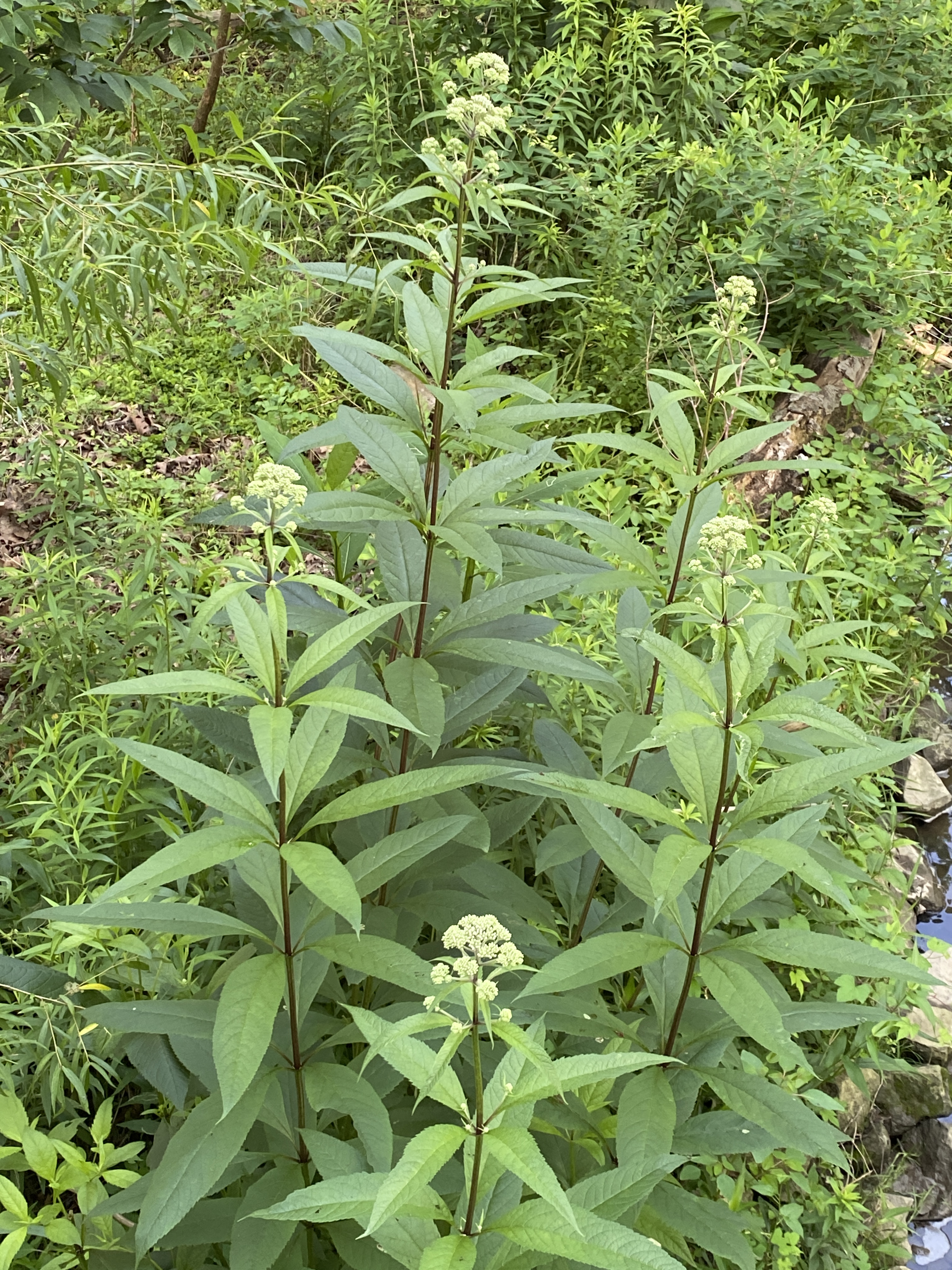










Wednesday, July 19, 2023. What a gorgeous morning, bright and clear — an abundance of growth and flowers in the marsh — and we were greeted by two young male deer with their new velvet antlers, and a wild turkey near the picnic shelter[1]. Of course, we are lucky along the Great Lakes. In the Middle East and elsewhere, the temperatures are scorching, more suited to the theme of the month, the summer’s heat penetrating us and illuminating the truth.
At the first of Av, we are in the midst of the “three weeks” – the period between the 17th of Tammuz, which commemorates the breaching of the walls of Jerusalem (by the Babylonians in 423 BCE and the Romans in 70 CE), and the 9th of Av, commemorating the day that the First and Second Temples were destroyed respectively. Several other tragedies in Jewish history are also remembered in this period of mourning and sadness. During the three weeks, which begin and end with a fast day, observant Jews abstain from pleasures and joys such as weddings and dancing, and make an effort to mourn and remember the experience of our ancestors in a time of trauma, loss and upheaval. Our prophet Jeremiah imagines our mother Rachel, weeping for her children, at this time[2].
I recently read an article (also available in podcast) by Negin Sairafi on the role of grief and mourning in our lives. She explores the ways that grief takes us to the core of our human selves – navigating times of loss, change, and transformation. “Like love, grief is a single word used to describe an ocean of experiences.”… “It shows up to remind us of the people and things we’ve never had or will never have. It exists in relation to the past, the present and the future.” And, she adds, “Feeling our grief, accepting our grief and sharing our grief, is the first step toward healing our grief. I see grief as a transformative tool which can, and often does, carry us into deeper, more realized versions of ourselves. I think of grief as the silent and invisible energy that puts one hand onto another, and says, you can get through to the other side of this, together.”[3]
Ms. Sairafi opens the article with the statement, “what we need most in turbulent times, … is a deeper understanding of our human experience.” Tisha B’Av is often cited as the first step in the cycle of Teshuvah, evaluating our Selves, repenting and returning, that culminates in the High Holy Days. It seems fitting that three weeks of mourning and grief might open us up to the truth of our lives and others’ experiences, and turn us toward each other. Chodesh tov! – K Miriam
Our next Rosh Chodesh walking meditation will honor the month of Elul, Friday morning, August 18, 7:30 am. Rain or shine! Contact us for location.
[1] Thank you to Louise for the sunlight, deer and wild turkey photos!
[2] See Jeremiah 31:15
[3] See Negin Sairafi, podcast Growing Wise, episode 17: “The Healing Power of Grief.”
 Rosh Chodesh Cleveland
Hello, when and where is the next Rosh Chodesh walk?
Thank you, Natalie
LikeLike