Sivan 5784 סיון

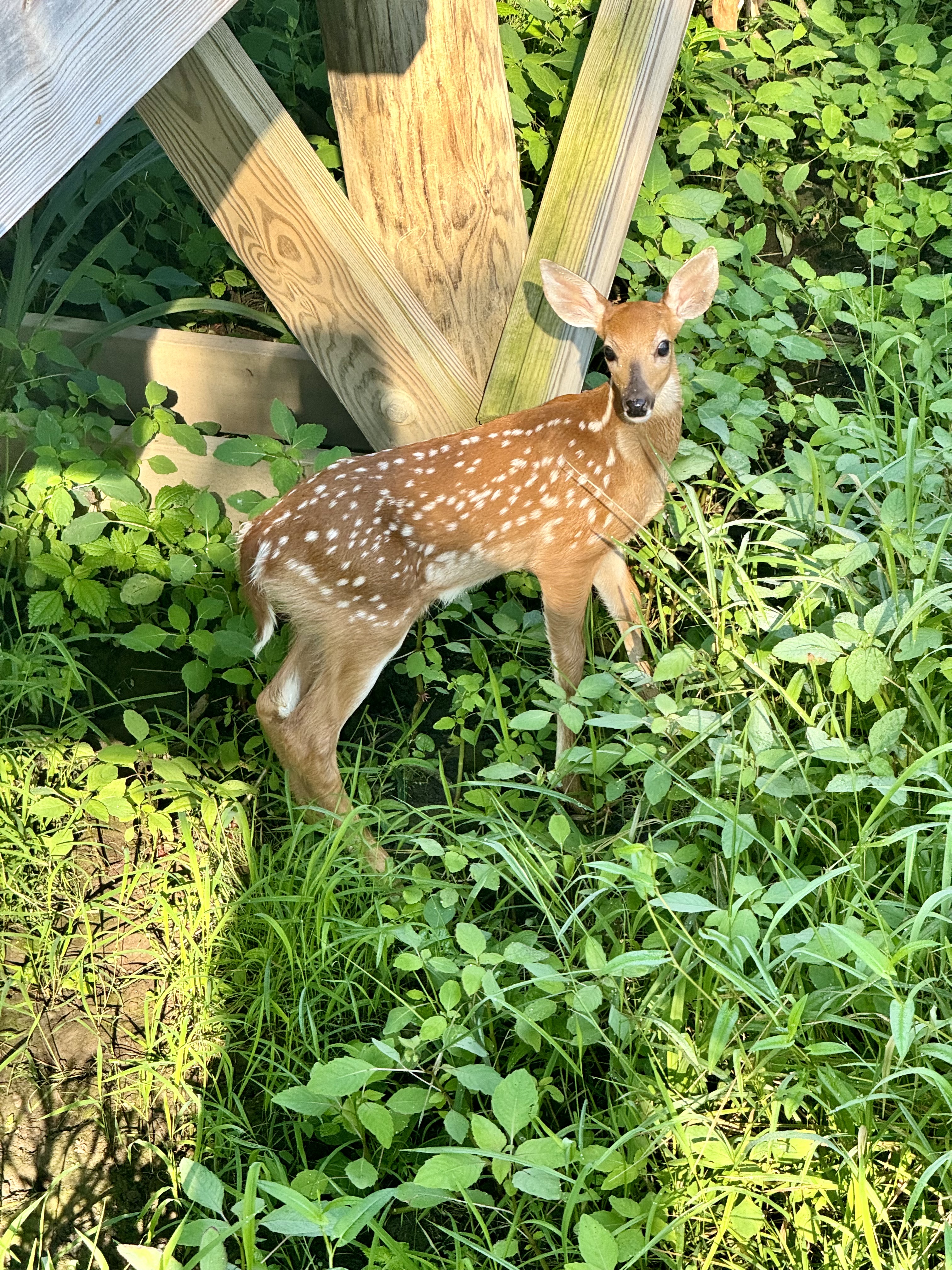
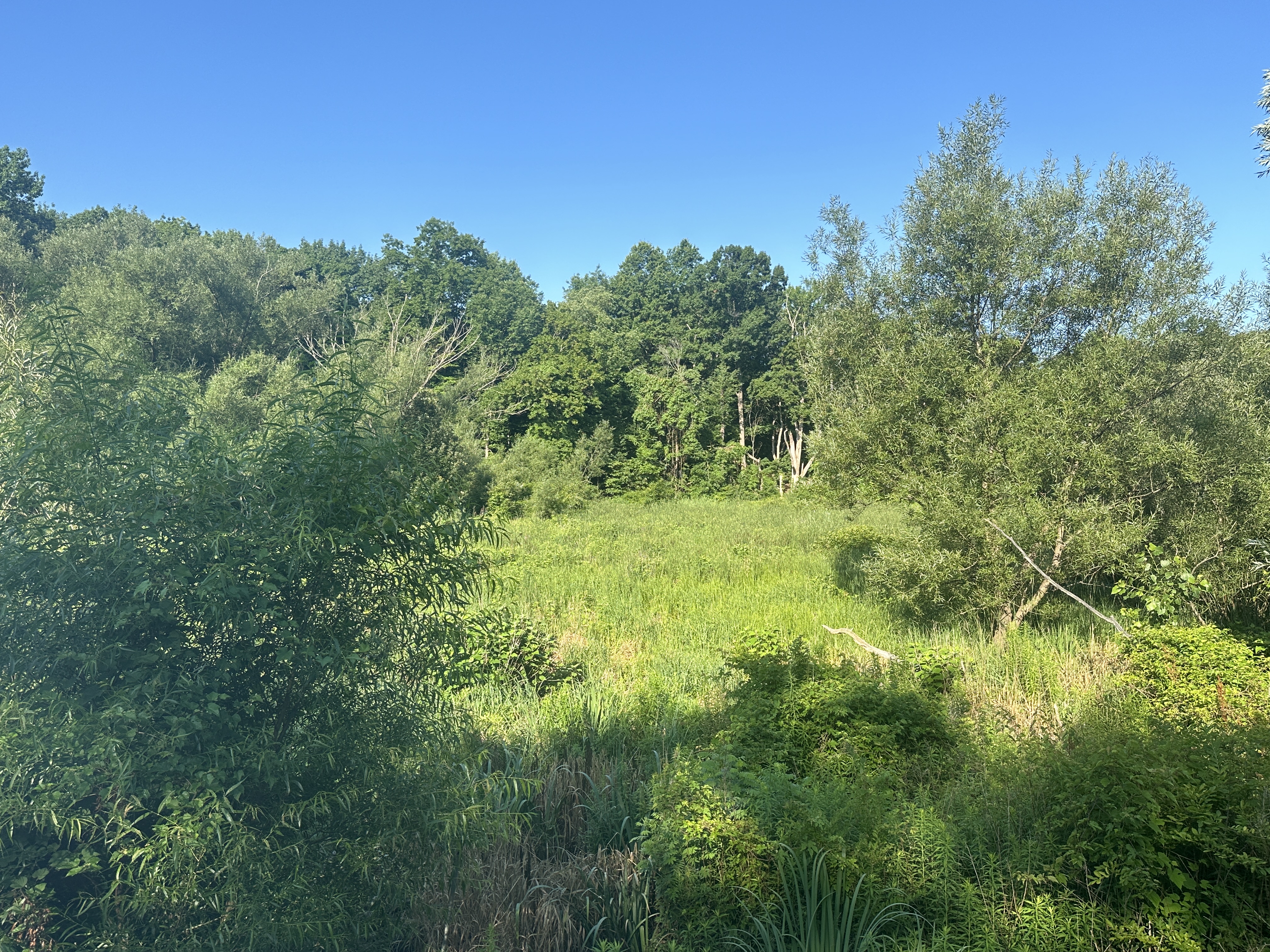
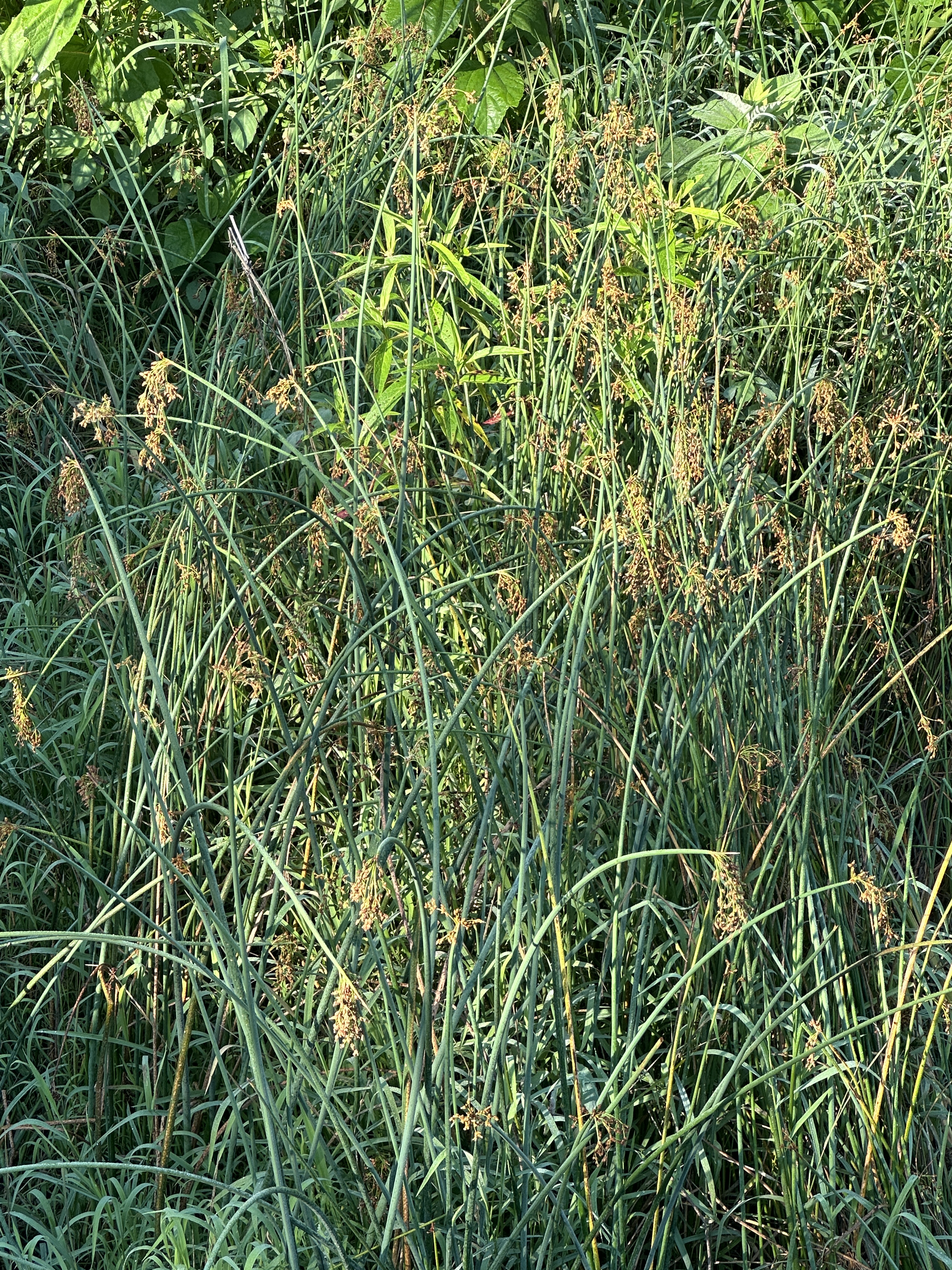
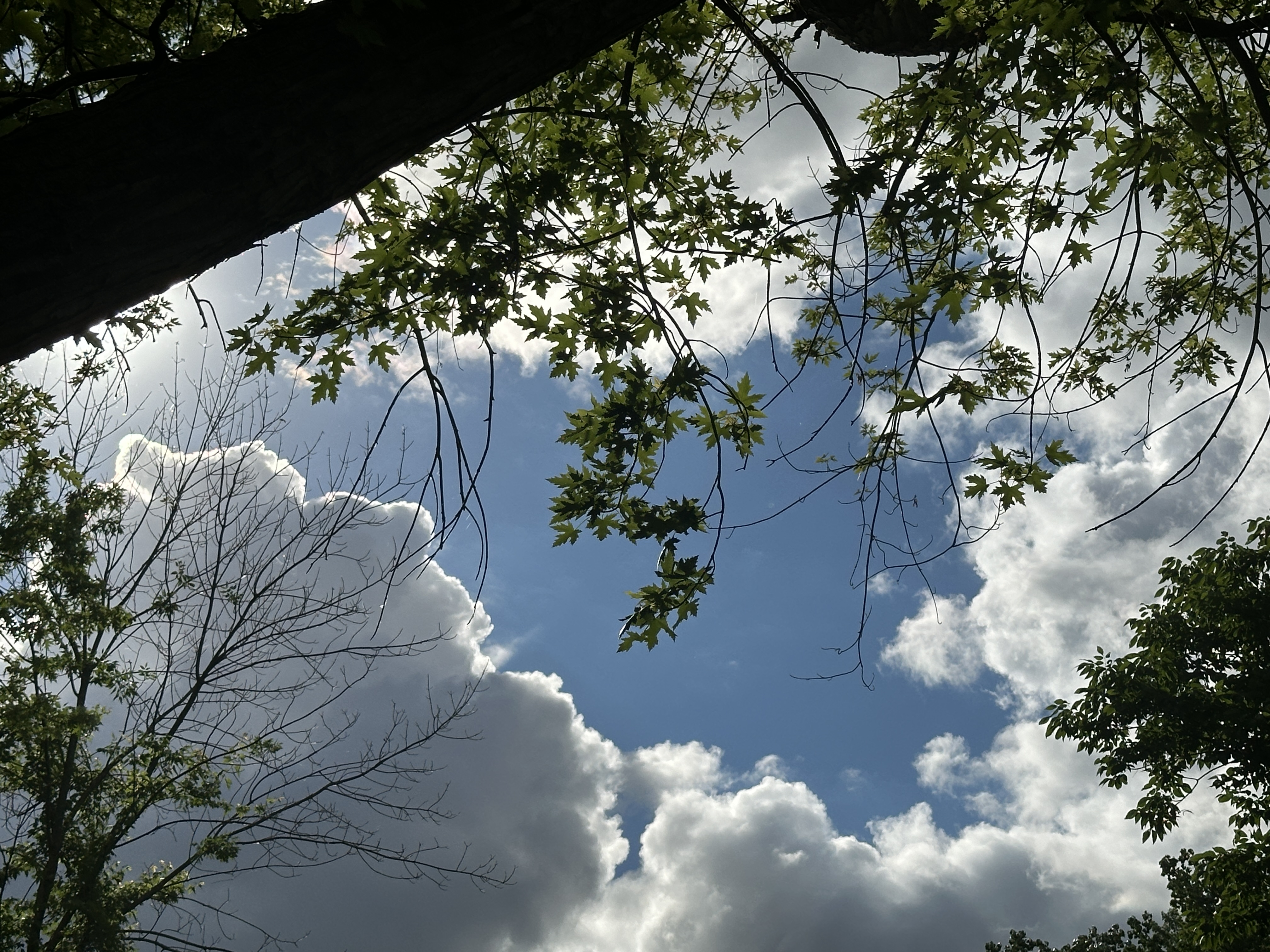
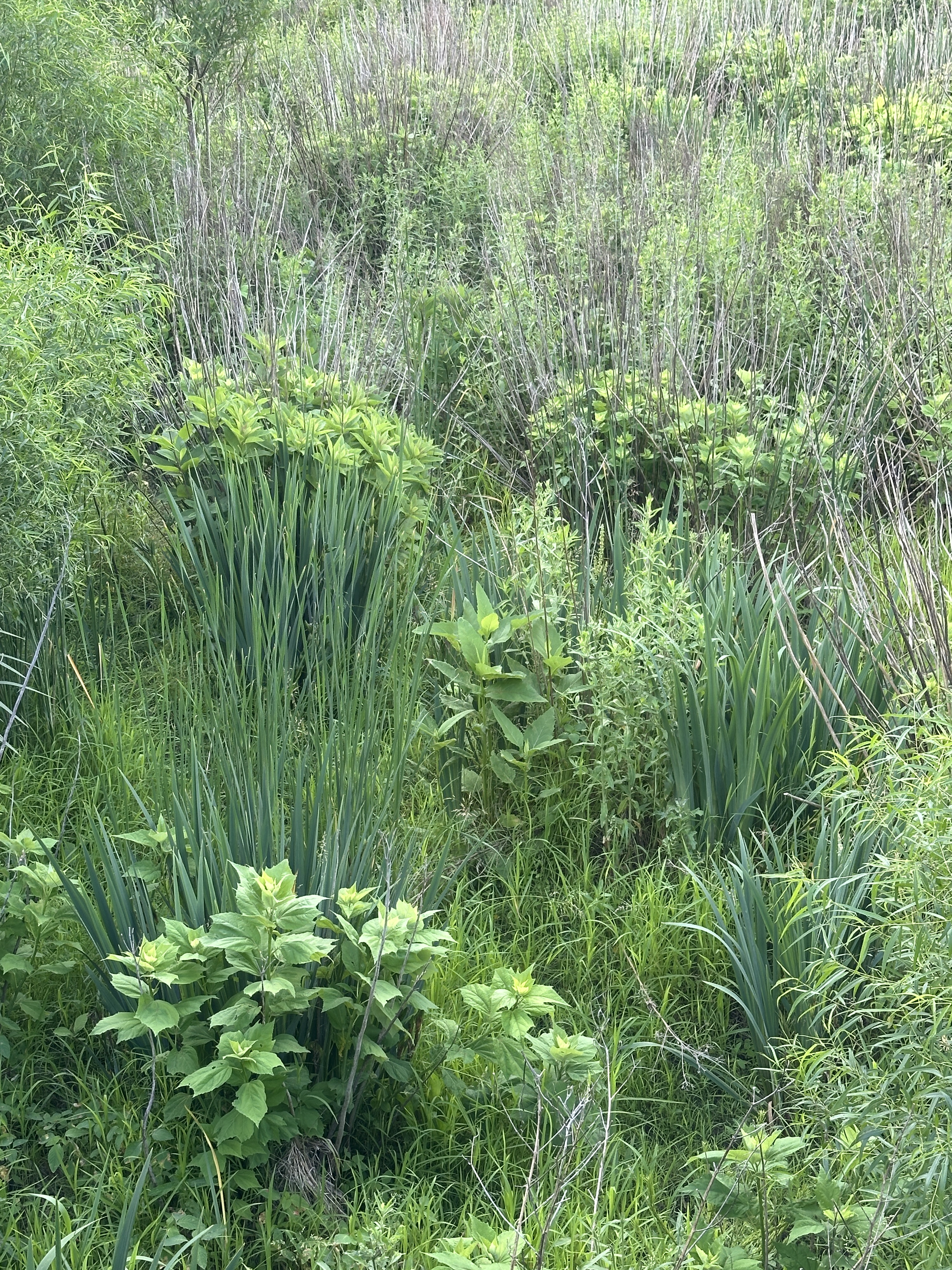
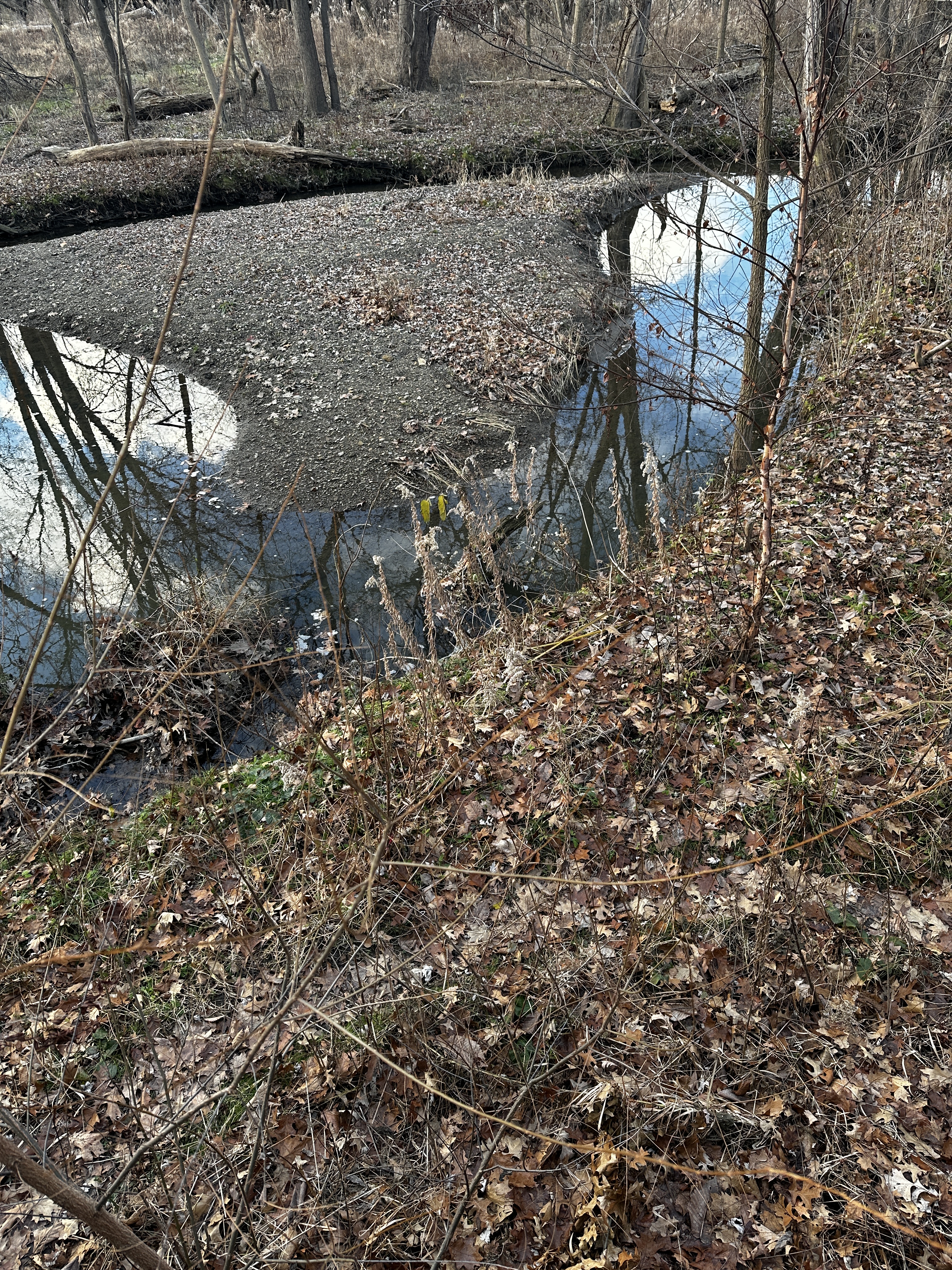
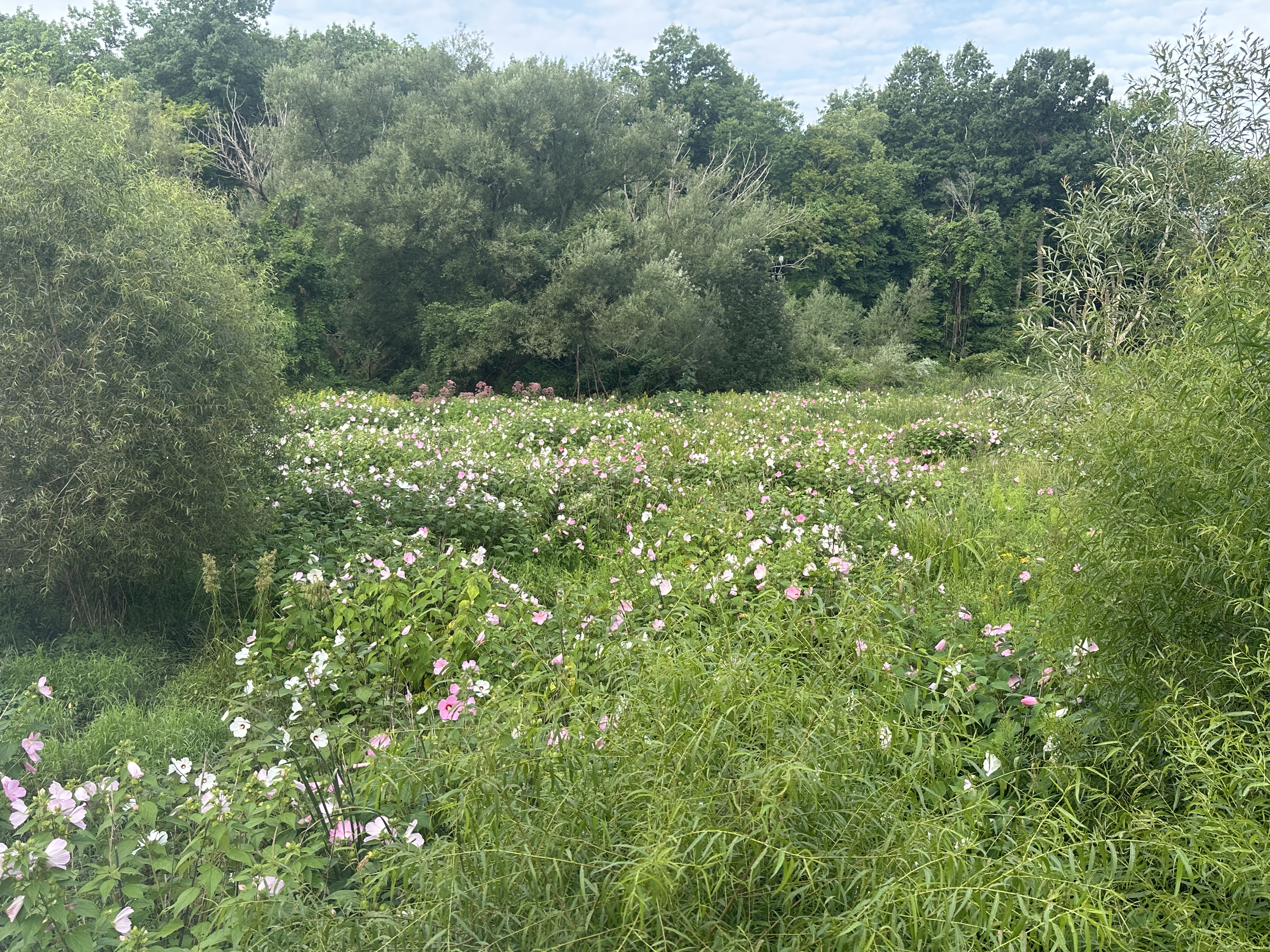
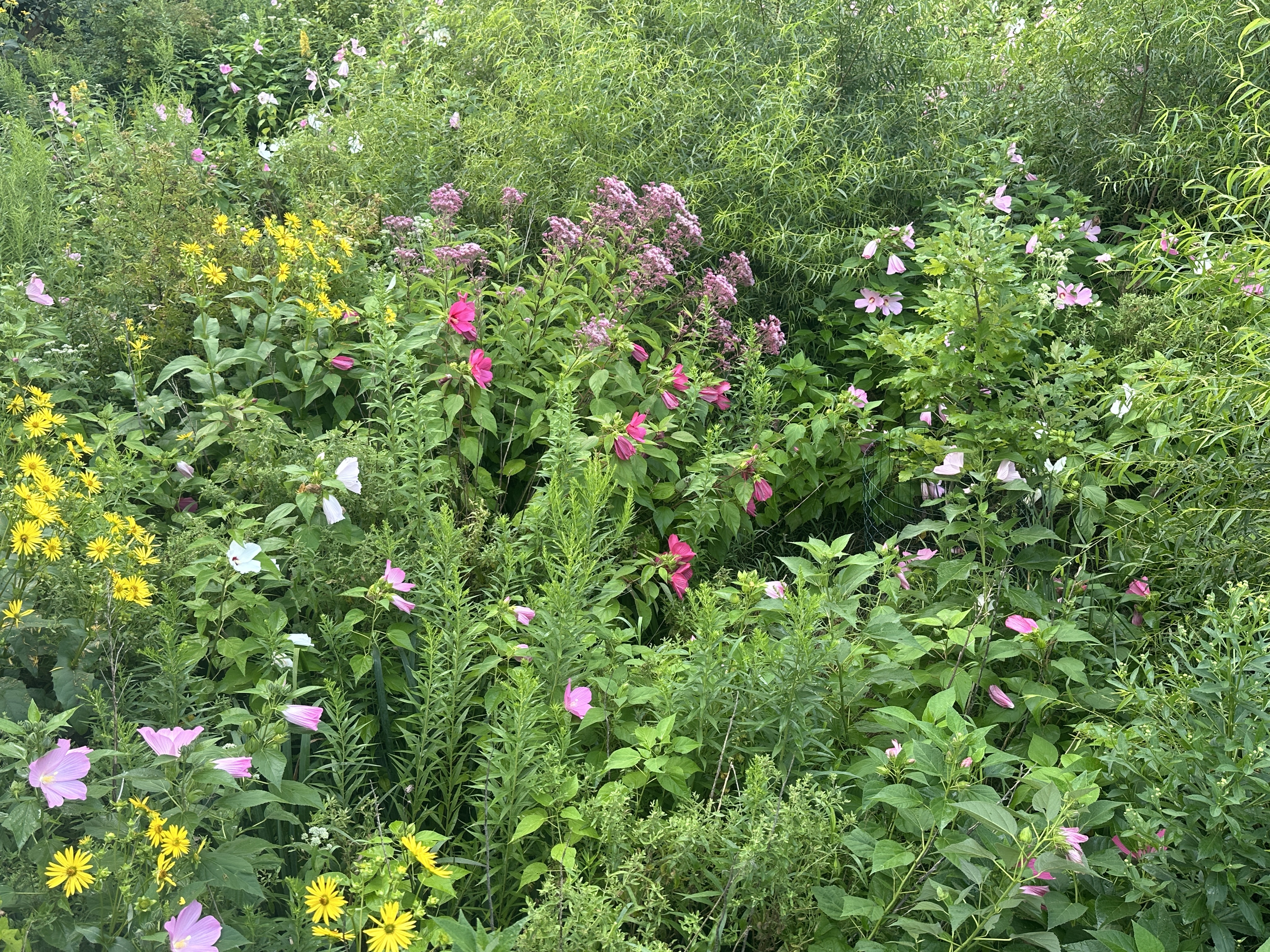
Friday, June 7.  What a glorious morning, cool, and the bluest sky! We were dressed in jackets and sweaters, and the wind picked up as we walked, bringing in clouds – this time of year on a Great Lake, you feel the lake’s presence, even on the heights above it!

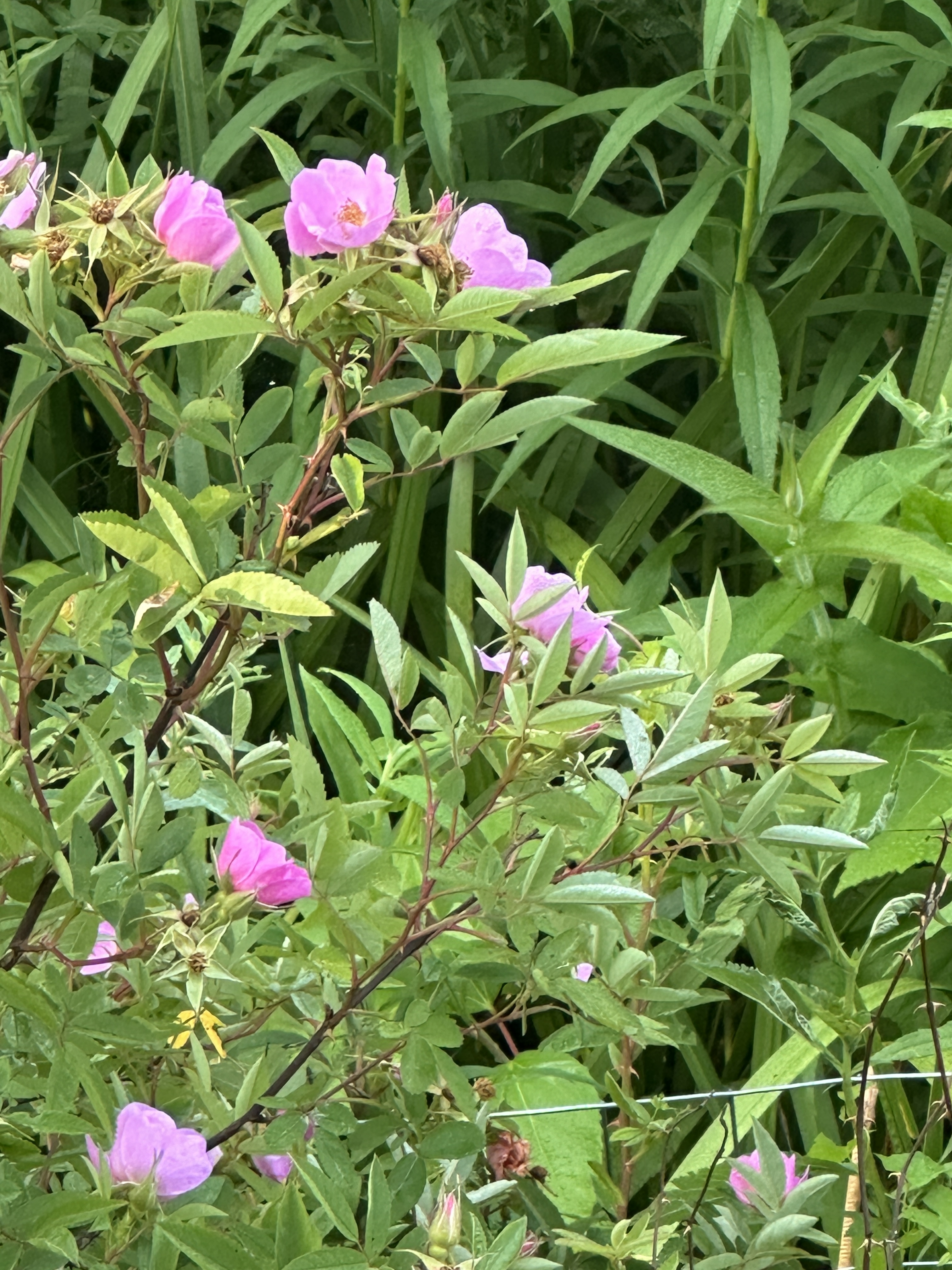
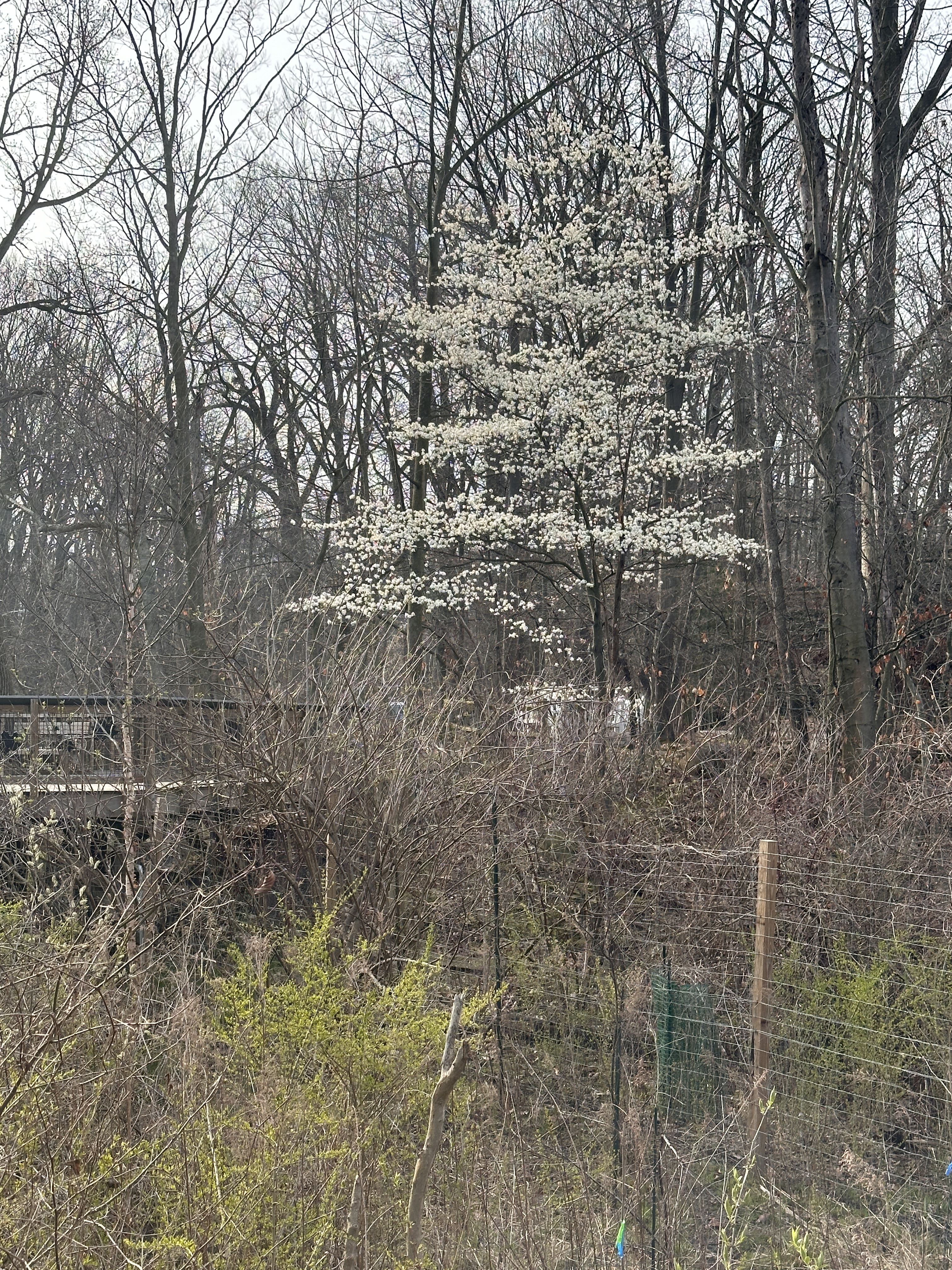
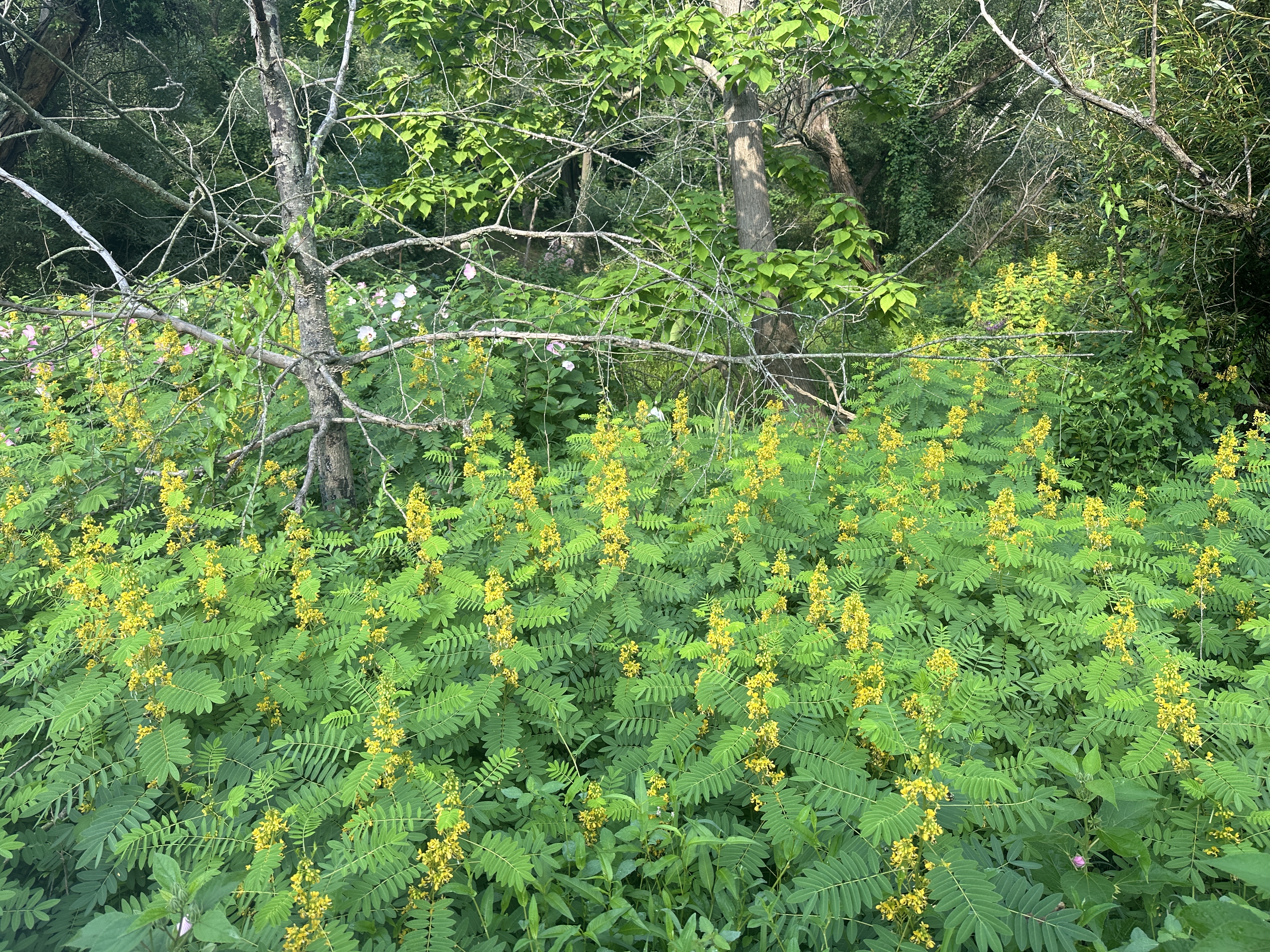
Sivan is a beautiful month, a month of roses and peonies, and trees in flower and setting fruit.  At my house we have robins in the shadbush tree just outside our windows, fighting over berry rights.  Our walking group talked about Sivan as a month of creativity, in its rightful sense as a receiving of divine inspiration.  Just as we received the Torah at Sinai, commemorated in our Sivan holiday Shavuot, we receive the energy and power and beauty of the universe, flowing through us as we create. Whether we make art or music or write, nurture children or a garden, host friends for dinner or warm conversation – our creativity makes us human, and links us to the divine.  We are inspired with the ideas we receive, and we are given the strength and artistry to carry them through. The result is truly praise for G-d and the Universe.

The ugliness and evil in our world can overcome us if we allow it.  It is difficult to imagine pouring forth our selves in creation.  But this month especially, we are commanded to do so, in praise and in joy — and in so doing, to help each other, and create the setting and energy for a better world.  May it be so, Chodesh Tov! — K. Miriam

Our next walking meditation will honor the month of Tamuz, Sunday, July 7, 8:30 am. Rain or shine! Contact us for location.

Iyyar 5784          אייר

Thursday, May 9, 2024.  (Posted on June 6). It is almost Sivan, and I am finally back from travels and able to take a few minutes to acknowledge the month.  Many thanks to my co-coordinators Linda and Stephen who led our walking meditation at the beginning of Iyyar, four weeks ago!

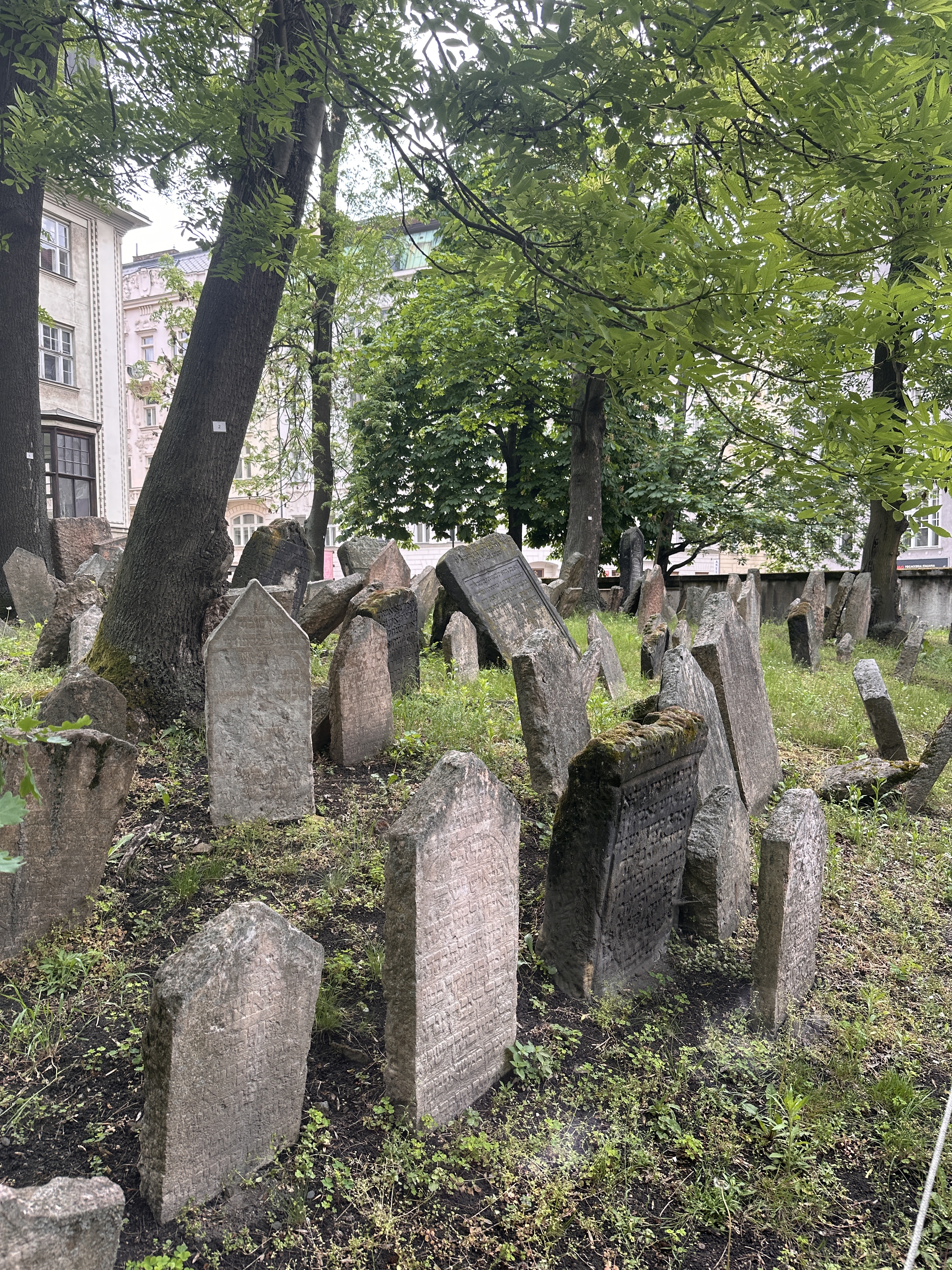
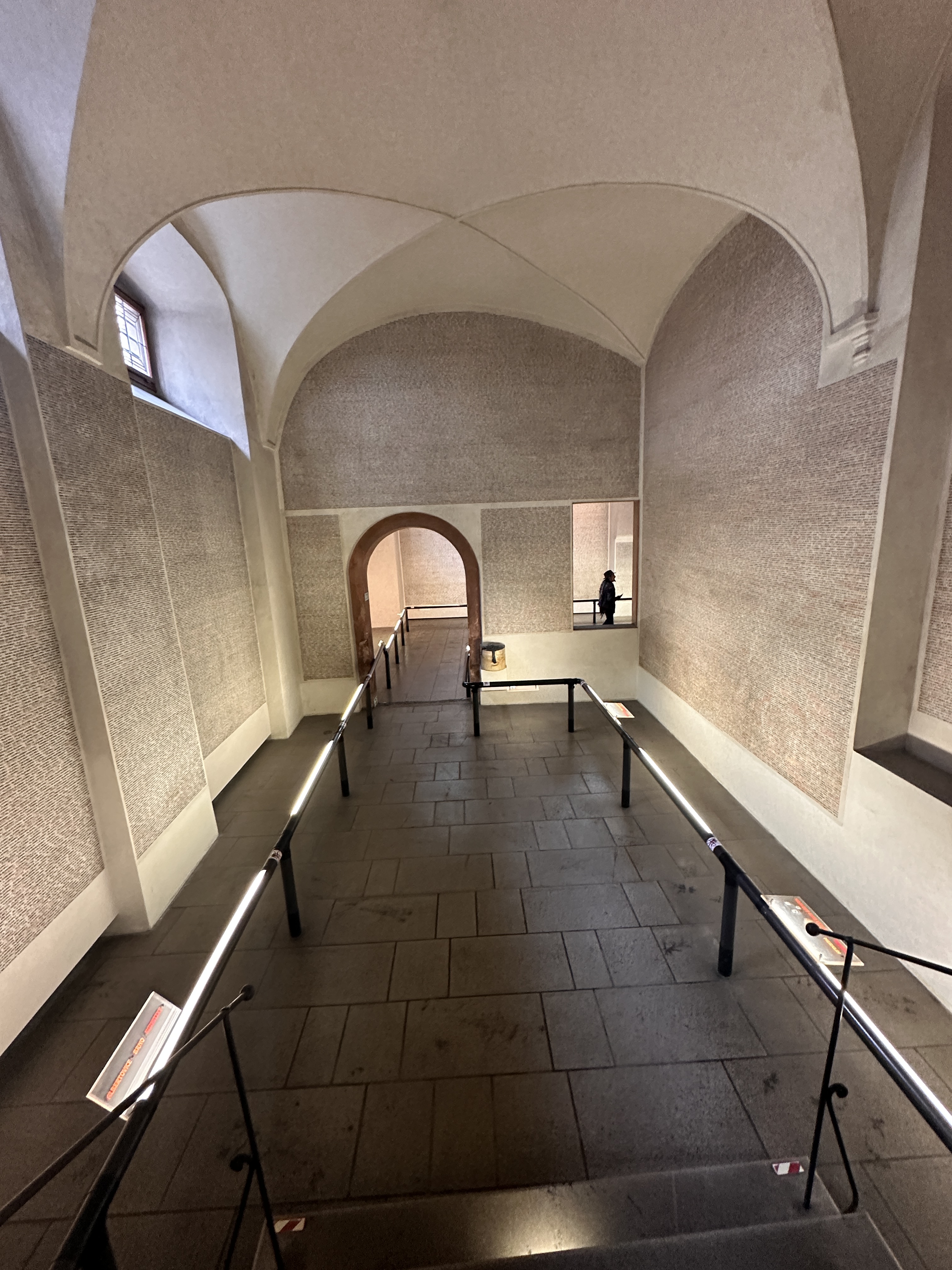
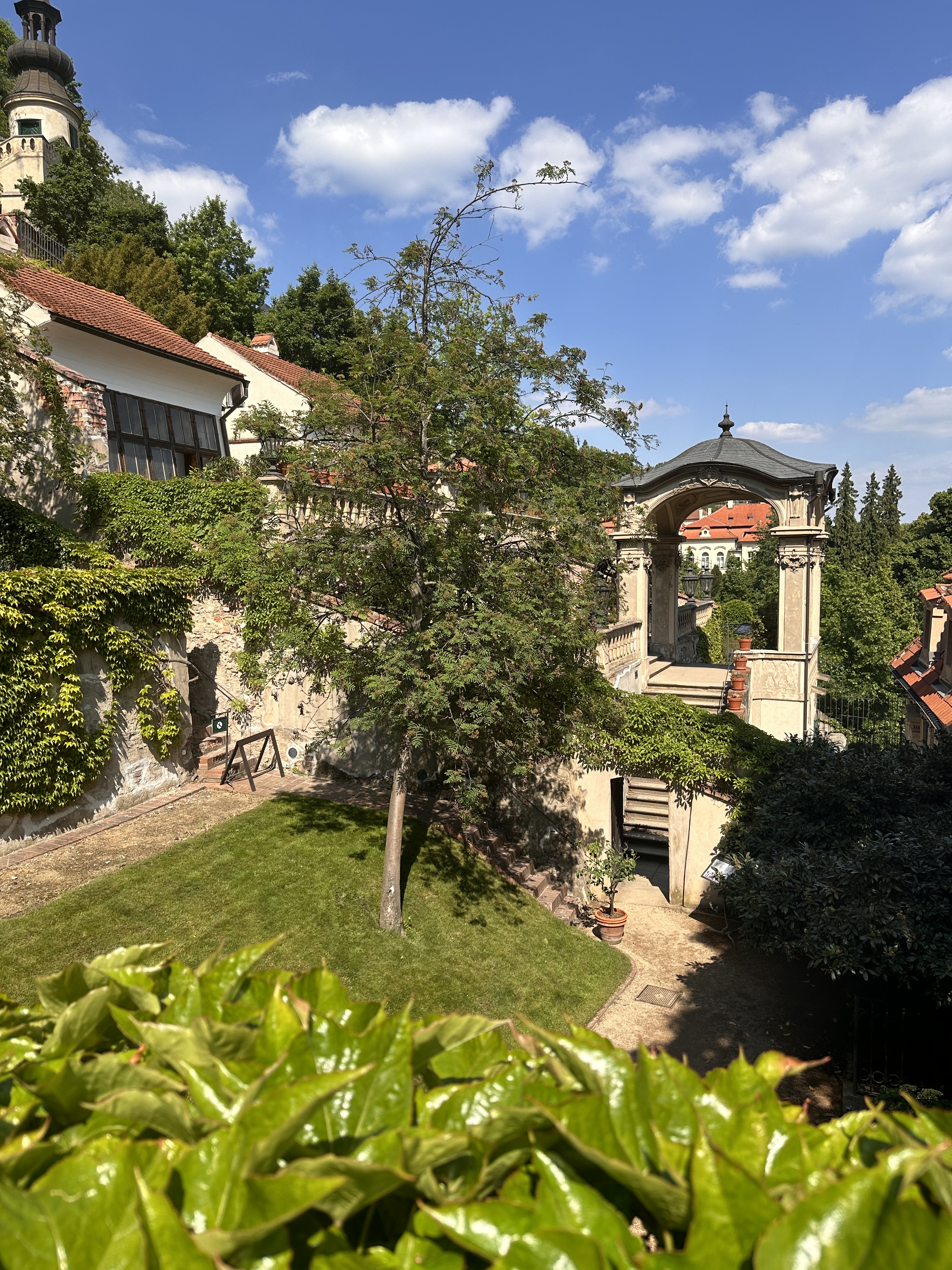
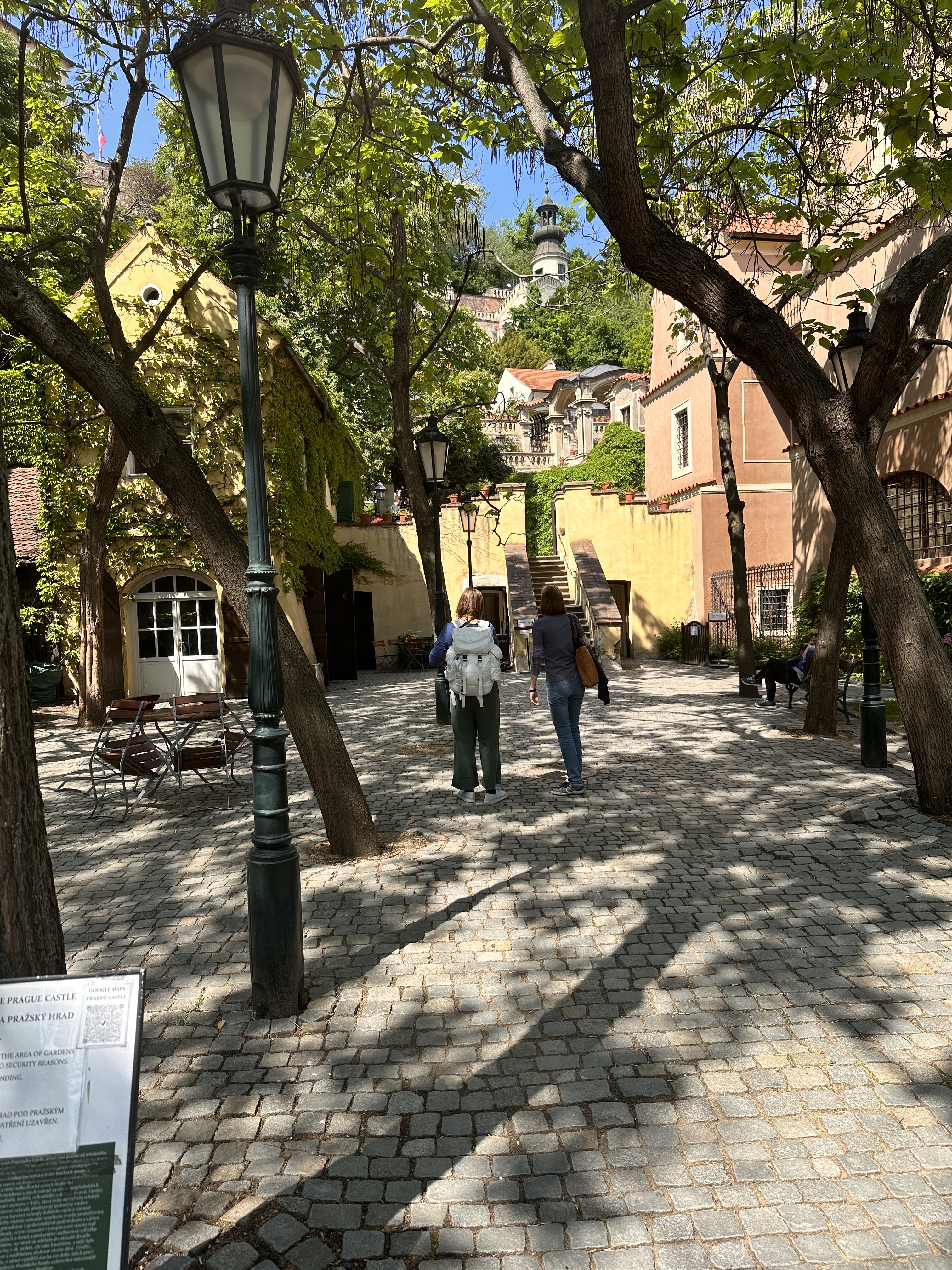
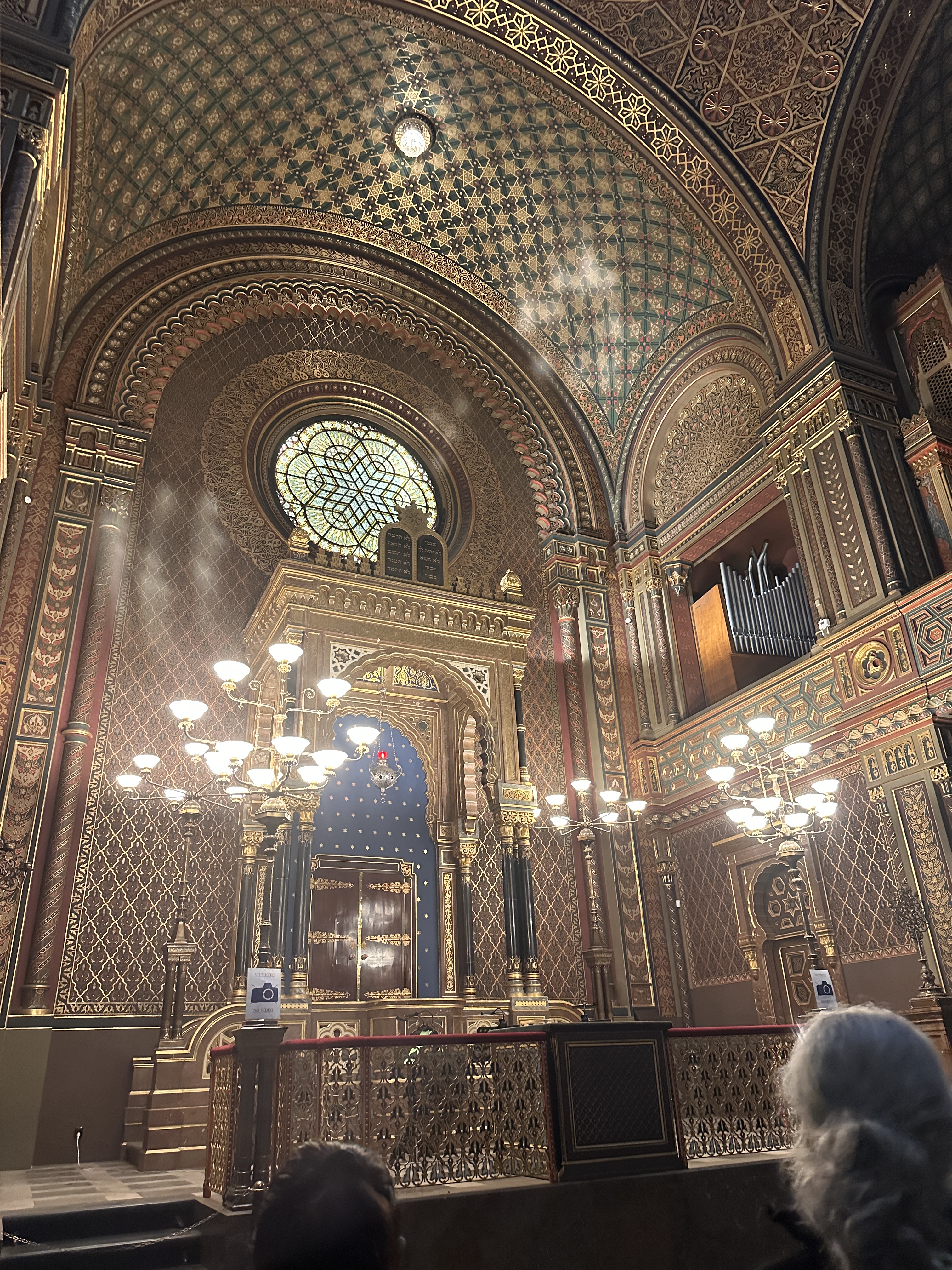
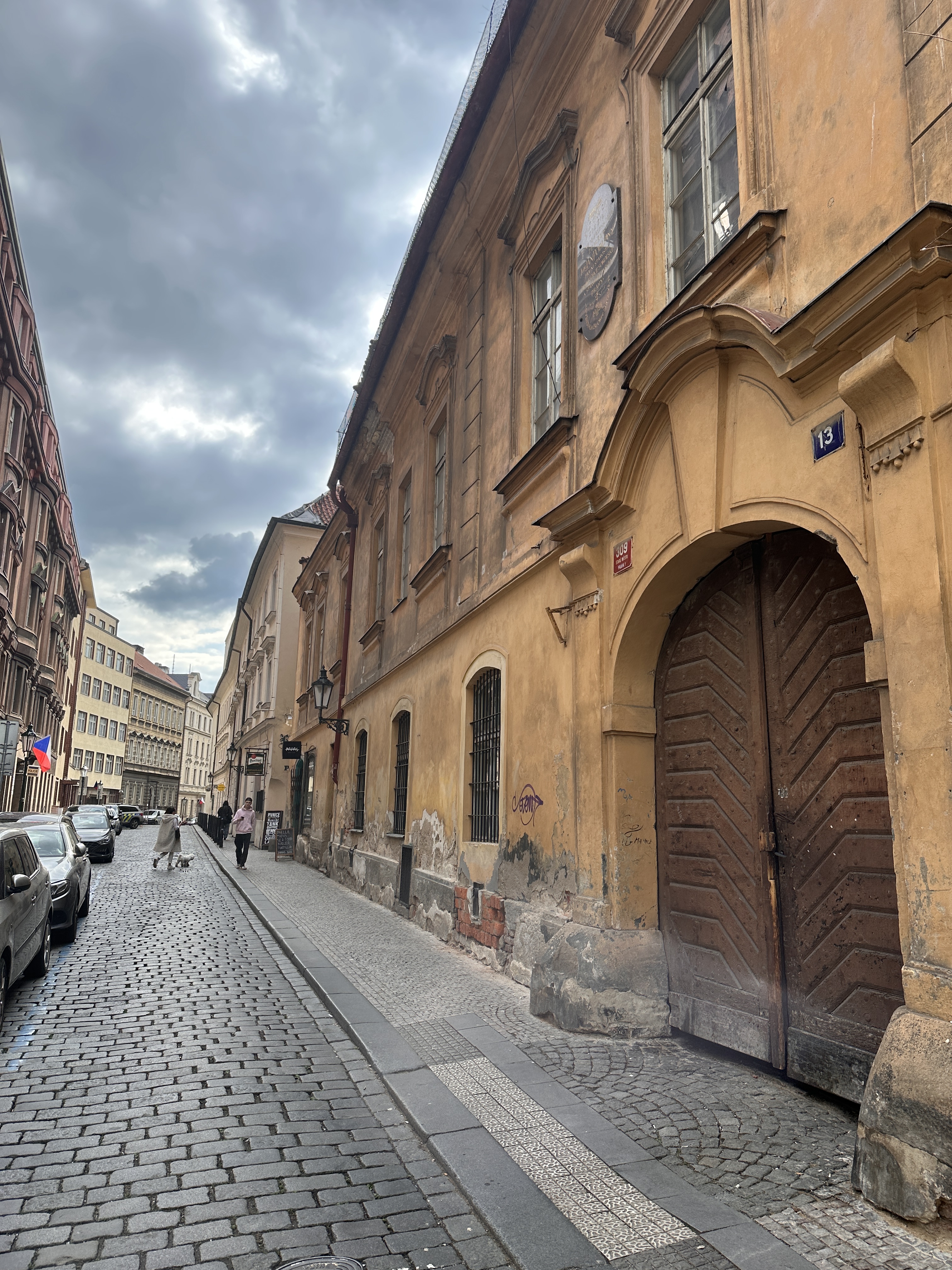
I was in Prague, Czechia, over Rosh Chodesh Iyyar, visiting for the first time, and hopefully not the last.   The Jewish Museum there explains the very old and magnificent history of Jews in this city, and in central Europe. Through alternating waves of favor and reclusion at the whim of various rulers, the community thrived and persisted, then suffered massive losses in the Holocaust. Several synagogues, the old cemetery, and their neighborhood, dating back to the middle ages, have been thoughtfully preserved, honoring community and spiritual life, and remembering the dead. They are a tribute to what was once a vibrant center of Jewish life in Europe, and also a tribute to the careful attention of today’s  Jewish community in Prague.

Throughout all of Iyyar, we count the Omer, enumerating one by one the 49 days that pass between Passover and Shavuot.  What began originally as a simple daily prayer observance became infused with spiritual value by the Kabbalists – and remains both a simple practice, and an opportunity for spiritual and personal growth.  At Passover we celebrate new life and vigor, and our escape from slavery; at Shavuot we honor the receiving of the Torah which anchored us as a people in history. Counting the Omer provides us with a bridge between them. Each day we strive to improve our selves, and grow in order to be worthy of the receiving.  We have a lot to pray for this year.  May the act of counting help us to number our days and reach for a better world, day by day. – K. Miriam

Nissan 5784    ניסן

Tuesday, April 9. What a week it is!  Yesterday we experienced the power of a total eclipse, and today the opening of the new month, at the New Moon.  It is interesting that on the day before the New Moon, a day when the moon is most hidden, and normally would not be seen at all, it covered the sun. For a few minutes, for those of us in its shadow, the whole order of the world was changed – true darkness and silence in the midst of a bustling day. (one of our members reminded us that eclipses only happen at the New Moon, when the moon is entirely lit on its back by the sun, “facing” away from us).

Every year in Adar we feel the seeming endlessness of winter, and in Nisan the hope that spring brings with the cycle of the seasons.  Flowers bloom, greenery returns, birds sing and make their nests. In the Middle East, the abundant growth of trees and crops is in full swing. This year is no different – and yet it is.  We are under the shadow of a terrible war of error and provocation, blind aggression and devastating consequences.  What can we say, who are safe in our homes and communities, as the war rages and powers far above us deliberate?

I am drawn to the story our source Mindy Ribner tells us about the zodiac sign for Nissan: Aries, the Ram.  She associates this creature, well known in Biblical times, with “courage, passion, enthusiasm and independence”.  The Ram is a “trailblazer and leader”, “encouraging us to be self-confident, decisive, assertive, and courageous, as the Israelites were when they were leaving Egypt.”[1]This is a time for us that is auspicious for boldness and creativity, as we break out of the boxes that confine us.

Is it not also a time for our leaders, the ones in power, to be decisive and courageous – to change the whole order of the world as they know it – and step boldly into a true, long-term solution for peace? – May the spirit of Nissan carry them forward toward the Passover, our holiday of redemption – and may they, with the help of G-d and the Universe, bring redemption, speedily, in our time. —K. Miriam

Our next walking meditation will honor the month of Iyyar, Thursday, May 9, 2024, 8:30 am.  Rain or shine!  Contact us for location.


[1] Melinda Ribner, Kabbalah Month by Month, p. 171.  See Sources tab for full citation.

Adar II (Bet) 5784 אדר ב

Monday, March 11, 2024.  What a 24 hours it’s been! – 6 inches of snow yesterday, headed to 50 degrees F today, and even warmer tomorrow.  This morning it was below freezing, very cold but with the promise of spring.  In this second month of Adar, we get to extend the anticipation of spring just a little longer – yes, the buds are fatter and the birds are singing at last!

This second month of Adar gives us time to slow down and savor the Purim story itself, and the characters that have so much meaning for us.  They are especially vivid among our tradition’s stories – perhaps because the Megillah story is a vivid one with more detail than most, but perhaps also because we bring them from imagination to reality, dressing up in Purim spiels, reading children’s books of the story with characters in opulent costumes, winding our groggers and noisemakers in synagogue as if Haman were really there, and singing when Mordechai and Esther prevail.

In our discussion, we noted that the end of the Purim story is particularly problematic for us this year.  In the story, instead of cancelling the decree authorizing a pogrom against the Jews, King Ahashuerus reverses it, authorizing the Jews to inflict a pogrom on the citizens of Shushan.  For most of us this is too close to home and too hard to stomach.  Our member Linda pointed us to Rabbi Arthur Waskow’s Shalom Center, which has initiated a “Chapter 9 Project” to write new and peaceable endings for the Purim story.[1]

Rabbi Jill Hammer draws parallels between Esther and Ishtar, the ancient “goddess of the morning star, and keeper of love and abundance”.  Hammer notes that Esther’s bravery and action created “a new dawn for her people”, her story gradually unfolding toward victory and redemption.[2] How much deeper the redemption would be if a peaceable ending were the result.  As we move toward Nisan and Passover in this second Adar, each day unfolds, and spring unfolds for us as the birds sing and buds ripen.  May this joyous holiday bring an unfolding of our hearts – holding joy in the face of evil and challenge, and working together for peace.  Chag sameach! — K. Miriam

Our next walking meditation will honor the month of Nisan, Tuesday, April 9, 8:30 am.  Rain or snow or shine! – contact us for location.


[1] See https://theshalomcenter.org/chapter9project

[2] Jill Hammer, the Jewish Book of Days, p. 201. See Sources tab for full citation.

Adar I (Aleph) 5784 אדר א

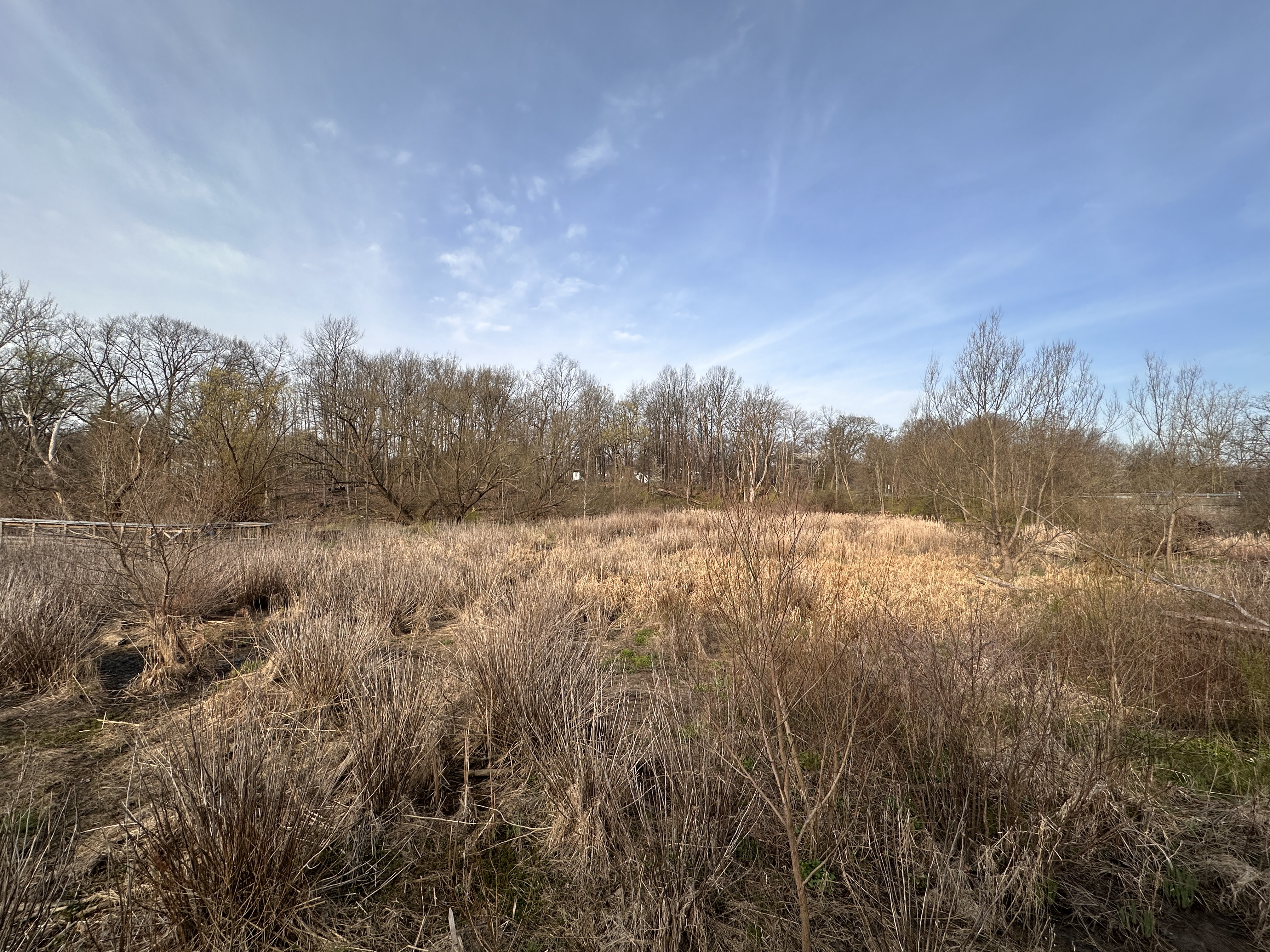
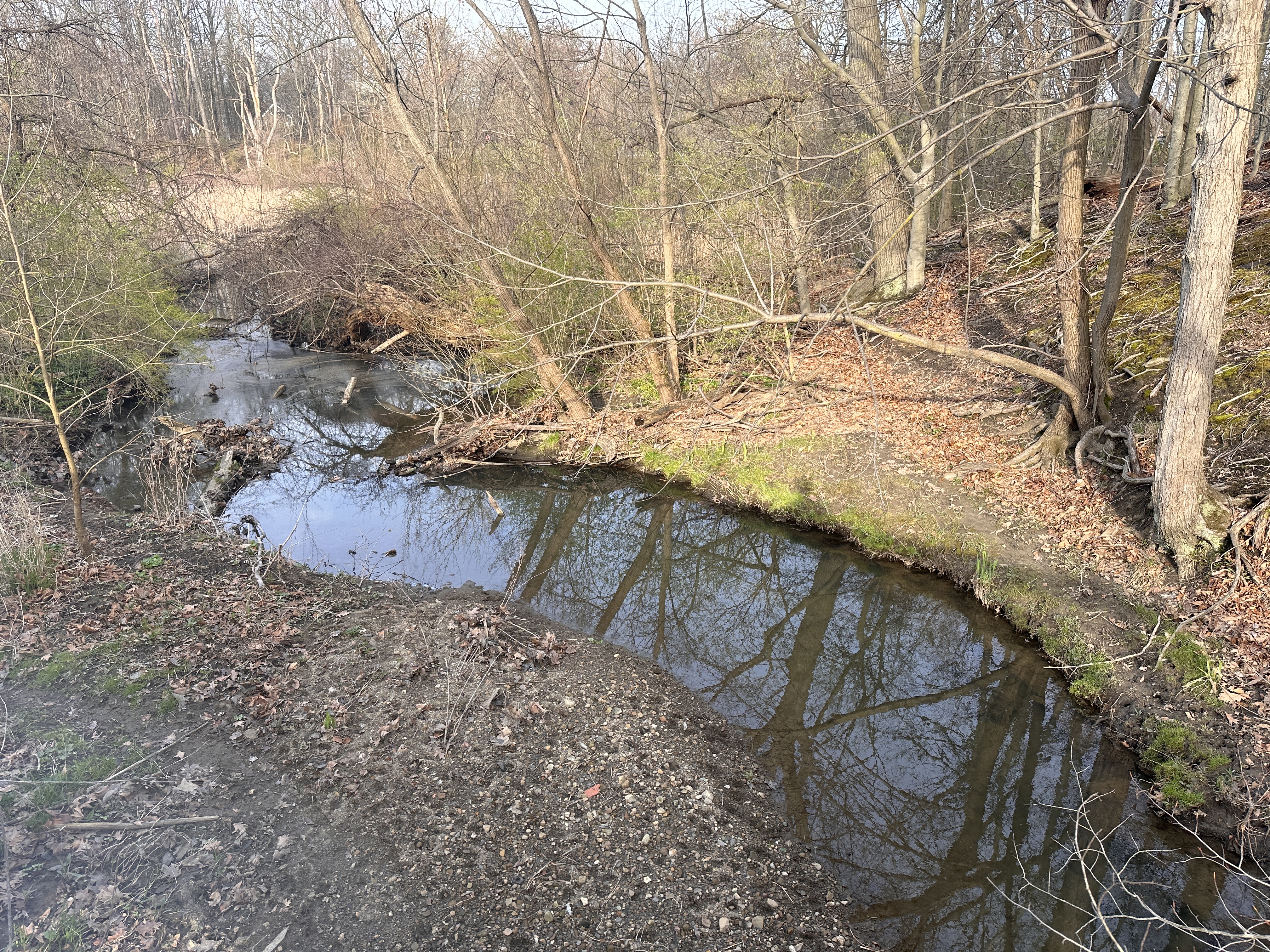
The morning was cool and poured down rain for a bit – bringing the scent of spring.  Everything may still be hibernating, but we know spring is coming, and so do the birds.  We hear them gathering and calling, as we all wait for the cycle of the seasons to turn. (In a throwback, I’ve included two photos from our Adar 2015 and 2017 walks at Horseshoe Lake – the waiting is apparent there as well).

In Jewish tradition, we have at least three yearly cycles:  the cycle that starts at Rosh Hashanah (first of the month of Tishrei) marking the “birthday of the world”;  the cycle of trees, starting at Tu B’Shvat, which we have just celebrated on the full moon of Sh’vat; and a third, which probably relates to agricultural cycles, which begins with the first of Nisan, marking the full blossoming of spring and the Exodus from Egypt.  In the northern hemisphere, especially in colder climates, we can relate to the last one, as the coming of spring is a welcome newness after a long winter.

The month before Nisan in that cycle, Adar, is therefore the last month of the year, a month of preparation and anticipation – with a twist.  In 7 years out of every 19, or about every 2 to 3 years, we add in an extra Adar, to adjust the lunar calendar to the solar one, ensuring that our holidays will roughly land in the appropriate season, year after year.  Known as a Jewish “leap year”, this year, 2024, is a double-Adar year. This month is the additional month added, Adar I or Adar Aleph.[1]

The themes of the month of Adar are striking and provocative:  we are to remember evil in our midst – through the stories of Amalek and Haman – and cultivate joy in the face of it.  We overcome evil by acknowledging its carnival absurdity and randomness, and immersing ourselves in joy, celebration, laughter and jokes.  And in Jewish “leap years”, we are to do this for two whole months!  With Purim coming next month, we have a month without holidays or Passover cleaning to focus on cultivating joy in our lives. I challenge all of us to find ways and reasons to laugh this month – be it sharing jokes with friends, enjoying the play of children (ours or others’), reading funny stories, streaming comedy or visiting a comedy club. Even better if we share it with those for whom joy is challenged. 

We’ll be back next month with the story of Purim!  Chodesh tov! — K. Miriam

Our next walking meditation will honor the second month of Adar, Adar Bet, Monday, March 11, 8:30 am.  Rain or snow or shine! Contact us for location!


[1] See https://www.myjewishlearning.com/article/jewish-calendar-solar-and-lunar/, and https://www.chabad.org/library/article_cdo/aid/70016/jewish/The-Jewish-Leap-Year.htm

Sh’vat 5784 שבט

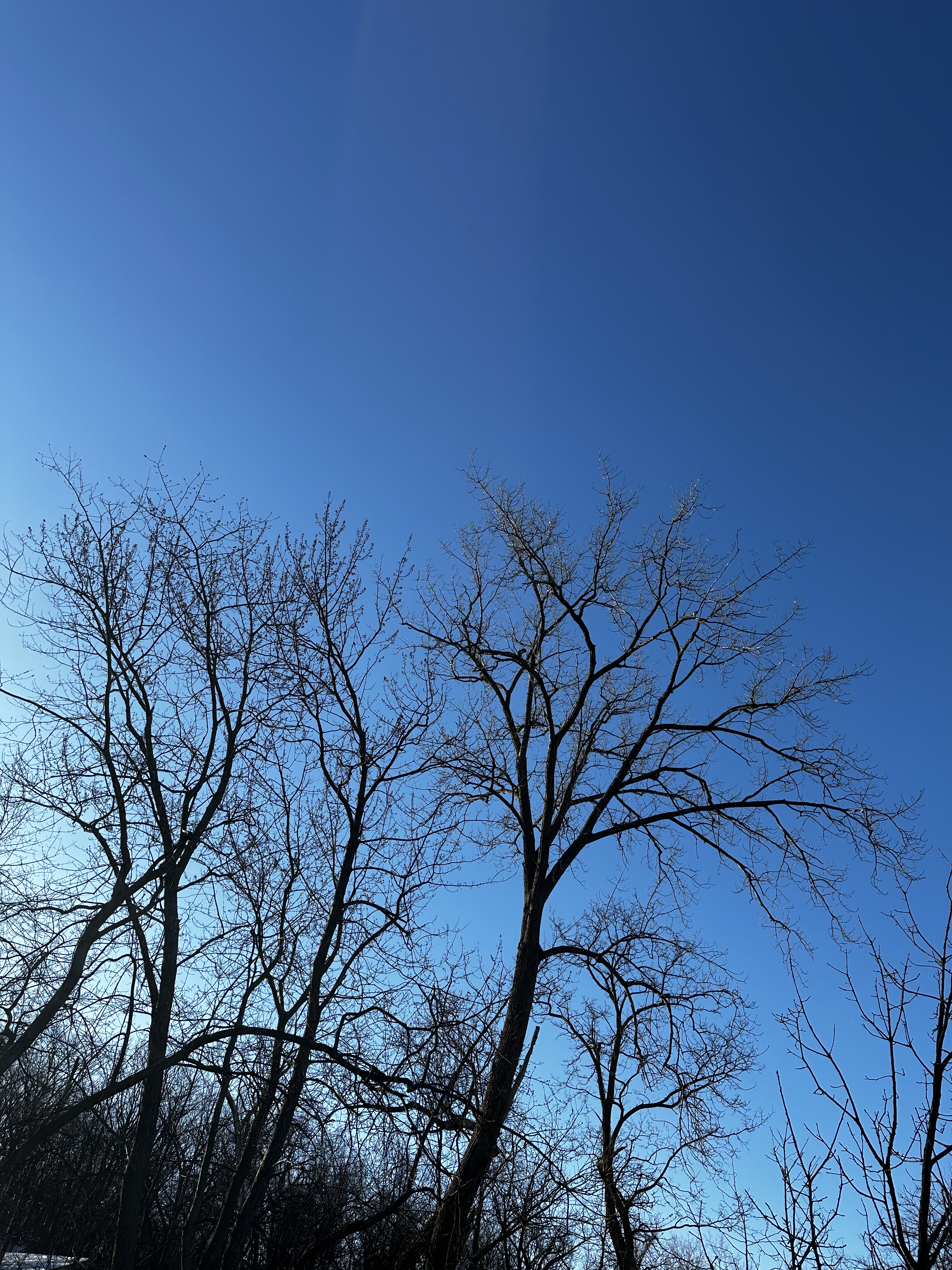
Thursday, January 11, 2024.  Every year in our Sh’vat conversations, we note the striking contrast between the deep cold of January where we are, at the edge of the Great Lakes, and the Sh’vat budding of spring trees in Israel.  In this season of the trees, our Jewish tradition, acknowledging the first warm breezes of spring, paints the month of Sh’vat with hope, optimism, creativity, and joy in renewal. Our source Mindy Ribner talks of the renewal of the hidden potential in all of us that we experience this month[1].  We who live in cold climates are especially aware of the opportunity to overcome the desolation of winter with inner warmth and joy.  In two weeks, our holiday celebrations for Tu B’Shvat, sharing fruit and wine and friendship, will give us ways to do that.  In a time when desolation can seem to be all around us, it is important to remember that we can still celebrate the budding of the trees.

Another source, Jill Hammer, recalls the Talmudic story of Rabbi Judah bar Ilai, who danced with joy at weddings, holding branches of myrtle[2].  What a beautiful way to honor a new relationship, and remind us of the renewal that we can experience in the natural world. May we celebrate the natural world we live in this month with joy and creativity, and may we allow our potential for renewal to energize us for the work ahead. – K. Miriam

Our next Rosh Chodesh walking meditation will honor the first month of Adar, Shabbat morning, February 10, 8:30 am.  Rain or snow or shine! Contact us for location.


[1] Mindy Ribner, Kabbalah Month by Month, p. 109.

[2] Rabbi Jill Hammer, The Jewish Book of Days, page 164.
See Sources tab for full citations.

Tevet 5784  טבת

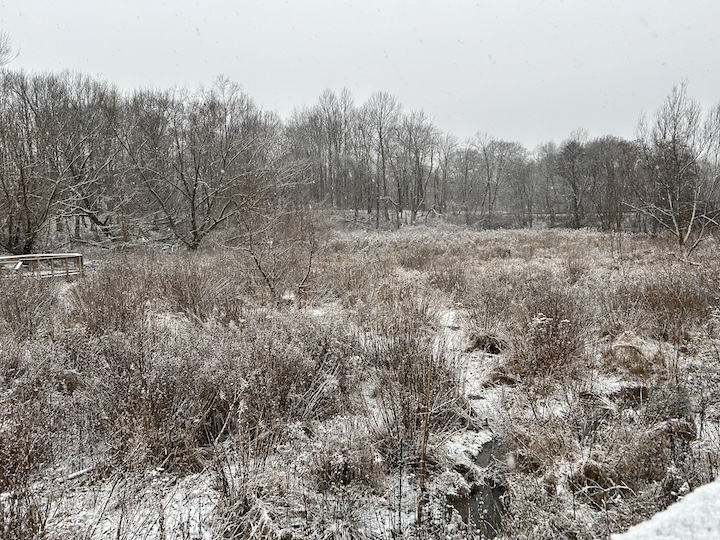
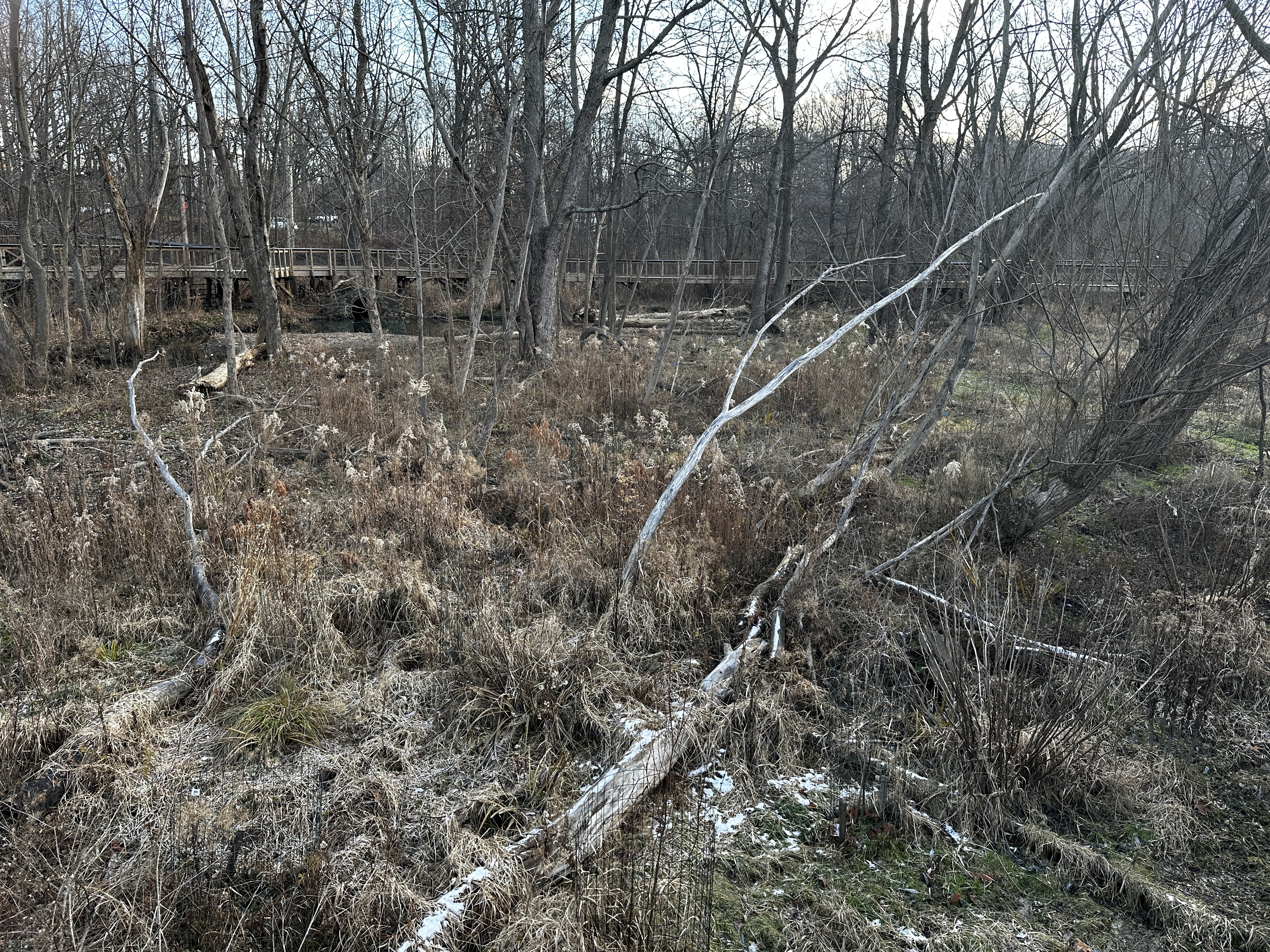
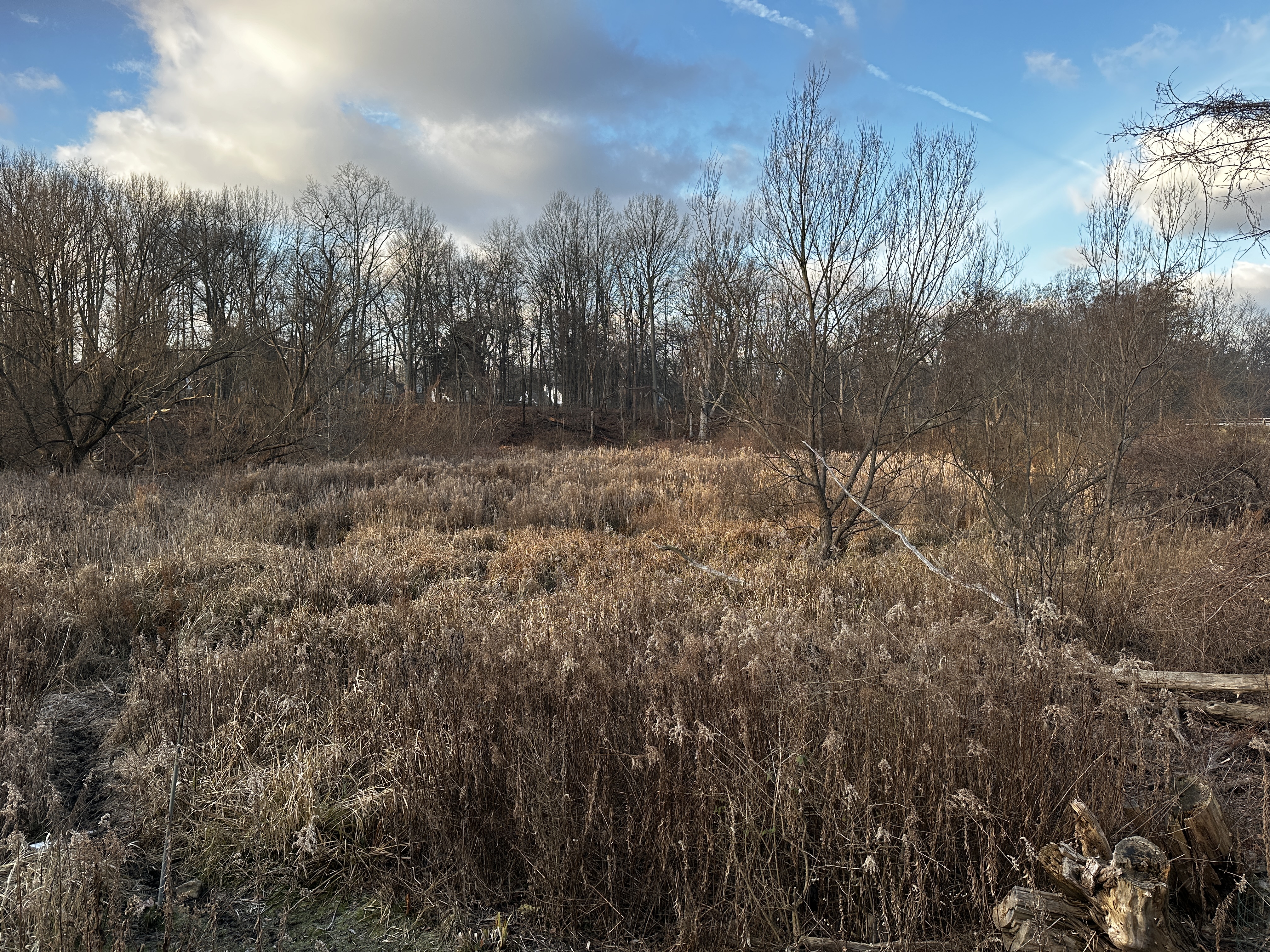
Wednesday, December 13.  Winter is finally upon us here in the Great Lakes – the landscape has become a collage of grays and browns, and there are icy patches on the path.  We bundled up for the morning, and talked of the contrast between the climate and change of seasons in the Middle East, with its scorching summers – and the climate here, with its distinct frigid winters. We acknowledged the unique place we live in, gentle hills of woods and streams around the lakes, and the wide skies.

At this time of year, and in this time in our era, we must work hard to remain in the light, in spite of the darkness and forces of evil raging around us.  At times it seems as if the darkness will go on forever – and it is not easy to discern the gray areas amid all the black-and-white thinking in the media.  Yet we must if we are to achieve peace in the long run.

Tevet, and the Hanukiah (Hanukah menorah), remind us that we have help:  what is truly endless is the cycle of seasons, light to dark to light.  Every year, at Hanukah, which comes close to the winter solstice, we remember that we can kindle light ourselves, and that the sun will ultimately kindle the light of spring, not so far ahead.  Our source Rabbi Jill Hammer notes that the Shammash, the helper candle on the Hanukiah with which we light all the other candles, is from the same root in Hebrew as Shemesh, the sun.[1]  The root “Shin-Mem-Shin” refers to attendants and helpers, as the helpers in synagogues of old.  The Shammash candle is our helper – and so is the Shemesh, the sun, sustaining and supporting life, and returning light to us after every season of darkness.

May the promise of the coming of the light kindle light in us, and remind us to kindle it in our communities – helping us all to hold and make real our dreams of a future of peace and joy. — K. Miriam

Our next Rosh Chodesh walking meditation will honor the month of Sh’vat, Thursday, January 11, 8:30 am.  Rain or snow or shine!  Contact us for location.


[1] Rabbi Jill Hammer, The Jewish Book of Days, p. 120. See “Sources” tab for full citation.

Kislev 5784  כסלו

Tuesday, November 14, 2023.  It was a truly beautiful morning, full of color and birdsong.  Because Kislev is early this year, here in the Great Lakes, we’re still in late autumn – cold and crisp, the last leaves continuing to turn and fall.  In the Middle East, sowing is taking place on farms – as it was in biblical times – wheat, barley, oats, peas, lentils – all in anticipation of winter rains. As we prepare here for a midwestern winter, we know that seeds are in the ground, falling asleep, settling for a while in order to burst forth in the spring.

In Kislev, the days continue to shorten, and daylight diminishes, until the winter solstice begins the lengthening of days once again.  This year we are earlier than the solstice, but in any case, we are reminded of our faith in the rhythm of the seasons: the light will come again, and with it, spring.  Nature endures, and will provide us with beauty and sustenance and joy.

The first 30 days of the mourning period after a death, in Jewish tradition, is known as Shloshim.  We have come through Shloshim after last month’s day of terror – and now, in wartime, we seek ways to go forward.  The future is murky, and our steps uncertain.

In the Torah, during the month of Kislev, we read many stories of dreams: Jacob’s dream while traveling of wrestling with an angel, Joseph’s dreams of cows and sheaves having dominion over others, and Joseph’s interpretation of the dreams of fellow inmates in the Pharoah’s prison in Egypt. Each of these has significance, pointing the way to a future for the dreamer and their families; each of these is mysterious on its face.  Dreams raise questions, present new possibilities, give us beacons for guidance in the darkness, and allow us to face the mysteries in our lives.

Our source Jill Hammer quotes Rebekah Tiktiner, a 16th century Yiddish writer:  I “have rolled the great stone off the rock, and drunk from it.  And still I was thirsty.” Hammer’s response is that  “The poet drinks, yet still she is thirsty.  Our lives, like dreams, hold questions we have not answered.”[1]  The message of Kislev is that we can dive deep into the darkness of the most difficult questions, and find light even there.  Late in the month, we light the Hanukah candles in darkness, and the light grows day by day.  May we each find our own light, and share it with others, in this dark time of uncertainty.  May we find joy with each other, strengthening ourselves for the days ahead. And may peace come to the Middle East in our time. — K. Miriam

The next Rosh Chodesh walking meditation will honor the month of Tevet, Wednesday, December 13, 8:30 am. Rain or snow or shine! – contact us for location.


[1] Rabbi Jill Hammer, The Jewish Book of Days, p. 100. See “Sources” tab for full citation.

Cheshvan 5784 חשוון

Monday, October 16, 2023.  The weather is dark and rainy, and our feet and hearts heavy.  It is difficult to come up with insightful thoughts when a great terror has occurred, and war in Israel and Gaza is newly upon us.  We are numb and quiet, without words.  The name of this month, fully “Mar-Cheshvan”, or “bitterness”, is fitting, as is the growing darkness with the approach of winter. It helps to gather together at night for song and prayer, and in the daylight, to see what we can do, at home to help each other, and in sending aid afar. 

Our source Rabbi Jill Hammer reminds us, in her writings on the month of Cheshvan, that this is the season of planting, when the rains begin, we place seeds in the soil, and they begin to grow roots, which will sustain them in difficult times.  Our roots are our love for each other, our friends and family, our tradition, and the beauty of the natural places, skies and waters that surround us.  May those suffering in Israel and Gaza be in safety and freedom soon. May all find comfort and strength in the roots that sustain us. – K. Miriam

Our next walking meditation will honor the month of Kislev, Tuesday, November 14, 8:30 am. NOTE CHANGE OF TIME! Rain or snow or shine! Contact us for location.

Tishrei 5784    תשרי

Every year at Tishrei we celebrate a New Year with hope and renewed commitment to making our world a better place – whether our sphere of influence is at home in close relationships, in our communities, or in the world.  In the natural world, both in the Great Lakes and the Middle East, it is the end of summer, the end of the growing season, and we harvest the fruits of the summer’s labor, before settling down for the winter and the darkness that will come.  By the end of the month of Tishrei, we are aware of the shortening of days, and the trees are losing their leaves in earnest.  Where did the time go?

Rosh Hashana and the New Year celebrate renewal of both our lives’ commitments, and the creation of the world, which we can understand as created anew, year after year.  Our source Jill Hammer talks about the cycle of time, and the role the moon plays in helping us to mark the passing of seasons.  She quotes Rabbi Yochanan in saying, “..why was the moon created? For seasons, so that we might renew by her countings the new moons and the years.”  At Rosh Hashanah, she notes, “we reflect on our past and our future”, and so “honor time.”[1]  May we all experience the coming month of holidays and celebrations of renewal – both of commitment and of the seasons – in joy, as we begin to count the New Moons of the year yet again. L’Shana Tovah, Happy New Year! — K. Miriam

Our next Rosh Chodesh walking meditation will honor the New Moon of Cheshvan, Monday, October 16, 7:30 am. Rain or shine!  Contact us for location.


[1] Rabbi Jill Hammer, The Jewish Book of Days, p. 414. See Sources tab for full citation.