
Cheshvan 5783 חשוון

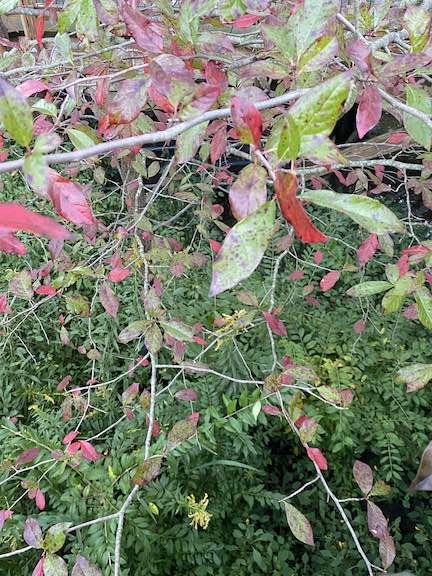
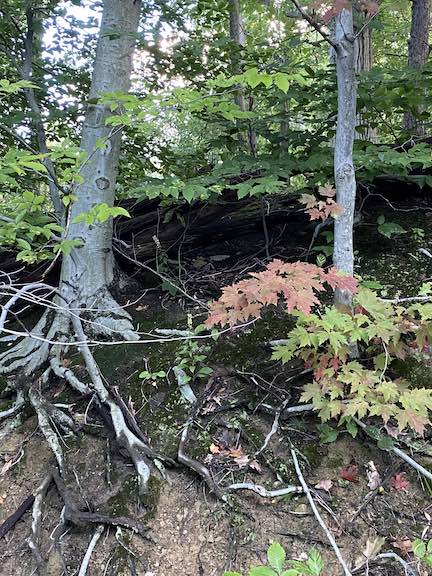
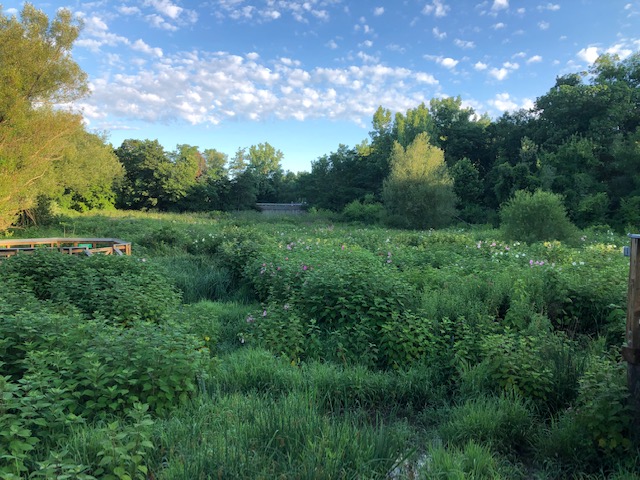
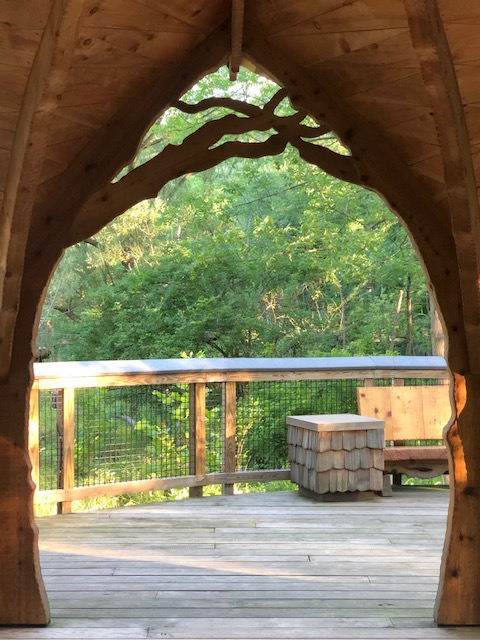
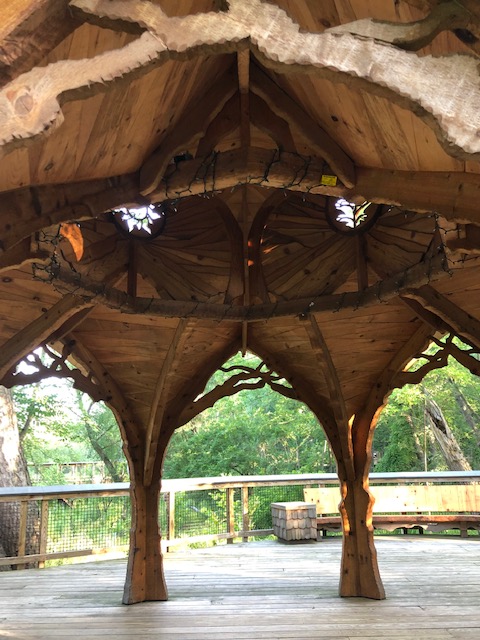
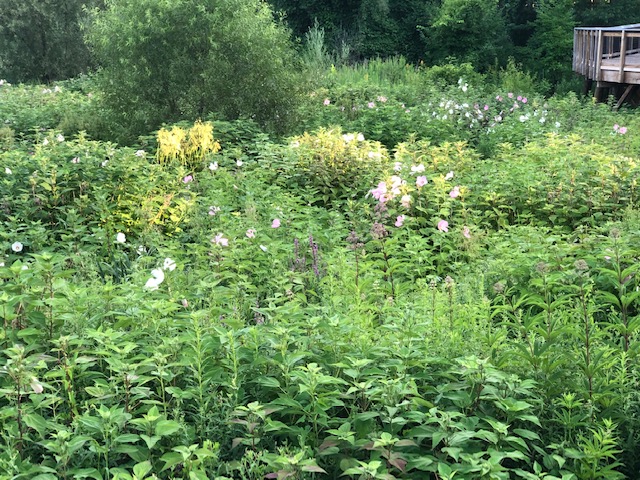
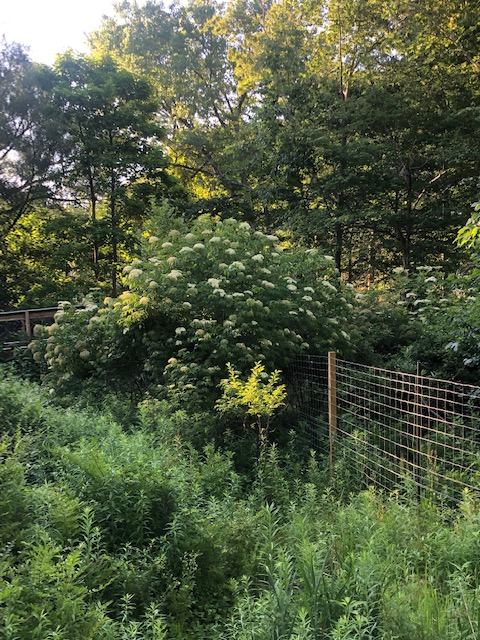
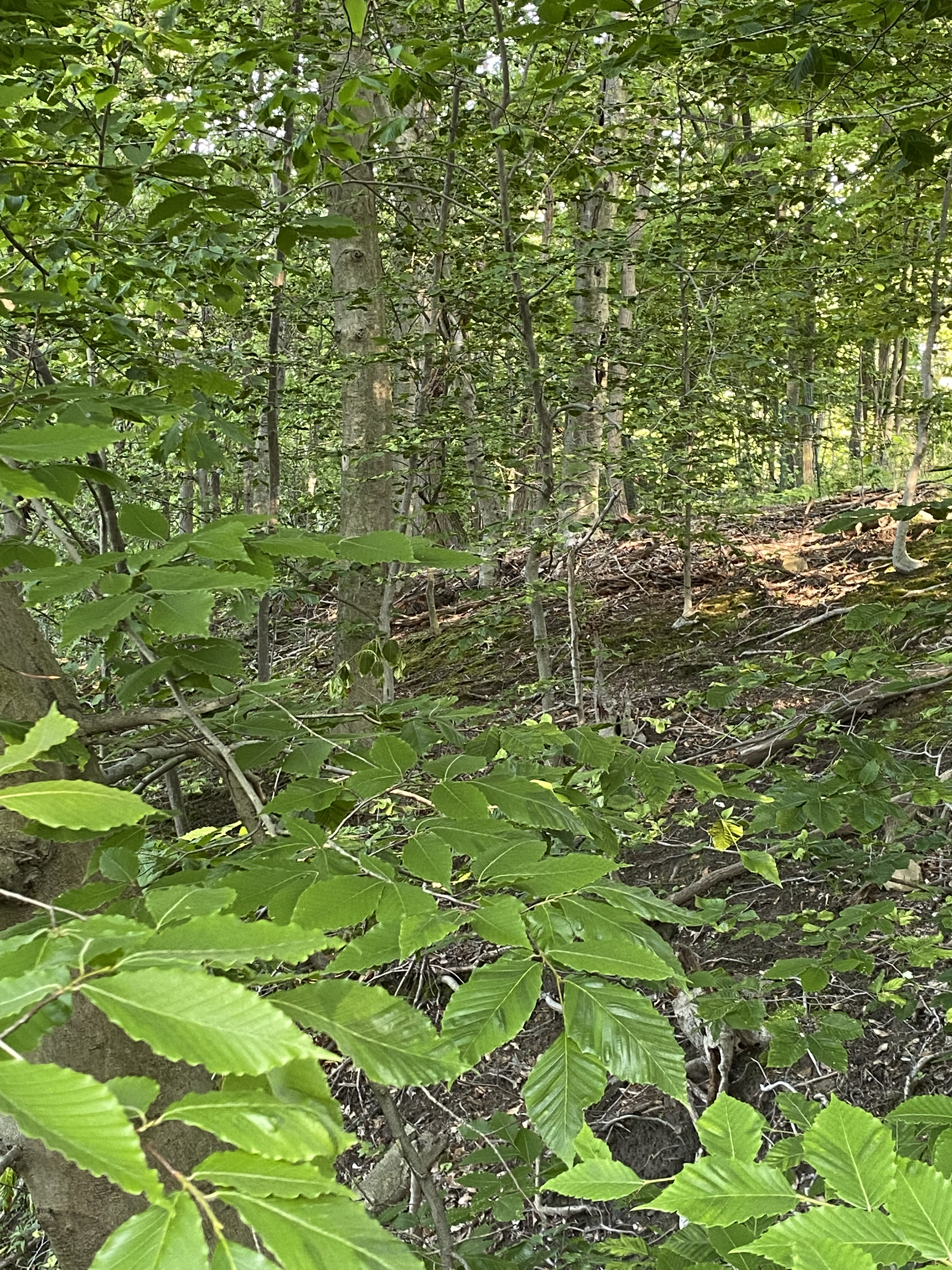
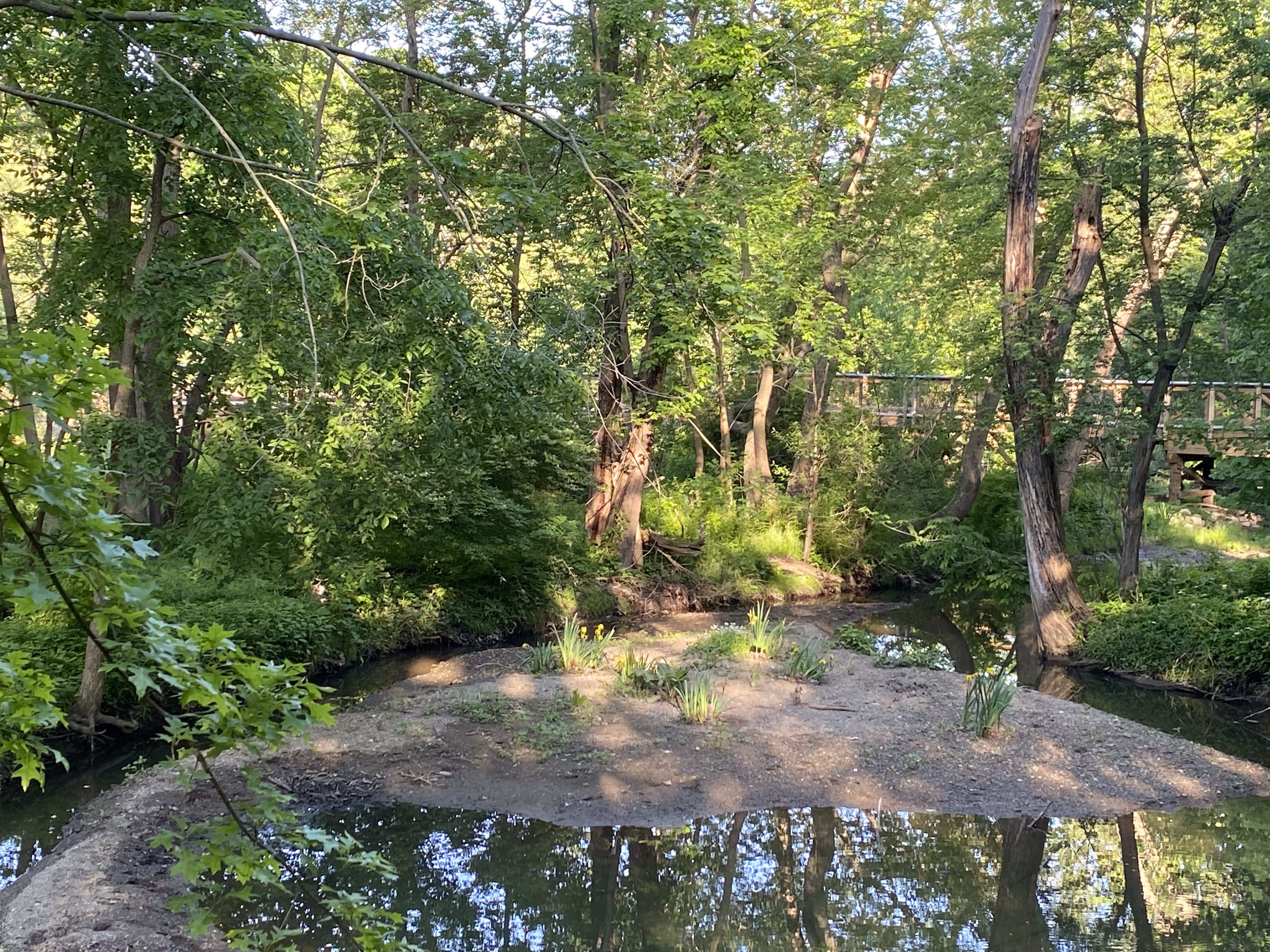
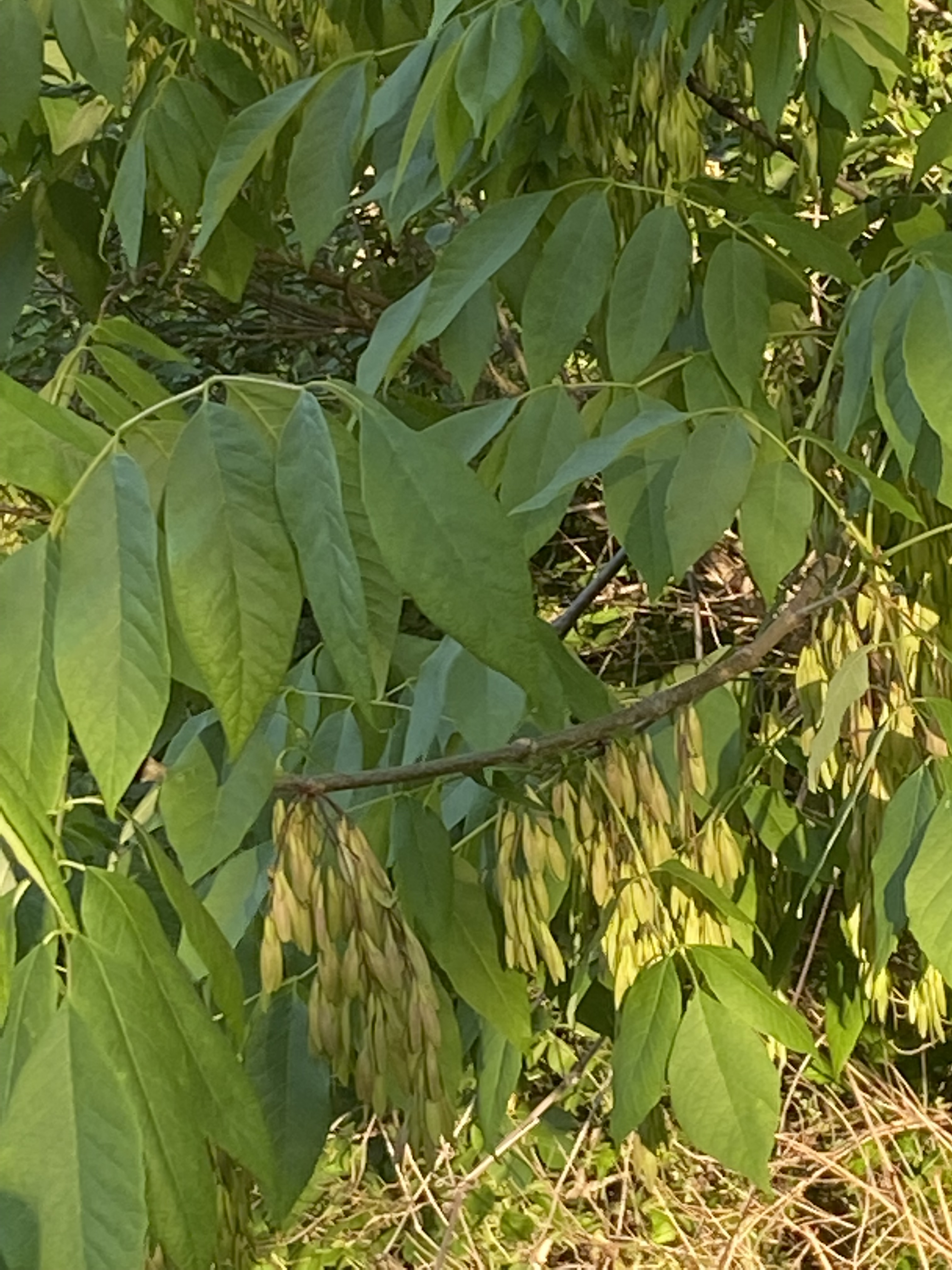
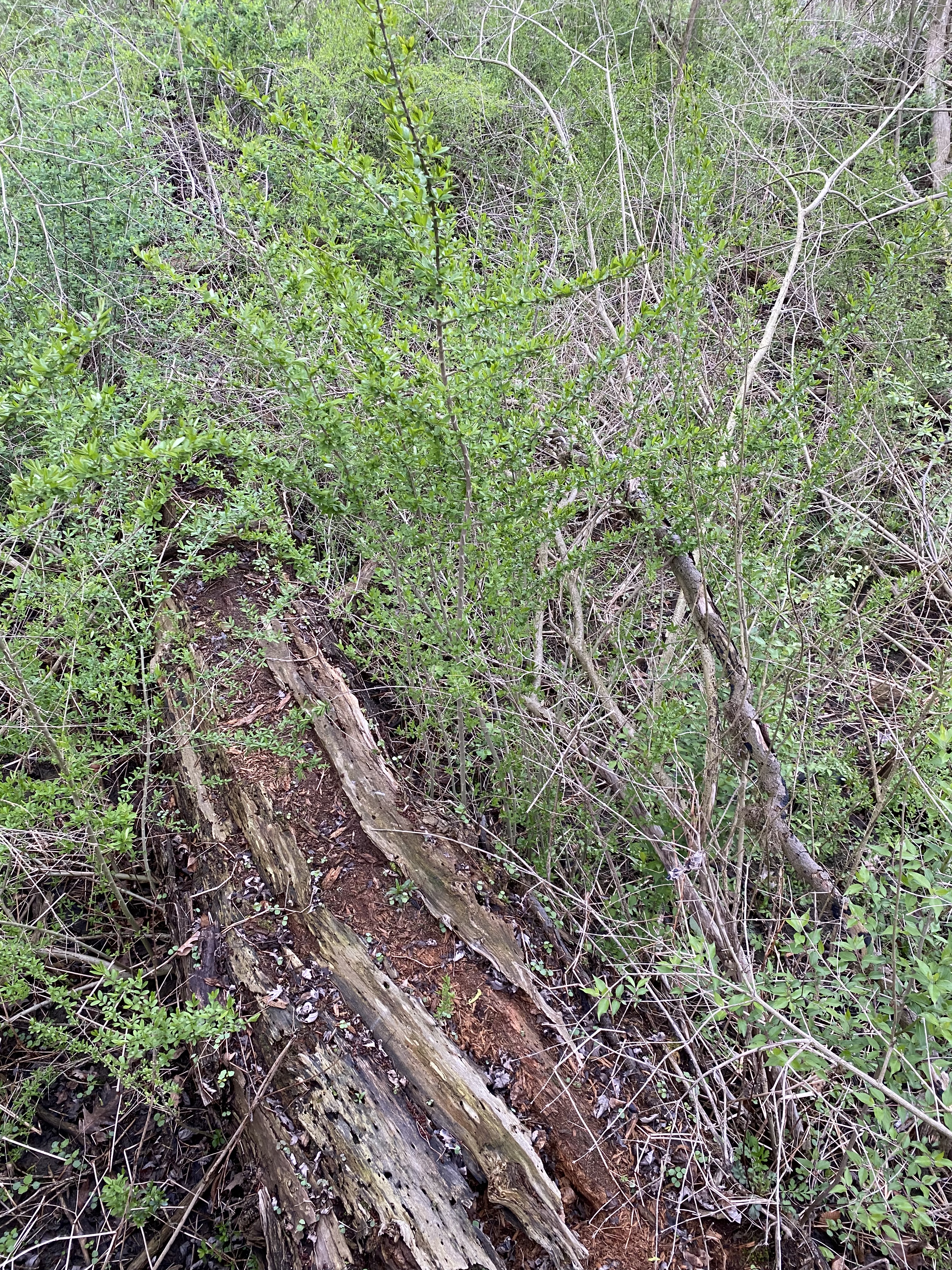
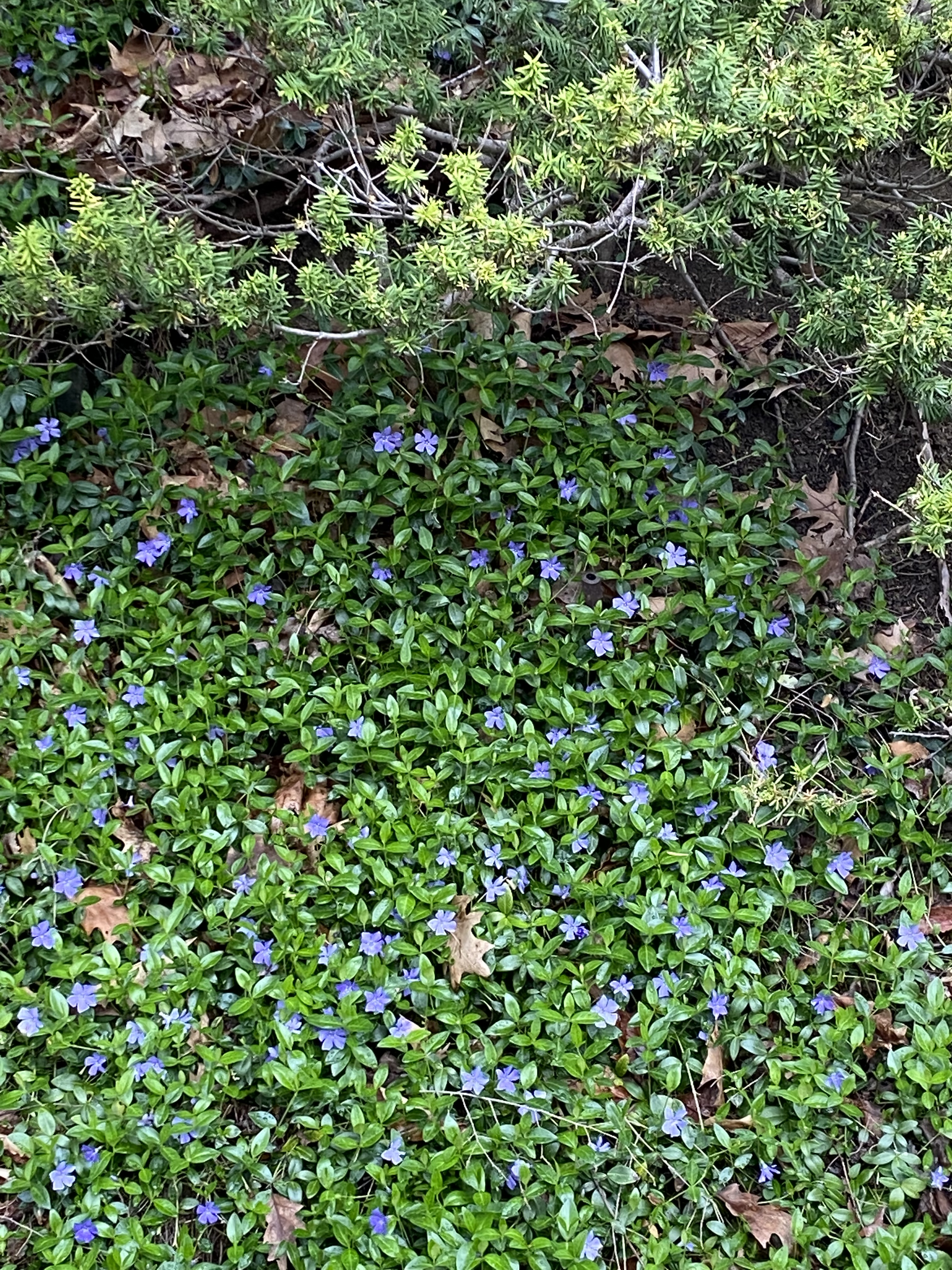
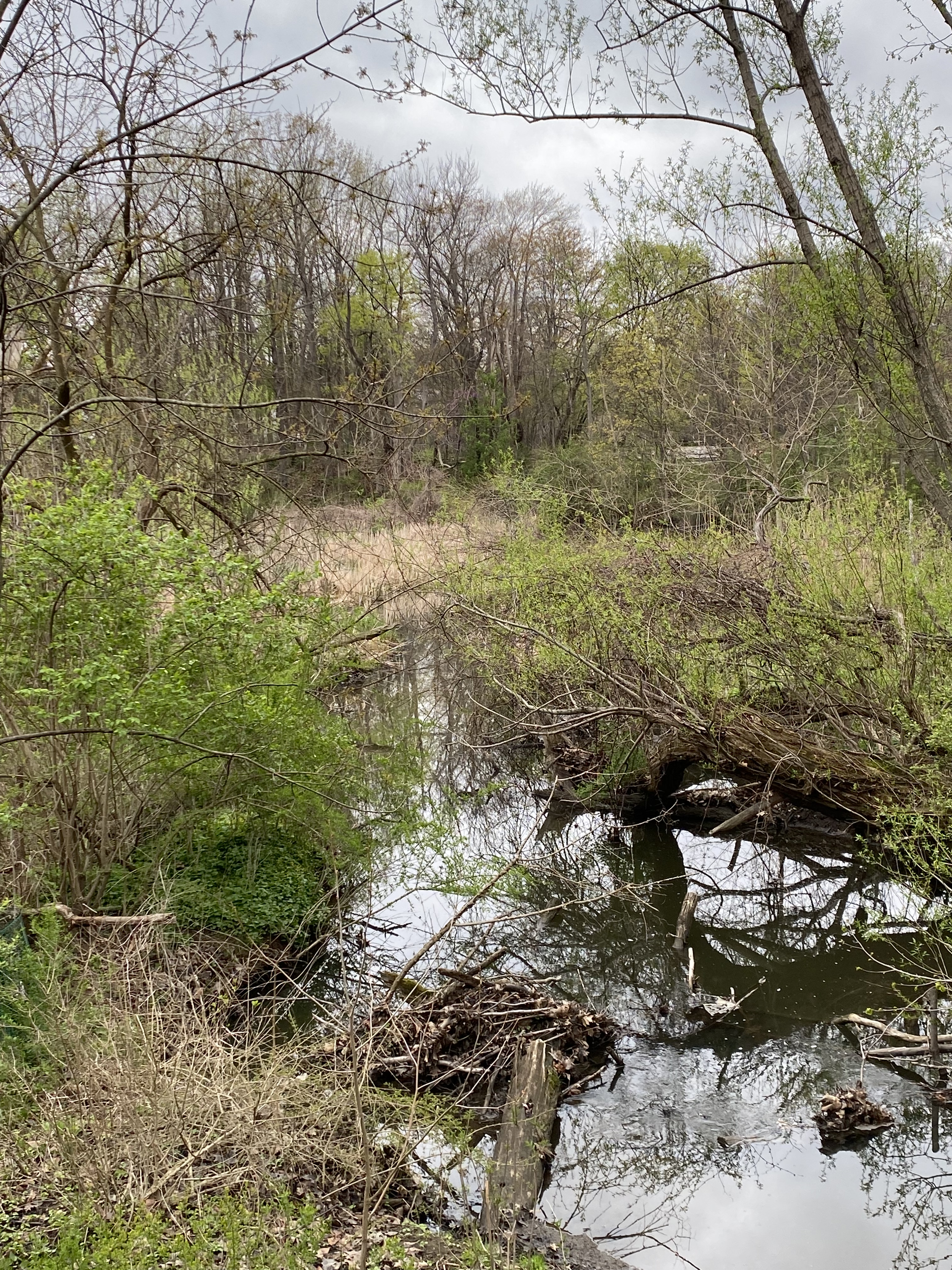
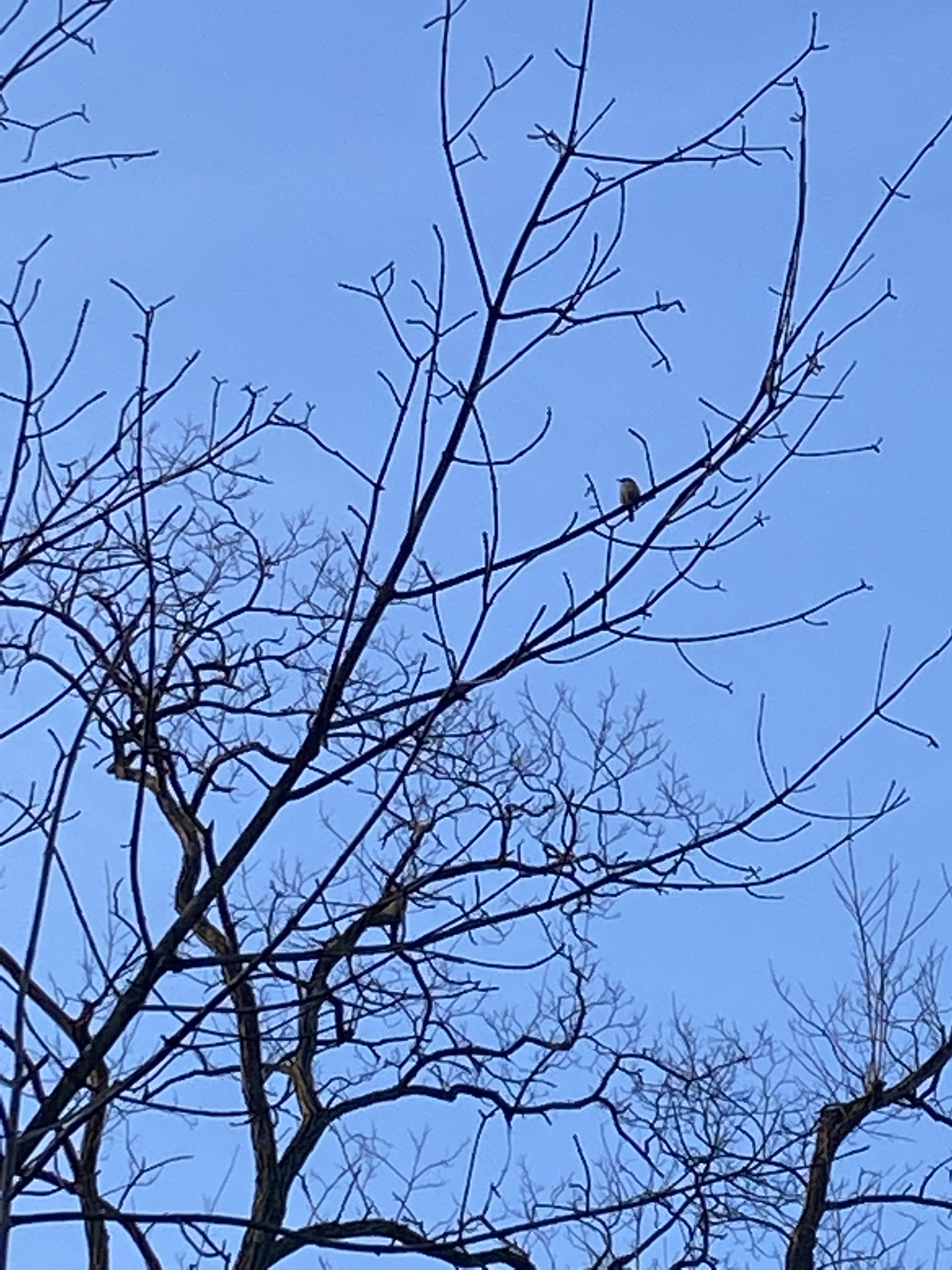
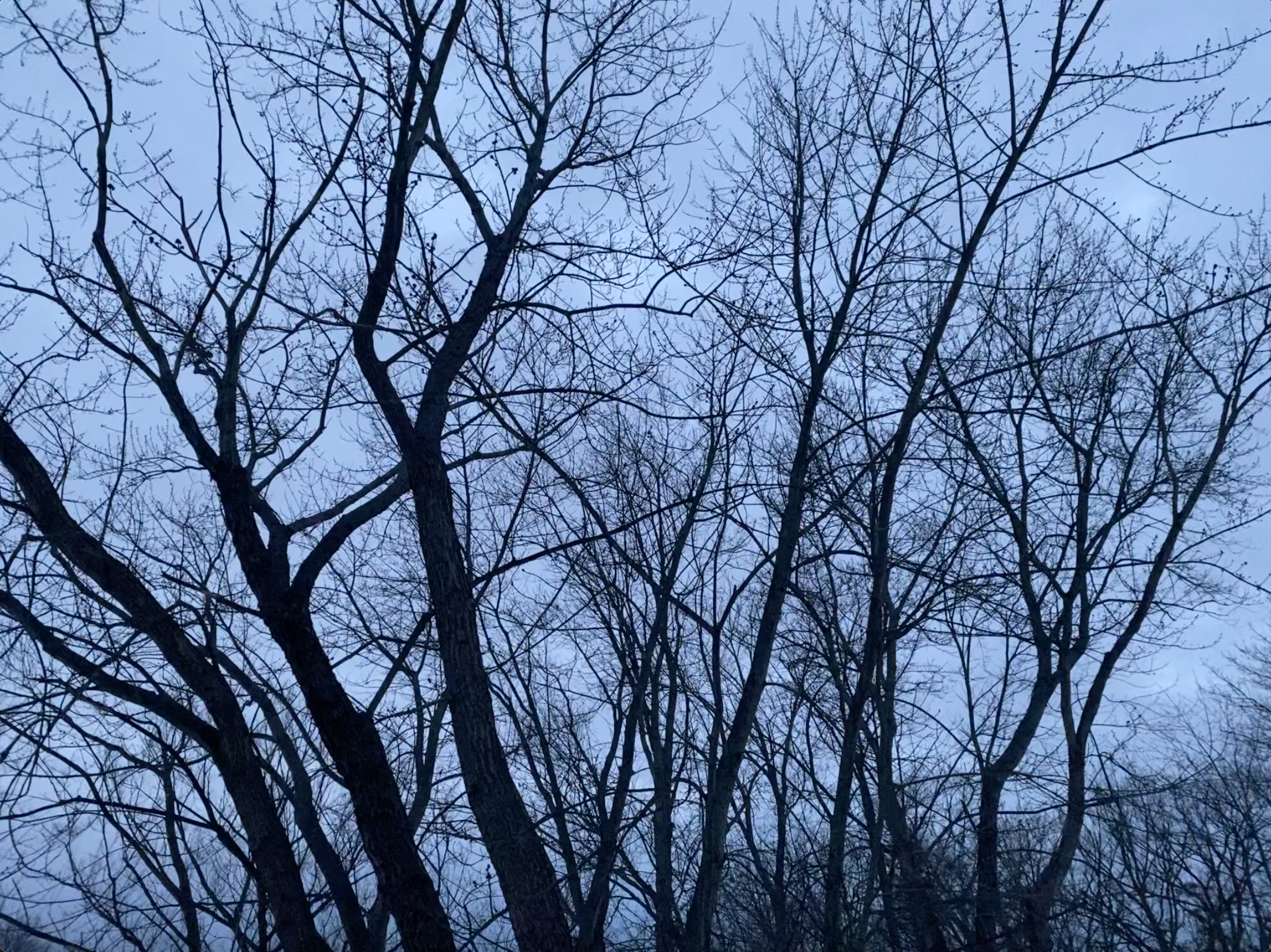
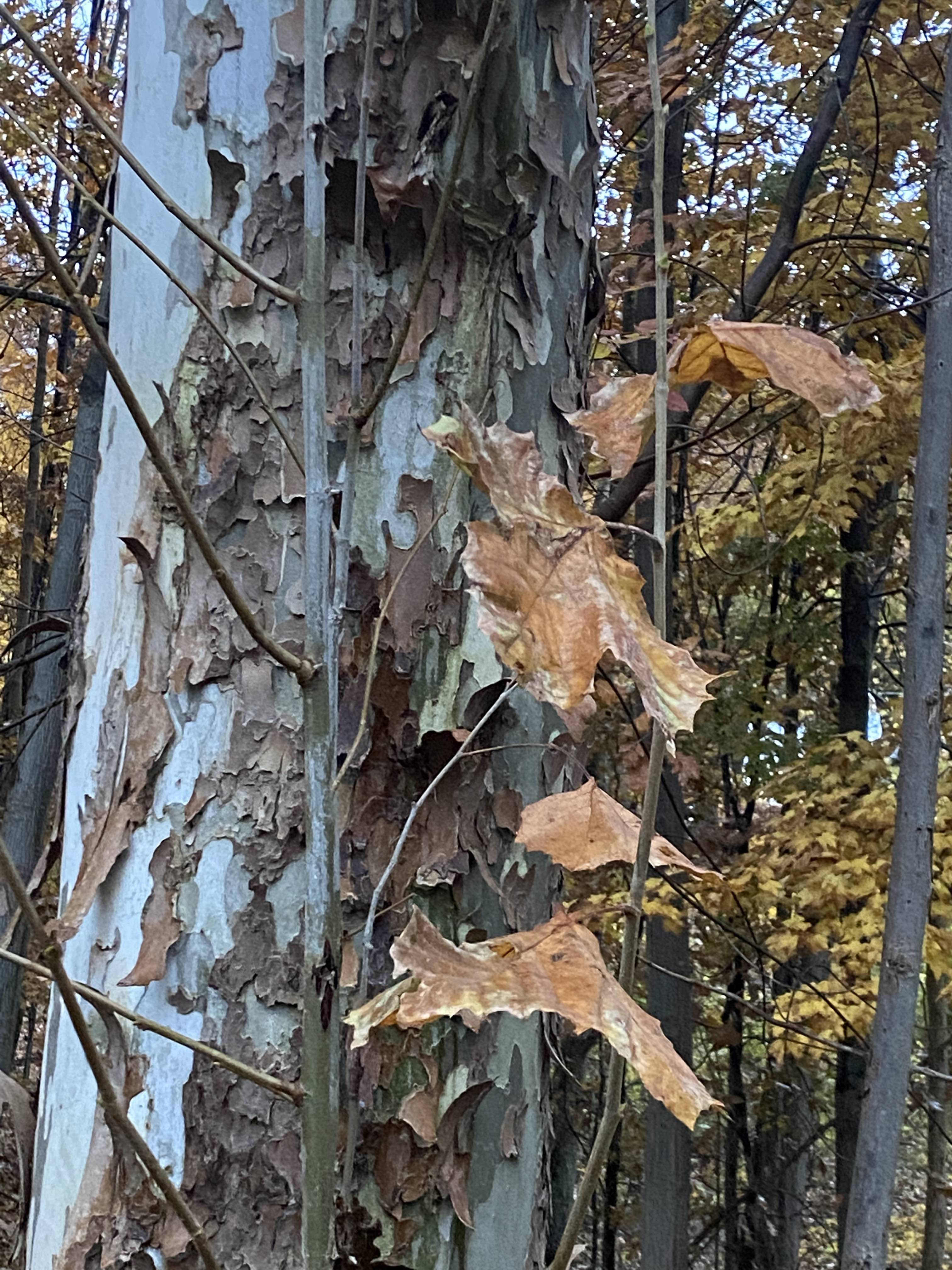
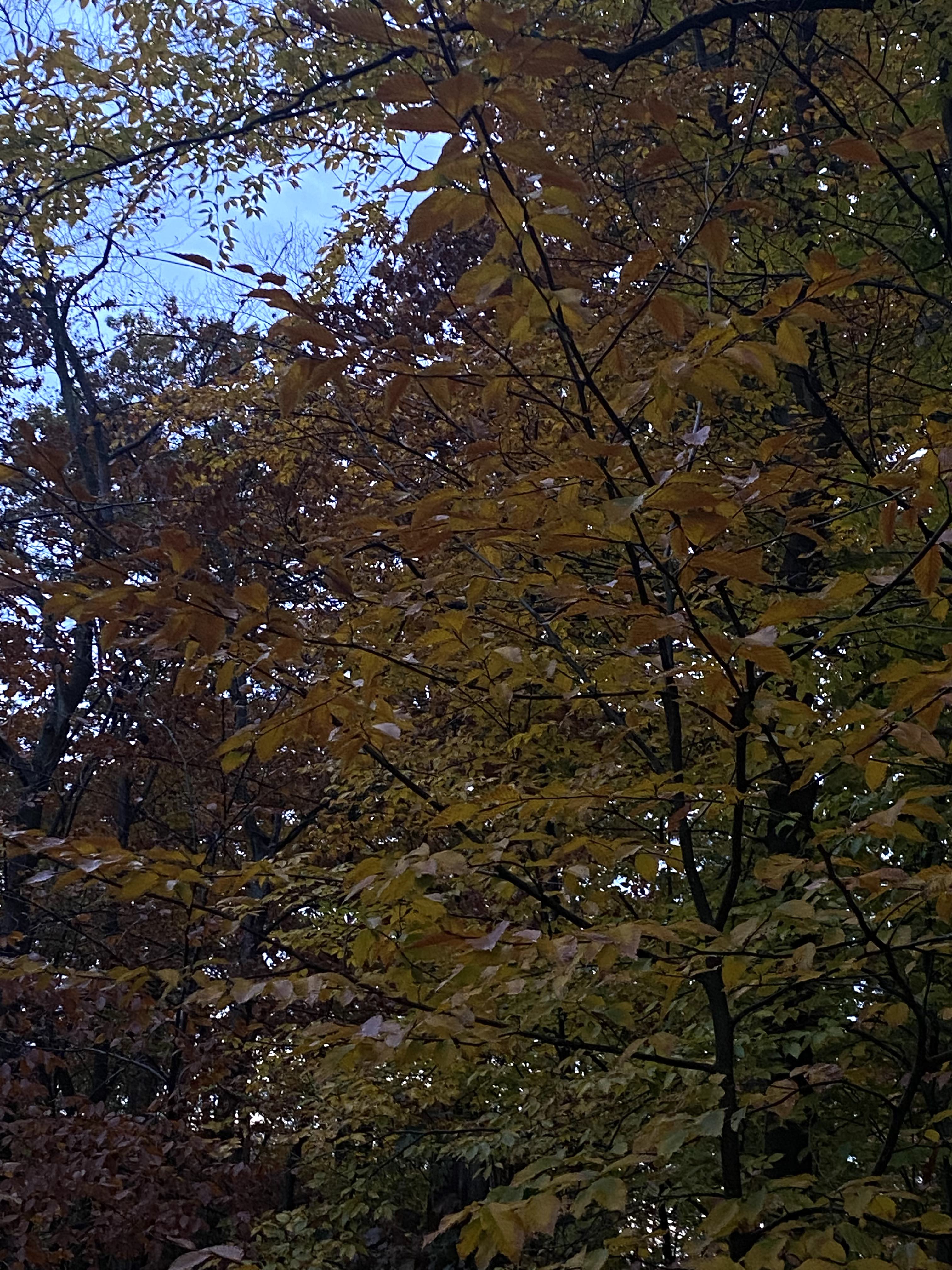
Wednesday, October 26.  A warm but dark, blustery and rainy day – the trees are painted with the most intense color this year, stronger than usual – and in the dark and wet, they glowed.  It was wonderful to walk among them. In the middle east, harvest is just about done, olives the last crop.  And then the rains come – rejuvenating the soil and preparing it for planting to come.

We spoke today about MarCheshvan, the original and still-used name for the month of Cheshvan.  “mar” refers to bitterness – often explained as referring to the lack of holidays in this month.  But it also could refer to the need this month to take our inspired commitments of the High Holidays and confirm them in our everyday lives.  This often involves digging deep into the roots of our souls, finding the not-so-good truths about ourselves and pulling them out in order to truly start anew.  This is not easy work, and even could be bitter work – perhaps this is also the origin of the name.

Orthodox sources we have seen this month seem to also focus on the ethics of clean, kind speech, and business ethics.  Bringing our inspired commitments into our everyday lives means being aware of our every action, and its impact on others – whether it is a response to a family member or acquaintance, information shared inadvertently, or a business decision.  What do we hear from our ancestors and modern-day advisors about the right thing to do or say? – how good are we at carrying this through, day in and day out? – most of us are works in progress.  Let Cheshvan give us many opportunities for this work. — Chodesh tov! — Kirby

Our next Rosh Chodesh Walking Meditation will honor the month of Kislev, Friday, November 25, 7:30 am.  Contact us for location!
Tishrei 5783    תשרי

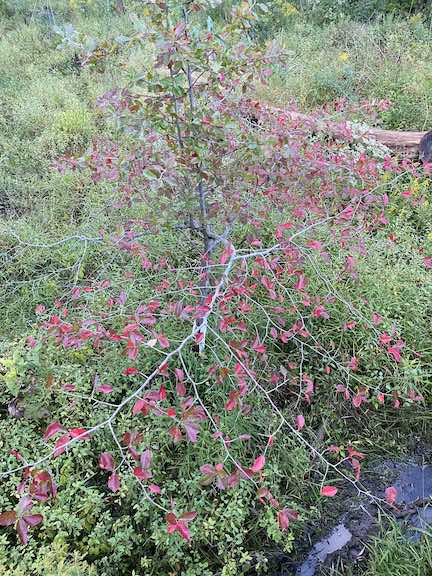
Monday, September 26, Rosh Hashanah.  A clear morning with a rosy sunrise to start the New Year of 5783.  We gathered with hope for a new year of possibilities.  It is harvest time for fruits and nuts in the Middle East, with the ingathering of grapes, figs, pomegranates, and olives aligning with the High Holy Days and the Sukkot harvest festival.  Here in the Great Lakes, we harvest apples and pumpkins, and witness the slow yellowing of the leaves and cooling of the air.

This year I would like to introduce the elements of Jewish astrology teachings to our monthly blog.  The heavens are an important part of our natural world – the source of inspiration throughout the ages, recognizing the other-worldiness of heavenly signs and events – and universal to our human experience, perhaps the most global aspect of nature, along with the oceans. Our sages were intensely opposed to the use of astrology and horoscopes to foretell a person’s future, identifying that study with pagan worship.  And yet, the Kabbalists recognized the role that heavenly constellations could play in the sense of the months. Similar to the role of other sensibilities assigned to each month, such as the energy of the s’firot, the tribes of Israel, and divine letters of the Hebrew alphabet, these were combined with the month’s holidays and Torah readings to fully understand the possibilities for human reality within the month. There is more information on each month in our source Mindy Ribner’s Kabbalah Month by Month (see resources page).

And so, for Tishrei, we note that the sign is Libra, the balancing scales. While the constellation assigned to each month does not align with what is in the sky in our modern age, it did do so 2000 years ago.  Imagine living through the High Holy Days with a scale above your head in the desert sky, every night.  There is a message here about balance – finding the balance between the good and evil, the stressed and centered, the scattered and focused, the kind and the unkind, in our world and in our hearts.  May this coming year be one of increasing balance for all of us as we seek peace in our lives and communities. —Kirby

Our next walking meditation will be the morning of Rosh Chodesh Cheshvan, Wednesday, October 26, 7:30 am.  Rain or shine!  Contact us for location!
Elul 5782 אלול

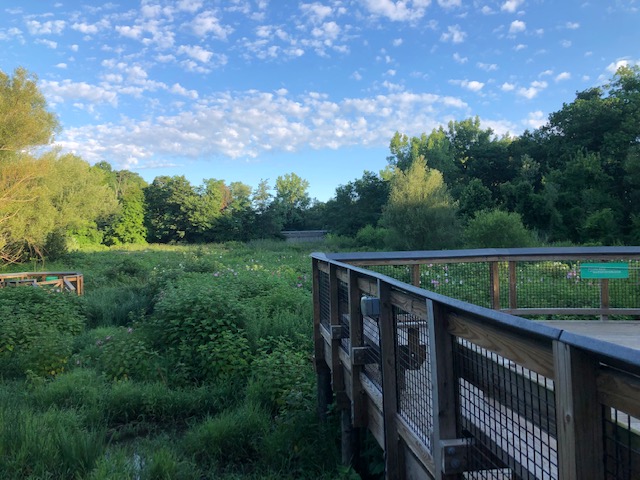
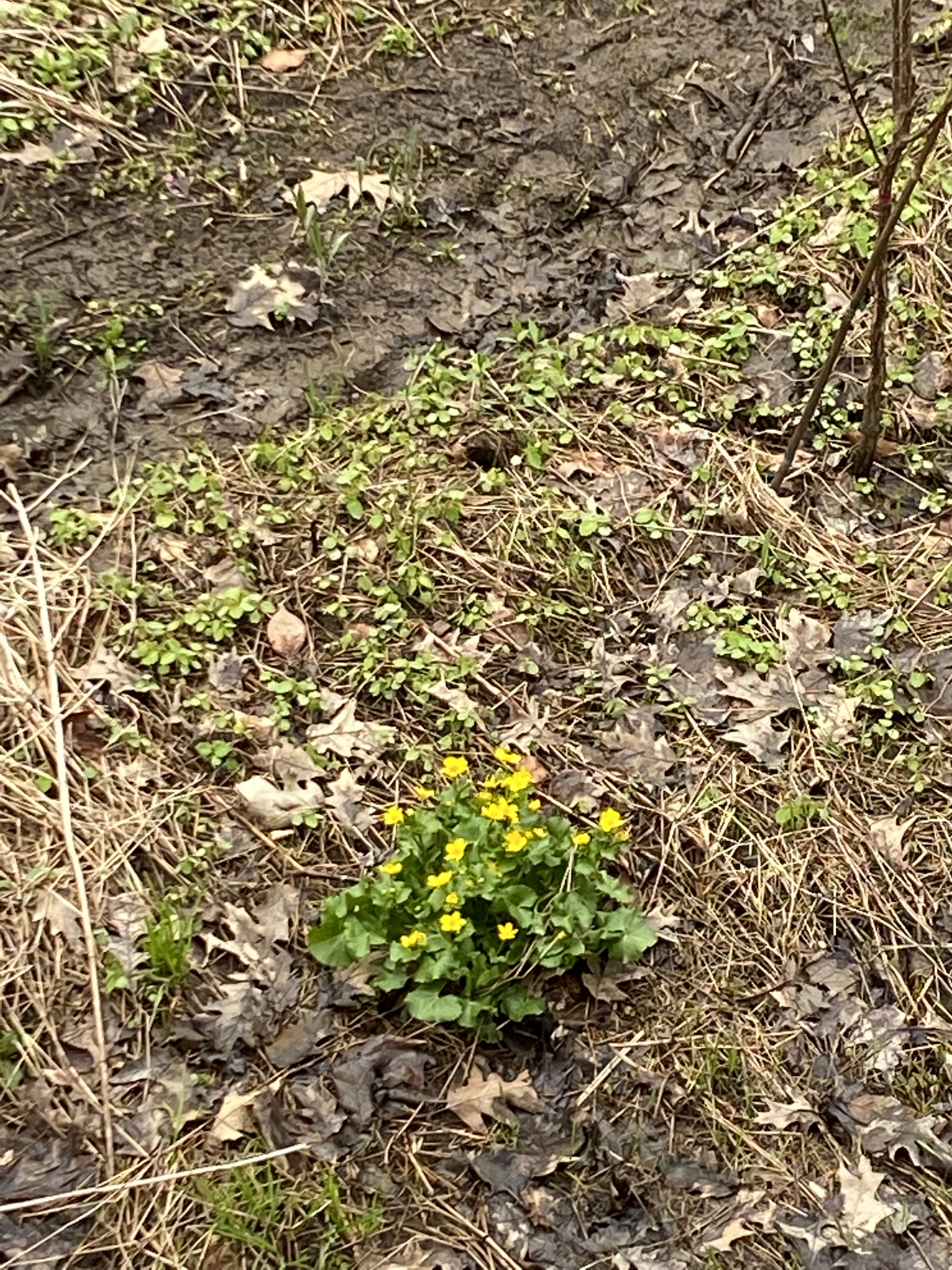
Sunday, August 28, 2022.  I am newly returned to Cleveland after almost three weeks in the Adirondack Mountains.  We are very grateful to Linda and Stephen for holding Rosh Chodesh Cleveland together during a summer when I was unable to attend most months, including this past Rosh Chodesh Elul.  Elul nevertheless began, with the marshmallows in pink bloom as always at the marsh. Now, we are coming to the end of a month of preparation and anticipation, wherever we are, as we look to the coming High Holidays.

I was fortunate this summer to participate in an online meditation course, sponsored by the Institute of Jewish Spirituality[1], that was led by Rabbi Sheila Pelz Weinberg.  The first week covered an introduction and refresher on meditative practice, and cultivating meditative attention.  Key to Rabbi Weinberg’s teaching was the concept of Teshuvah: returning, which is also a key theme of Elul and the High Holidays. Traditionally, we think of Teshuvah in the context of “returning” to Jewish observance; or “returning” to spiritual wholeness. We do spiritual accounting in Elul to help us plan and “return” to being our better selves in the New Year.

In Rabbi Weinberg’s teaching, we focused on “returning” our meditative attention, being drawn “like a magnet” back to our center of focus when our mind inevitably wanders in mindfulness practice.  “Teshuvah” then becomes a sort of mantra, returning, returning ourselves to presence in the moment.  We can also practice this “Teshuvah” in “returning” to being present with others, in the moment, when they need a listener, or even when just enjoying each others’ presence.  How often are we distracted by stress, daily needs, longstanding conflicts, or even our phones?  How could we practice Teshuvah in truly being present with our loved ones and acquaintances this year?

Wishing everyone a meaningful end of the month, and a most sweet and happy and healthy New Year!  L’Shana Tova! — Kirby
Our next Rosh Chodesh walking meditation will be Rosh Chodesh Tishrei, Rosh Hashanah, Monday morning, September 26, at 7:30 am.  Rain or shine! Contact us for location.


[1] See https://www.jewishspirituality.org/

Av 5782 אב

Friday, July 29, 2022.  Another beautiful Great Lakes summer day – just before the cicadas start their buzz, and the dryness of vegetation in August settles in.  We are lucky in our region – with the lakes’ influence, it is never too hot for too long, or too humid for too long, alternating heavy heated days with days of fresh air and blue skies.  This was one of the latter.  We take a deep breath and feel both the heat and the cooling of this time of year.

In Jewish tradition, the first of Av is right in the middle of the Three Weeks, marking the beginning of Nine Days of destruction between the Romans’ breach of the walls of Jerusalem and the fall of the Temple and the City on Tisha B’Av, the 9th of Av.  Since then, many other tragic events have been attributed to the 9th of Av —  the expulsions of Jews from Spain, the emptying of the Warsaw ghetto to Treblinka among them.  The Three Weeks bring a heat and intensity of catastrophe, sorrow and trauma. And then, a few days after Tisha B’Av, we celebrate Tu B’Av, supposed to be one of the happiest days of the year, associated with love and courtship, sort of a Jewish Valentine’s Day.

So Av is a month of extremes – the saddest and happiest days of the year, commemoration of destruction and celebration of love.  We talked about finding peaceful places in places of busyness  – and so may our hearts swing between extremes this month. May we all weather what the universe has for us this month, and find peace in the midst of it. – Kirby

(Many thanks to Linda and Stephen for leading this month, and for the beautiful photos!)

The next walking meditation will honor the month of Elul,  Sunday, August 28, 7:30 am.  Rain or shine!  Contact us for location.

Tammuz 5782 תמוז

Thursday, June 30, 2022.  A beautiful morning, with a clear blue sky – you’d never think of the underworld on such a morning.  Unless you are honoring the month of Tammuz, when we recognize the darkness that can underly the bright light of summer.  As noted by our source Jill Hammer (see sources tab), Tammuz is named after the Sumerian god Tamuz, condemned by his wife Inanna to the live in the underworld six months of the year – descending in the summer heat, and returning as spring returns.  In this month we also honor the birthday of patriarch Joseph, who was thrown into a deep pit by his brothers, emerging as a slave who would be taken to Egypt, later to save his people from famine. 

In the happy, bright, carefree days of summer, especially here near Lake Erie where we often enjoy cool breezes and the lush greenness of rain-watered lawns and gardens and woodlands – it is easy to overlook the darker energies that nevertheless flow within us at this time of year.  In the middle east, it is easier, the fierce piercing light and heat of the sun at this time of year make us yearn for winter and spring. In both places, though, we descend to the underworld of our strong, negative emotions, and try to learn from them.

In Tamuz, we are on guard for anger and darkness, and acting in the heat of the moment, which can bring us into conflict within our selves and with others.  The key is to listen to what the dark side may be telling us, acknowledge it, and see what good can come of it.  Maybe we need to take action to build a bridge with a loved one, maybe a long-covered-up story needs to be told, maybe we just need a break from daily stress and toil.  May we all weather the month in peace, and come to its end with some new understanding that will help us to be our best selves. – Kirby

Much credit goes to Linda for the lovely photos! Thank you!

Our next Rosh Chodesh walking meditation, for the month of Av, will be on Friday, July 29, 7:30 am. Rain or snow or shine!  Contact us for location.

Sivan 5782 סיון

Tuesday, May 31, 2022.  Our walk this morning was joyously green and full of birdsong, and a deer in the woods.  What a change from Iyar, with tiny leaves barely showing, to this lush explosion.  Here in the Great Lakes, in Sivan, the month of full foliage, wildlife babies, peonies and roses, we are suspended between Iyar’s cold early spring, and Tammuz’s summer. In Israel, sowing is over and harvest begins.  For now, we are encouraged by this burst of spring to enjoy the moment. Soon enough the heat of the sun will change the seasons once again.

Sivan is known as a month of receiving, a month of deep spiritual growth and intimacy with G-d and nature and each other.  In Sivan we received the Torah at Mount Sinai, all the Jews standing together in wonder.  As we commemorate this receiving in the holiday of Shavuot, to be held this weekend, may we grow stronger in our connection to G-d, to our resilient natural world, and to each other.

Our next New Moon gathering (Rosh Chodesh Tammuz) will be Thursday morning, June 30, at 7:30 am.  Please contact us for location.

Iyyar 5782       אייר

Monday, May 2, 2022.  Our walk was cold but bursting with spring this morning – green shoots and buds, wildflowers, trees in bloom, and birds singing and feeding.  A heron arrived from the south and settled in the marsh, and some of us saw mallards. No turning back, spring is here, at last.

The month of Iyyar carries us on the journey from Passover to Shavuot – days 16 to 44 of that 49-day walk. This parallels the journey our ancestors traced in the desert, from the Red Sea to Sinai where we received our instructions for life.  Following on the traditions of the Kabbalists, many modern-day Jews are choosing to use this 7-week period, known as the Omer, to improve and enhance their personal character, much as the Israelites did to forge themselves as a nation during that time, in order to be ready to receive the Torah at Shavuot.

The monthly theme of Iyyar is “healing” – in body, mind, character, soul. Evaluating our lives and habitual responses in the physical, emotional, intellectual, and spiritual realms can be a way of healing ourselves.  In Jewish tradition, one of the ways we can do this is through the practice of Mussar, a spiritual and practical discipline which engages us in healing ourselves through examination of our character traits, or Middot.  While every Mussar master has a somewhat different way of defining the middot, traits such as lovingkindness, discipline, compassion, endurance, humility, connection with others, and strength, are often among them. Over time, these middot have become associated with the seven weeks of the Omer.  By working on these traits, week by week, on our own and with partners, we hope to become a more balanced person, turning to the world in kindness, and becoming our best selves. May all of us find ways to heal this month, in body, mind, character and soul – ready to receive the revelation that awaits us at Sinai.   —Kirby

Our next Rosh Chodesh walking meditation will be Tuesday, May 31, 7:30 am, rain or shine.  Contact us for location.

Nissan 5782    ניסן

Saturday, April 2, 2022.  This morning’s bitter cold seemed more winterlike than what we might expect for the month of Nissan. We bundled in our winter layers, and our fingers ached anyway.  And yet: birds were singing, and buds are starting to show.  A Great Lakes spring is on its way, reluctant as usual, as Lake Erie’s ice cover slowly dissipates. 

The month of Nissan, we note every year, is the month of Passover, a celebration of the Israelites’ freedom from bondage in Egypt.  We imagine every year that we personally were freed from slavery, and we talk of modern-day and personal manifestations of slavery and freedom: our own habits and expectations for ourselves and others, and those in the world who still are in bondage literally or figuratively, physically or mentally, or by lack of opportunity. 

This morning we considered that the entire month of Nissan has embodied within it divine emanation, encouraging us to ask ourselves what our “boxes” are, and to “think outside the box” in bringing newness to our world.  One of our members talked of the “box” that is our language, locking us into seeing trees, rocks, and creatures as “things” instead of “persons”, by calling them “it”, in comparison to native American languages, which refer to them as “who”.[1] What would it take for us to think outside this box, to imagine a world in which the perspective is changed, and we share it with others, who have as much right as we do to live in peace and health and freedom? What other paradigm boxes do we live within – and isn’t this month, of this year, an auspicious time to question them?

Wishing everyone a peaceful, meaningful and “out of the box” holiday! —Kirby

The next Rosh Chodesh walking meditation will be for the month of Iyyar, on Monday, May 2, 7:30 am.  Rain or snow or shine!  Contact us for location.


[1] Referencing Robin Wall Kimmerer, Braiding Sweetgrass, 2013. Minneapolis, Minnesota: Milkweed Editions.

Adar Bet 5782 אדר ב

Friday, March 4, 2022. The Shabbat before Purim is called “Shabbat Zachor”, the Shabbat of Remembrance, and we read verses in Deuteronomy where we are asked to remember Amalek and wipe his name out.[1] Amalek was the ruler of the Amalekites, who together perpetrated a vicious, unprovoked attack on the Israelites who were wandering in the desert.[2] They became synonymous with evil throughout our history. Our sages attributed many subsequent evil events to the descendants of Amalek, including evil Haman of the Purim story himself.  Thus, we are reminded every year to remember the evil that must ever be overcome, and we wipe out the name of evil Haman when we bang on groggers and walls, and shout over his name as it is read in the Megillah of the Purim celebration.

In the last two weeks, we have acquired a new understanding of an evil character in our midst, Mr. Putin of Russia.  His motives are opaque and nonsensical; and he is bent on vicious destruction. The events of the last few weeks have been a bit of a shock for our modern sensibilities:  surely, in post-World-War-II Europe, we have grown past the expansionist ideas of the last century, and have come to respect the right of each nation to become an independent, free entity in its own right? – No, is the answer.  We see in authoritarian regimes around the world, and the potential for one here at home in the last few years, that these folks can and will continue to arise.  They are bent on destruction for the sake of power, without any awareness or acknowledgement of the human cost, and the human desire for peace.

And so, we remember and acknowledge the Amalek in our midst.  In the modern era, there is much discussion of “the Amalek within us”, as we overcome our own fears, obstacles and evil inclinations.  Valid thoughts – and yet, we must also keep in mind the external, real, Amaleks of history and the present day, who must be vanquished if we are to live in peace.  May this come to pass, swiftly, in Europe of 2022. — Kirby

Our next walking meditation will honor Rosh Chodesh Nissan, on Saturday, April 2, 7:30 am. Contact us for location.


[1] See Deuteronomy 25: 17-19

[2] See Exodus 17: 8-12

Adar Aleph 5782 אדר א

Wednesday, February 2.  We had a taste of warmer weather this morning – 40 degrees and raining a bit, making last week’s deep snow base soft and a challenge to walk.  Freezing temperatures and more snow are coming our way – it must be February!  A good thing we have two Adars this year, pushing holidays a little later.   We have some hope of hints of spring at Passover. 

In the Purim story of Esther, which we read and celebrate this month, the highest evil (the actions of Haman to obliterate the Jewish people) is transformed to become the highest joy – the release of our people from that evil decree, and the fall of Haman himself.  At Purim and for the whole month, joy and laughter are commanded to us, along with good food and drink, and the sharing of gifts with our neighbors, especially those less fortunate.  In this year of two Adars, we honor the Purim story in the second month, so the first month is one to prepare – make a better costume, learn some new jokes, plan a great Purim spiel, bake for all.  Preparing for joy, there’s a happy thought!

There is another theme to Adar that is also relevant to Adar Aleph – the hiddenness of G-d. G-d is not mentioned at all in the Purim story – and yet a miracle occurs.  From this we learn that even the most mundane aspects of our lives harbor divinity; and that even when G-d is hidden, we are partners in divinity — the agents in bringing forth miracles. In this extra month without a holiday, set in the midst of drab winter, it could be easy to fall into the ordinary.  Let us find the divine in the everyday for two months this year – a double dose of seeking out and transforming evil, bringing us to joy. —Kirby

Our next Rosh Chodesh walking meditation will honor the month of Adar Bet, Friday, March 4, 7:30 am.  Rain or snow or shine!  Contact us for location.